The global framework for nuclear arms control faces major tests in 2026: the US–Russia New START treaty expires on 5 February and the NPT Review Conference meets in New York in April. Recent events in 2025 and the rise of China's nuclear and technological capabilities have strained the traditional Moscow–Washington model and complicated verification and deterrence. While analysts say an immediate large-scale buildup is unlikely due to logistical limits, the loss of inspections and notification mechanisms erodes diplomatic tools needed to manage crises.
Global Nuclear Arms Control at Risk in 2026 as New START Lapses and NPT RevCon Looms

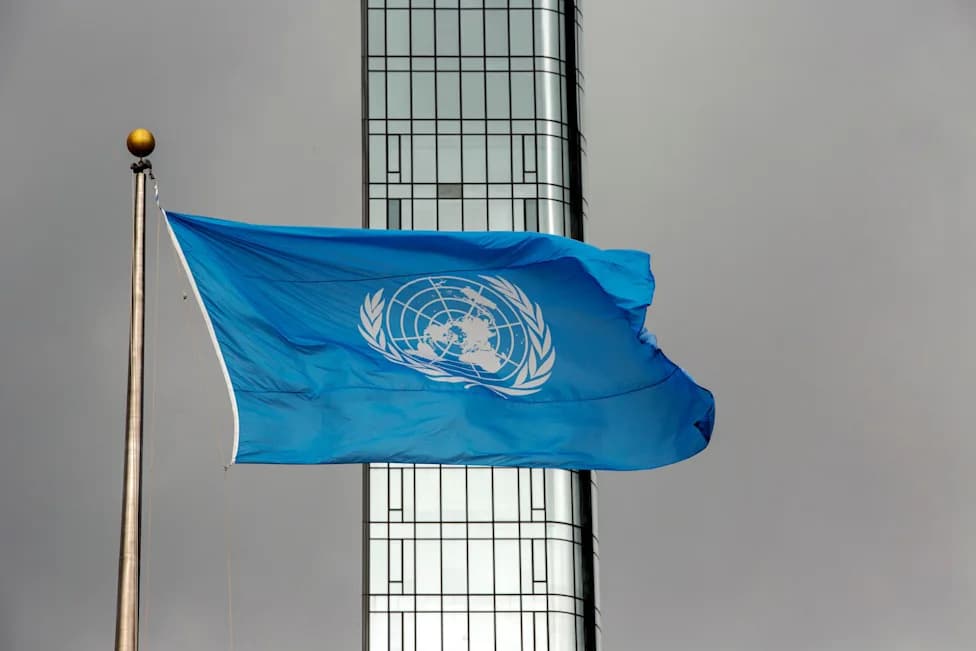
The Review Conference of the Parties to the Treaty on the Non-Proliferation of Nuclear Weapons takes place every four or five years (ANGELA WEISS)(ANGELA WEISS/AFP/AFP)
The international legal framework that governs nuclear weapons faces renewed strain in 2026, weakening the mechanisms meant to prevent escalation toward a nuclear crisis. Two high-stakes moments in the first half of the year— the expiration of the US–Russia New START treaty on 5 February 2026 and the Treaty on the Non-Proliferation of Nuclear Weapons (NPT) Review Conference in New York in April—will test what remains of global arms control architecture.
Why 2026 Matters
The NPT RevCon, convened roughly every four to five years, is designed to renew international commitment to non-proliferation and disarmament. The last two RevCon sessions failed to produce a consensus final document, and many analysts expect a similar impasse this April. At the same time, New START has long provided limits, verification measures and notification mechanisms between Washington and Moscow; its lapse would remove that formal bilateral framework.
Expert Views
"I think this is going to be a difficult RevCon," said Alexandra Bell, head of the Bulletin of the Atomic Scientists, at a UN-hosted online conference. "In terms of the current state and near future prospects of nuclear arms control architecture, things are bleak."
Anton Khlopkov, director of the Center for Energy and Security Studies (CENESS), warned the world may be approaching "almost complete dismantlement of arms control architecture," urging that efforts focus on preserving existing tools.
'Crumbling' Safeguards
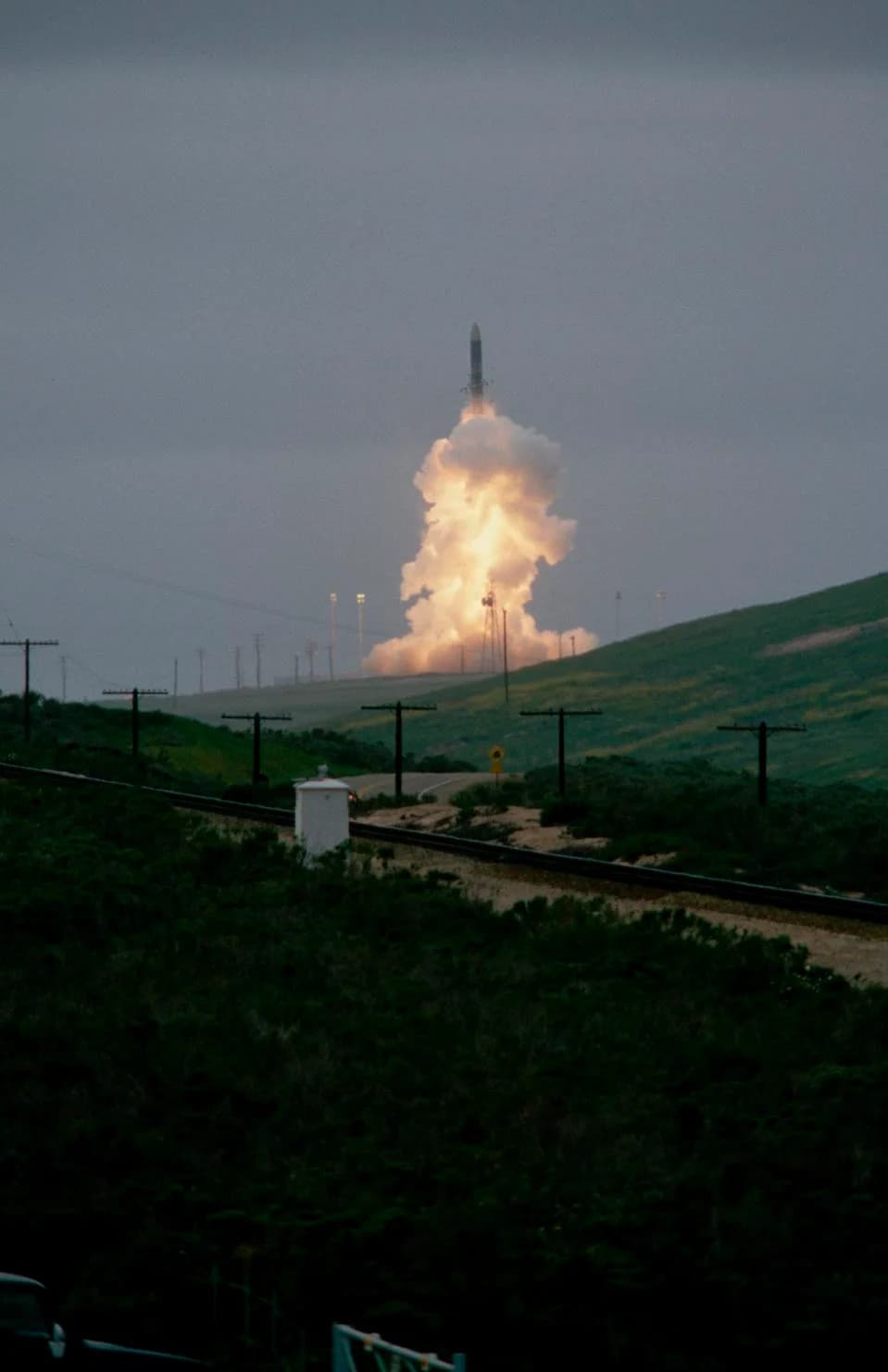
Developments in 2025 heightened concern: reported US strikes on Iranian nuclear sites, Russia's test of the Burevestnik nuclear-powered cruise missile, and public statements from US political leaders about possibly resuming nuclear testing all contributed to a darker outlook. Emmanuelle Maitre of France's Foundation for Strategic Research described the arms control architecture as "crumbling."
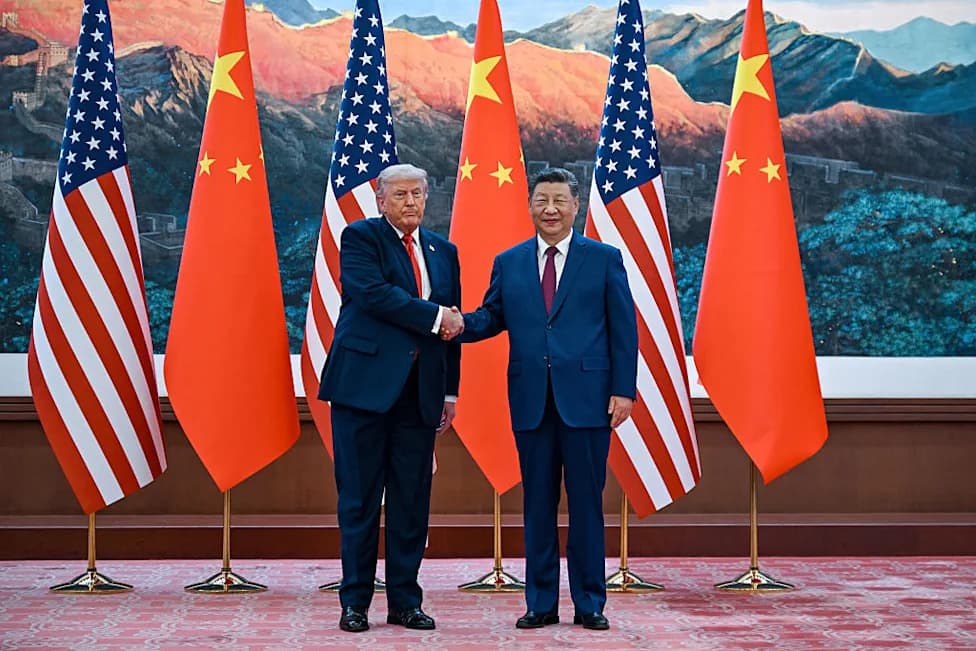
A deeper challenge is geopolitical change. Decades of arms control were organized around a Moscow–Washington axis; China's rapid nuclear expansion and advances in technologies such as hypersonics and missile-defence systems are reshaping the strategic balance and complicating traditional deterrence models. Analysts note that closer China–Russia ties further alter calculations in Europe and the Asia–Pacific.
According to Maitre, many New START verification measures are effectively dormant: "The entire inspection component is no longer functioning, the notifications when a missile is moved, etc., all of that has vanished. What remains is only the voluntary commitment to stay within the limits."
'Collective Solutions' and Limits to Rapid Buildup
Some US strategic voices argue a bilateral treaty with Russia should not constrain Washington’s strategic options, and have urged broader, multilateral approaches that include China. Robert Peters of the Heritage Foundation has argued that New START does not address China's growing arsenal and noted Beijing's reluctance to join trilateral talks.
At the same time, experts caution that a New START lapse will not necessarily trigger an immediate large-scale rearmament: logistical constraints, industrial bottlenecks and the time required to recommission or produce strategic systems would likely limit rapid increases in deployed weapons. Nevertheless, the loss of formal verification and notification channels reduces transparency and increases the risk of miscalculation during crises.
What To Watch
- Whether Washington and Moscow seek a short-term extension, replacement or informal confidence-building measures before 5 February.
- Outcomes of the NPT RevCon in April and whether participants can agree on common language or action points.
- Moves by China to expand or modernize its forces and whether it engages in multilateral arms-control discussions.
As one expert put it, the less functional the NPT and related agreements become, the harder it will be to forge collective diplomatic solutions in the event of a crisis. Preserving verification, transparency and dialogue — even in limited forms — remains essential to reducing the risk of escalation.
Help us improve.