The Trump administration has issued a memorandum directing the United States to withdraw from the UN Framework Convention on Climate Change (UNFCCC) and 65 associated bodies. Legal experts are split: some say the president can unilaterally exit treaties in practice, while others, including former State Department lawyer Harold Koh, argue Senate involvement is required because the UNFCCC was ratified in 1992. The UNFCCC requires one year’s written notice; re‑entry and the legal validity of withdrawal are unsettled and likely to prompt litigation. Critics say the move harms US credibility and climate leadership.
Legal Fight Looms After White House Orders US Withdrawal From Key UN Climate Treaty
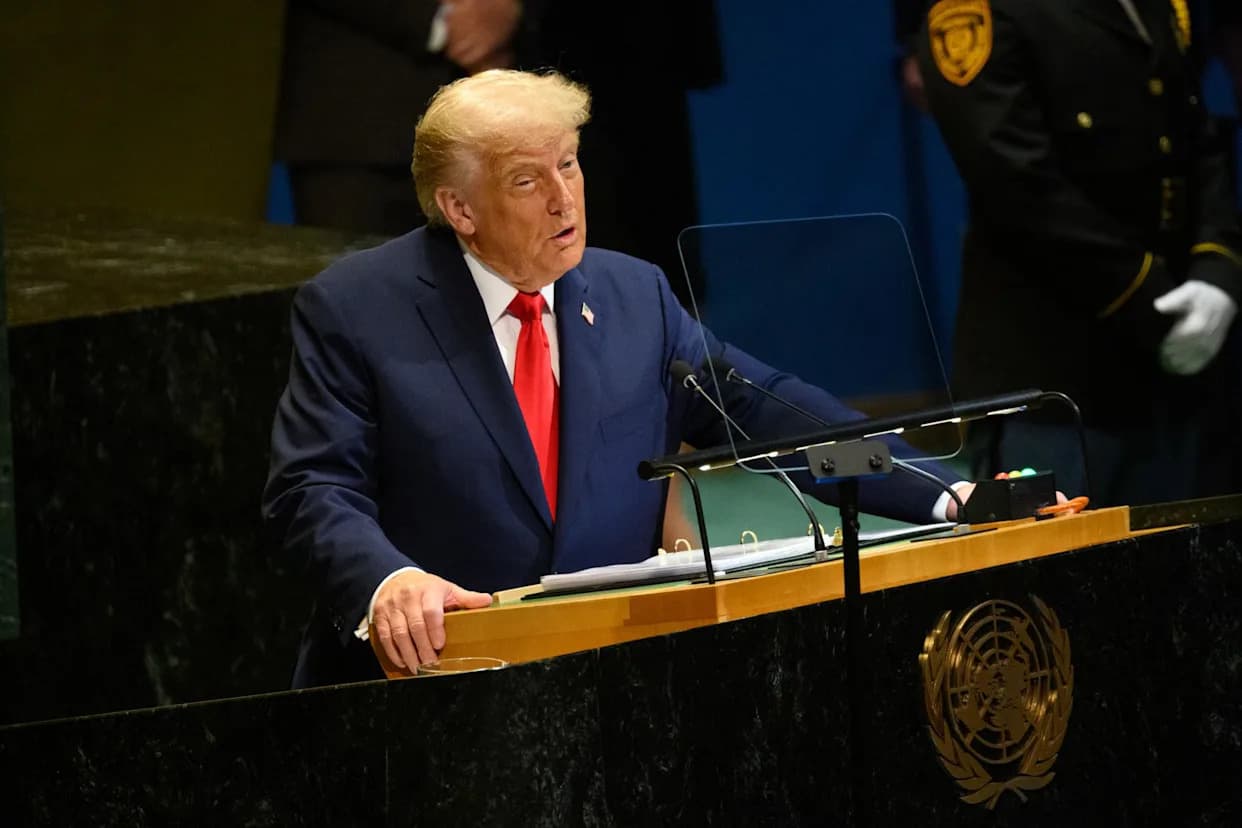
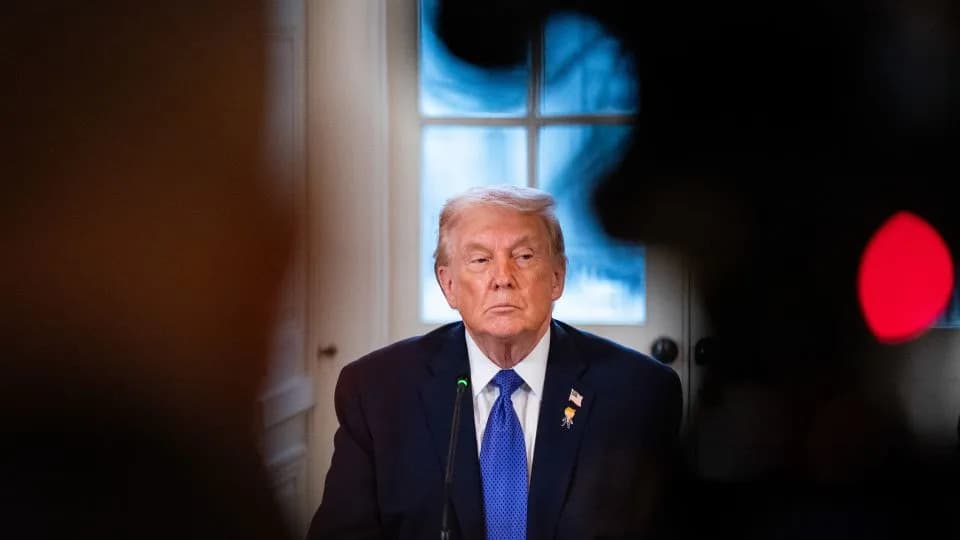
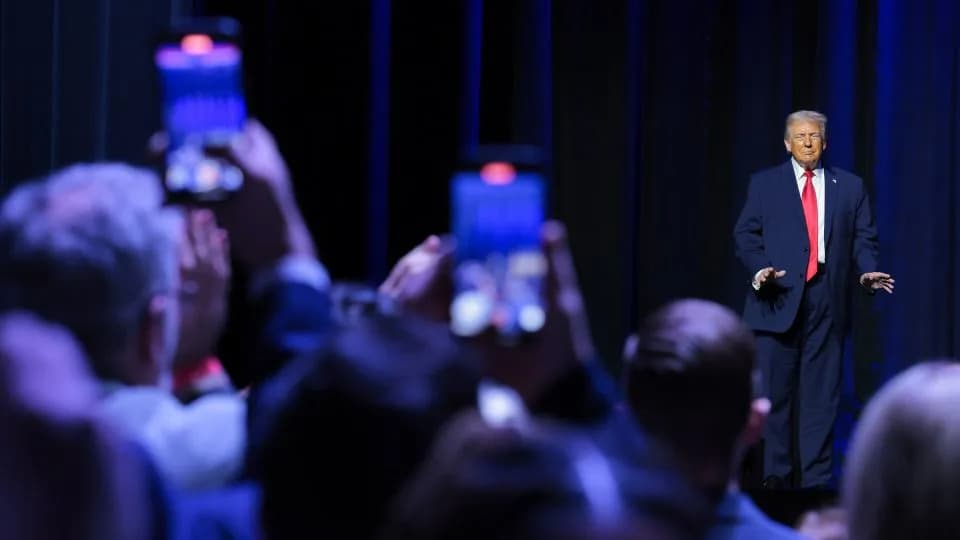
Donald Trump speaks to the 80th session of the UN’s general assembly (UNGA) at UN headquarters in September in New York.Photograph: Alexi J Rosenfeld/Getty Images
The Trump administration issued a presidential memorandum directing the United States to withdraw from the UN Framework Convention on Climate Change (UNFCCC) and 65 related international bodies — a move that several legal experts say may be unlawful and that is likely to prompt litigation.
What the Memorandum Says
The memorandum states that the United States "shall withdraw" from the UNFCCC and lists the agreement among a group of organizations and treaties the administration considers "contrary to the interests of the United States." The UNFCCC itself requires one year’s written notice for withdrawal, meaning the United States will remain a party for one year unless the administration sends formal notice to the United Nations.
Legal Debate: Can A President Unilaterally Withdraw?
Legal scholars are sharply divided over whether the president can unilaterally exit a treaty that the Senate previously ratified. Harold Hongju Koh, the former top lawyer at the State Department, told the Guardian:
"In my legal opinion, he does not have the authority."
Those who argue the president lacks unilateral withdrawal power invoke what Koh calls a "mirror principle": if Senate approval is required to enter a treaty, the same level of congressional involvement should be required to leave it. Koh likened unilateral withdrawal to trying to undo an agreement one signed jointly: "If my wife and I made an agreement that both of us had to sign, could I withdraw from it by myself? I believe we would both have to withdraw."
Other experts point out that presidents have historically asserted the authority to withdraw from treaties and that Congress has often acquiesced, creating a practical precedent even if the legal question remains unsettled. Curtis Bradley, a University of Chicago law professor and former State Department counselor for international law, noted:
"In practice, presidents have long asserted the authority to withdraw the United States from treaties and other international agreements without seeking the approval of either the Senate or Congress."
Why The UNFCCC Is Different From The Paris Agreement
Both the UNFCCC and the Paris Agreement provide for withdrawal with one year’s written notice. A key legal distinction is that the UNFCCC was submitted to and ratified by the Senate in 1992, while the Paris Agreement was not ratified by the Senate. That difference fuels disagreement about whether a president can unilaterally terminate the UNFCCC participation but could withdraw from the Paris Agreement without Senate consent.
Michael Gerrard, a climate-law specialist at Columbia University, emphasized the distinction: the UNFCCC was approved by the Senate, which raises an "open question" about presidential power to withdraw unilaterally.
Potential Consequences And Re-Entry
Experts also disagree about the process for rejoining. Some, like Curtis Bradley, believe a future president would need a new two-thirds Senate approval to re-enter if withdrawal nullified the 1992 ratification. Others, including Jean Galbraith of the University of Pennsylvania Carey Law School and former State Department official Sue Biniaz, argue the 1992 ratification could still be in force or that a future administration could rejoin without a fresh two-thirds vote.
Political And Public Reactions
Critics have condemned the move as damaging to U.S. credibility on the global stage and harmful to climate leadership. Senator Sheldon Whitehouse called the withdrawal "not just corrupt, it's illegal," arguing that a Senate-ratified treaty should require Senate action to be rescinded. Melinda St Louis of Public Citizen's Global Trade Watch warned the decision will "shred the nation's international credibility" and could cause long-term harm as climate impacts grow.
The administration emphasized its intention to "effectuate the withdrawal of the United States from the organizations as soon as possible," and referred questions to public statements made by administration officials framing the exits as steps to eliminate redundancy, waste, or perceived threats to national sovereignty and prosperity.
Outlook
The legal status of the memorandum is likely to be tested in court. The constitutional text and past Supreme Court consideration of treaty withdrawal (including a fractured 1979 decision regarding diplomatic recognition of China) leave unsettled whether unilateral presidential withdrawal from a Senate‑ratified treaty is lawful. Until the courts rule or Congress acts, the issue will remain contested politically and legally.
Note: This article summarizes expert commentary and public statements regarding the memorandum and the legal debate. It does not adjudicate the legal questions, which will likely be resolved through litigation or future congressional action.
Help us improve.