The Trump administration proposed deep cuts and tighter controls on federal research funding last year, prompting widespread concern across academia. Successful lawsuits and bipartisan action in Congress largely blocked the most extreme measures, preserving key budgets — including $48.7 billion for the NIH in fiscal 2026. Still, agency staff cuts, paused grants and leadership turnover disrupted research, and the legal and operational battles continue.
Courts and Congress Block Sweeping Cuts — U.S. Science Funding Largely Preserved
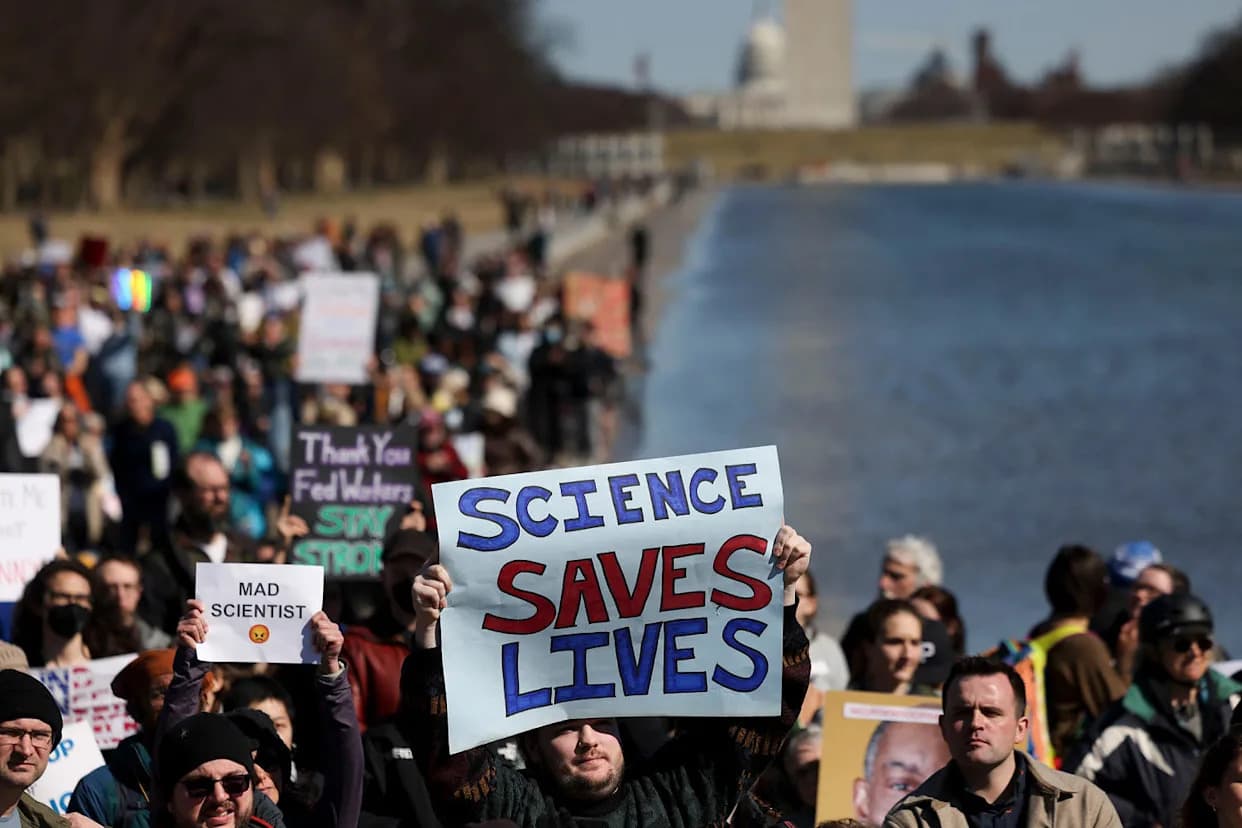
Demonstrators hold signs at a "Stand Up For Science" rally at the Lincoln Memorial in Washington in March. (Tierney L. Cross / Bloomberg via Getty Images)(Tierney L. Cross)
About a year ago, many in the U.S. research community feared a major rollback of the federal model that has supported university-led science since World War II. Beginning in February, the Trump administration cut thousands of staff at federal science agencies, slowed or paused large numbers of grants, and proposed sharp limits on how much institutions could recover for indirect research costs.

At least twice a day, the National Weather Service releases a weather balloon into the atmosphere in Gaylord, Mich. (Marvin Joseph / The Washington Post via Getty Images)(Marvin Joseph)
The administration also targeted elite campuses over allegations of antisemitism, rescinded or paused grants it deemed related to diversity, equity and inclusion (DEI), and proposed budgets with steep reductions for agencies including the National Science Foundation (NSF), NASA and the National Institutes of Health (NIH). For many observers, these actions felt like a fundamental break in the long-standing partnership between government and academic research.
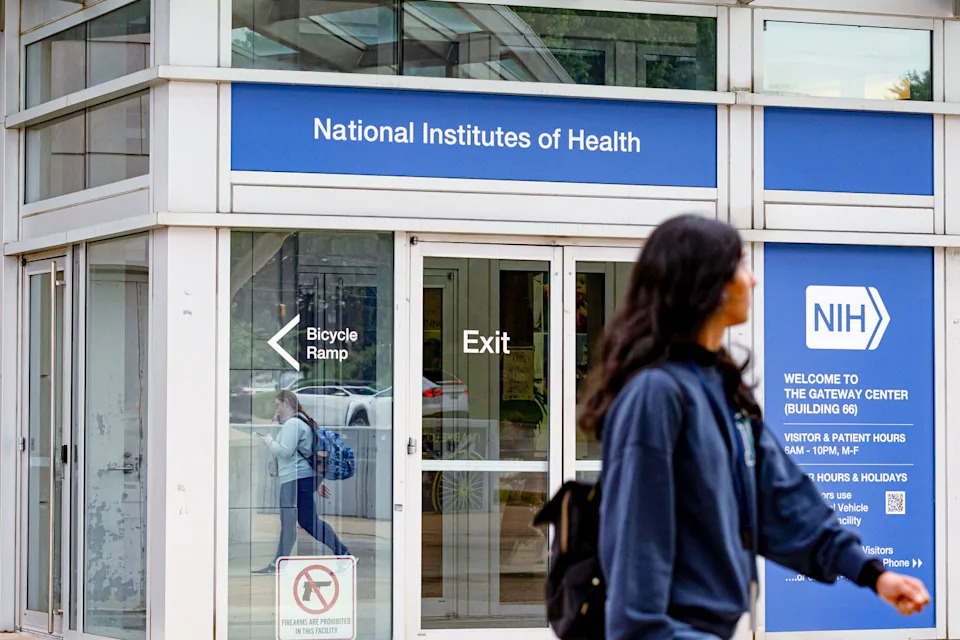
The National Institutes of Health headquarters in Bethesda, Md., in May. (Wesley Lapointe / The Washington Post via Getty Images file)(Wesley Lapointe)
"That partnership is now being broken," wrote Holden Thorp, editor of the Science journals, last February, calling the cuts an "unforeseen and immediate hit."
One year on, many of the most extreme proposals have been halted by a combination of lawsuits and Congress's appropriations decisions. Coalitions of science, education and civil-rights groups — including the ACLU, the American Public Health Association (APHA) and the Association of American Universities (AAU) — have prevailed in several legal challenges that protected billions in funding. Meanwhile, recent spending bills negotiated by Congress have largely held agency budgets near last year’s levels.

The Harvard University campus in Cambridge, Mass., in June. (Bloomberg / Bloomberg via Getty Images)(Bloomberg)
Legal Wins and Restored Funding
Court rulings and settlements played a key role. An appeals court affirmed that the administration may not impose a 15% cap on indirect research costs, a policy universities and states argued violated congressional direction and NIH policy. The ACLU secured a partial settlement requiring NIH to restart consideration of specific paused grants; other litigation over canceled DEI-related awards is ongoing.

Preserved slices of brain are arranged at Harborview Medical Center in Seattle, where researchers are studying markers of Alzheimer’s and other neurodegenerative diseases. (Evan Bush / NBC News)(Evan Bush)
Georgetown University's Health Policy and the Law Initiative tracked 39 funding-related cases this year — up from none a year earlier — illustrating how litigation became a central tool for preserving research support.

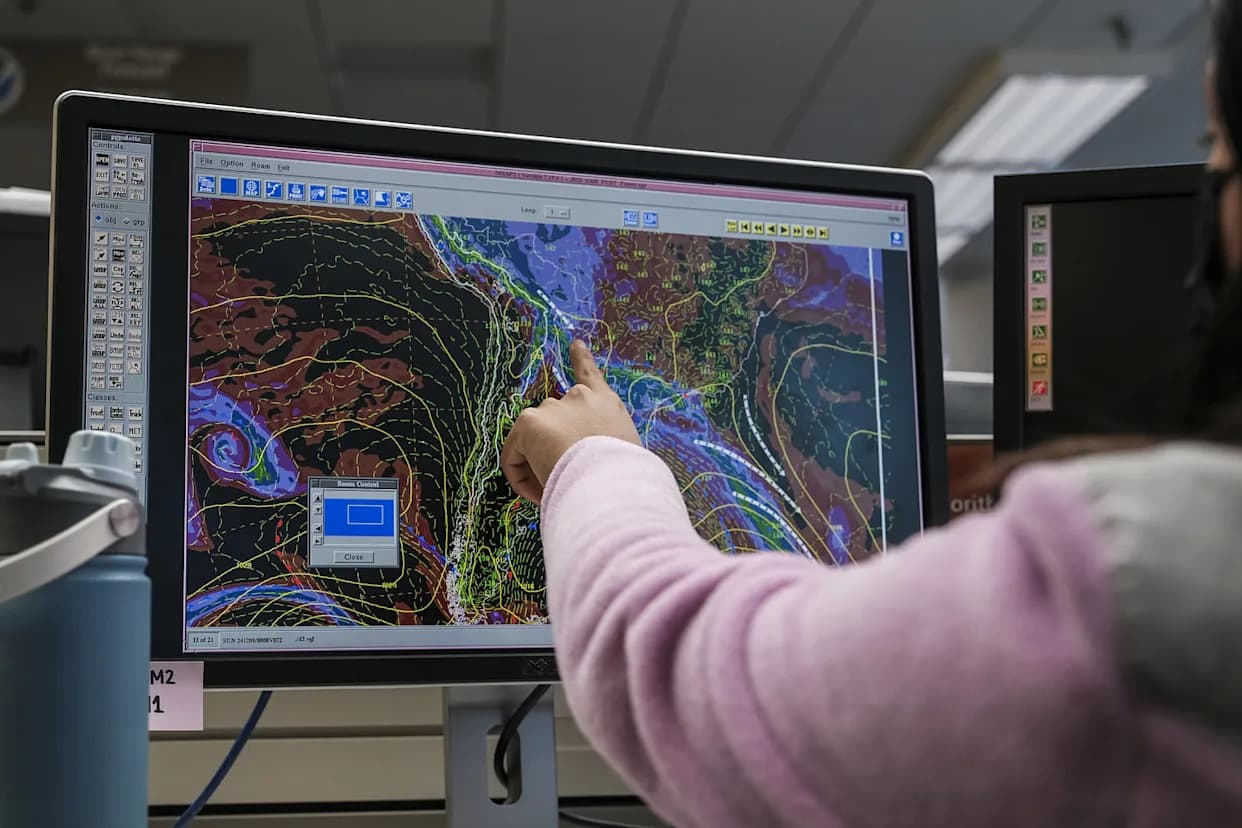
A meteorologist monitors weather activity at the NOAA Center for Weather and Climate Prediction headquarters in College Park, Md., in 2024. (Michael A. McCoy / Bloomberg / Getty Images file)(Michael A. McCoy)
Congress Steps In
Congress largely rebuffed the administration’s budget requests. The spending package approved by both chambers and signed by President Trump provides the NIH with $48.7 billion for fiscal year 2026 — an increase of $415 million over 2025, with roughly three-quarters earmarked for external research grants. NASA faces a modest cut (~1.6%) and NSF a smaller reduction (~3.4%) than was proposed in the administration’s request.
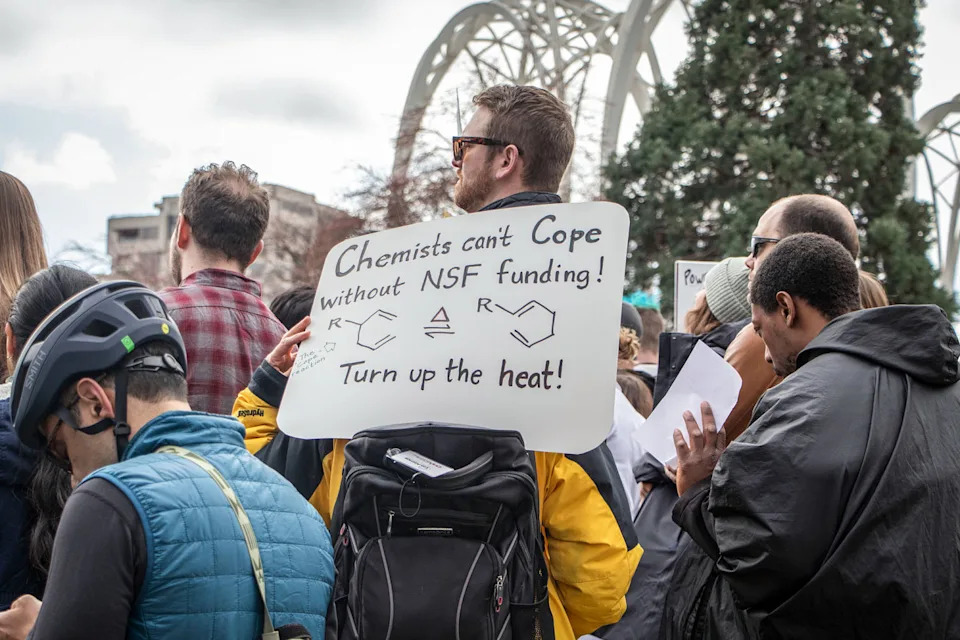
A sign at the March 7 Stand Up for Science rally at Seattle Center in Oregon. (Stephanie Ryder)(Stephanie Ryder)
Lawmakers also inserted protections into the legislation to block future attempts to cap indirect research costs and required NIH to report monthly to Congress on grant awards, terminations and cancellations to improve oversight.
Continuing Disruption and Uncertainty
The research enterprise was not unscathed. NOAA and NASA lost thousands of employees, leadership turnover swept through several NIH divisions, and an executive order increased political oversight of some grant approvals. NIH paused, delayed or canceled thousands of awards earlier in the year; by summer, under pressure from lawmakers, NIH adjusted practices and began awarding full-duration funding (three to five years) up front — a step that helped spending catch up but meant roughly 5–10% fewer projects were funded in 2025.
There are broader, longer-term consequences: more than 10,000 doctorate-trained experts left federal service; a JAMA Internal Medicine analysis found canceled grants affected clinical trials involving roughly 74,000 participants; and doctoral enrollments and hiring at some universities declined as investigators faced funding uncertainty.
"Yes, we’ve got the money now from Congress. Will they move it out the door? Will they have the staff to do that effectively?" said Toby Smith of the Association of American Universities, reflecting widespread concern that staffing shortfalls at NIH and other agencies could slow recovery.
At institutions such as the University of Washington, administrators imposed hiring freezes, travel limits and furloughs; doctoral starts in some medical programs fell sharply when principal investigators worried about the continuity of grants. Shelly Sakiyama-Elbert, vice dean for research at the UW School of Medicine, described the past year as steady "whiplash."
Outlook
While courts and Congress preserved much of the federal research budget, the story is not finished. Litigation continues over canceled awards, and agency practices and staffing will determine how quickly grant pipelines and research careers recover. The episode underscored the fragility of the research ecosystem when funding and administrative continuity are threatened, and it left lasting uncertainty for many scientists and institutions.
Original reporting for this article first appeared on NBCNews.com.
Help us improve.