The Greensand CCS project led by Ineos will begin injecting imported liquefied CO2 beneath a depleted North Sea oil reservoir near Denmark, storing about 400,000 tonnes per year initially and targeting up to 8 million tonnes by 2030. The North Sea's decades of petroleum data make it attractive for offshore storage, with theoretical capacities in the tens of billions of tonnes for Norway and the UK. Despite expanding infrastructure — including Norway's Northern Lights and multiple UK permits — high costs and sparse commercial customers limit how quickly CCS can scale, and environmental groups warn it must not become an excuse for continued fossil-fuel reliance.
North Sea Oil Platform To Become Carbon Vault: Ineos's Greensand Will Bury Imported CO2

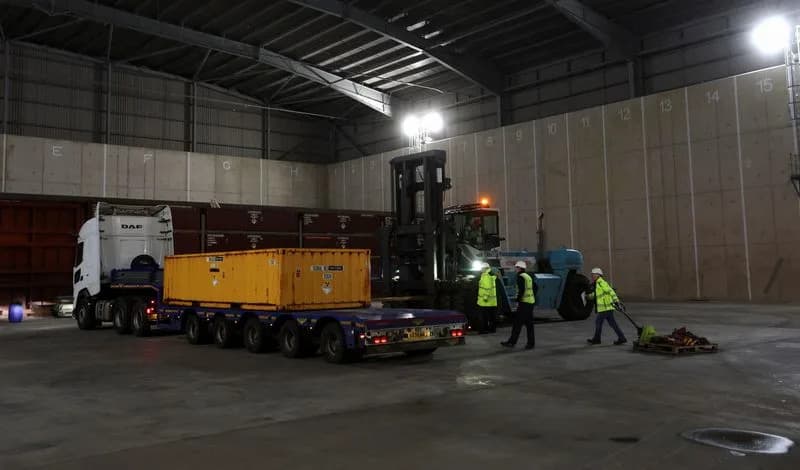
CCS technology is a key tool for reducing the CO2 footprint of cement and steel industries (Jonathan NACKSTRAND)(Jonathan NACKSTRAND/AFP/AFP)
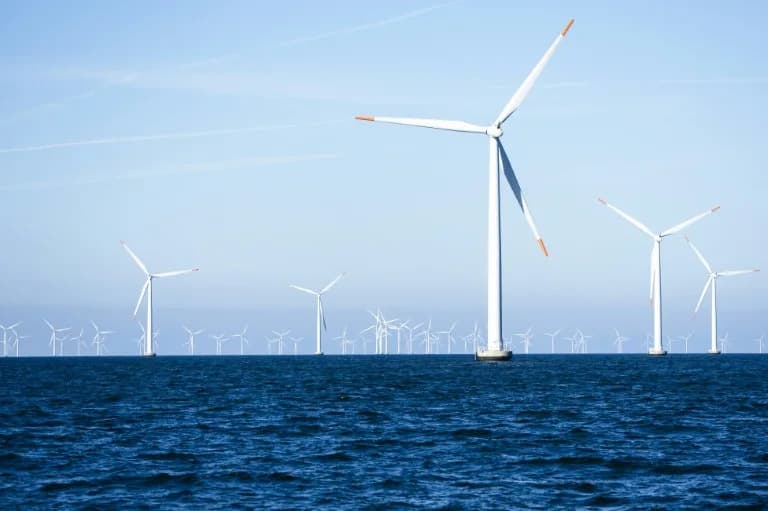
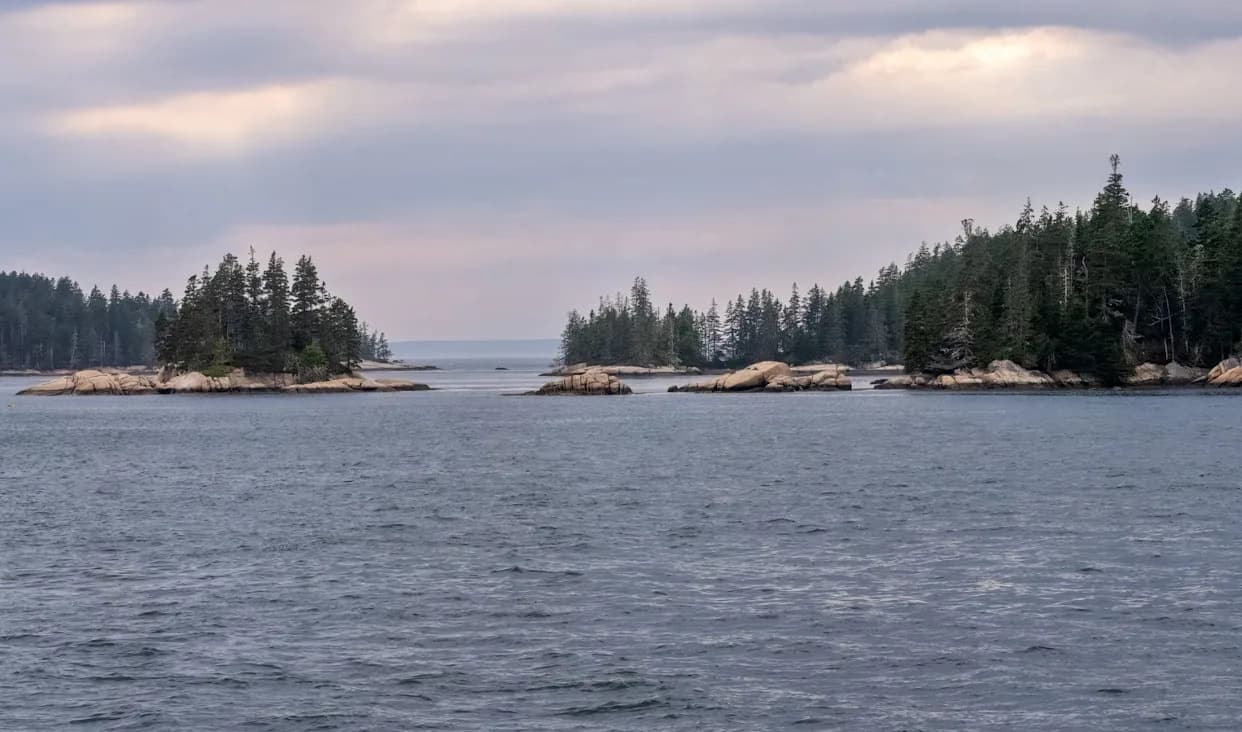
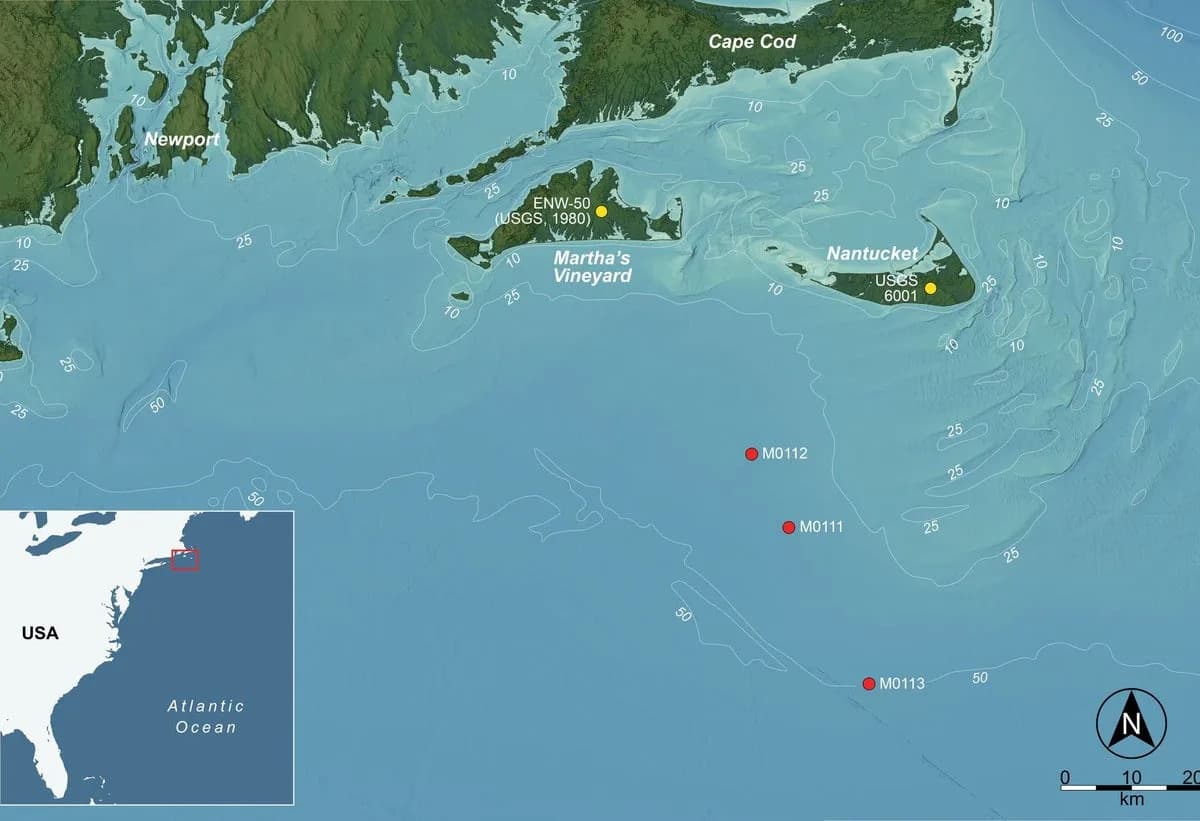
Off Denmark's coast in the North Sea — a region long used for oil production — liquefied carbon dioxide imported from Europe will soon be injected and stored beneath the seabed as part of the near-complete Greensand carbon capture and storage (CCS) project led by British chemicals company Ineos.
Project Overview
In its first phase, planned to begin within months, Greensand will inject about 400,000 tonnes of CO2 per year into a depleted reservoir beneath the small, wind-battered Nini oil platform, roughly 170 kilometres (105 miles) offshore. The project aims to scale up to as much as 8 million tonnes per year by 2030.
Liquefied CO2 — primarily sourced from biomass-fired power plants and other European industrial facilities — will be shipped to the Esbjerg terminal in southwestern Denmark and piped to the Nini platform for injection.
Why the North Sea?
The North Sea is considered attractive for offshore storage because five decades of oil and gas exploration have produced abundant geological data on depleted fields and deep basins. The Norwegian Offshore Directorate (Sodir) estimates the Norwegian sector could theoretically store about 70 billion tonnes of CO2, while the UK government cites around 78 billion tonnes for the British side. Denmark's national figure is not consolidated, but the Bifrost project led by TotalEnergies estimates roughly 335 million tonnes of capacity for Danish territory.
For perspective, the European Union emitted approximately 3.2 billion tonnes of greenhouse gases last year.
Growing But Costly Infrastructure
Under the EU's Net-Zero Industry Act (NZIA), the bloc has set a legally binding target to develop at least 50 million tonnes per year of CO2 storage capacity by 2030. Infrastructure is expanding: Greensand plans to scale to 8 million tonnes annually, and Norway's Northern Lights — a joint venture by Equinor, Shell and TotalEnergies — completed its first injection in August into an aquifer about 110 kilometres off Bergen and plans to grow capacity from 1.5 million to 5 million tonnes per year by 2030.
The UK has also awarded storage permits and launched new licensing rounds, with first injections expected in the coming years.
Commercial And Environmental Challenges
Despite growing infrastructure, commercial uptake remains limited. For many industrial emitters, the combined cost of capturing, transporting and storing CO2 is still substantially higher than buying carbon allowances on existing markets — and offshore storage adds further cost.
“Offshore is probably more expensive than onshore but with offshore there's often more public acceptance,” said Ann Helen Hansen, CCS coordinator at the Norwegian Offshore Directorate.
The Northern Lights consortium has signed only a small number of commercial contracts so far, and the project benefited heavily from state support. Environmental groups caution that CCS should not be used to justify continued reliance on fossil fuels. Truls Gulowsen of Friends of the Earth Norway warned that although the idea of turning a former fossil-fuel region into part of the solution is attractive, carbon storage capacity will never fully offset the emissions produced by continued oil and gas extraction in the North Sea.
Bottom Line
Greensand and other North Sea CCS initiatives demonstrate rapid technological and policy progress, but high costs, limited commercial demand and environmental concerns mean CCS will be only one part of a much broader climate strategy.
Help us improve.