European leaders meeting in Hamburg pledged to deploy 100 GW of additional offshore wind in the North Sea to strengthen energy independence, resilience and climate goals. Germany and Denmark announced the 3 GW Bornholm Energy Island as an initial bilateral hub. Officials said the move sends a strategic message to Russia, reduces reliance on imported gas and aims to build a more distributed, attack-resilient energy system for Europe.
North Sea Pact: 100 GW Offshore Wind Push to Secure Europe’s Energy Future
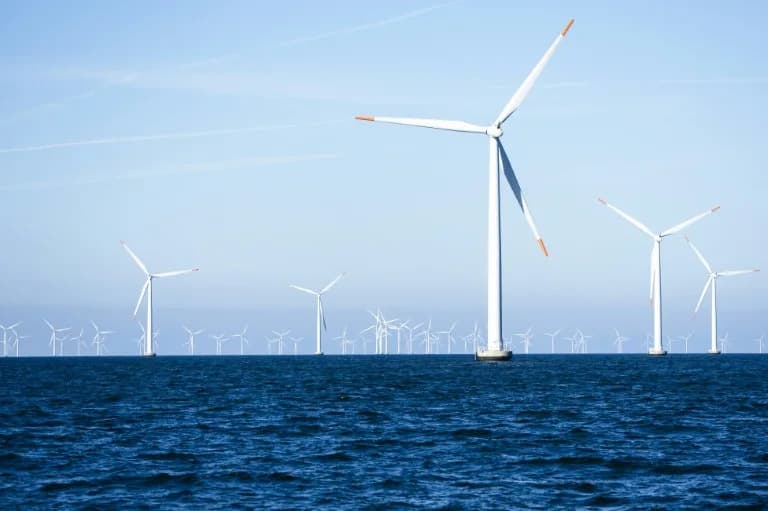
Security fears were high on the agenda (Thomas Traasdahl)(Thomas Traasdahl/Ritzau Scanpix/AFP)
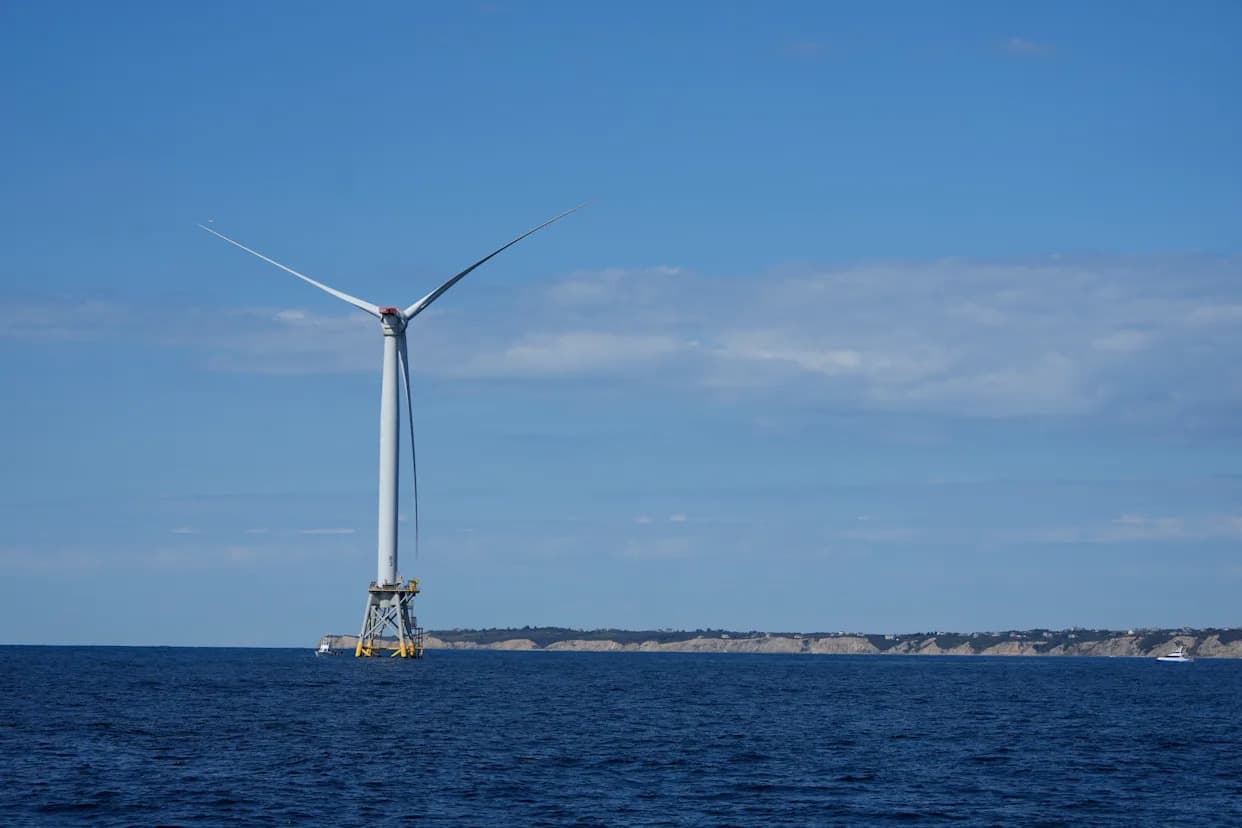
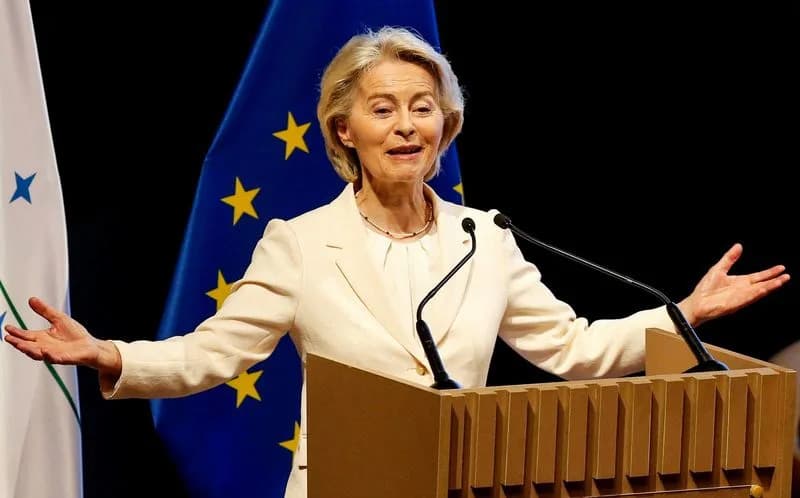
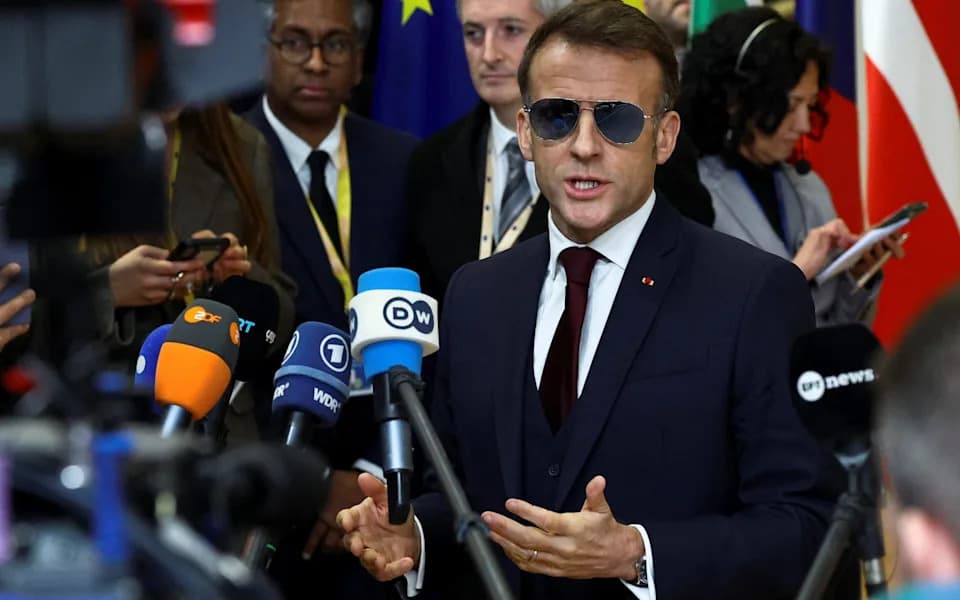
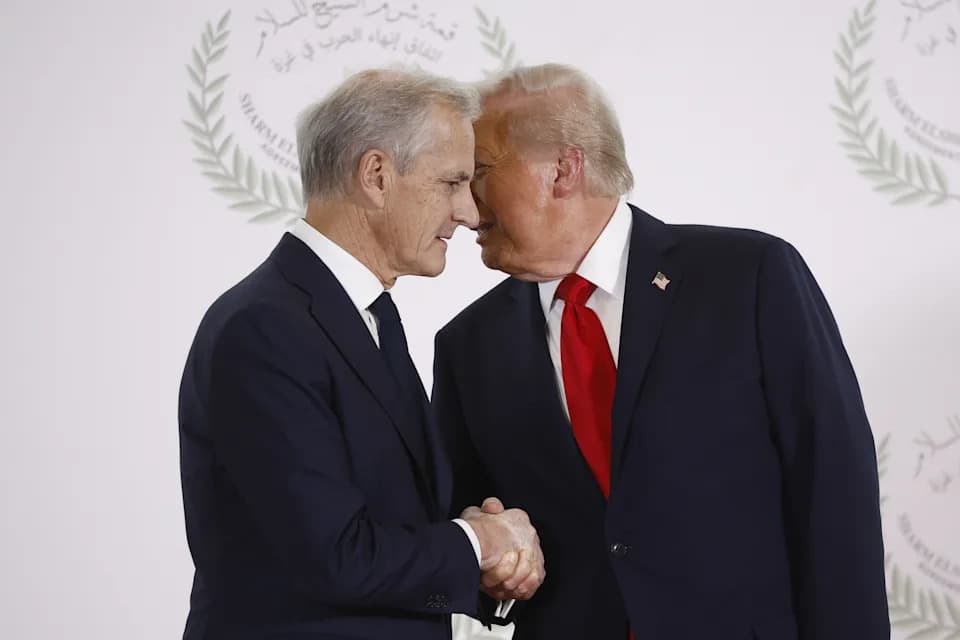
A coalition of northern European nations pledged in Hamburg to accelerate offshore wind development in the North Sea as part of a strategic effort to reduce dependence on foreign energy and strengthen Europe’s resilience to geopolitical threats.
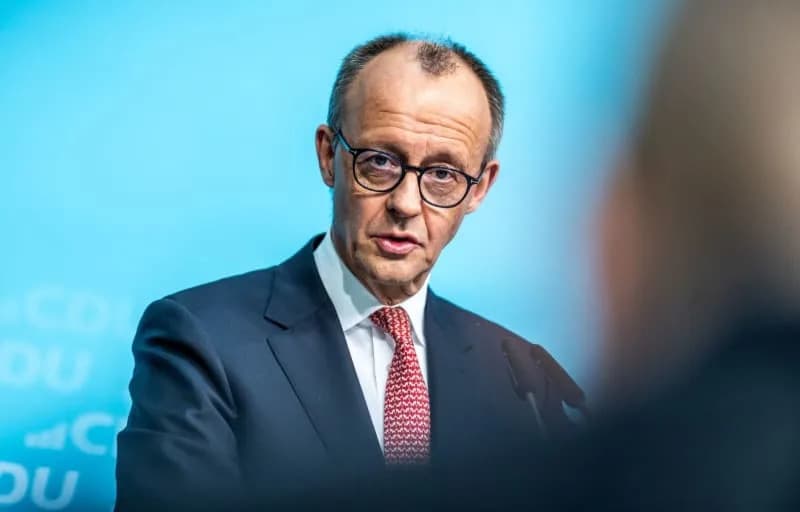
German Chancellor Friedrich Merz hosted the summit in the port city of Hamburg, where leaders from Germany, Denmark, Belgium, Britain, France, Norway and others agreed to scale up offshore wind capacity and transform the North Sea into what they called the world's largest clean energy reservoir.
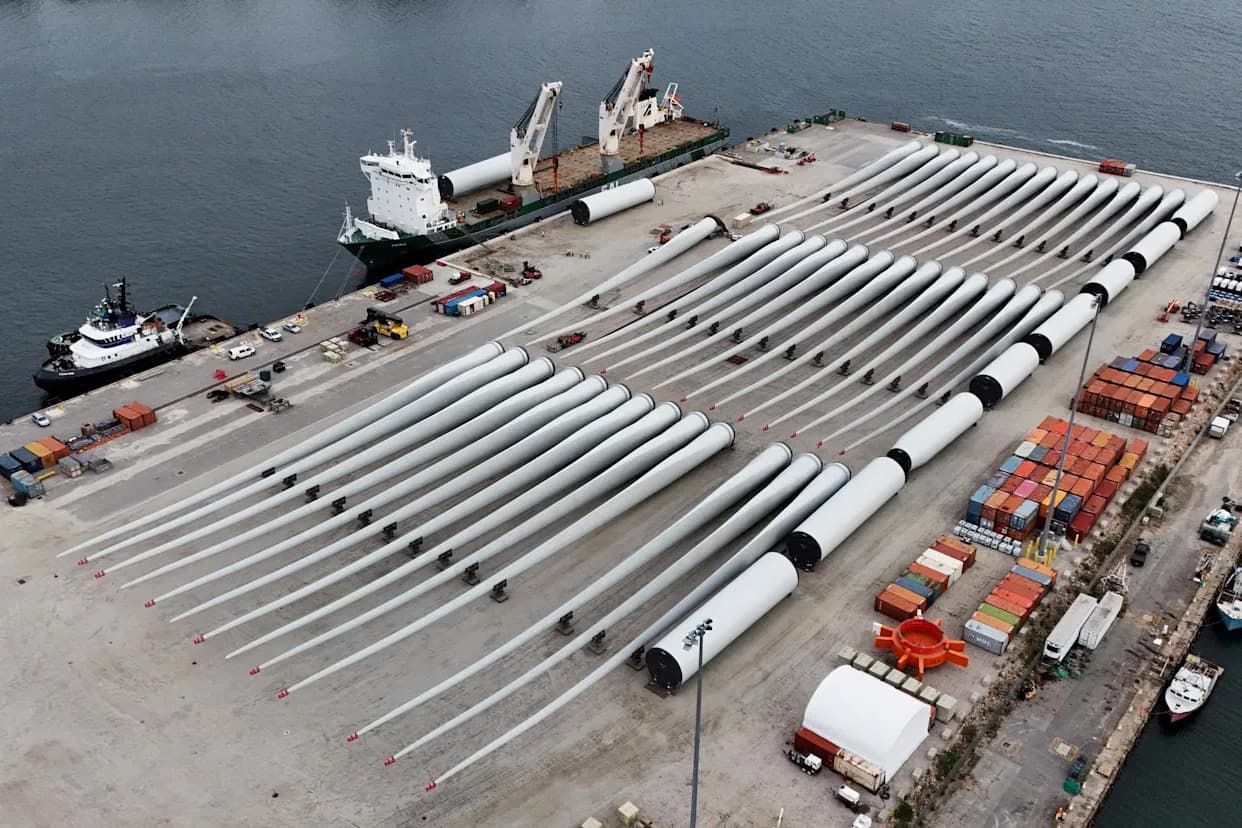
The partners committed to deploy an additional 100 gigawatts of wind turbines — a capacity officials estimate could power roughly 100 million homes — through a coordinated program of joint offshore projects and shared grid connections.
Bornholm Energy Island: Germany and Denmark unveiled a bilateral plan, the Bornholm Energy Island project, which will connect an extra 3 gigawatts of offshore wind capacity to both countries' grids and act as a local hub for wider North Sea interconnection.
'The North Sea is a harsh environment, but it offers great opportunities,' Merz said, emphasizing that a regional power hub would improve affordability, support the offshore industry and help Europe reach climate neutrality.
EU Energy Commissioner Dan Jorgensen described the pact as a 'very clear signal to Russia' and said the agreement aims to remove leverage that has been used to influence European policy since Moscow's 2022 invasion of Ukraine.
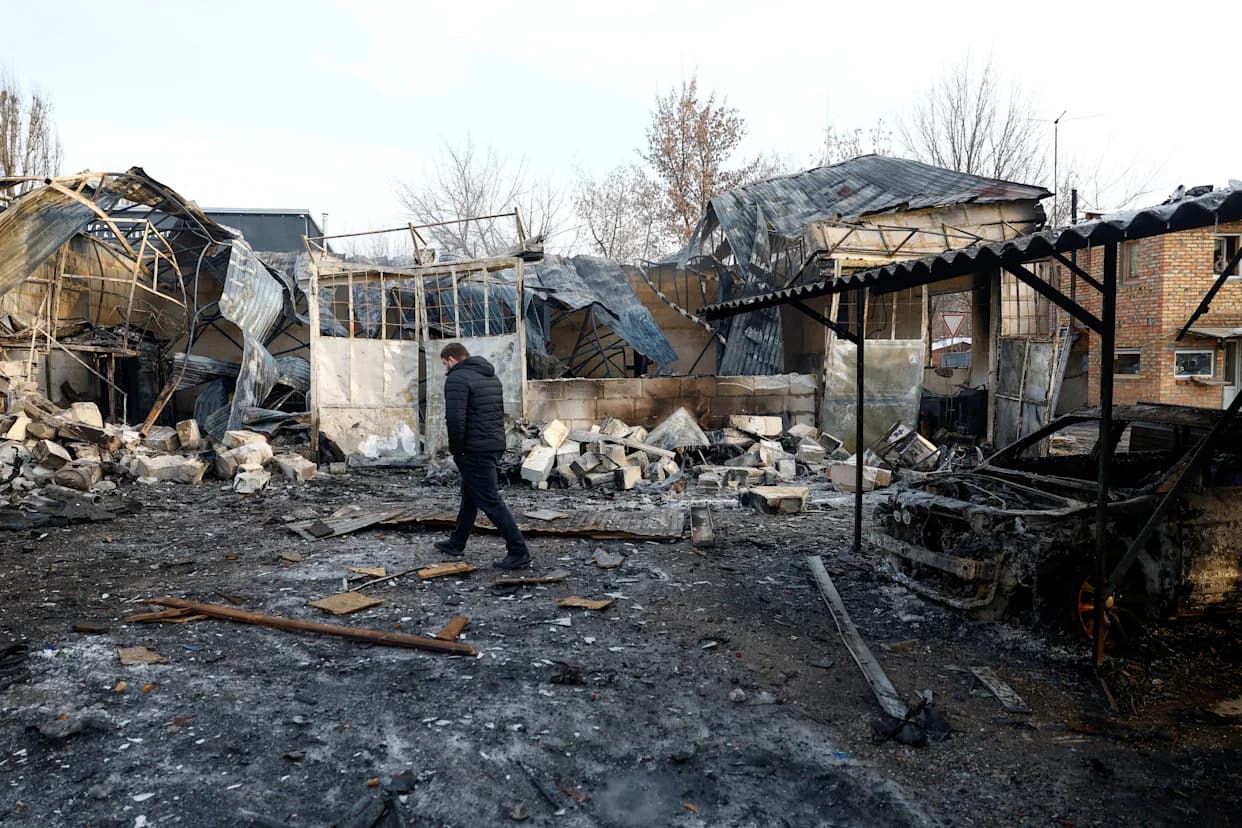
Officials also cited security concerns after a spate of incidents — from suspected sabotage of subsea infrastructure to unexplained drone flights — underscoring the desire for more resilient, decentralised energy systems.
Energy, Security and Diplomacy
Imports of US liquefied natural gas have partly replaced Russian pipeline gas in Europe. The announcement in Hamburg followed public comments by US politicians disparaging wind power; British Energy Secretary Ed Miliband pushed back, calling offshore wind 'absolutely critical for our energy security' and 'homegrown, clean energy that we control.'
Simon Skillings of think tank E3G said recent hybrid attacks and the Ukraine war show that 'a more dispersed infrastructure is more robust. You need multiple attacks rather than a single attack to knock out an energy supply.'
Arctic Tensions and Greenland
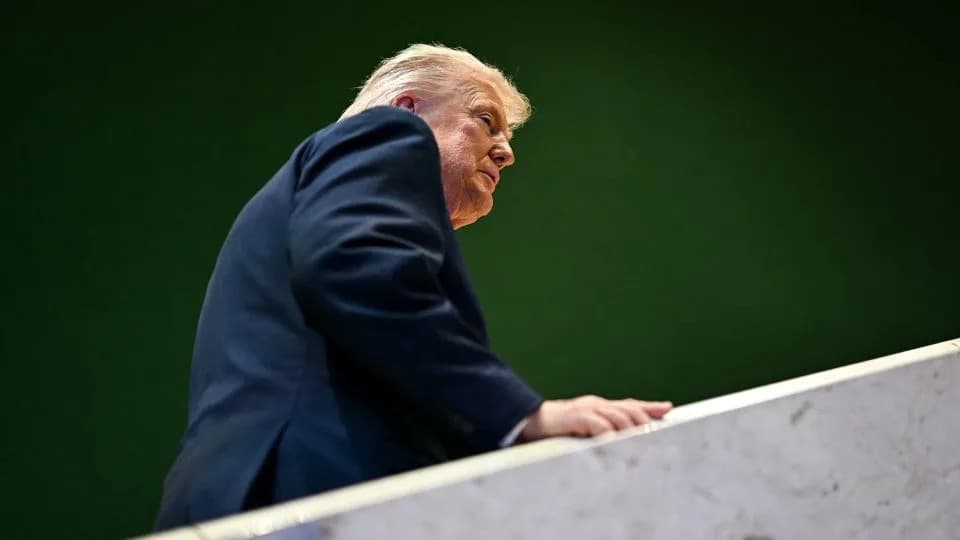
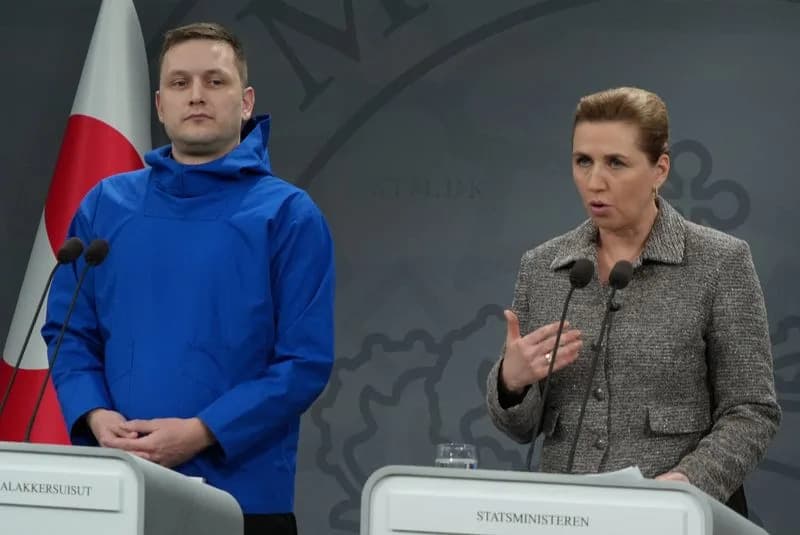
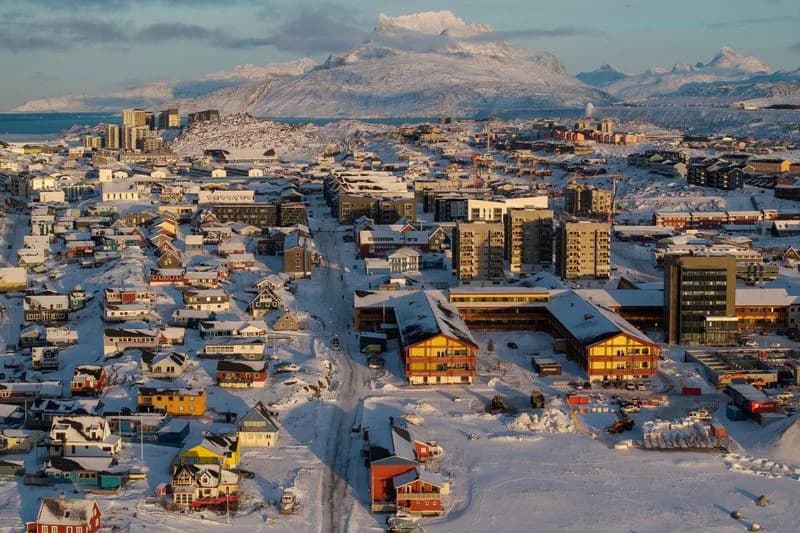
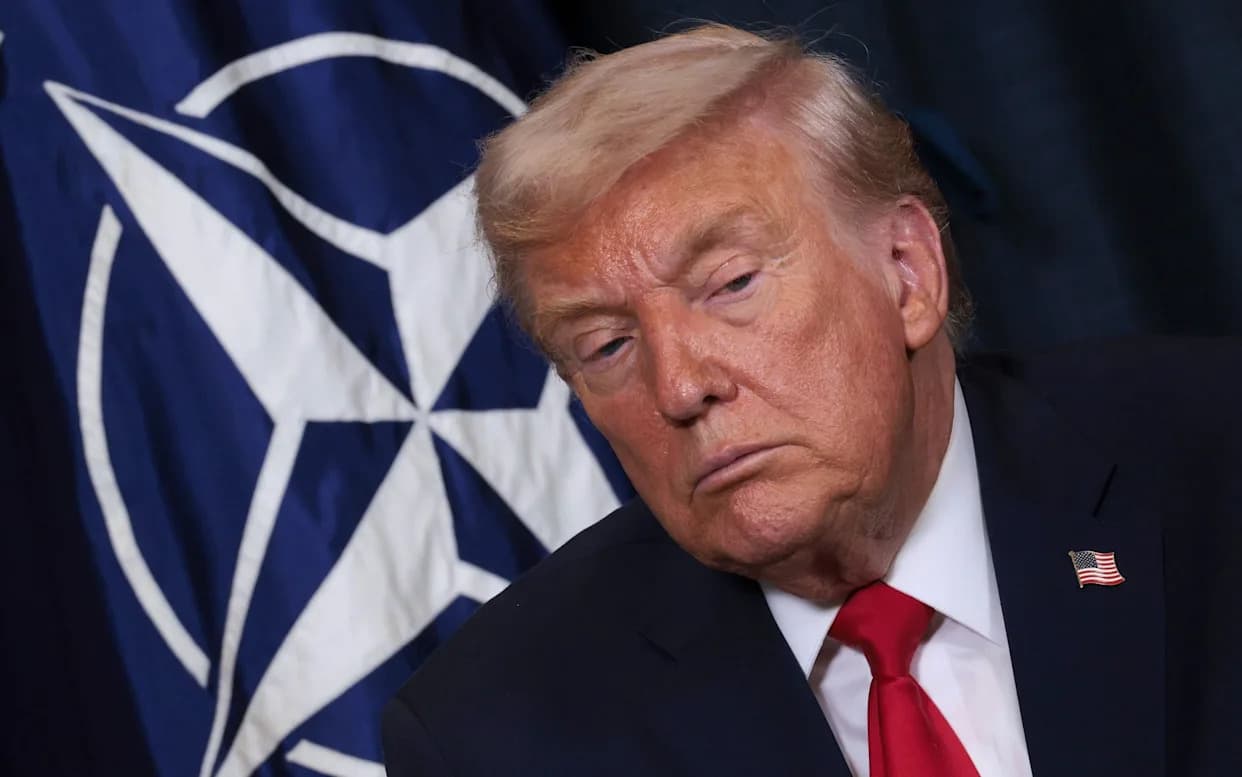
The talks took place amid continuing concern about Arctic security and tensions over Greenland after an earlier comment by former US President Donald Trump about seizing the island. Danish Prime Minister Mette Frederiksen, who visited Greenland ahead of the summit, said Europe must become more self-sufficient, competitive and independent.
Jorgensen added that while the EU seeks close trade ties with the US, it does not want to replace one dependency with another and aims to 'grow our own energy' and move toward becoming free of gas.
Leaders framed the North Sea wind push as serving three goals at once: boosting European energy independence, advancing climate commitments, and increasing the resilience of critical energy infrastructure.
Help us improve.