Recent North Sea studies indicate that offshore wind parks can act as unintended marine sanctuaries: turbine foundations provide hard substrate for reef-like communities, while fishing exclusions create refuges for species such as cod, lobsters and seals. Research highlighted in 2022 and initiatives like De Rijke Noordzee (2018) show recovery and colonization in wind-park zones. Nevertheless, concerns about construction noise, electromagnetic fields and disruptive decommissioning remain, so careful planning and monitoring are essential.
How Offshore Wind Parks in the North Sea Are Boosting Marine Life — Not Just Power
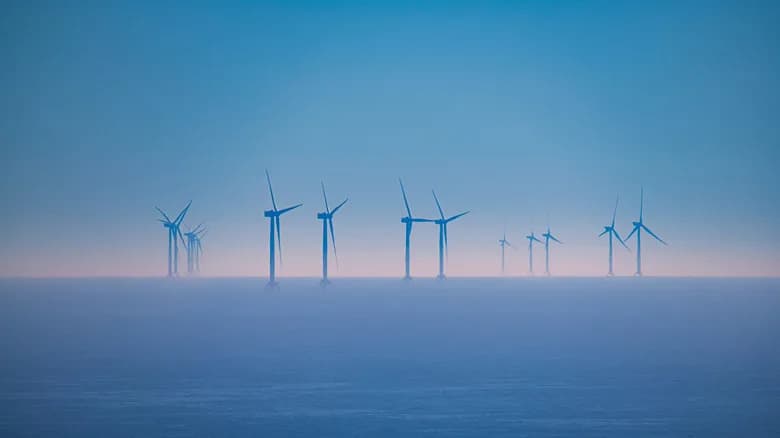
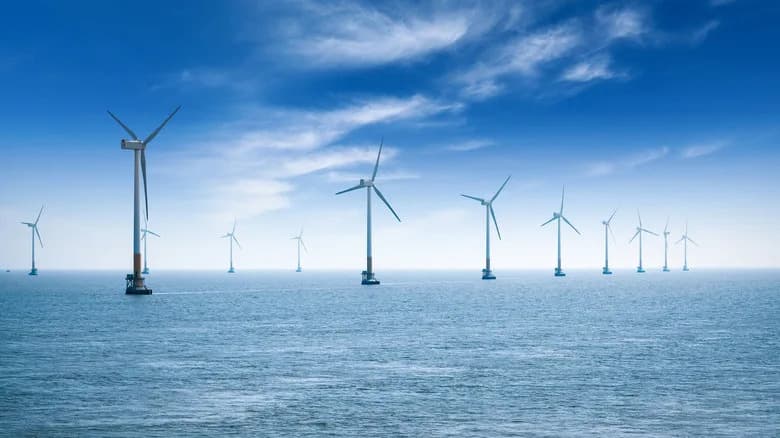
offshore windfarm in the distance, ocean water hidden by fog, sun setting/rising in the background - Fotogablitz/Getty Images
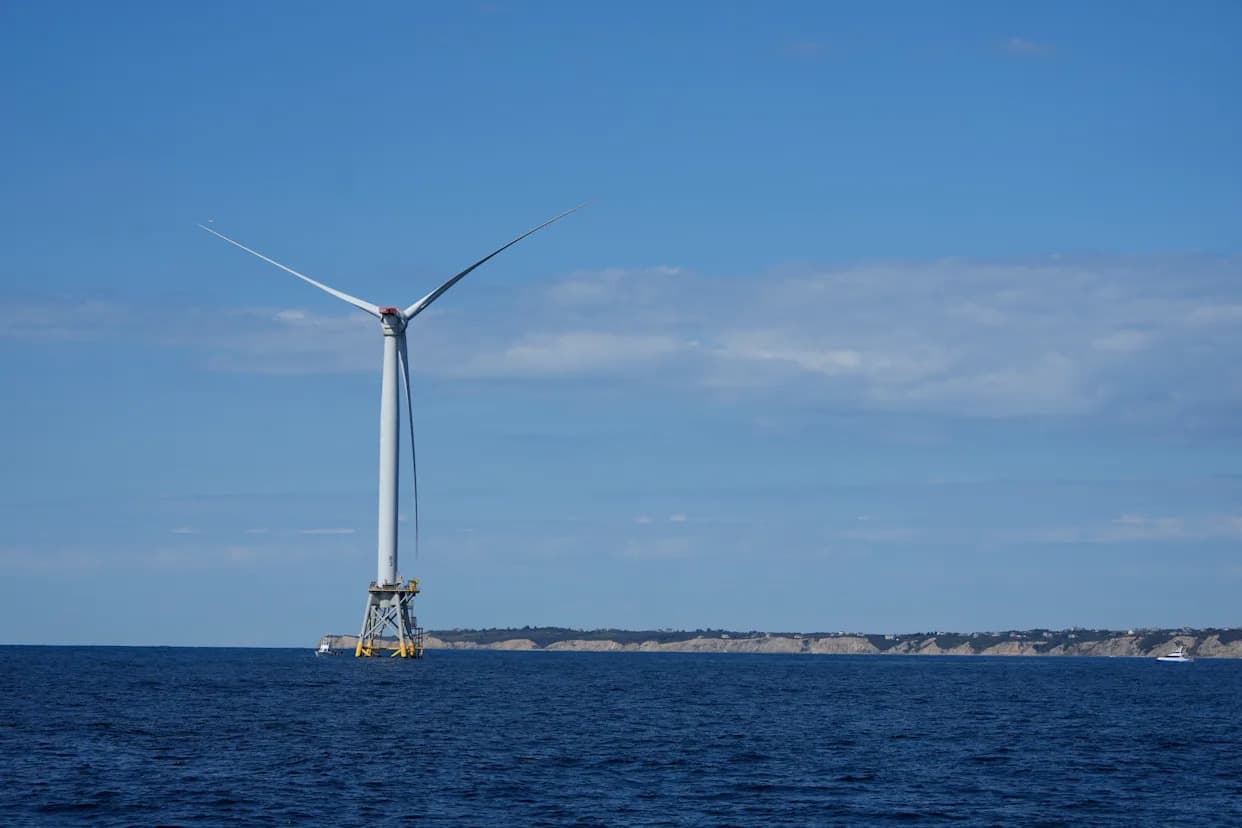
Offshore wind farms are usually discussed in terms of clean energy and visual impact, but recent research from the North Sea suggests they can also benefit marine ecosystems. Foundations and restricted-access zones created by wind parks are acting as new habitat and refuge for a range of species — from reef-building organisms to larger fish and seals — while also raising important environmental trade-offs that policymakers must manage.
Evidence From The North Sea
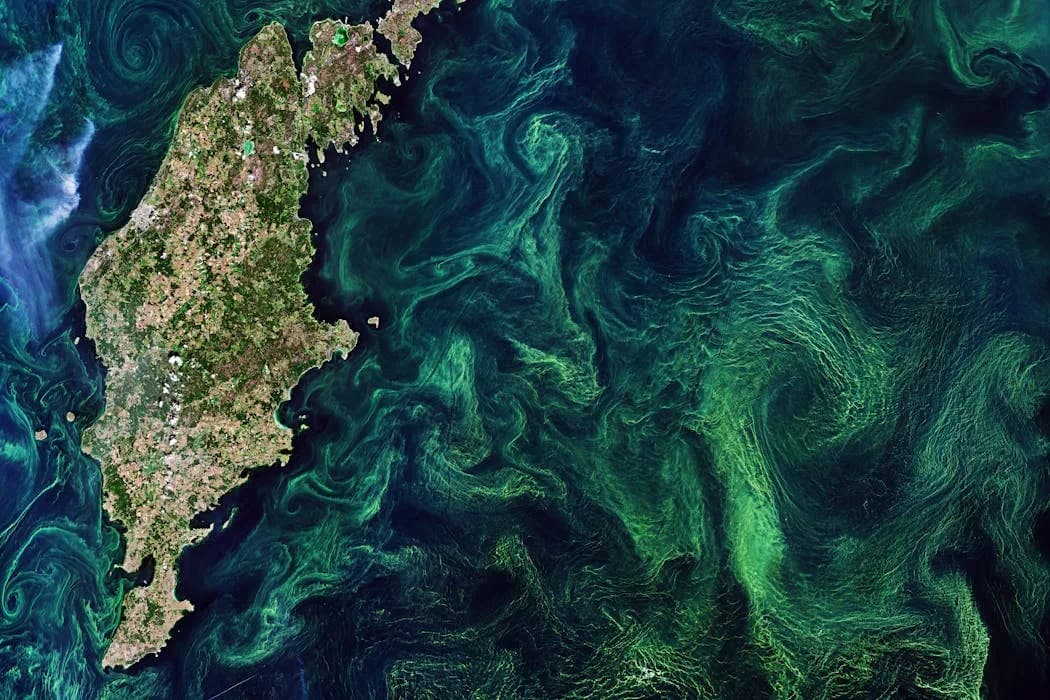
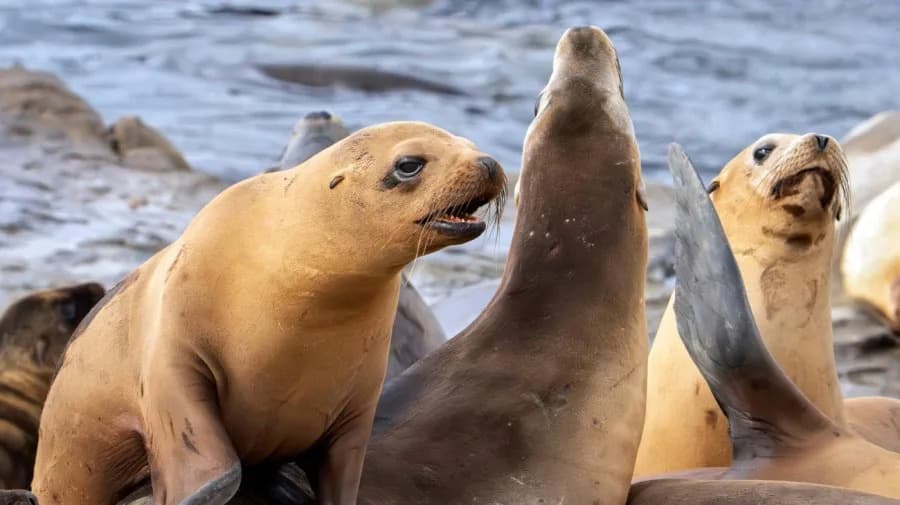
Public attention shifted in 2022 after an investigation in The Anthropocene highlighted data from marine scientists working across the North Sea. Those findings indicate that wind parks are functioning as de facto protected areas, supporting species recovery for animals such as great seals and North Sea cod. Researchers documented reef-like communities forming on turbine foundations and recorded expanding lobster populations in protected wind-park zones.
"Wind parks can create new hard-substrate habitat and de facto no-take areas, allowing certain species to recolonize and grow."
Why Turbines Can Help Marine Life
There are two main mechanisms by which wind parks appear to benefit marine ecosystems:
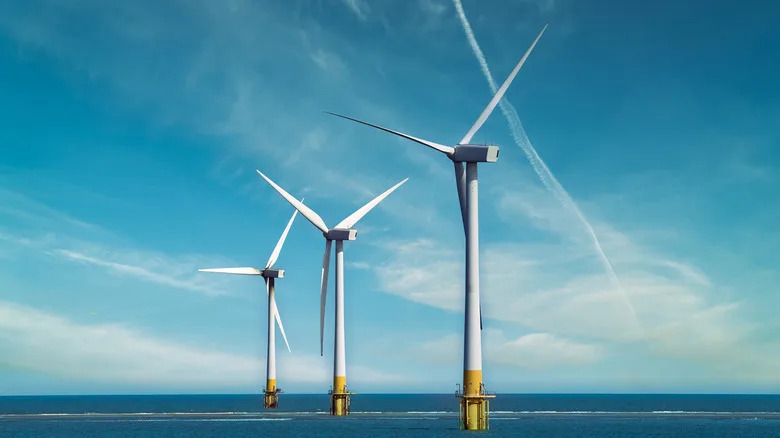
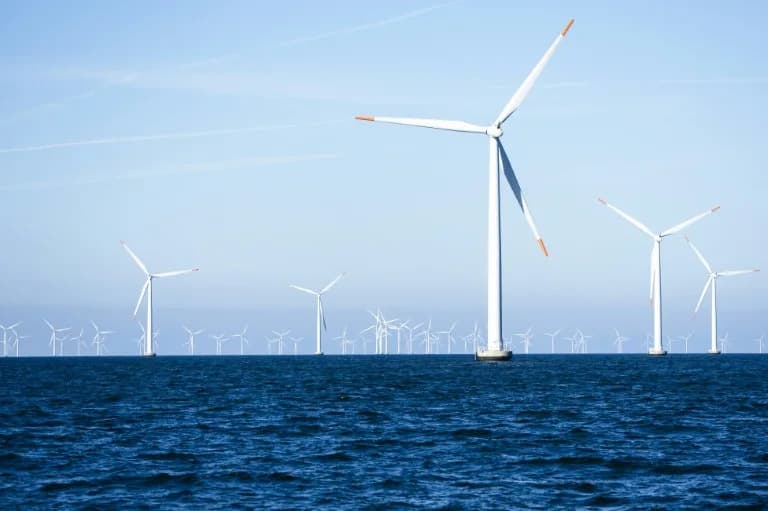
offshore wind turbines in a row, streaks of clouds across the sky in background - Igors Aleksejevs/Getty Images
- New Substrate: Turbine foundations provide hard surfaces for algae, barnacles, and other organisms to attach and form reef-like communities that attract fish and invertebrates.
- Reduced Fishing Pressure: Many wind parks restrict access to fishing vessels, creating effective refuges where overfished populations can recover.
Known Concerns And Trade-Offs
Concerns remain and deserve careful attention. Construction noise, operational underwater sound, and electromagnetic fields from subsea cables could affect navigation, prey detection, or behavior in some species. Decommissioning or replacing large monopiles can be expensive and disruptive to sediments and benthic communities if not managed correctly. These trade-offs mean planners must combine ecological monitoring with adaptive mitigation strategies.
Scaling Lessons And Future Tools
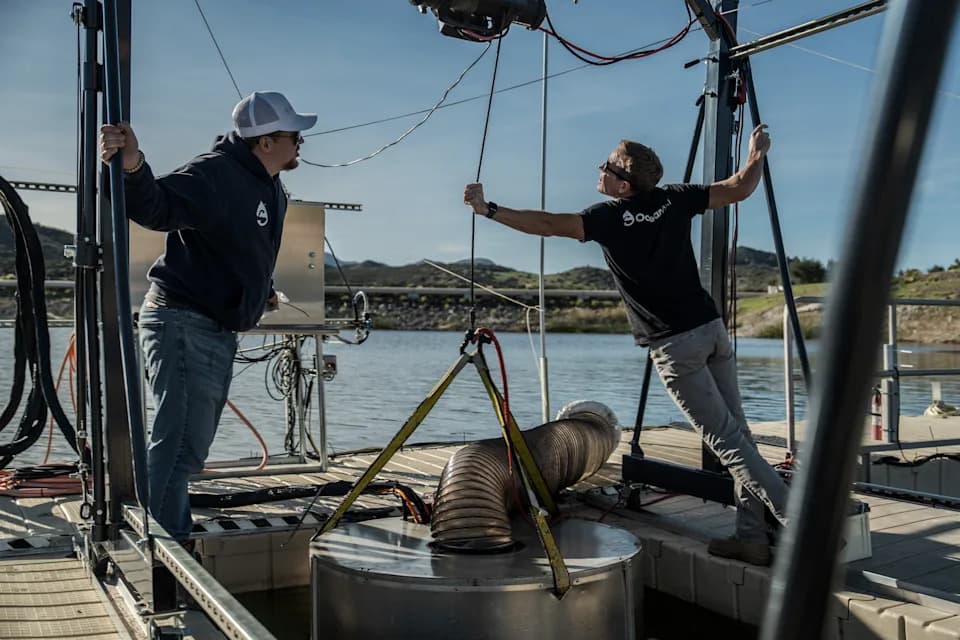
The observed ecological benefits in the North Sea are influencing projects elsewhere: North America launched its first large-scale offshore wind operation in 2024, and designers are increasingly considering biodiversity outcomes when planning arrays. Emerging ideas — including deliberate placement of artificial reefs and experimental technologies such as self-healing barriers demonstrated in 2024 — could amplify positive effects if integrated thoughtfully.
Outlook
Programs like De Rijke Noordzee (launched in 2018) are expected to expand. With careful design, ongoing monitoring, and measures to reduce noise and electromagnetic impacts, wind parks could become a dual solution: contributing to decarbonization while offering locally improved habitat for marine life. Continued research will be essential to confirm benefits, quantify trade-offs, and guide best practices.
Help us improve.