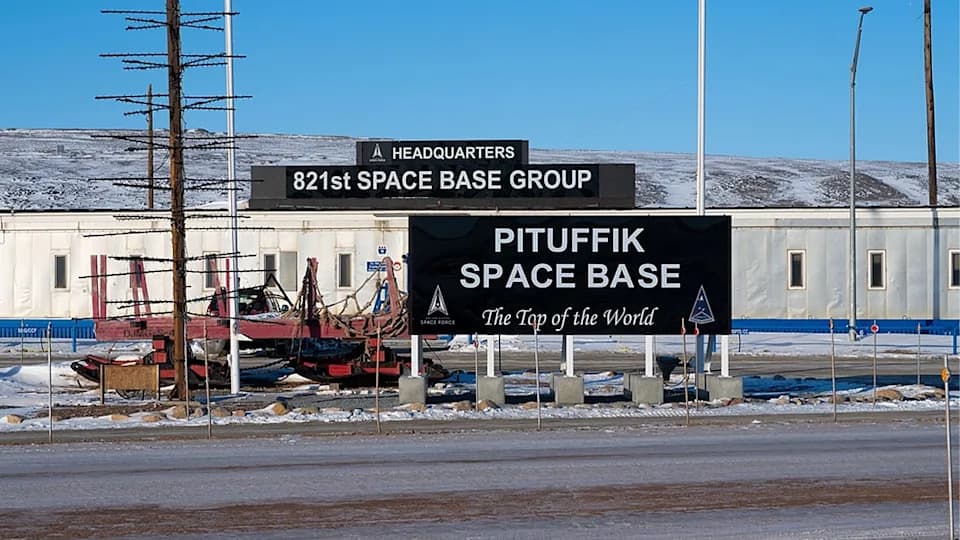
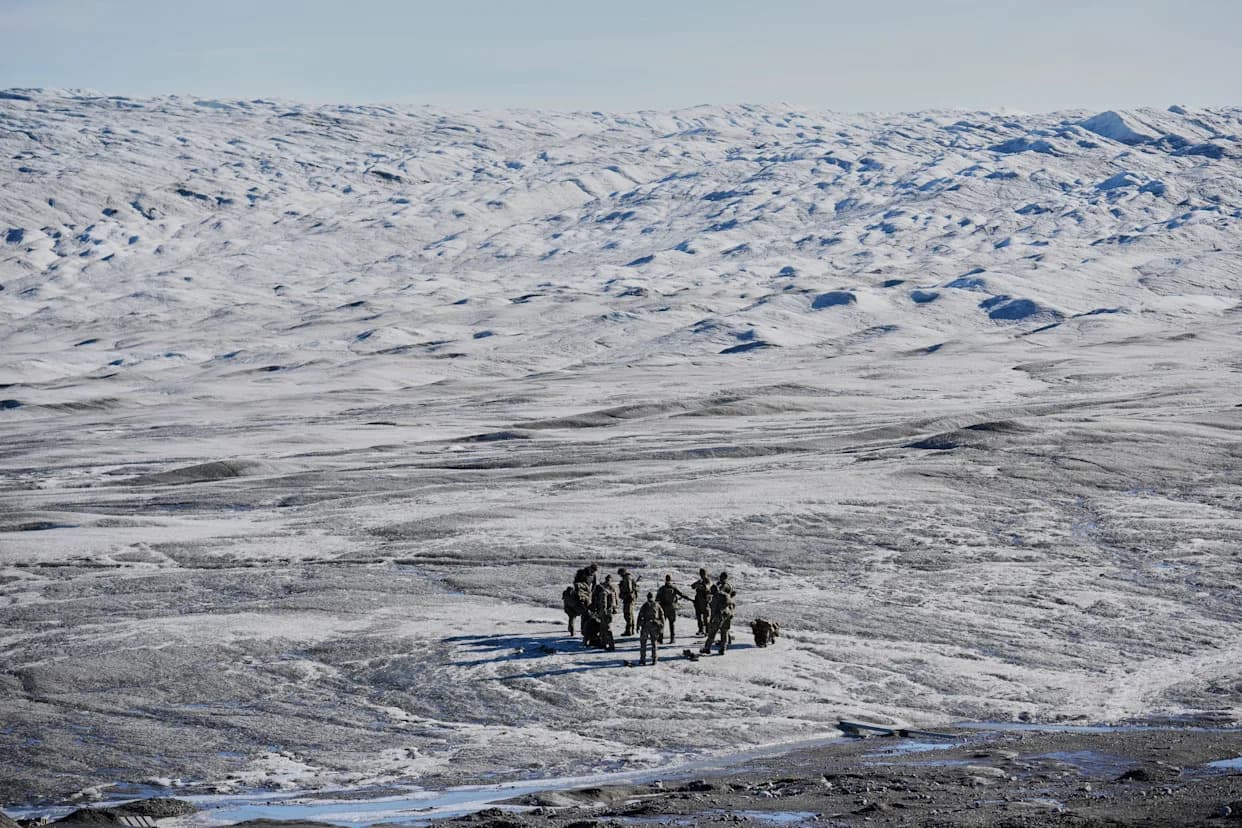
Greenland's strategic value is rising as Arctic sea ice melts, opening northern shipping routes that can cut transit times and costs dramatically. The U.S. has expressed renewed interest in the island, but Greenland's government has firmly rejected any takeover. Studies from the Arctic Institute and the Middlebury Institute highlight large time and cost savings on Europe–Asia voyages, while NOAA modeling predicts expanding navigability and the potential for polar-class ships to cross the North Pole by 2059.
Why Greenland Matters: Melting Arctic Ice, New Shipping Routes, and Growing Strategic Stakes
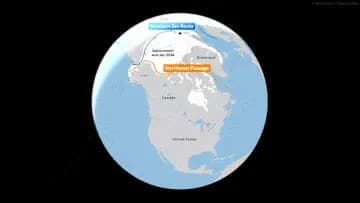
Arctic sea routes / Credit: CBS News
President Donald Trump has repeatedly proposed that the United States take control of Greenland, at times saying military options are not off the table and asserting he intends to make the semi-autonomous Danish territory part of the U.S. "one way or the other." Greenland's elected leaders have firmly rejected any takeover, with the government calling the proposal something it "cannot accept under any circumstance."
Why Greenland Is Strategic
Beyond the political dispute, Greenland's importance stems from both its vast natural resources and its location. The island contains deposits of oil, natural gas and rare earth minerals, and its long coastline borders key Arctic shipping corridors. As sea ice retreats, Greenland's geographic position increasingly shapes global trade, resource access and strategic calculations among major powers.
New Maritime Routes And Economic Impact
Warming oceans and shrinking winter ice are making northern sea corridors more navigable. The Northern Sea Route — which runs along Eurasia's Arctic coast and skirts Greenland's maritime approaches — can dramatically shorten voyages between Europe and Asia. The Arctic Institute estimates the route can cut costs by as much as 50% when fuel and other expenses are considered. For example, a Japan-to-Europe voyage can take roughly 10 days via the north versus about 22 days via traditional southern routes that use the Suez Canal.
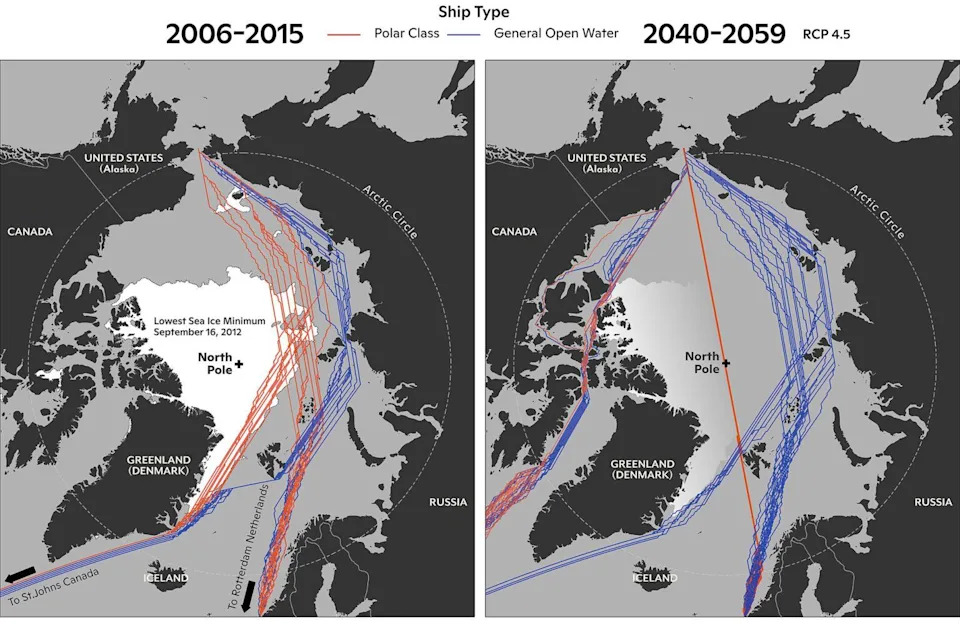
Graphics shared by the U.S. National Oceanic and Atmospheric Administration in 2022 show the sea routes through the Arctic that are expected to become viable to regular vessels (in blue) and polar-class vessels (in red) around Greenland over the coming decades. / Credit: NOAA
In February 2021 a Russian commercial vessel, escorted by an icebreaker, completed a winter transit of northern passages, demonstrating growing accessibility. Since then, more Russian and Chinese ships have increasingly used these northern routes. A 2024 analysis by the Middlebury Institute of International Studies similarly found that a Shanghai-to-Rotterdam journey could be shortened by about 10 days when using northern passages.
Security, Sovereignty And Future Projections
Increased traffic and easier access heighten the strategic value of Greenland's coastline. Control or influence over Arctic passages affects military logistics, energy security and the ability to protect or exploit resources. The U.S. interest in Greenland is shaped by these strategic dynamics as well as concerns about rival activity by China and Russia.
Modeling shared by the U.S. National Oceanic and Atmospheric Administration (NOAA) in 2022 projects a significant rise in feasible voyages along Greenland's coasts for both ice-strengthened polar-class vessels and ordinary open-water ships. NOAA's scenarios even indicate that, as sea-ice formation declines, a polar-class vessel could likely traverse a direct route across the North Pole by about 2059.
Greenlandic Response: Greenland's government and elected representatives have rejected proposals to cede territory, stressing sovereignty and saying the idea of a U.S. takeover is unacceptable.
As Arctic conditions change, Greenland will remain central to debates over commerce, climate, resources and geopolitics — and any proposals about its future will be shaped by its people and their democratic institutions.
Help us improve.