The IODP Expedition 501 has for the first time directly documented and sampled freshened groundwater about 200 metres below the seafloor off New England. Sediment cores confirm offshore freshwater systems preserved in both sandy aquifers and surrounding low-permeability aquitards. Estimates suggest nearly 1,300 km³ of freshwater could be sequestered along the Atlantic margin between New Jersey and Maine, and roughly 40 researchers from 13 countries are continuing analyses to study water chemistry, ages and ecosystem impacts.
Hidden Freshwater Beneath the Seafloor: Expedition 501 Confirms Vast Offshore Reserves
Scientific expedition confirms vast freshwater reserve beneath ocean floor
An international scientific team has, for the first time, extensively documented large volumes of freshened groundwater roughly 200 metres beneath the seafloor off New England. The discovery provides direct evidence of offshore freshwater systems that were long suspected but rarely sampled.
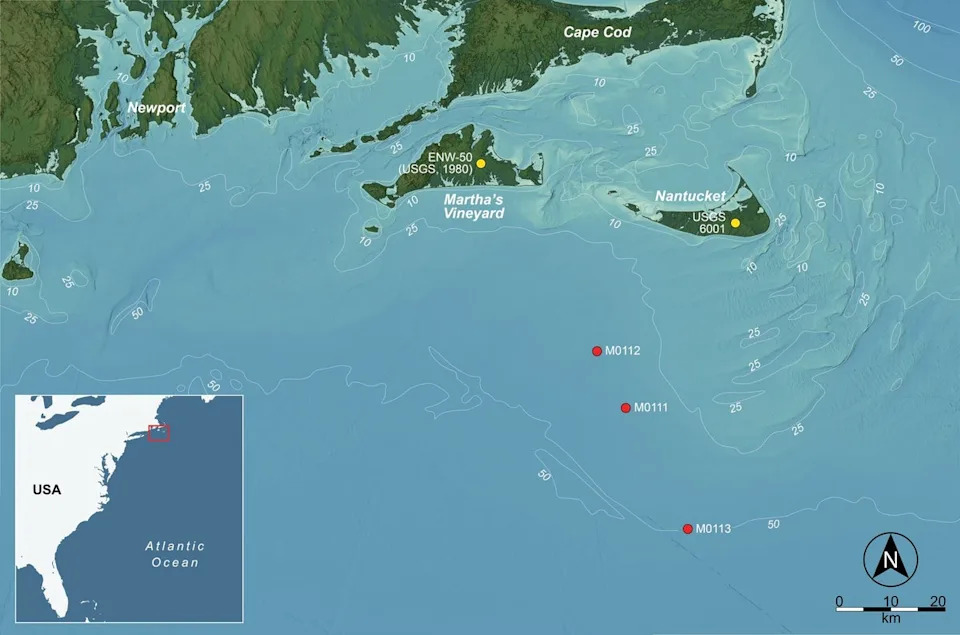
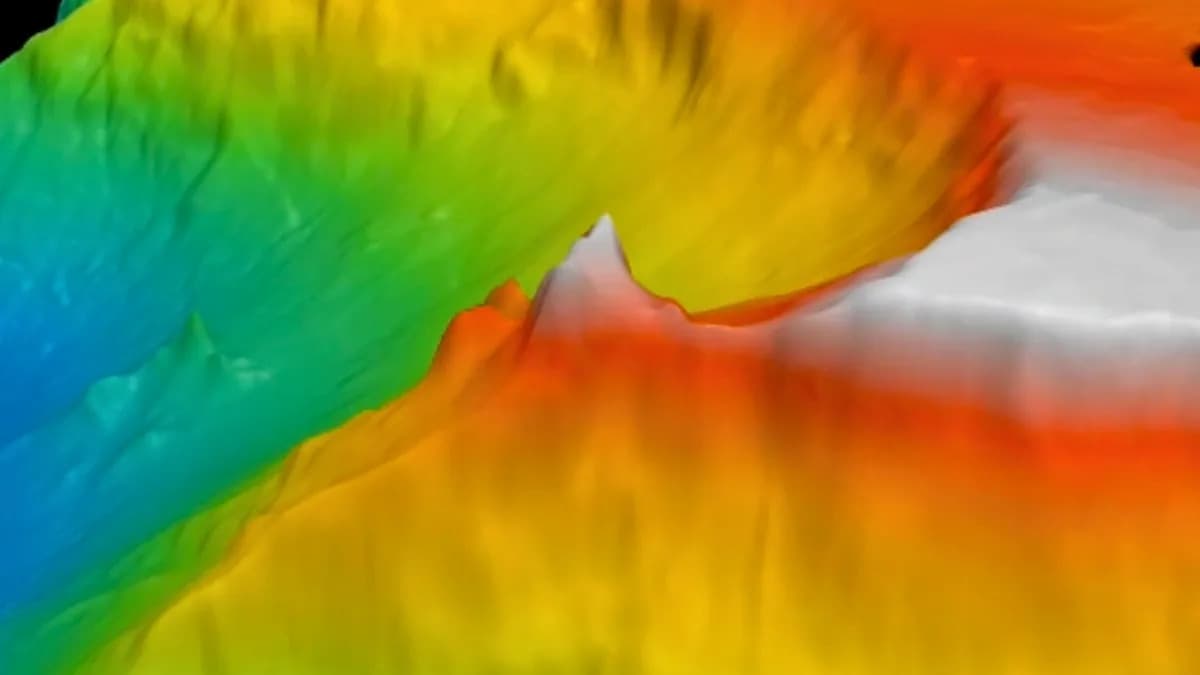
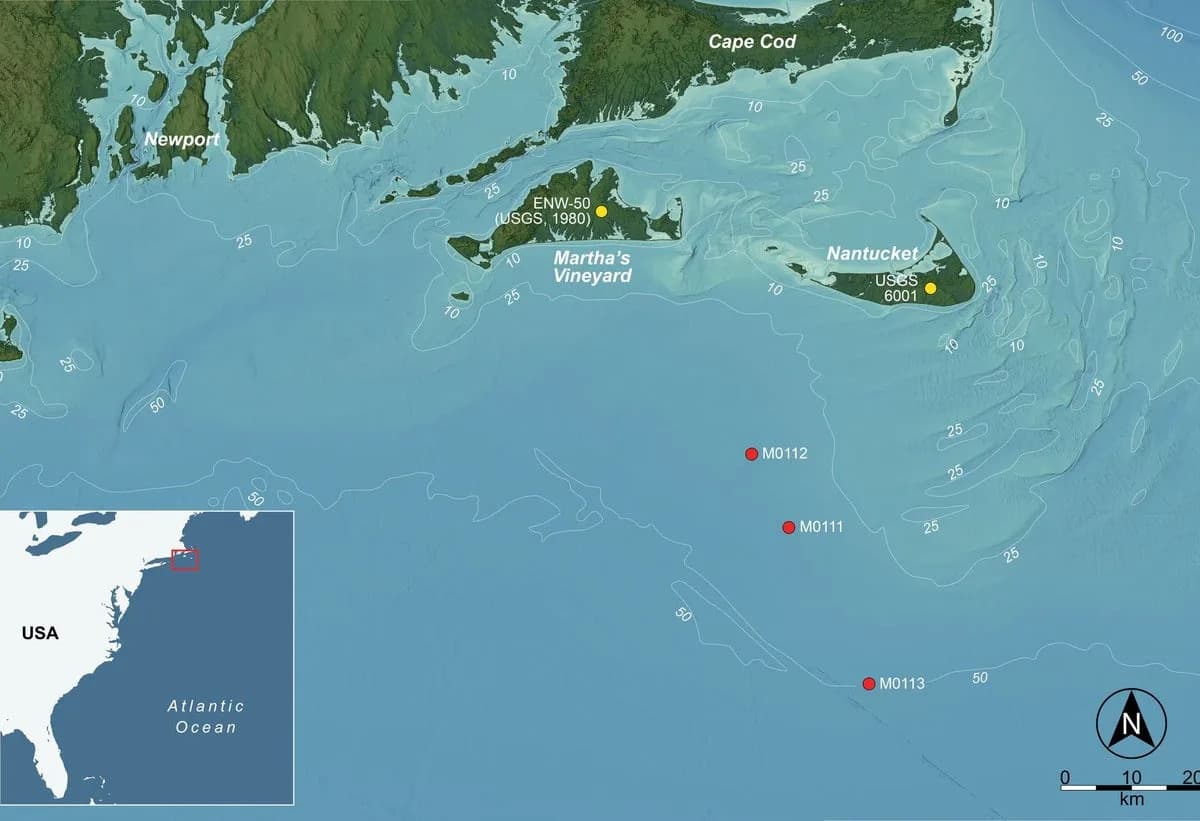
Sites where sediment samples were taken (European Consortium for Ocean Drilling Research)
Although water covers nearly 70% of Earth's surface, substantial amounts are also stored underground in aquifers. Many coastal communities rely on those groundwater supplies, and scientists have for years suspected that some aquifers extend offshore as zones of freshened or slightly brackish water beneath the seafloor.
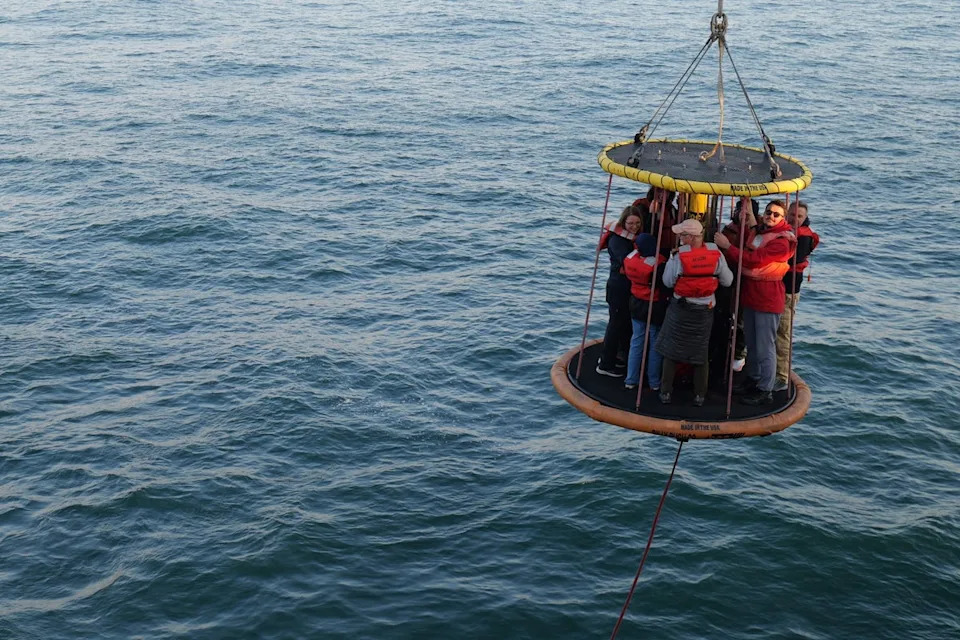
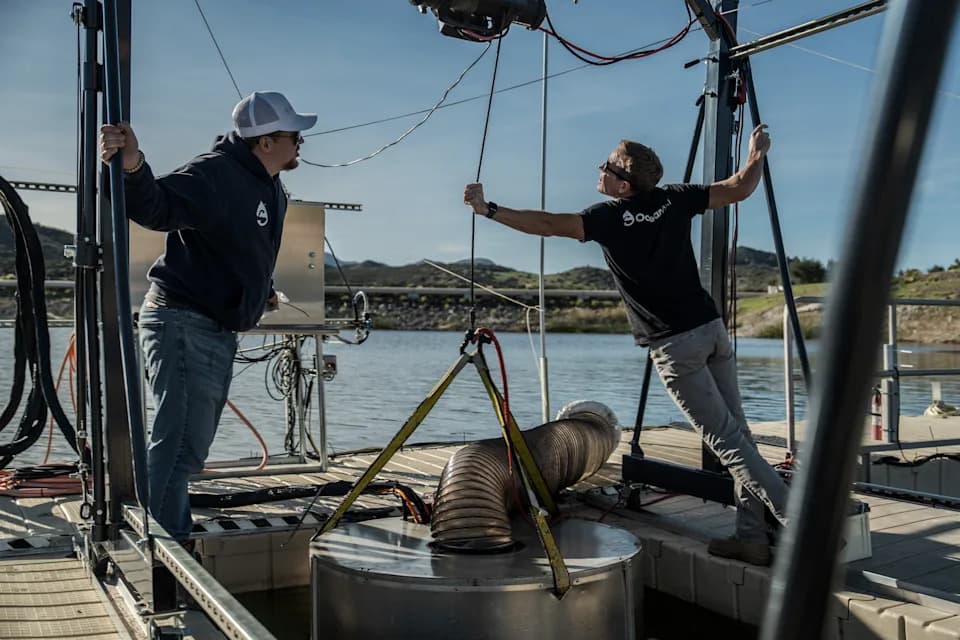
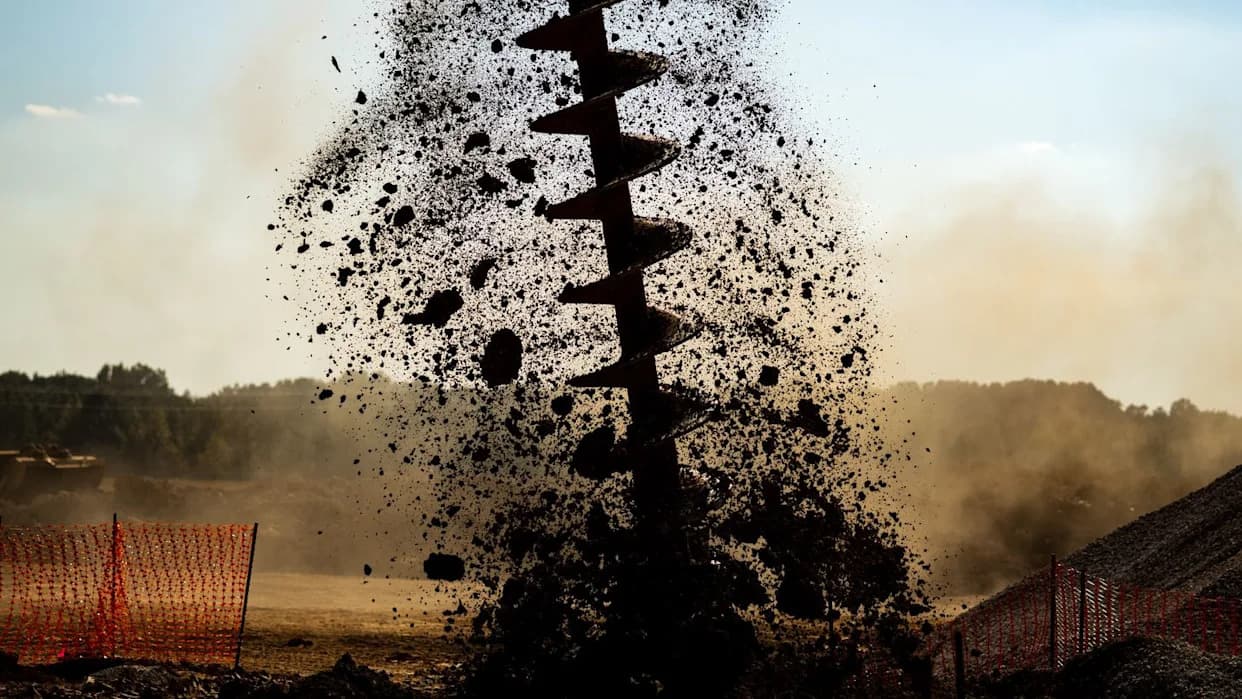
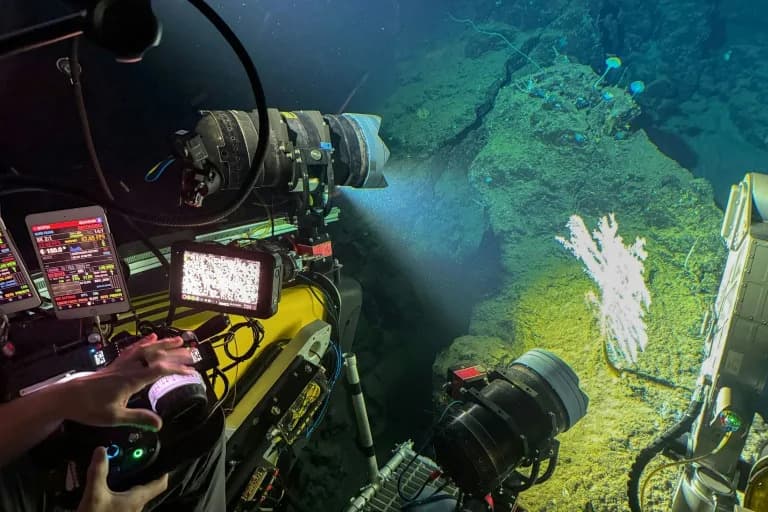
International Ocean Discovery Programme Expedition 501 took sediment samples from beneath the ocean floor off the coast of New England (European Consortium for Ocean Drilling Research)
The International Ocean Discovery Programme (IODP) Expedition 501 retrieved sediment cores and documented freshened water horizons about 200 m below the seafloor. These cores — the first direct confirmation for this region — show freshened water preserved in multiple sediment types seaward of New England.
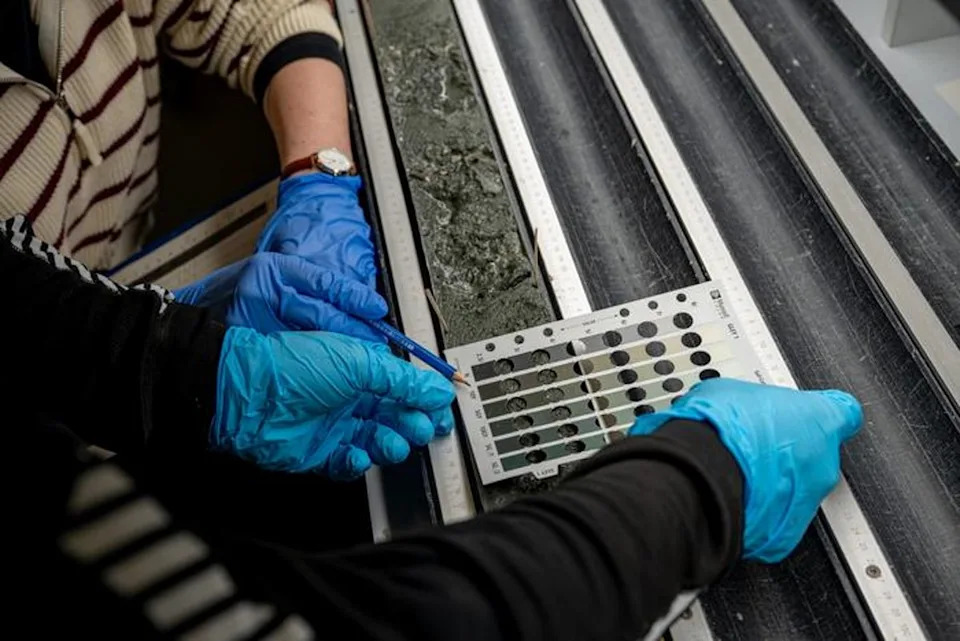
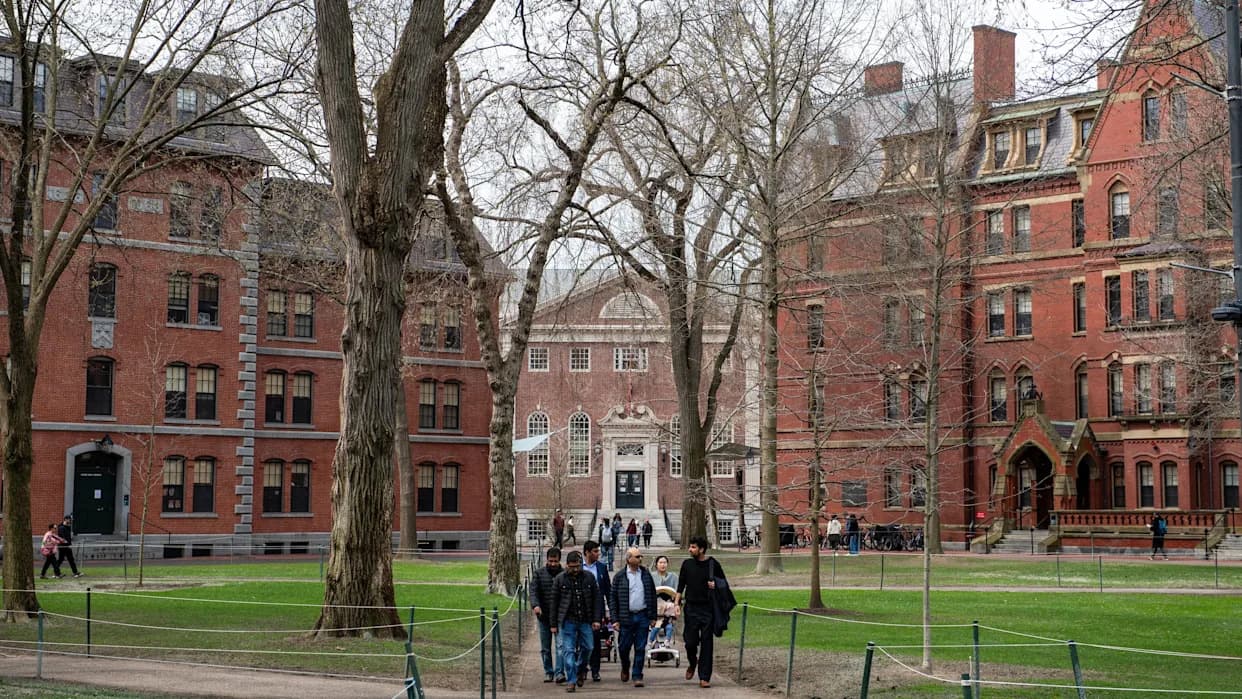
Scientists use Soil Colour Chart to describe sediment cores in colour and structure (European Consortium for Ocean Drilling Research)
Key Findings
Sediment analyses indicate freshened water occupies both permeable sandy layers that can act as offshore aquifers and surrounding low-permeability layers (aquitards) that help trap the water in place. Freshened water was identified in both marine and terrestrial-derived sediments, increasing understanding of the range of environments that can host buried freshwater.
Brandon Dugan, a geologist at the Colorado School of Mines, said the team was excited to find freshened water in multiple kinds of sediments, both marine and terrestrial. He noted that those observations will help clarify the processes that emplaced and preserved the water.
Estimates suggest there may be nearly 1,300 cubic kilometres of sequestered freshwater along the Atlantic continental margin between New Jersey and Maine. For scale, New York City uses about 1.5 cubic kilometres of freshwater annually — roughly 1.5 trillion litres.
Expedition 501 introduced new tools, methods and collaborations across the ocean-drilling community. About 40 researchers from 13 countries are analysing cores and planning to sample pore waters directly from sandy aquifers and surrounding aquitards to characterise water chemistry, age and connectivity.
Sarah Davies, a sedimentologist at the University of Leicester, emphasized that the expedition's innovations and international collaboration are already revealing an exciting story about how nutrients cycle through continental-shelf sediments and how those cycles may influence coastal and ocean ecosystems.
Ongoing onshore investigations and water sampling will aim to determine how these buried freshwater reserves formed, how long they have been trapped, whether they are connected to onshore aquifers, and what role they play in coastal water resources and marine biogeochemistry.
Help us improve.