The Trump administration issued December stop‑work orders for five East Coast offshore wind projects citing national security concerns, but federal judges allowed construction to resume on four of them: Vineyard Wind, Coastal Virginia Offshore Wind, Empire Wind 1 and Revolution Wind. Together these projects will add nearly 5 GW — roughly enough to power 3.5 million homes — and are considered vital for northeastern grid reliability and emissions targets. Industry advocates say the national security rationale is a pretext influenced by fossil‑fuel‑funded opposition, and warn that policy instability and cuts to tax incentives have sharply reduced future project forecasts. While courts cleared near‑term legal hurdles, experts say new projects are unlikely until federal policy and permitting stabilize; developers are working with supportive states in the meantime.
Courts Allow Four Major Offshore Wind Projects to Restart — What It Means for U.S. Clean Energy
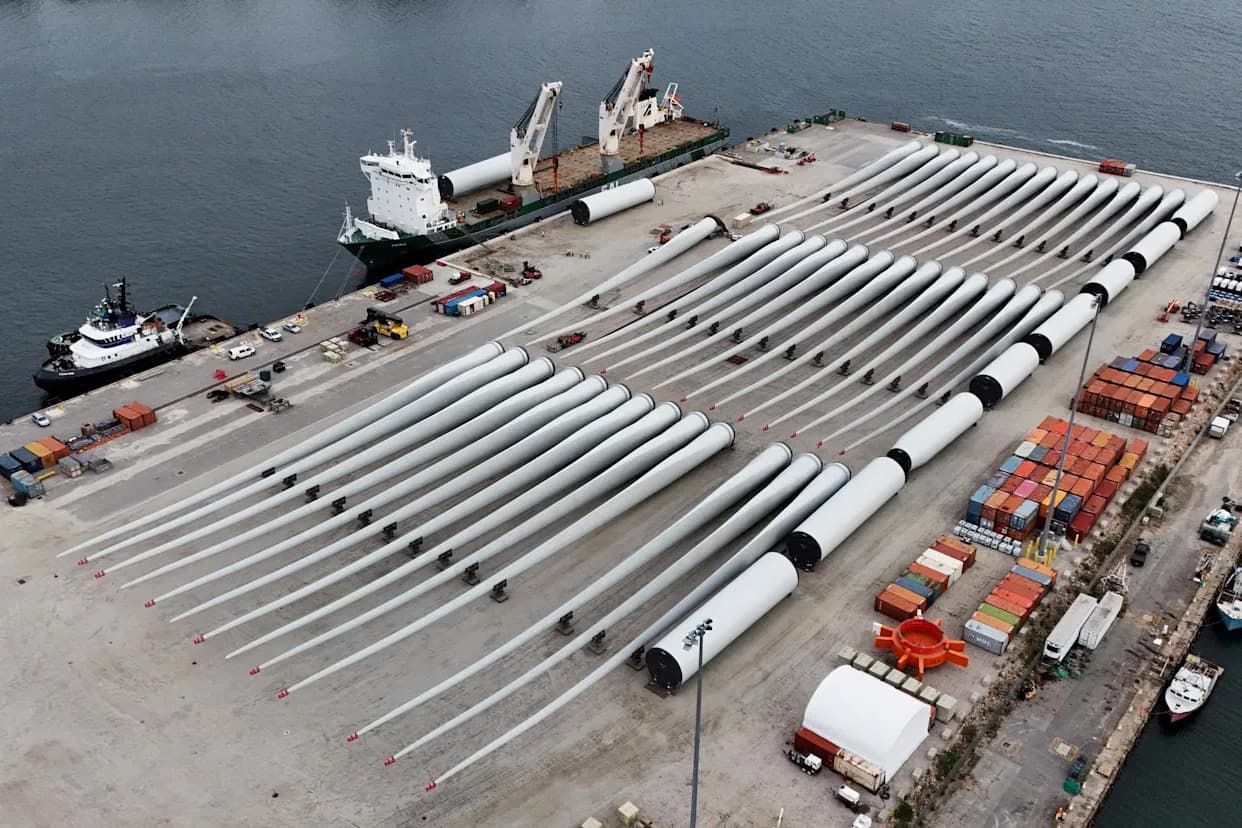
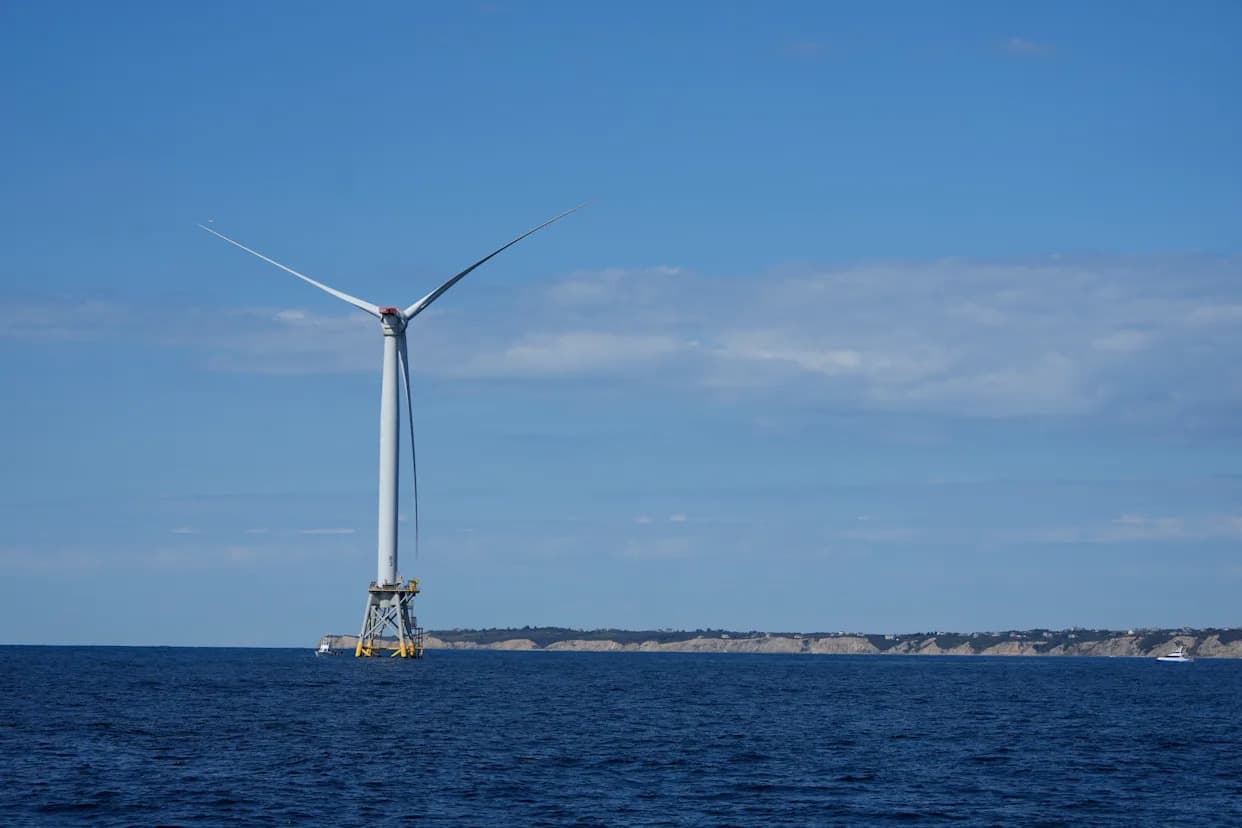
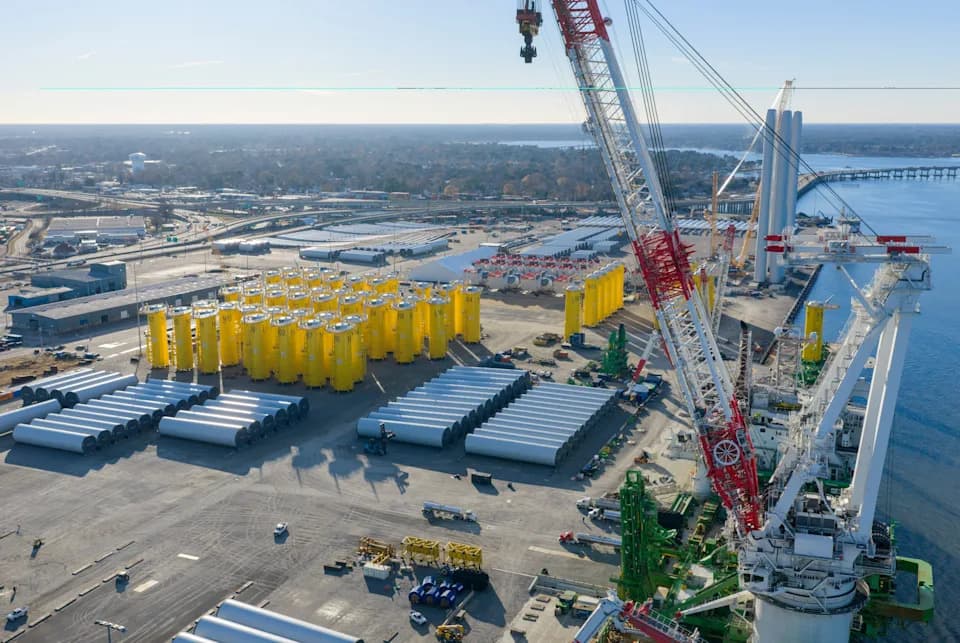
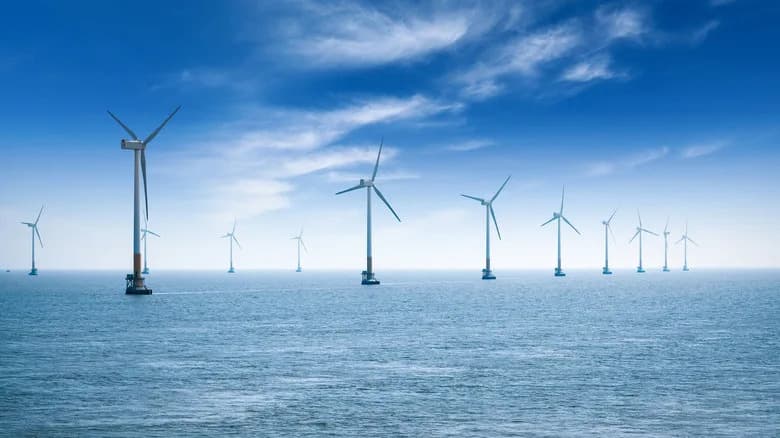
Construction on four large East Coast offshore wind projects has resumed after federal judges overturned December stop‑work orders issued by the Trump administration, a decision industry advocates hail as a legal win for clean energy amid a broader campaign to curb wind development.
Why These Projects Matter
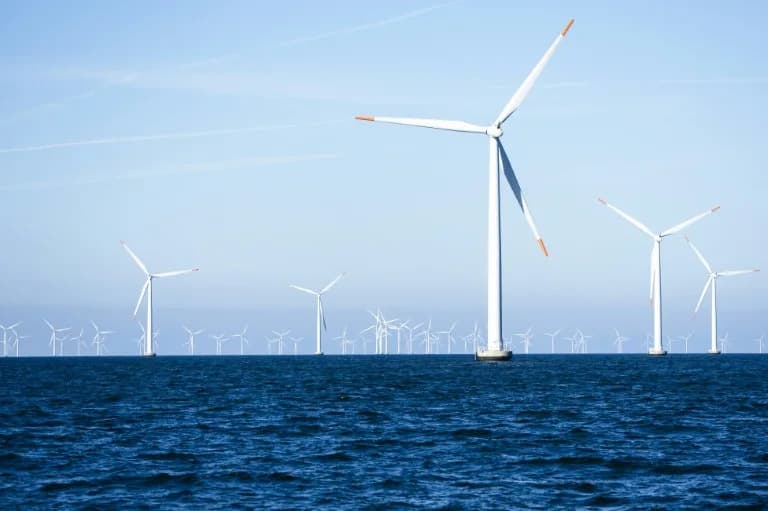
Together, Vineyard Wind, Coastal Virginia Offshore Wind, Empire Wind 1 and Revolution Wind will deliver nearly 5 gigawatts of generation to the East Coast — roughly enough to power 3.5 million homes. Grid operators and planners say those projects are critical to winter reliability and to meeting ambitious state emissions targets in the Northeast, where offshore wind is the only renewable resource that can be deployed at the necessary scale and speed.
The Legal Fight
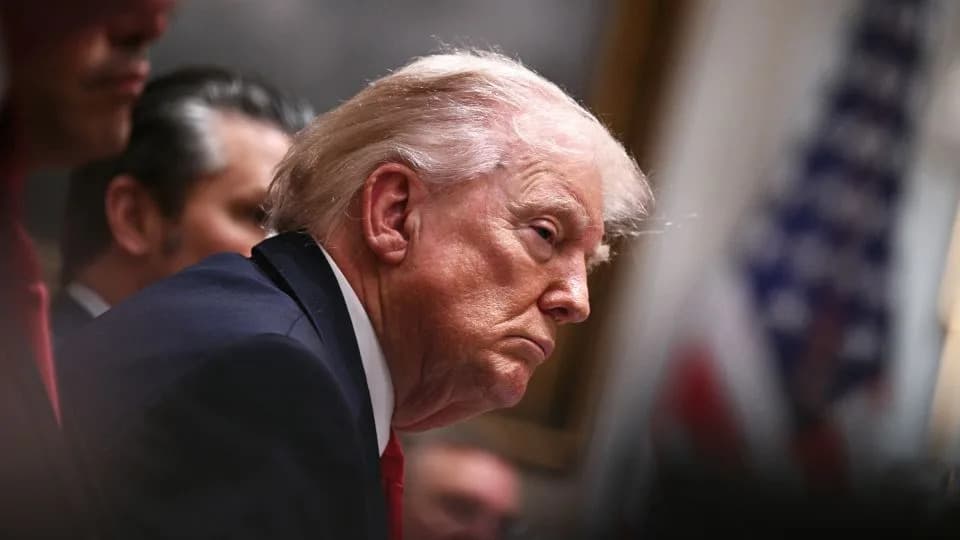
In December, the administration issued stop‑work directives for five East Coast projects, citing "reasons of national security," including concerns that turbines could interfere with military radar. In mid‑January, judges in multiple jurisdictions rejected those arguments and allowed construction to proceed on four projects. The fifth, Sunrise Wind, remains under legal challenge and is scheduled for a hearing.
“This is a broad rejection of the administration’s arguments,” said John Carlson, senior northeast regional policy manager at the climate nonprofit Clean Air Task Force. He added that the projects had already undergone extensive national security reviews.
Industry Reaction and Broader Impact
Industry advocates called the court rulings a welcome reprieve but warned they do not erase the broader policy and political obstacles that have chilled new project development. Developers say the stop‑work orders, and disinformation campaigns linked by academic and policy research to oil and gas funding, have injected risk and uncertainty into the sector and disrupted the permitting process.
“We’re happy to have the win in court, but in the broader context we are a very challenged industry right now,” said Kris Ohleth, director of the Special Initiative on Offshore Wind. She noted that developers are pivoting to work closely with supportive states on transmission, procurement, permitting and port strategies to keep projects ready for calmer federal policy.
Outlook and Policy Effects
Policy shifts, including cuts to tax incentives in recent federal legislation, have had a profound impact on forecasts for U.S. offshore wind. BloombergNEF now projects roughly 6.1 GW of U.S. offshore wind by 2035 — a steep decline from earlier projections near 39 GW that followed the Inflation Reduction Act. BNEF energy specialist Atin Jain told the Guardian that while current rulings remove near‑term legal barriers for specific projects, new construction is unlikely to rebound without a more stable federal policy and regulatory environment.
Some projects are already delivering power: Vineyard Wind has begun supplying electricity, and others, such as Coastal Virginia Offshore Wind, are expected to be completed soon. Industry leaders say they are preparing for a future political reset — anticipating a post‑2028 administration that may be more favorable to offshore wind development.
What Comes Next
Legal victories do not end the dispute. Advocates expect the administration to continue raising objections, but they remain cautiously optimistic. As Carlson summarized: “He’s losing in court, and I think he will continue losing in court. But that’s not the entire playing field.” The sector is now focused on minimizing near‑term losses, shoring up state‑level support, and positioning projects for a more predictable federal environment.
Help us improve.