Federal policy changes and funding withdrawals in 2025 disrupted U.S. science at every level: NIH operations were suspended, public data and tools were removed, and billions in grants were rescinded across agencies. Researchers report halted clinical trials, canceled community resilience projects and severed training pipelines for early-career scientists. Individual cases include terminated EPA and NIH grants, large rescinded climate-resilience funding, and steep cuts to addiction-training programs. Despite deep losses, many scientists remain committed to pursuing alternative funding and defending the evidence base for public health and environmental protection.
“This Year Nearly Broke Me as a Scientist”: US Researchers Describe the Human Cost of 2025’s Science Funding Cuts

U.S. researchers are seeking the light at the end of a rough year for science.Westend61/Getty Images
From the first week of January through the end of 2025, researchers across the United States say their work, careers and communities were deeply disrupted by a wave of federal policy changes and funding withdrawals. The consequences ranged from halted clinical trials and cancelled community resilience projects to the removal of public datasets that researchers rely on for public-health and environmental work.
Below, scientists from a range of fields describe how the shifts in federal priorities and the termination of grant awards affected their research, students and communities — and how they are responding.
Carrie McDonough — Chemistry, Carnegie Mellon University
I study how synthetic chemicals affect human health. My lab was two months into a $1.5 million U.S. EPA grant to develop machine-learning methods for rapid chemical-safety assessment when the award was terminated in May because it reportedly no longer aligned with agency priorities. This came even though a federal report highlighted AI-driven childhood-exposure assessment as a priority area.
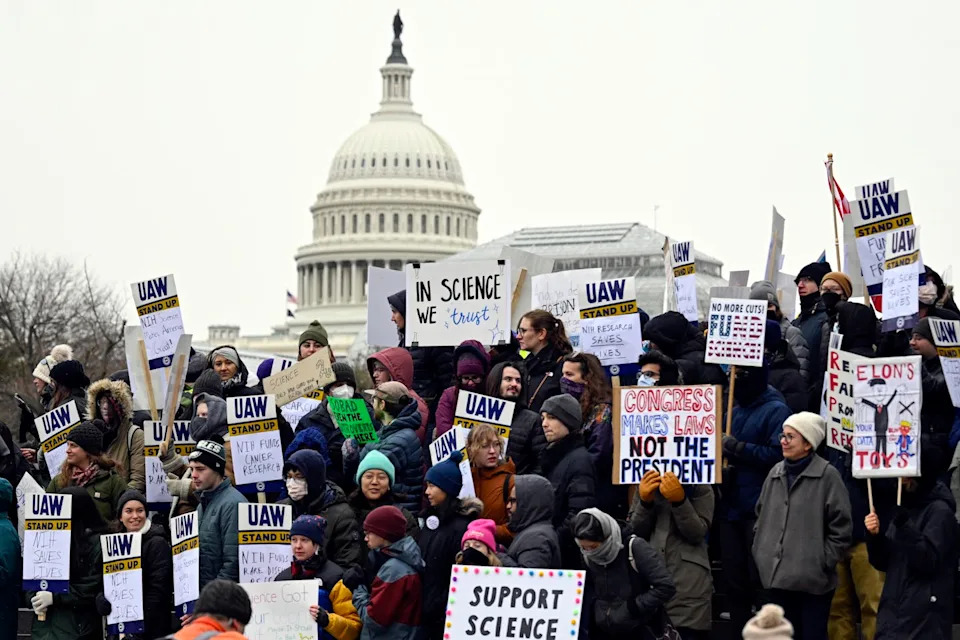
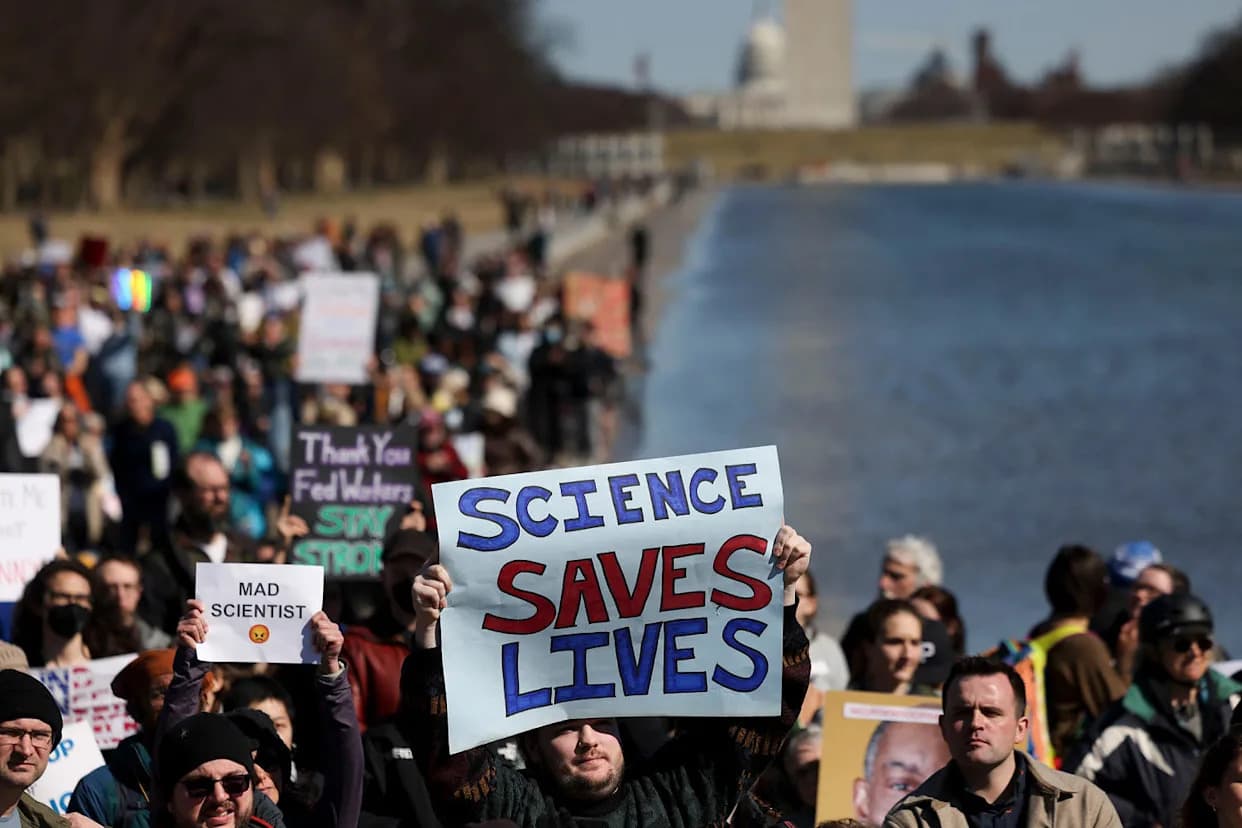
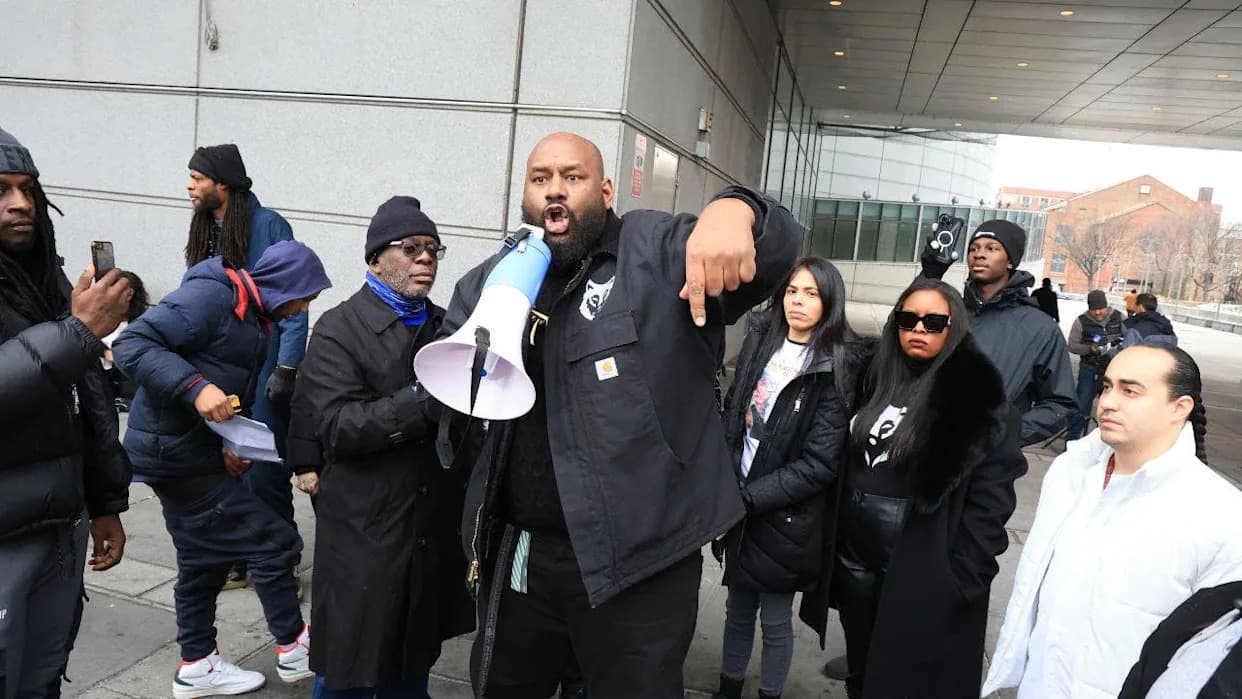
Many researchers are working to advocate for science in the public sphere.John McDonnell/AP Photo
Beyond the loss of funding, the termination disrupted an important training pipeline: labs like mine feed early-career scientists into federal research jobs. Graduates who had expected to move into federal roles have lost positions, and many career pathways have been curtailed. I have shifted time to teaching and advocacy to protect students and the next generation of scientists.
Cara Poland — Obstetrics, Gynecology & Reproductive Biology, Michigan State University
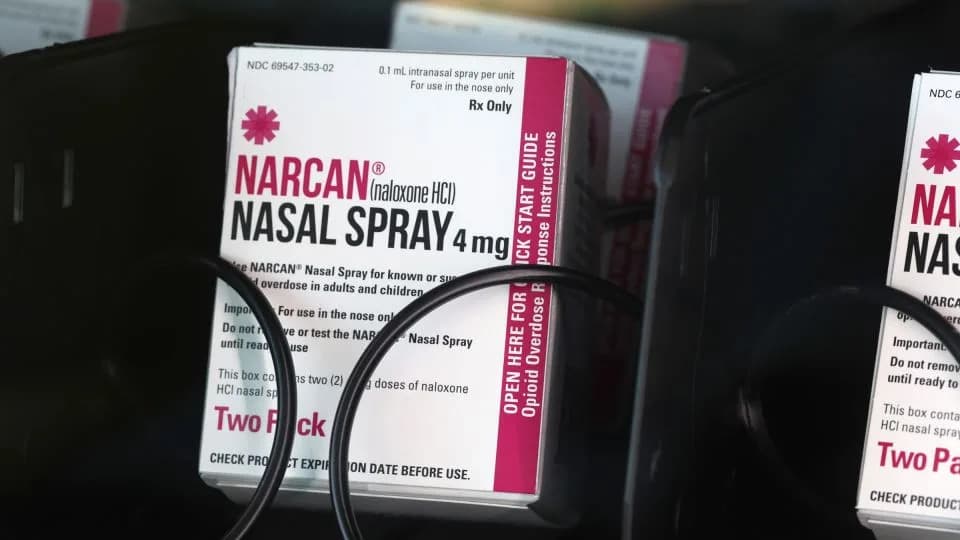
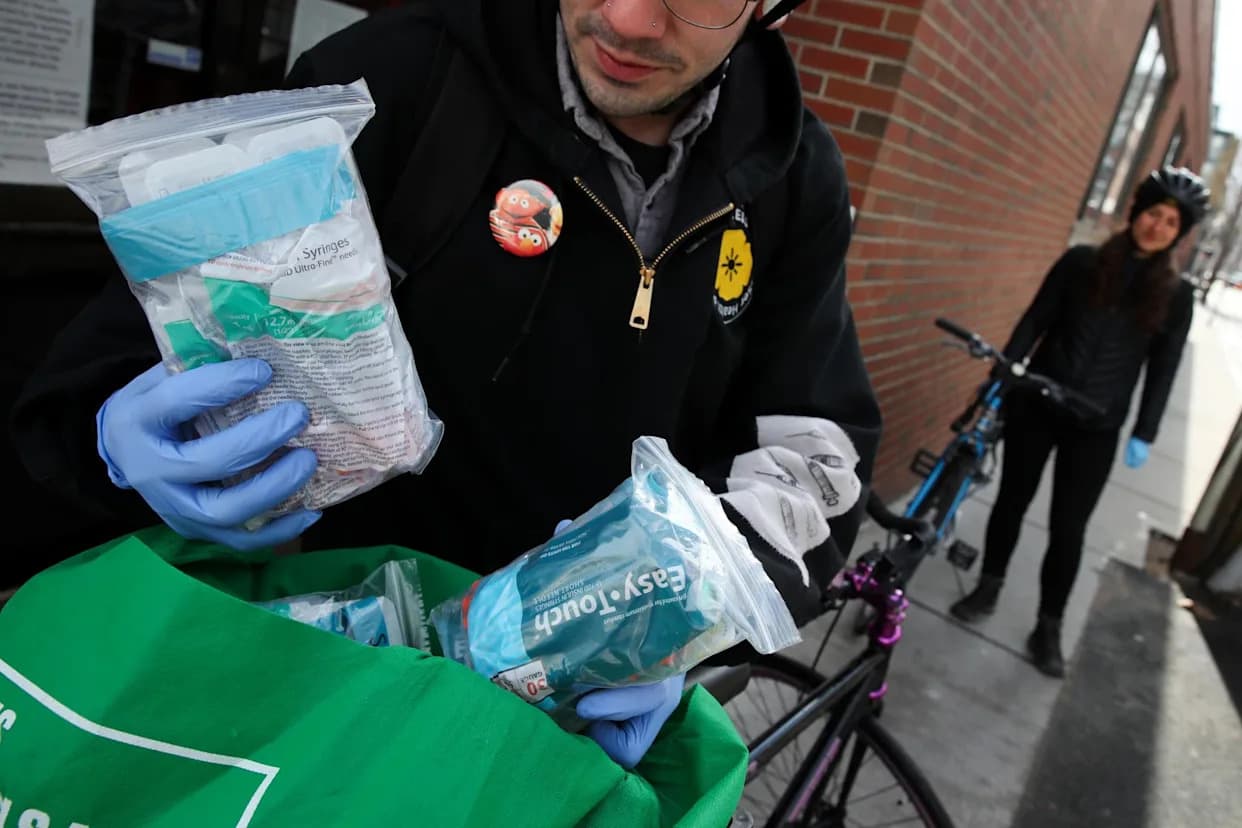
I direct a program that has trained roughly 20,000 clinicians across the U.S. to provide evidence-based, compassionate care for addiction. After a 60% federal funding cut, my team can no longer continue curriculum development or enroll new medical schools and clinicians. This loss undermines the health system’s ability to deliver effective addiction treatment at a time when overdose deaths remain a crisis for many communities.
Brian G. Henning — Philosophy & Environmental Studies, Gonzaga University
Following the 2021 heat dome that devastated the Northwest, my team and the City of Spokane secured a $19.9 million EPA award to reduce pollution, boost community climate resilience and advance environmental justice. That grant was rescinded in May. The reversal leaves five planned public cooling-and-shelter facilities less prepared for extreme weather and about 300 low-income households without planned HVAC upgrades — and it removes jobs and local investment that would have supported the regional economy.
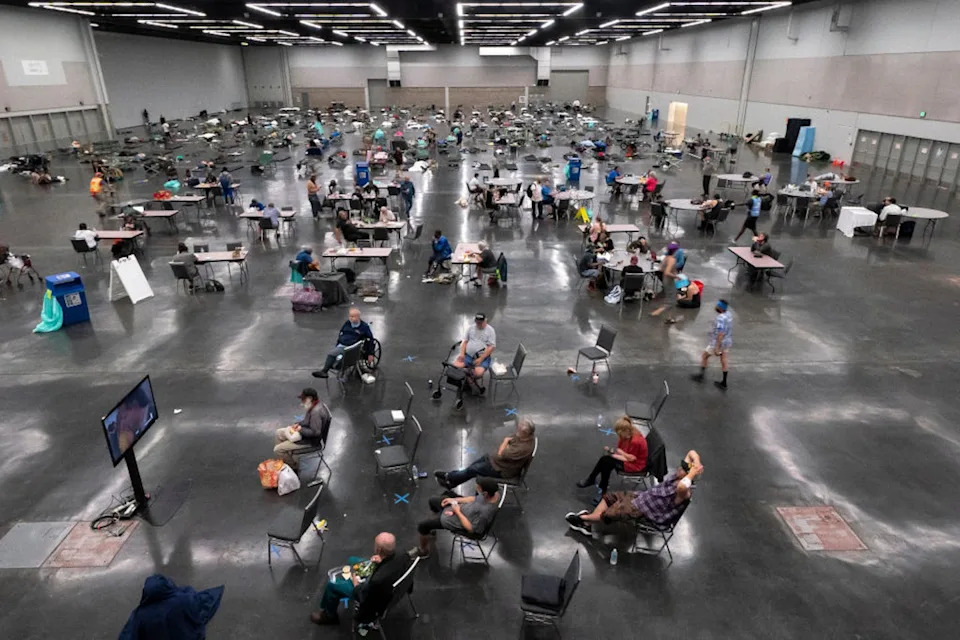
Cooling centers are becoming more critical as extreme heat becomes more common.Nathan Howard/Getty Images
We are continuing the work using alternative strategies and pursuing new funding, but those efforts will be smaller and slower than the original plan.
Nathaniel M. Tran — Health Policy & Administration, University of Illinois Chicago
2025 nearly broke me as a scientist. The administration began targeting federally funded research on LGBTQ+ health for early termination. My NIH-funded project on access to preventive and home-based care among LGBTQ+ older adults was terminated, while the CDC stopped processing and publishing certain LGBTQ+ demographic data that public-health researchers depend upon.
These actions waste public funds, degrade the evidence base that protects underserved populations, and are deeply demoralizing — but they have also strengthened my resolve to continue rigorous, equity-centered research.
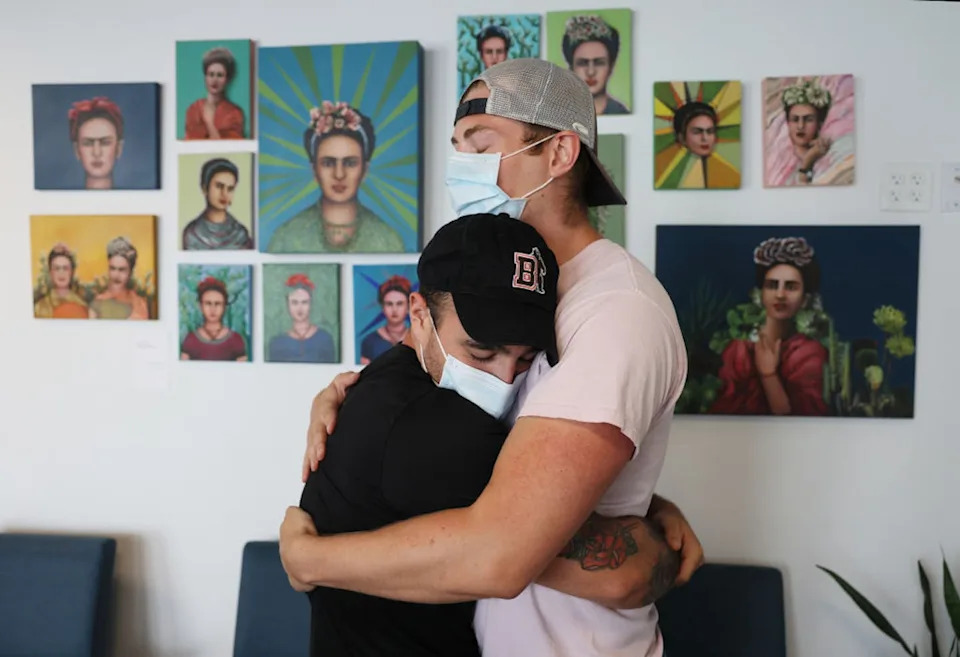
Research on LGBTQ+ health informs the kind of care patients receive.Jessica Rinaldi/The Boston Globe via Getty Images
Rachael Sirianni — Neurological Surgery, UMass Chan Medical School
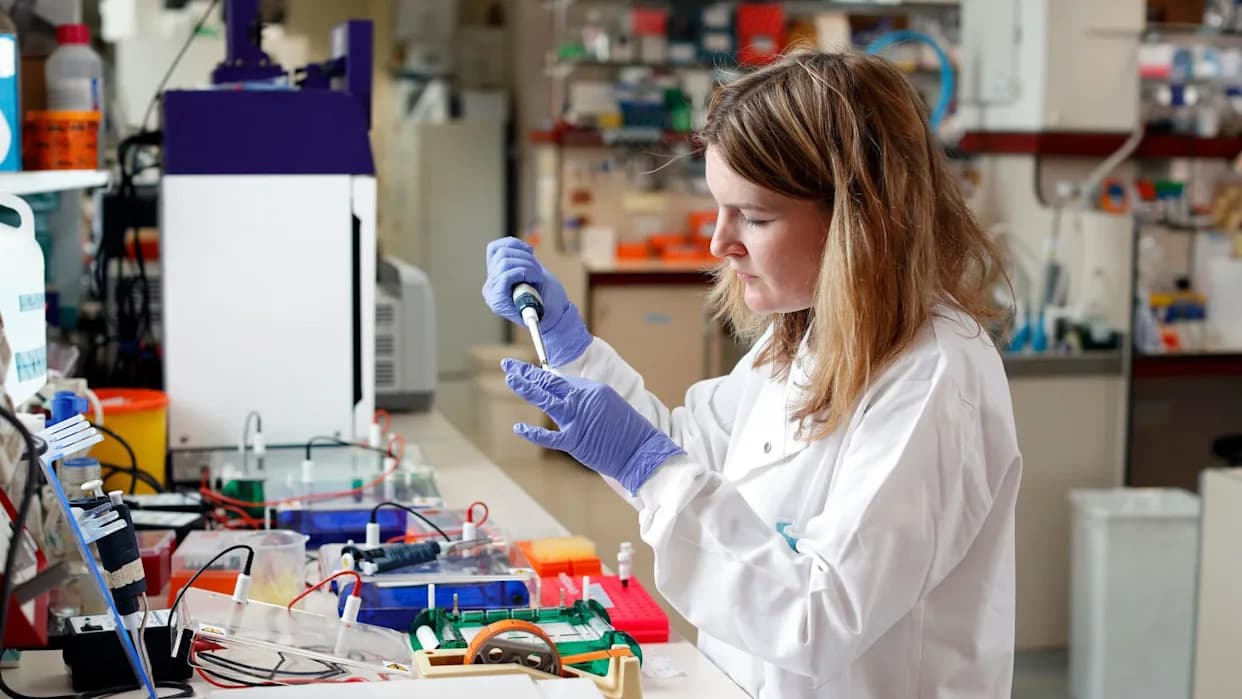
My lab develops new cancer therapies and is among a small number nationally focused on pediatric cancers that spread in the central nervous system. Broad NIH cuts have left us operating at roughly 25% of our previous funding with fewer than half of our prior staff. We cannot complete ongoing experiments, publish results, pursue new ideas or maintain critical technologies. Trainees and colleagues are leaving for more stable opportunities, shrinking the future scientific workforce.
Stephanie J. Nawyn — Sociology, Michigan State University
A terminated NSF grant that supported research into improving departmental work cultures has cost publications, summer support for faculty and graduate students, and opportunities to improve equity in academic workplaces. More concerning, the elimination of NSF programs that promoted gender equity and inclusive science is part of a broader weakening of the national research infrastructure, with long-term, cascading effects that will be difficult to reverse.
What This Means
Researchers report immediate material losses — halted trials, lost technology, staff reductions and canceled community programs — and intangible harms, including damaged training pipelines and eroded public data infrastructure. Many scientists say they will keep working, seeking alternative funding and continuing advocacy, but they warn the country’s capacity for discovery, public-health protection and climate resilience will be diminished for years.
About this piece: This article is republished from The Conversation, a nonprofit, independent news organization that provides factual, expert analysis. It was written by Carrie McDonough (Carnegie Mellon University), Brian G. Henning (Gonzaga University), Cara Poland (Michigan State University), Nathaniel M. Tran (University of Illinois Chicago), Rachael Sirianni (UMass Chan Medical School) and Stephanie J. Nawyn (Michigan State University).
Funding disclosures (selected): Carrie McDonough receives funding from the U.S. EPA. Brian G. Henning received EPA funding. Cara Poland receives funding from the Michigan Health Endowment Fund, the State of Michigan and SAMHSA. Nathaniel M. Tran receives funding from the National Institute on Aging and other foundations. Rachael Sirianni receives funding from the NIH and Ian's Friends Foundation. Stephanie J. Nawyn received funding from the National Science Foundation.
Help us improve.