UK Research and Innovation (UKRI) has paused new grant awards after ministers ordered it to "focus and do fewer things better." Ian Chapman expects the reorganisation to be in place by April 2027 and says overall funding will shift toward commercialisation while curiosity-driven research remains at flat nominal levels. The Science and Technology Facilities Council (STFC) must identify £162m in savings, and Innovate UK has cut advisers and paused onboarding new SMEs. Industry leaders warn reduced early-stage support risks harming start-ups and long-term scientific capacity.
UKRI Pauses New Grants — 'Hard Decisions' Ahead For £8bn Research Budget
[Getty Images]
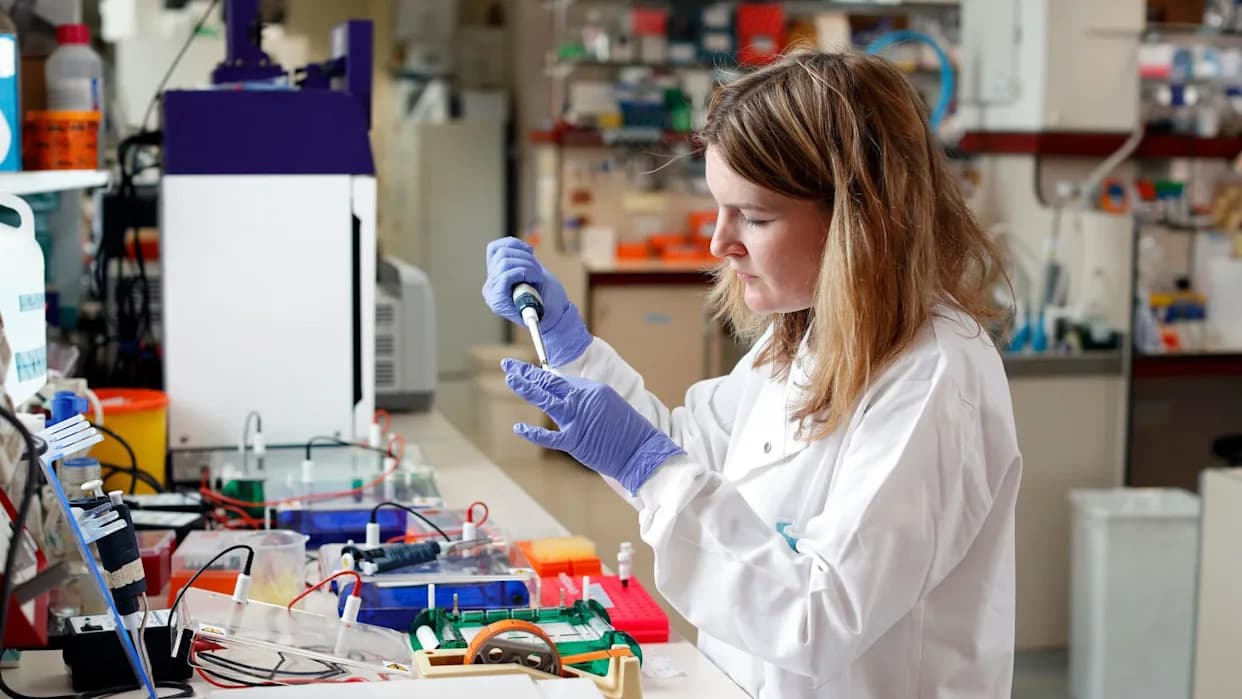
The chief executive of UK Research and Innovation (UKRI) has warned the organisation faces "hard decisions" after ministers instructed it to "focus and do fewer things better." The change has prompted a pause on new grants and sparked concern across Britain's research and innovation community.
What UKRI Says
In an open letter, Ian Chapman said the reforms are not yet finalised but are expected to be fully implemented by April 2027. He told a subsequent briefing he could not yet outline precise selection criteria for future projects, but said overall funding is expected to rise over time with "more emphasis on commercialisation."
Chapman also confirmed that funding for "curiosity-driven" research — investigator-led work the UK is known for — will remain at current nominal levels, which effectively represents a real-terms cut as inflation erodes purchasing power.
Impact On Research Councils
UKRI brings together eight research councils across disciplines such as medicine, engineering and the physical sciences. Several councils have paused awarding new grants while the organisation implements its new funding approach.
STFC: Savings And International Commitments
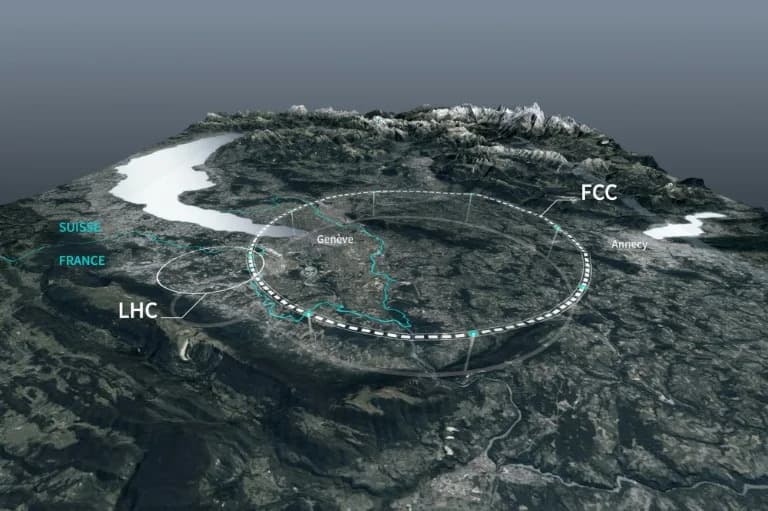
The Science and Technology Facilities Council (STFC) — responsible for astronomy, computational science and nuclear physics — has been instructed to find £162m in savings. STFC funds the UK's subscriptions to international partnerships such as CERN and the European Space Agency and supports large telescopes. Michele Dougherty, STFC's executive chair, said the council was "extremely ambitious in what it wanted to do and the funding isn't there," but added there are no plans to withdraw from existing international commitments.
Innovate UK And Support For SMEs
Innovate UK, which supports small and medium-sized enterprises (SMEs) with grants and advice, has also been affected. The BBC reports that many local business advisers have been laid off and remaining staff have been instructed not to take on new clients — meaning science and tech businesses seeking funding or guidance are currently unable to be accepted.
"In the past we have supported thousands of start-ups with small amounts of money," Chapman said. "We are now seeking to support fewer companies." He did not clarify how those companies will be selected.
Industry Reaction
Researchers and industry figures warned the changes risk destabilising long-term science and undermining early-stage support. Chris Lintott, professor of astrophysics at the University of Oxford, said: "The UK punches above its weight in scientific impact and in space-related industry. This should be a national success story but instead we are facing the possibility of unsettling and destabilising threats to funding for cutting edge science."
Stephen Tulip, UK manager of the App Association, said trimming budgets and staffing for SME support "is the opposite of what our domestic start-up and entrepreneur community needs," arguing it will push start-ups to seek investment overseas. Mike Griffin, an entrepreneur who benefited from early Innovate UK backing, warned that shifting support toward larger, later-stage winners risks many practical innovations never reaching market.
Why This Matters
The reprioritisation reflects a policy push to concentrate public funding on fewer objectives with a greater commercial focus. While it may deliver clearer strategic aims and stronger industry links, the short-term pauses and real-terms cuts to curiosity-driven research could harm the UK's pipeline of basic science and nascent technologies. How UKRI defines priorities and selects winners will determine whether the changes strengthen the innovation ecosystem or create gaps in long-term research capacity.
Help us improve.