Private donors and foundations have pledged $1 billion to support planning for CERN’s proposed Future Circular Collider (FCC), a planned 91 km ring about 200 metres underground. Named backers include Yuri Milner, the Eric and Wendy Schmidt Fund, John Elkann and Xavier Niel. The FCC — estimated to cost roughly $17 billion — aims to probe dark matter and dark energy and would follow the LHC, which discovered the Higgs boson in 2012. CERN’s 25 member states are expected to decide whether to proceed in 2028.
Private Donors Pledge $1 Billion to Fund CERN's Proposed 91 km 'Future Circular Collider'

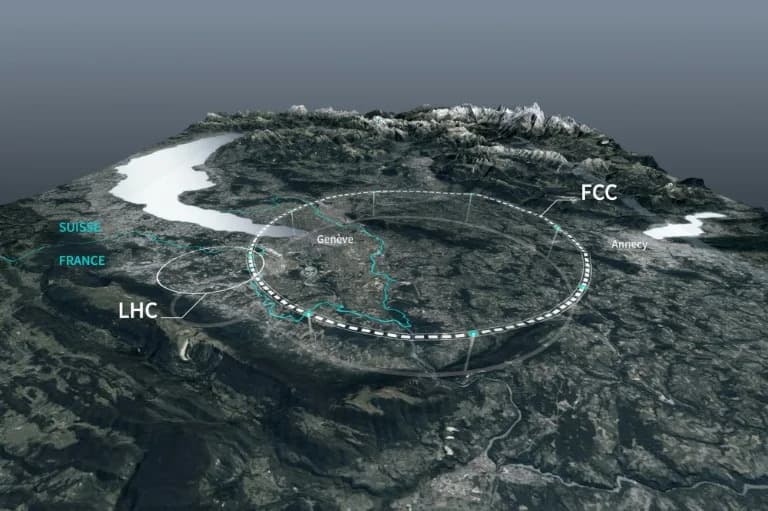
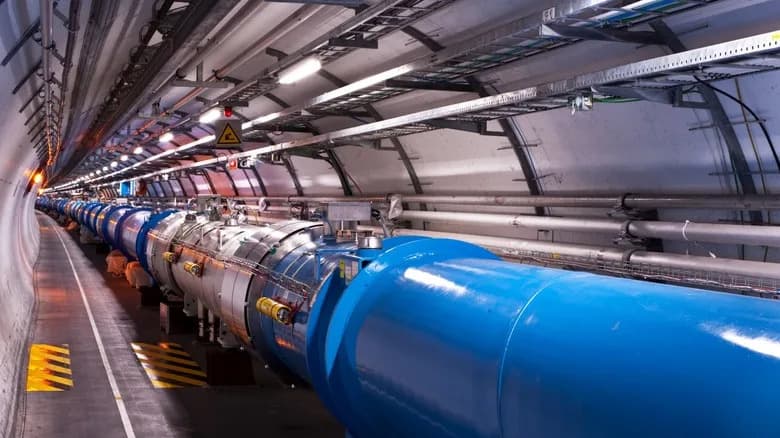
The Future Circular Collider would stretch 91 kilometres across at an average depth of 200 metres (HANDOUT)(HANDOUT/European Organization for Nuclear Research (CERN)/AFP)
Private philanthropists and foundations have pledged $1 billion to support planning for a proposed particle accelerator at CERN that would be far larger than today's Large Hadron Collider (LHC).
In an unprecedented move, individual donors and private foundations are partnering with the European Organization for Nuclear Research (CERN) to advance the early stages of the Future Circular Collider (FCC) project. Named backers include the Breakthrough Prize Foundation founded by Yuri Milner; the Eric and Wendy Schmidt Fund for Strategic Innovation; Italian industrial heir John Elkann; and French entrepreneur Xavier Niel.
“It is the first time in history that private donors wish to partner with CERN to build an extraordinary research instrument that will allow humanity to take major steps forward in our understanding of fundamental physics,” said CERN Director‑General Fabiola Gianotti.
Why the FCC Matters
The FCC is proposed as a ring roughly 91 kilometres in circumference and averaging about 200 metres underground. If approved and built, it would be the largest particle accelerator ever constructed and would allow physicists to explore phenomena beyond the reach of the current LHC.
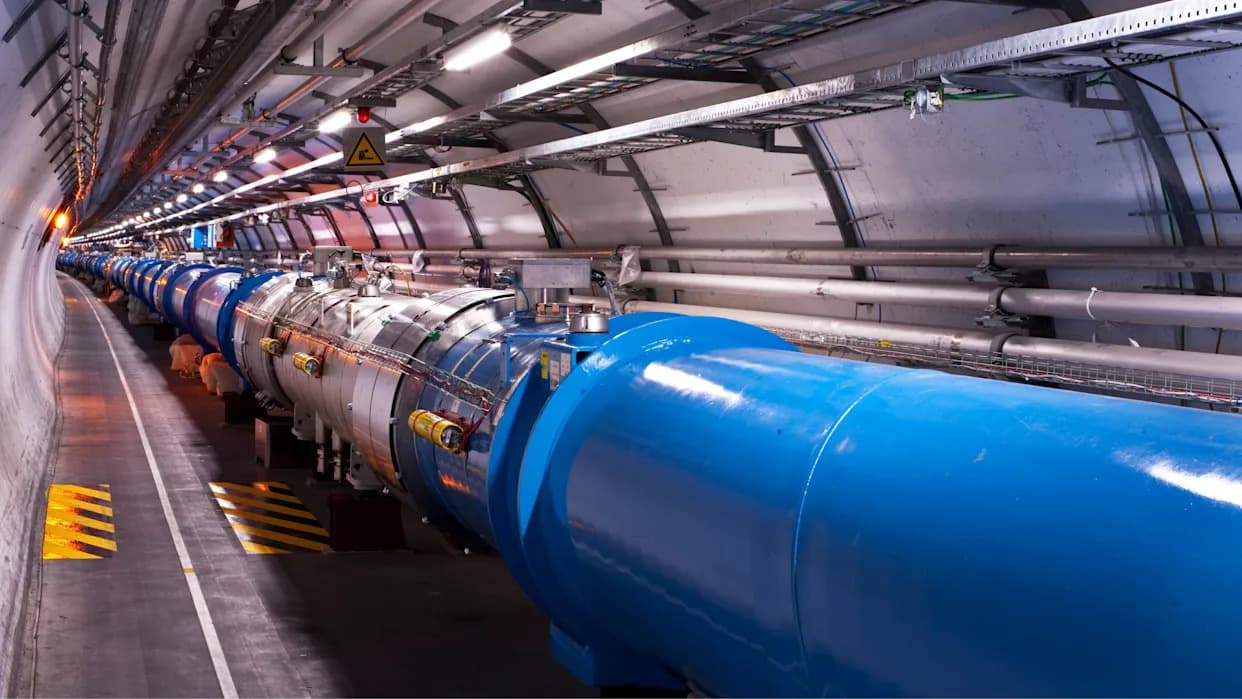
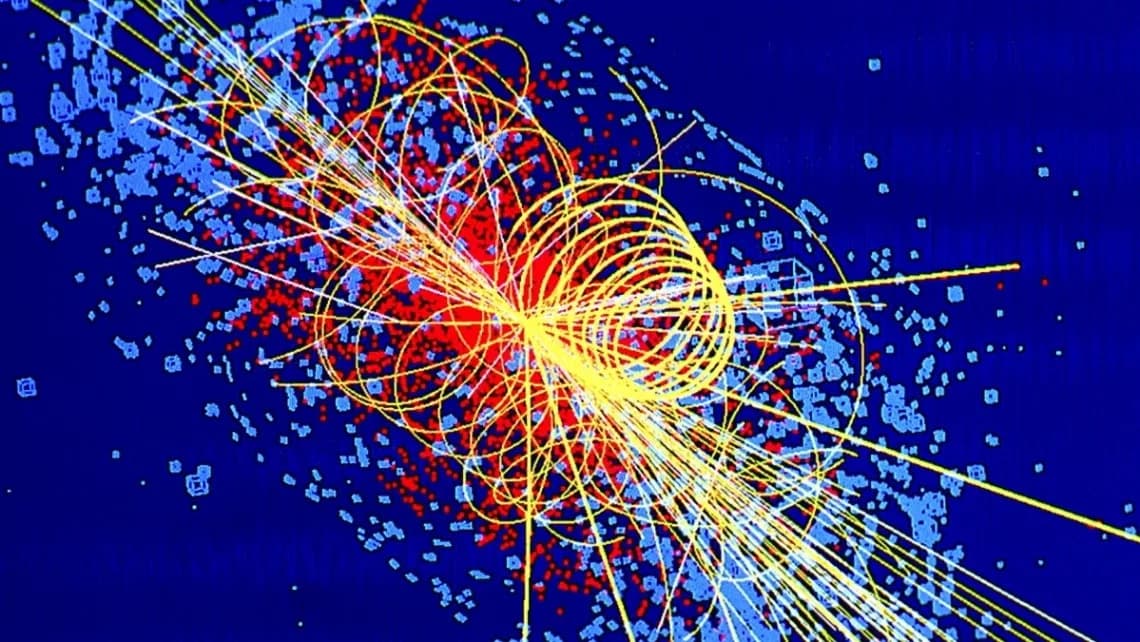
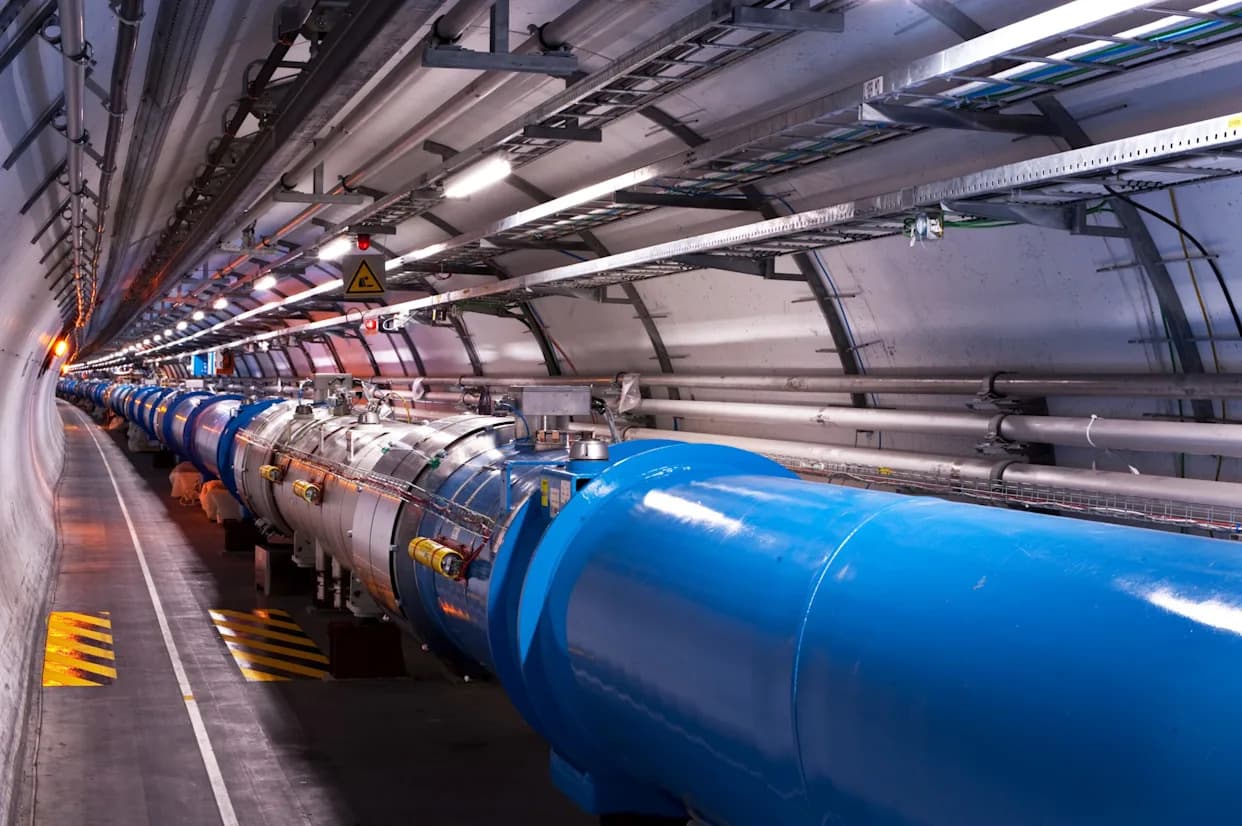
CERN’s existing Large Hadron Collider — a 27-kilometre ring about 100 metres below the French‑Swiss border — enabled the 2012 discovery of the Higgs boson, a breakthrough that led to the 2013 Nobel Prize in Physics for Peter Higgs and François Englert. The LHC is expected to complete its planned scientific program around 2040, motivating plans for a next-generation machine.
Scientific Goals and Societal Benefits
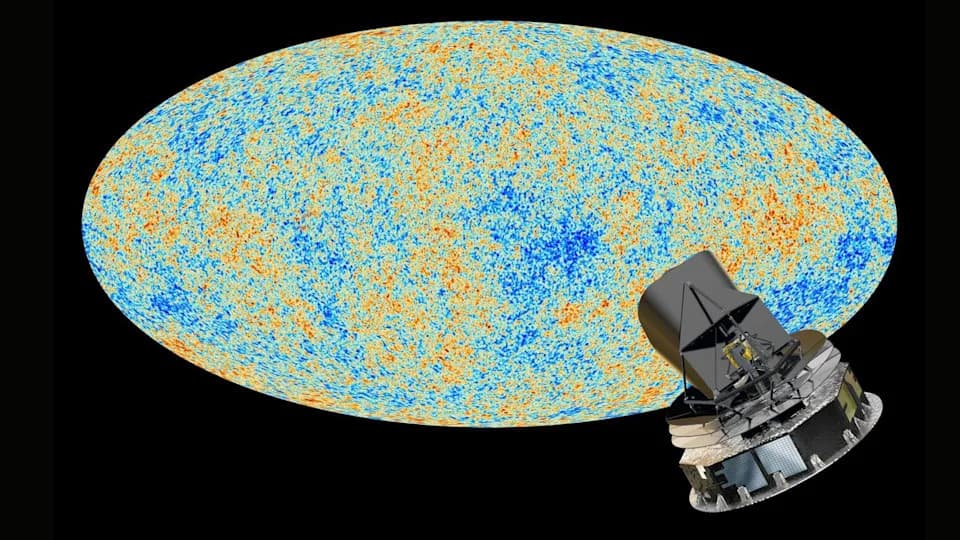
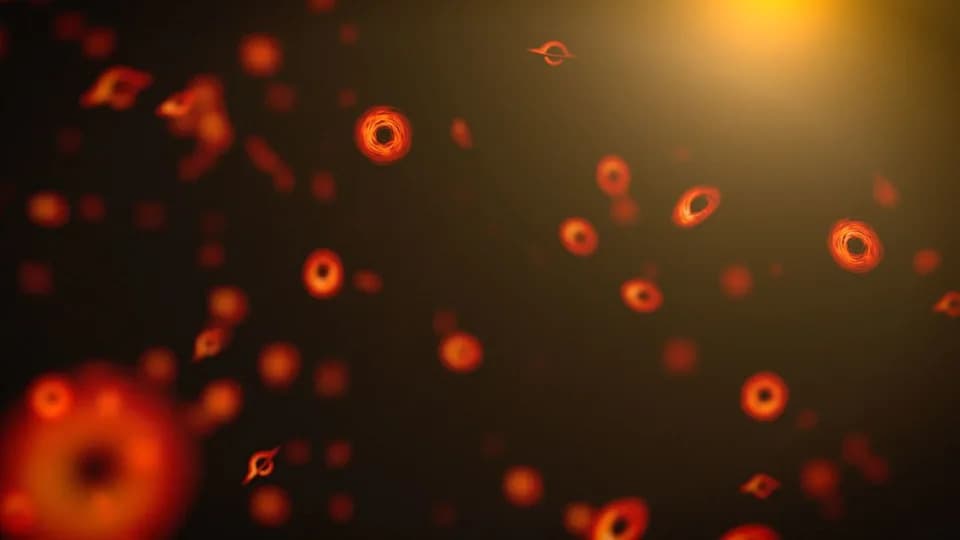
Scientists hope the FCC will probe the nature of the roughly 95% of the universe made up of dark matter and dark energy — constituents that so far remain directly unobserved. Backers also emphasize that technologies developed for such a large-scale research facility could spin off benefits for medicine, computing and sustainable energy.
S. Pete Worden, chairman of the Breakthrough Prize Foundation, called the FCC “the most powerful scientific instrument in history” and said it could illuminate the deepest questions humanity can ask.
Cost, Timeline and Approval
The project is currently estimated to cost around $17 billion. The proposal has not yet been approved by CERN’s 25 member states; CERN plans to make a decision in 2028. If approved, detailed design and construction would follow a multi‑decade schedule.
Whether or not the FCC proceeds, the $1 billion pledge marks a notable shift in how large-scale basic science projects may be funded, blending public, intergovernmental and private philanthropic support.
Help us improve.