CERN is redirecting waste heat from the Large Hadron Collider into Ferney-Voltaire’s district heating network using two 5-MW heat exchangers at Point 8, warming several thousand homes while keeping the accelerator cool. Since January 2026 Point 8 has delivered up to 5 MW, with the potential to double at full operation and to supply 1–5 MW during Long Shutdown 3. The ISO 50001–certified project targets 7–30 GWh of annual savings and prevents thousands of tonnes of CO2, offering a replicable model for data centres and other energy-intensive facilities.
From Particle Collisions to Home Comfort: How CERN Turns LHC Waste Heat Into Neighbourhood Warmth
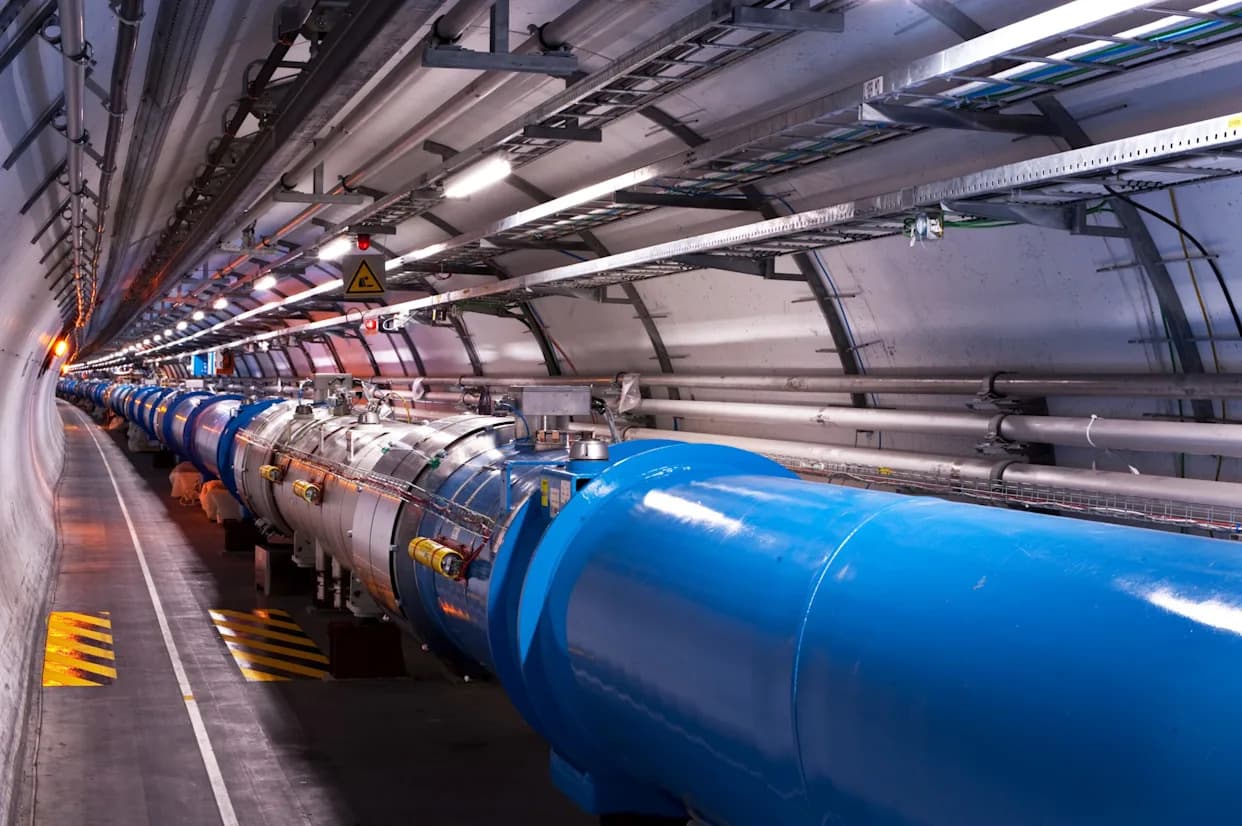
Image: Wikimedia
Civilian households facing high heating bills now have an unexpected ally: CERN. The Large Hadron Collider (LHC), best known for accelerating particles close to the speed of light, is also supplying recycled thermal energy to the district heating network in Ferney-Voltaire.
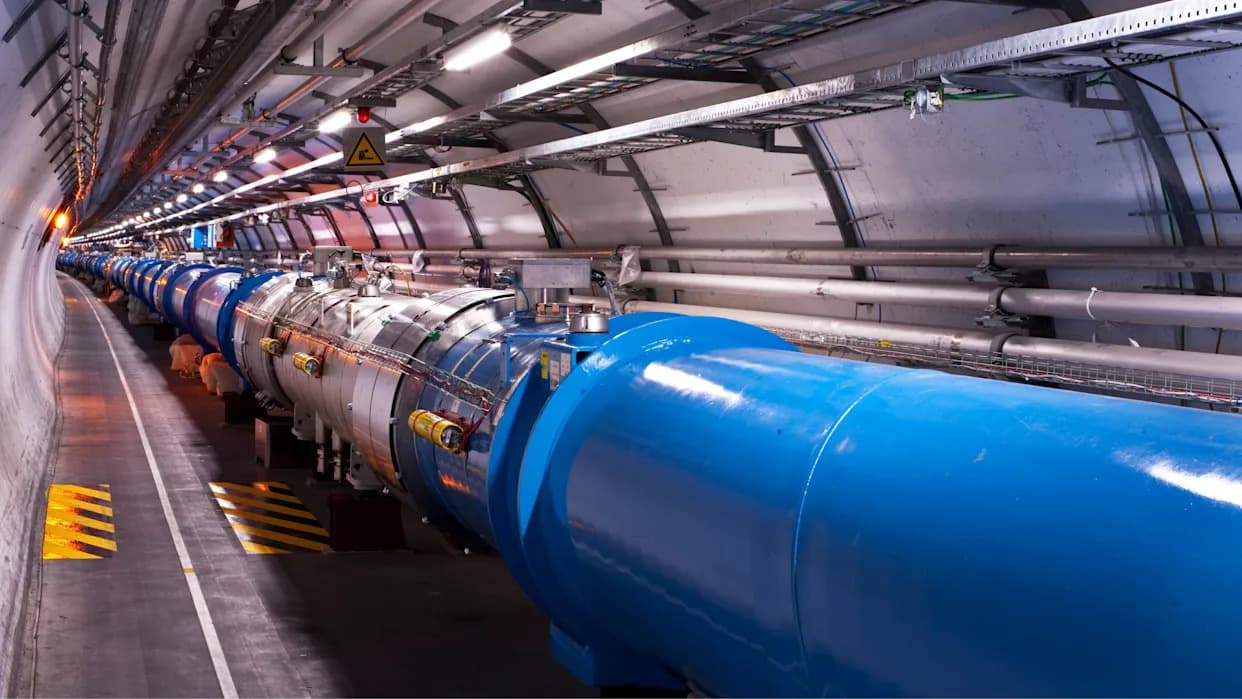
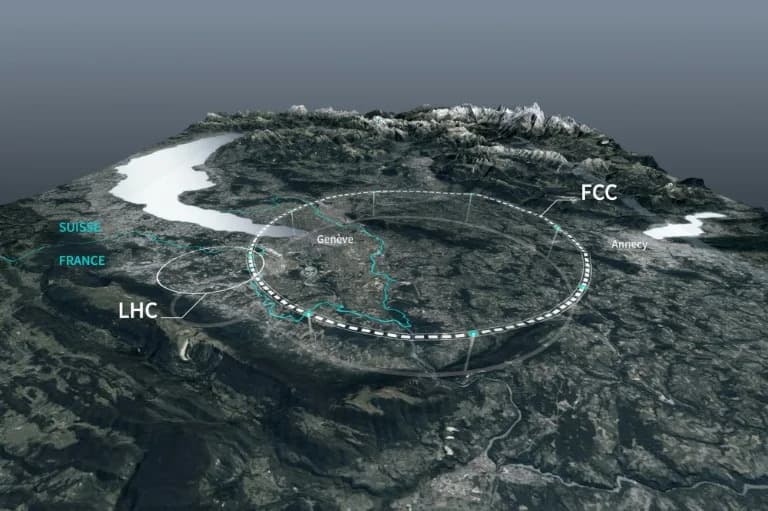
Rather than dumping excess heat into the atmosphere, the LHC’s cooling circuits feed hot water through two 5-megawatt heat exchangers at Point 8. Those exchangers transfer thermal energy into the town system, currently warming several thousand homes while keeping the accelerator within its required temperature range.
Practical Engineering, Big Climate Benefits
The installation prevents thousands of tonnes of CO2 emissions by replacing gas and electric heating with reclaimed process heat. Since January 2026, Point 8 has supplied up to 5 MW of thermal power, with the capacity to double when the LHC operates at full intensity. During the planned Long Shutdown 3 starting summer 2026, the system is expected to continue delivering between 1 and 5 MW in most months.
"Hot water initially passes through two 5-MW heat exchangers, which transfer thermal energy to the new heating network," explains Nicolas Bellegarde, CERN’s energy coordinator.
Put another way: imagine capturing the warm exhaust from your gaming PC — only the ‘‘computer’’ is a 27-kilometre accelerator that runs at extremes of temperature. The district heating network, inaugurated in December 2025, substitutes fossil-fuel and electric heating in the town with thermal energy recovered from fundamental physics equipment.
A Scalable Template for Industry
CERN’s approach is ISO 50001–certified and aims for roughly 7–30 GWh of annual energy savings across its sites. That model — turning industrial byproducts into community resources — offers a clear template for data centres, cloud providers and AI server farms that expend large amounts of energy on cooling.
Planned extensions include connecting the Prévessin data centre and the LHC’s Point 1 cooling towers, creating a replicable blueprint for industrial symbiosis: research infrastructure that directly benefits local communities while cutting emissions.
The project is a striking example of environmental pragmatism: equipment designed to probe the universe’s fundamentals is now helping provide basic human comfort, demonstrating that cutting-edge science and practical sustainability can go hand in hand.
Help us improve.