Mark Thomson, who became CERN director-general on January 1, said he is optimistic about raising funds for the Future Circular Collider (FCC), a proposed 91-kilometre, 200-metre-deep proton collider estimated at about $19.5 billion. About half the cost would come from CERN's existing budget and private donors pledged $1 billion in December. CERN's council will decide in 2028 whether to proceed, and the FCC would aim to begin operations in the second half of the 2040s. Meanwhile, the current Large Hadron Collider will run into the 2040s before upgrades convert it into the High Luminosity LHC for more collisions and data.
CERN Seeks $19.5B For Giant New Collider — Director Says Funding Push Is Doable
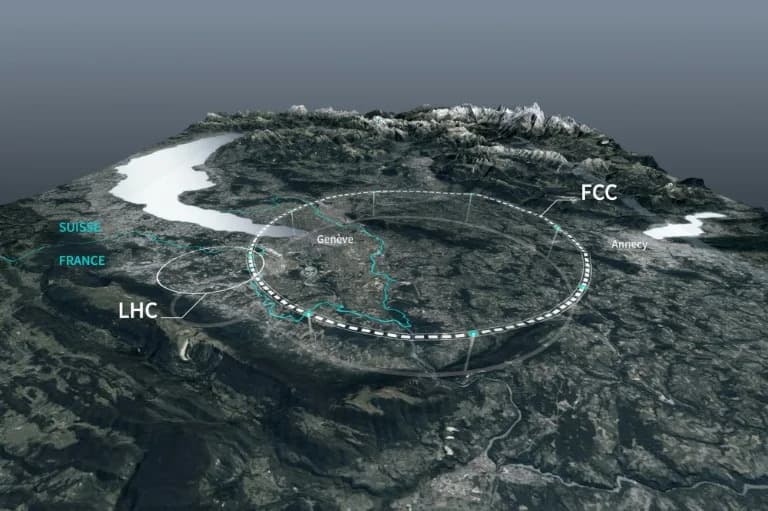
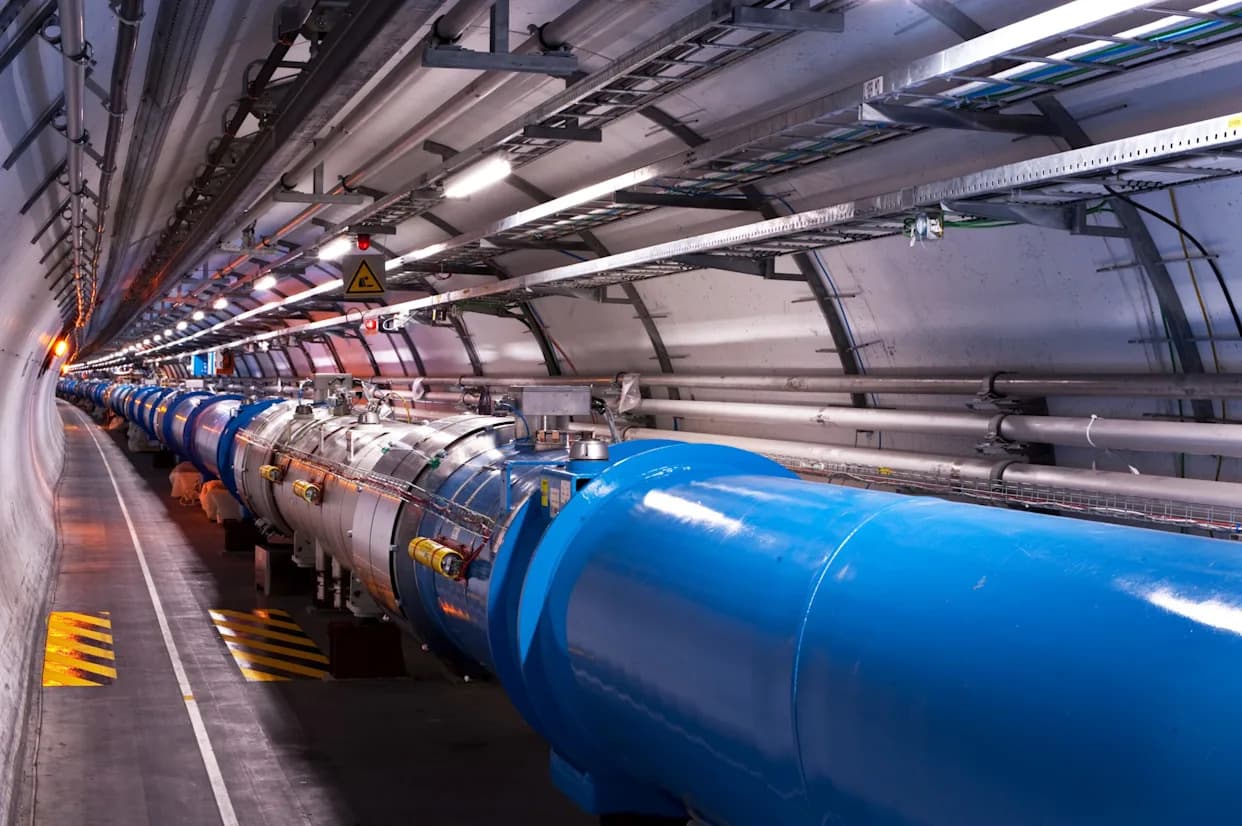
The Future Circular Collider would have a circumference of 91 kilometres, at an average depth of 200 metres (HANDOUT)(HANDOUT/European Organization for Nuclear Research (CERN)/AFP)
Mark Thomson, who became director-general of CERN on January 1, said he is optimistic the laboratory can raise the funds needed to build the Future Circular Collider (FCC), a proposed 91-kilometre proton collider sited at an average depth of 200 metres. The project is estimated to cost about $19.5 billion, roughly half of which CERN expects to cover from its existing budget.
Funding And Timeline
"About half of that comes out of the existing ongoing budget, and we have to find the resources for the other half," Thomson told reporters. He described himself as "very optimistic" but warned the process will not be straightforward. In a first for the laboratory, private donors pledged $1 billion in December toward construction — a significant early contribution that Thomson said was "for the good of science."
Scientific Aims
The FCC aims to probe the roughly 95% of the universe made up of dark matter and dark energy — components that remain poorly understood and have not yet been directly observed. By colliding protons at higher energies and rates than today’s machines, scientists hope to search for new particles and phenomena beyond the Standard Model and to sharpen our picture of the fundamental structure of matter.
Today’s Facilities And Planned Upgrades
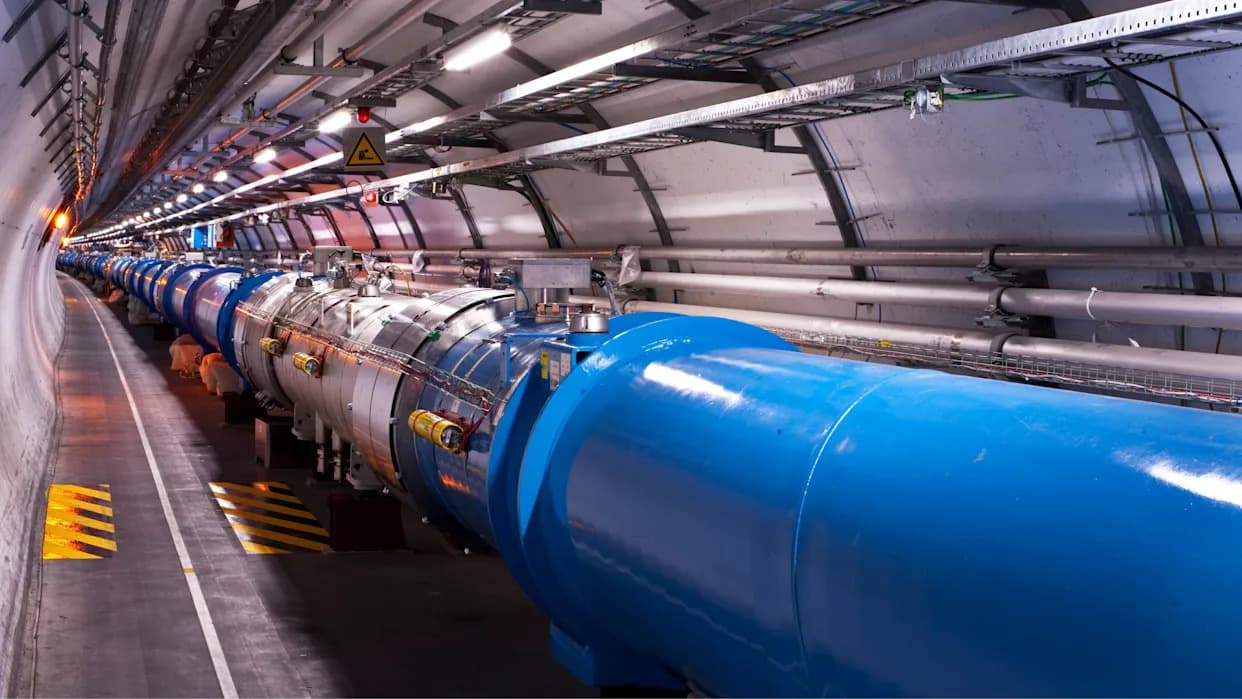
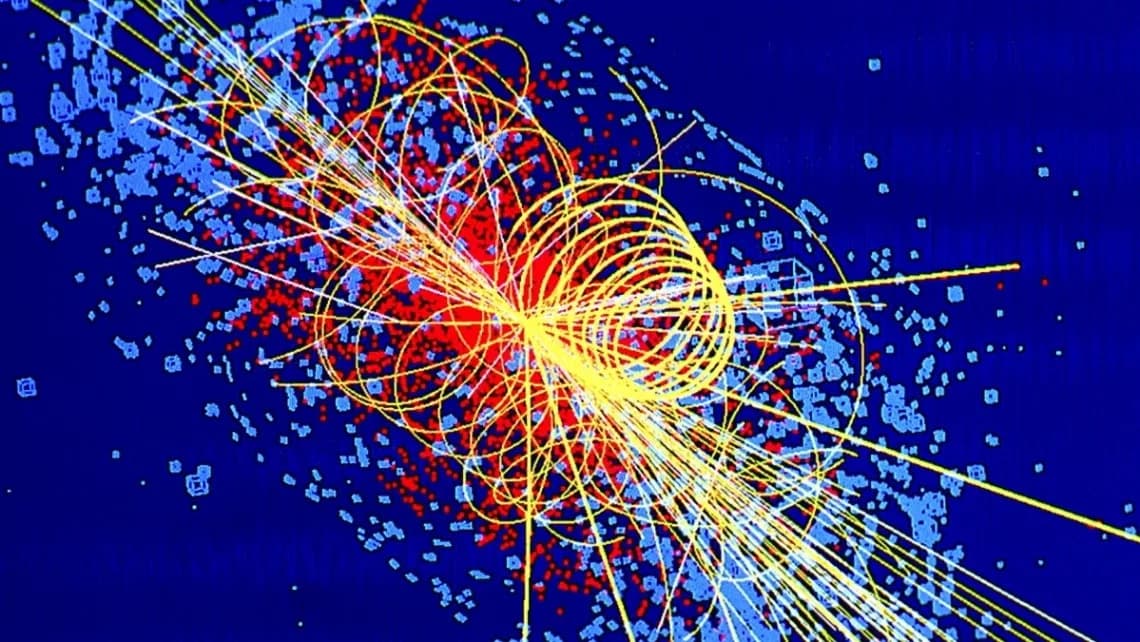
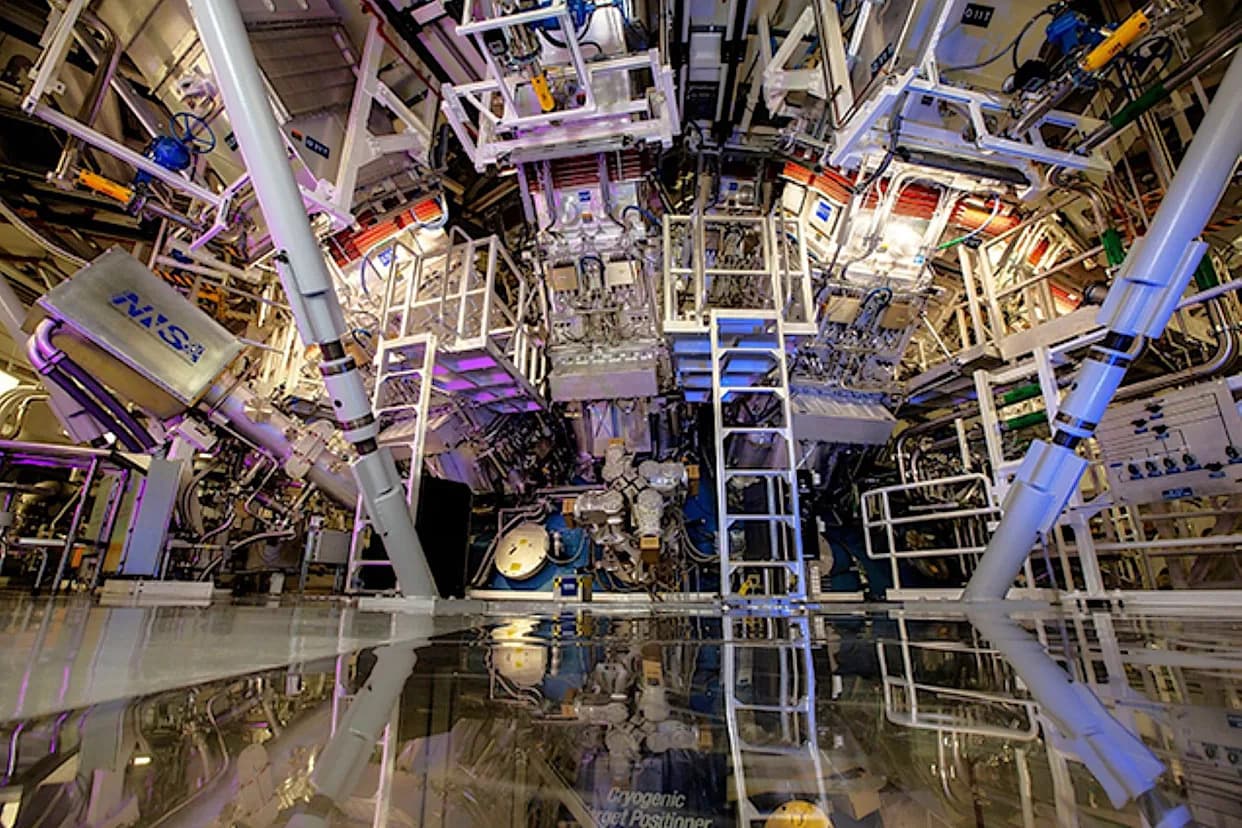
CERN's current flagship, the Large Hadron Collider (LHC), is a 27-kilometre ring about 100 metres underground along the France-Switzerland border. The LHC was instrumental in confirming the Higgs boson in 2012, a discovery that helped explain how particles acquire mass and earned Peter Higgs and François Englert the 2013 Nobel Prize in Physics.
The LHC is expected to operate into the 2040s. It will resume operations after a winter break, pause again in June for a major upgrade program and be transformed into the High Luminosity LHC (HL-LHC) with stronger focusing magnets and improved optics. The HL-LHC will deliver many more collisions and a much larger dataset for precision studies.
"This is really an opportunity for discovery. Sometimes you make small steps in science. This is not a small step. This is a giant, giant leap forward," Thomson said.
Decision Point
CERN, based on the outskirts of Geneva and composed of 25 member states, expects its governing council to take a decision in 2028 on whether to proceed with the FCC. If approved, construction would proceed with a view to starting operations in the second half of the 2040s.
Help us improve.