Physicists at CERN’s ALICE experiment used near-miss collisions of lead ions at the LHC to produce about 86 billion gold nuclei, but the total mass is only trillionths of a gram. The nuclei are detected indirectly and last roughly a microsecond before decaying. Transmutation occurs because lead (82 protons) becomes gold (79 protons) when three protons are removed, a change achieved probabilistically during high-energy electromagnetic interactions. The technique is scientifically valuable but impractical for producing usable gold.
Physicists Briefly Turned Lead Into Gold at CERN — Here’s How
Three pieces of a rocky gold surrounded by black coals - Domnicky/Getty Images
Modern science may seem far removed from the mystical pursuits of medieval alchemists, but a shared curiosity remains: can one element be turned into another? In controlled laboratory conditions, physicists at CERN have effectively achieved that ancient dream — in a tiny, transient form.
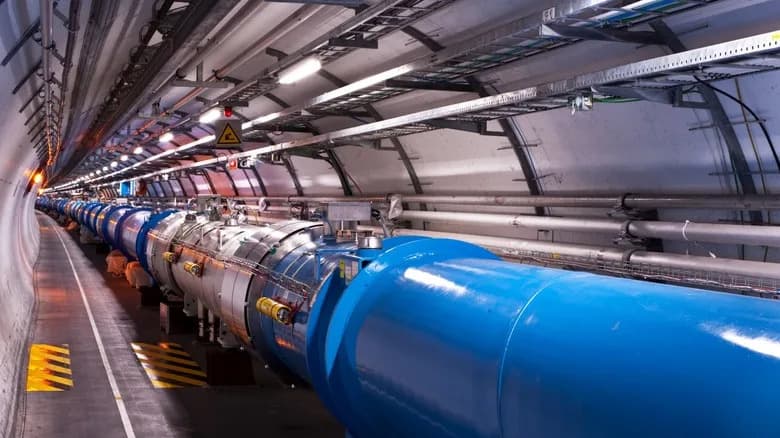
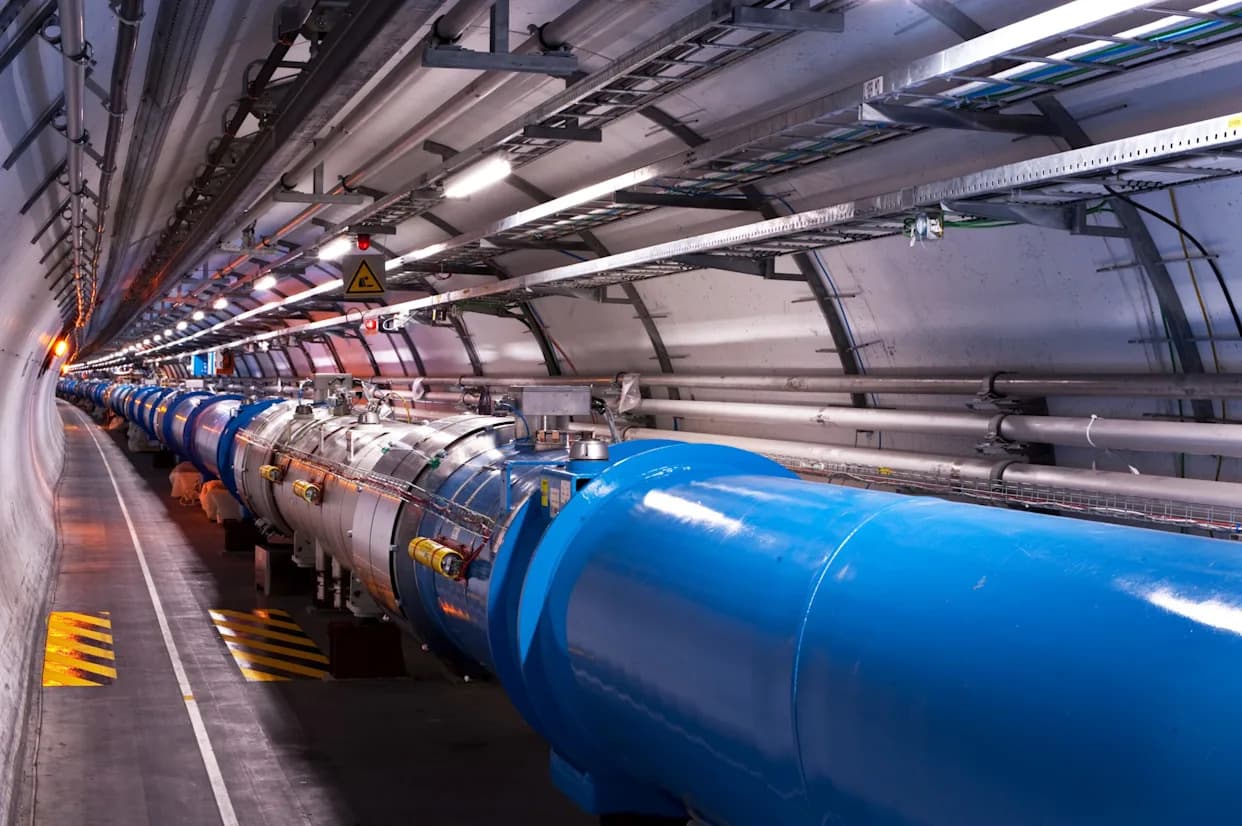
What happened at CERN? Using the ALICE detector at the Large Hadron Collider (LHC), researchers accelerated lead ions to nearly the speed of light and made them pass very close to one another. Those near-miss electromagnetic interactions stripped protons from some nuclei and produced roughly 86 billion gold nuclei. That raw tally sounds impressive, but it corresponds to only trillionths of a gram of gold.
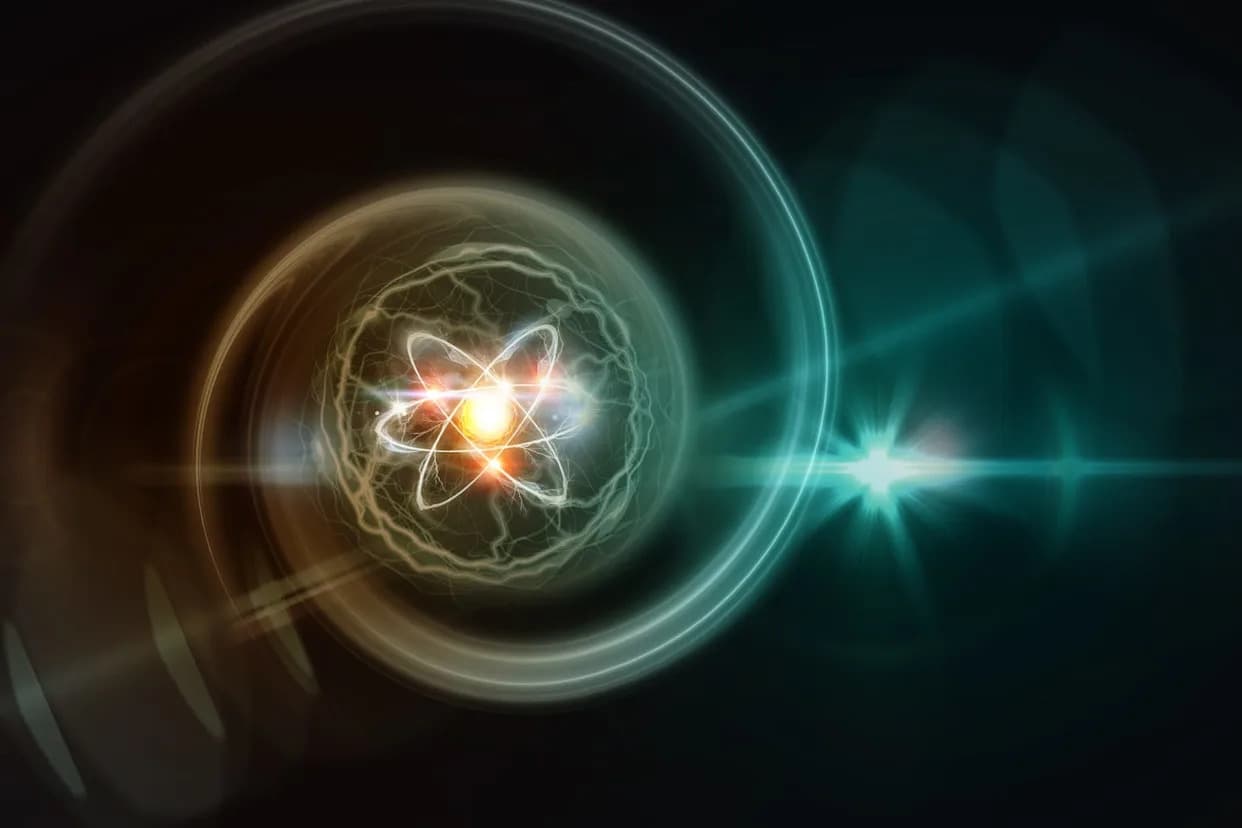
A person behind a symbol of the atomic model pointing at it - bigjom jom/Shutterstock
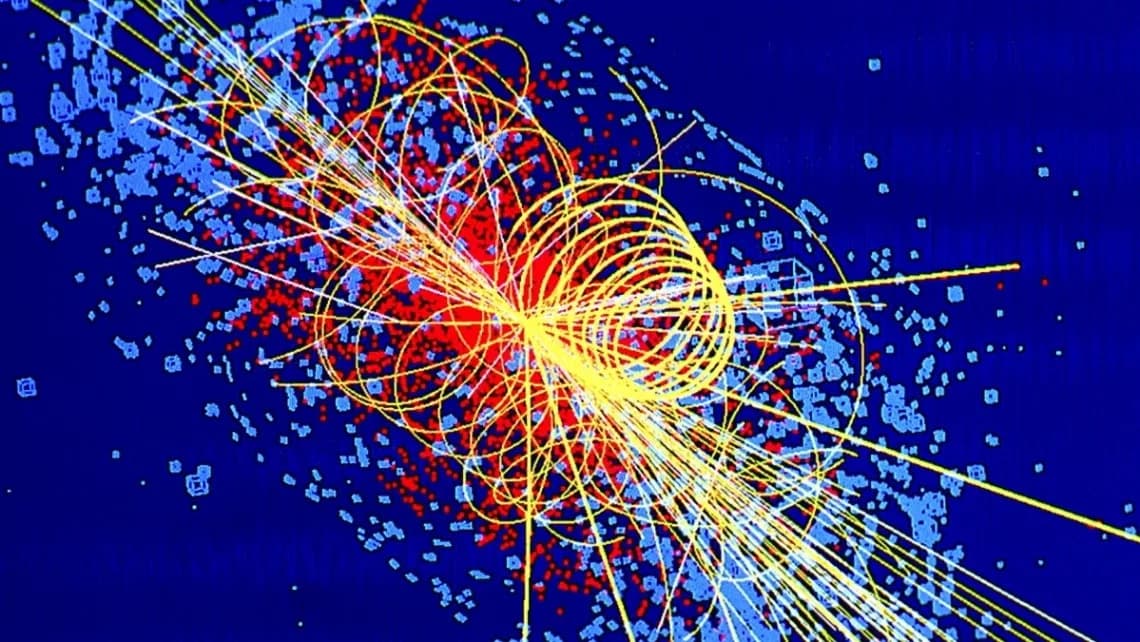
The produced nuclei cannot be handled or seen directly. They are detected indirectly by specialized instruments (including zero-degree calorimeters and other detector systems) that register tiny changes in emitted neutrons and other particles. Each gold nucleus exists for at most about a microsecond before decaying into other particles or striking detector components, so the result is scientifically interesting but commercially irrelevant.
Why Lead Can Become Gold
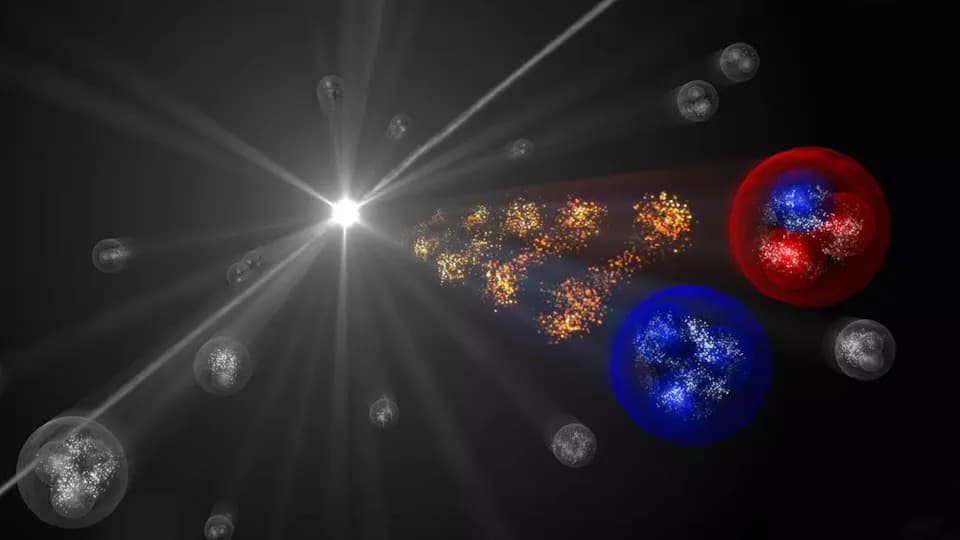
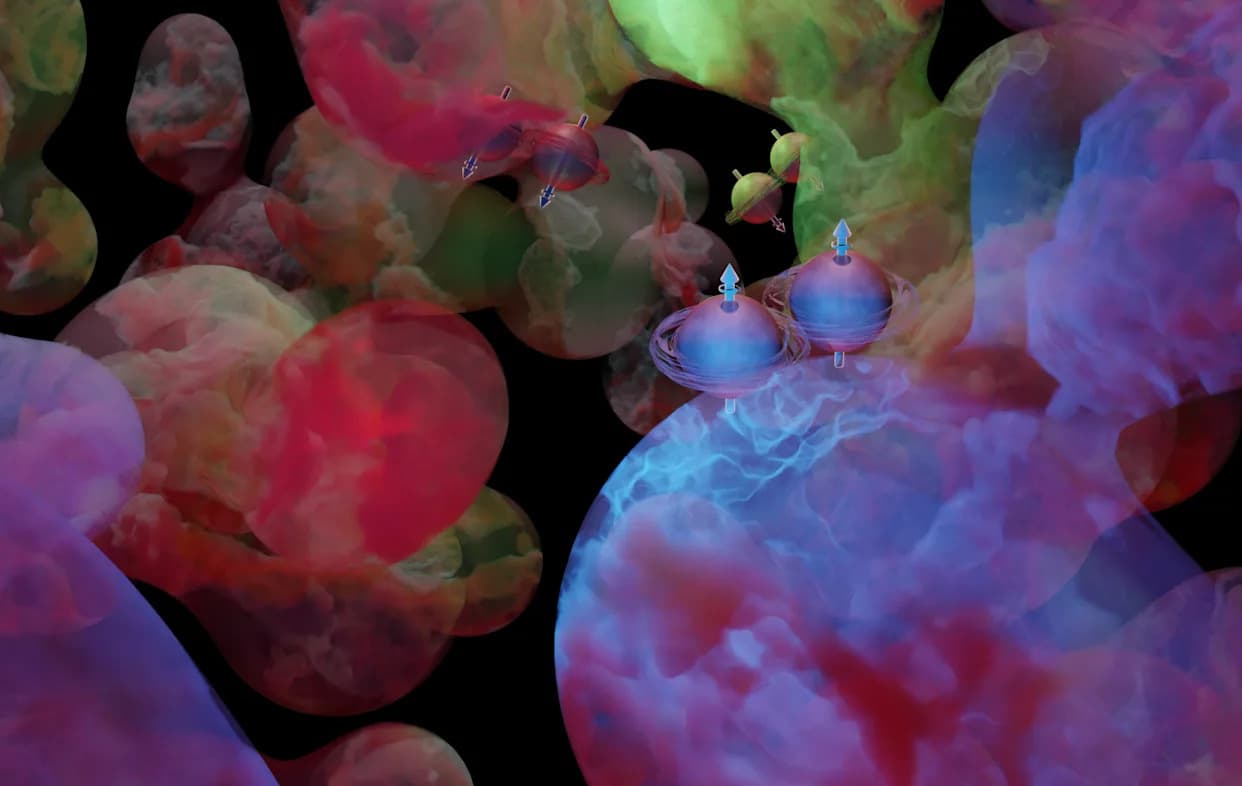
At the atomic level the difference between elements is the number of protons in the nucleus. Lead has 82 protons; gold has 79. If exactly three protons are removed from a lead nucleus, the nucleus becomes gold. Directly controlling the loss of exactly three protons is not currently feasible, but ultra-high-energy electromagnetic interactions can probabilistically strip off protons, producing isotopes of thallium, mercury, or, rarely, gold.
A person's gloved hands holding a gold bar with other similar bars lying around with a blurred vault door in the background - TSViPhoto/Shutterstock
How The Process Works
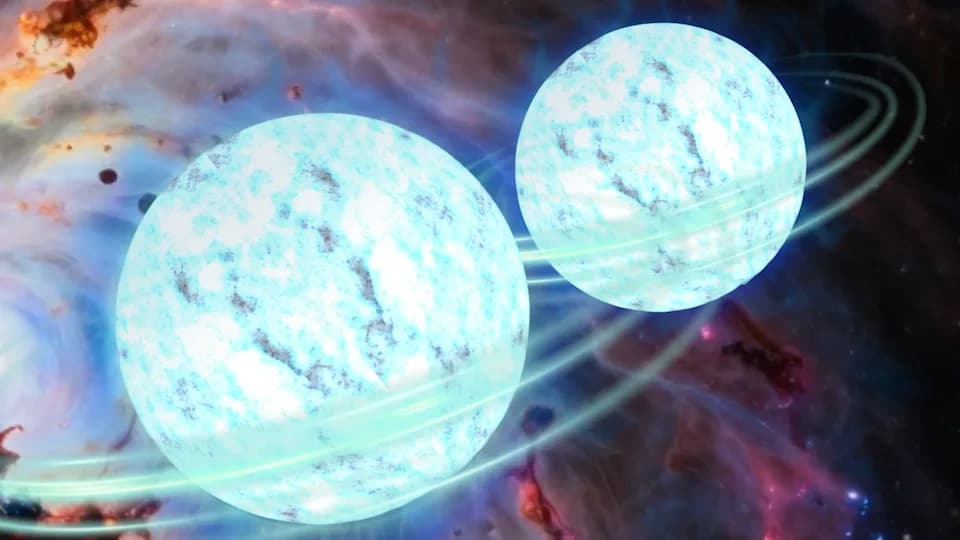
When heavy, charged ions pass each other at near-light speed, their electromagnetic fields interact briefly. That interaction can remove one or more protons from a nucleus. The method relies on brute force and probability: accelerate many ions to extreme energies and hope some interactions remove precisely the right number of protons. The tiny yield, enormous energy requirements, and high cost keep this technique firmly in the realm of fundamental research.
Historical Context And Previous Results
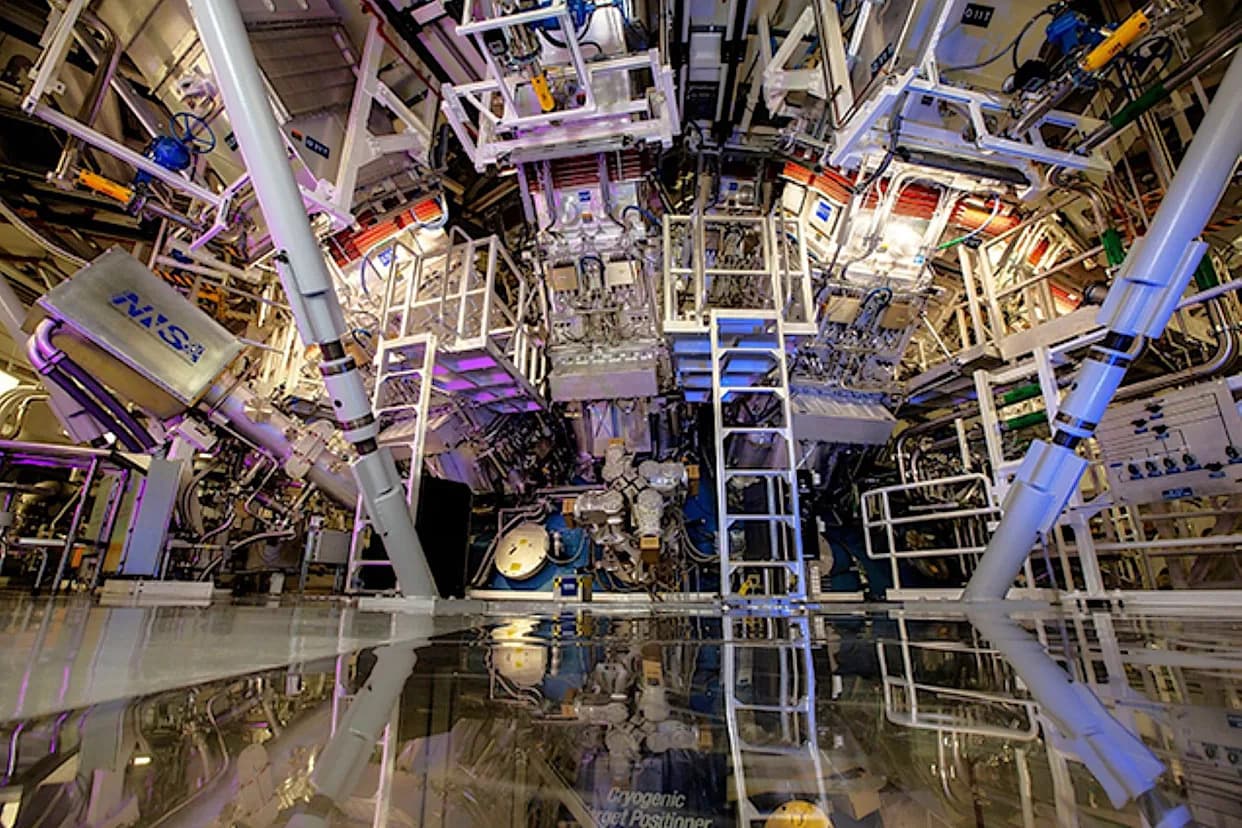
Artificial transmutation has a history: in 1941 researchers produced a radioactive gold isotope by bombarding mercury with fast neutrons. In 1980, a team including Glenn T. Seaborg created gold from bismuth isotopes and noted that producing gold from lead would be possible in principle, though the resulting isotopes would be unstable. CERN experiments have also produced small numbers of gold nuclei in other campaigns — for example, 18 gold nuclei from a uranium target in 2022 — and the Super Proton Synchrotron teams reported lead-to-gold transmutation in 2002 and 2004 using similar near-miss techniques at lower energies.
Why This Isn’t A Gold Rush
Despite the fascinating demonstration, the produced gold nuclei are far too few, too short-lived, and too expensive to extract or use. The method remains a valuable tool for probing nuclear physics and the conditions of the early universe, not a practical way to manufacture precious metals. Building more powerful accelerators could increase yields, but such projects require massive investment and international coordination; some proposed next-generation colliders have been paused or delayed.
Bottom line: CERN’s experiments show that transmuting lead into gold is physically possible, but the result is fleeting, minuscule, and relevant mainly to fundamental science rather than commerce.
Help us improve.