Researchers in the ALICE experiment at CERN’s Large Hadron Collider have produced gold nuclei by removing three protons from accelerated lead nuclei during near‑miss (ultraperipheral) collisions. The runs produced about 29 trillionths of a gram of gold—roughly 86 billion atoms—and researchers estimated production rates up to ~89,000 gold nuclei per second in some configurations. The gold appears as charged nuclei detected by instruments and is not a practical source of metal, but the result is a clear proof of principle about nuclear transmutation under extreme electromagnetic fields.
Scientists Briefly Turn Lead Into Gold at the LHC — A Modern Alchemy Proof of Principle
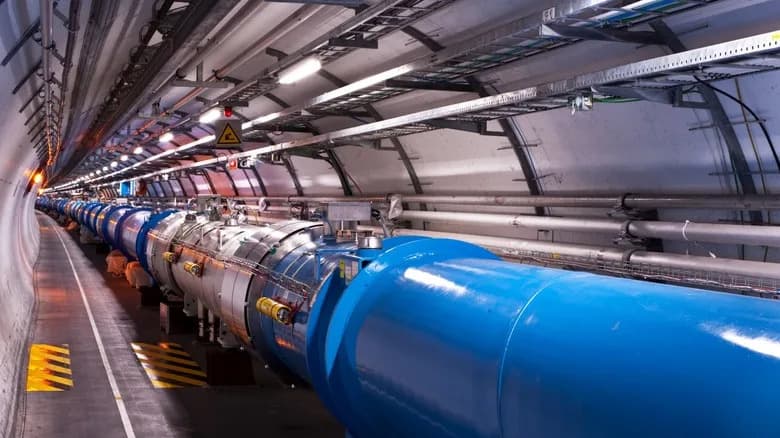
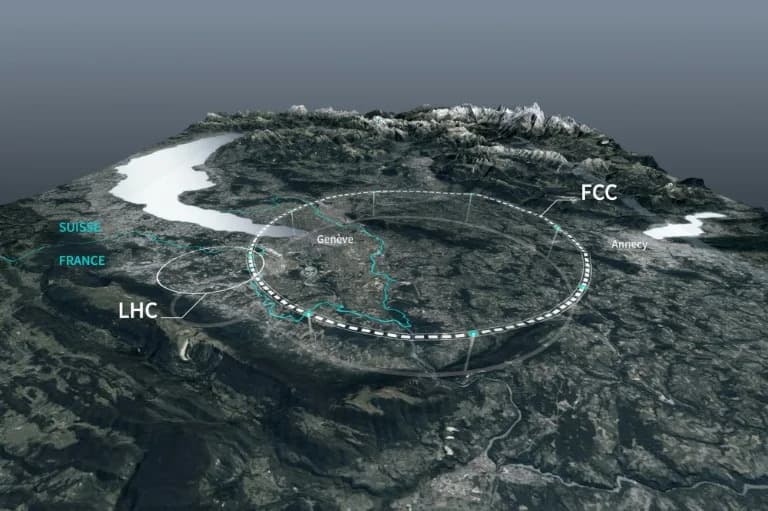
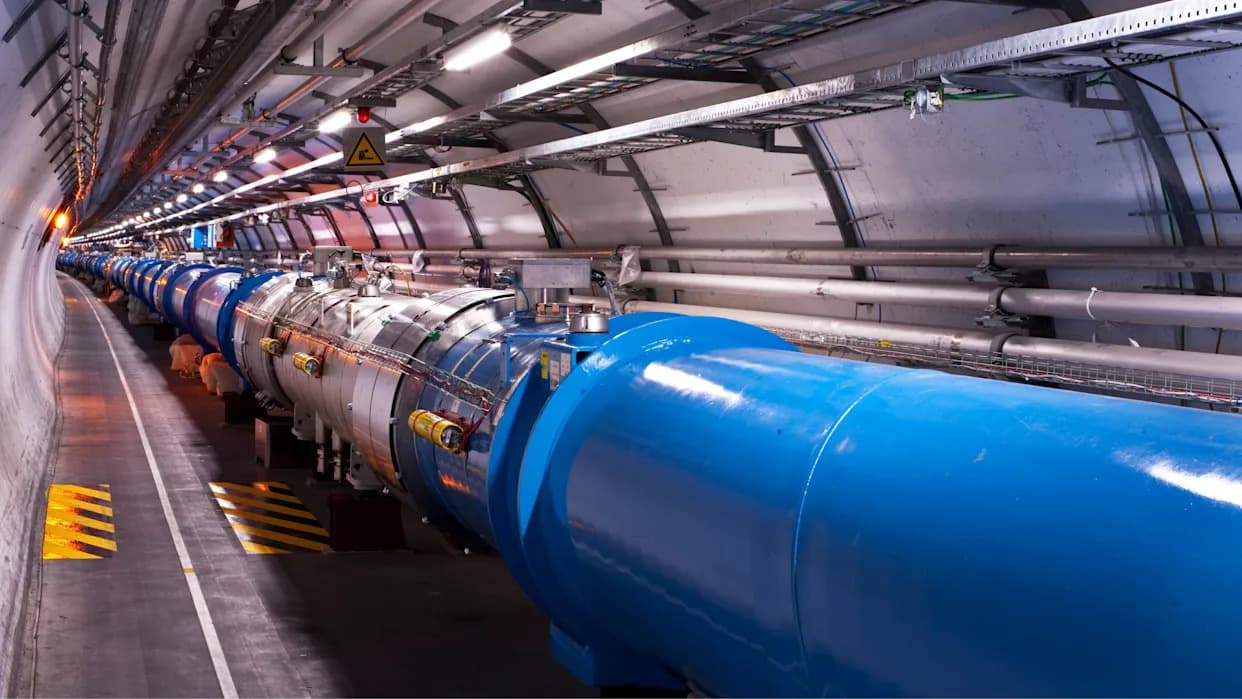
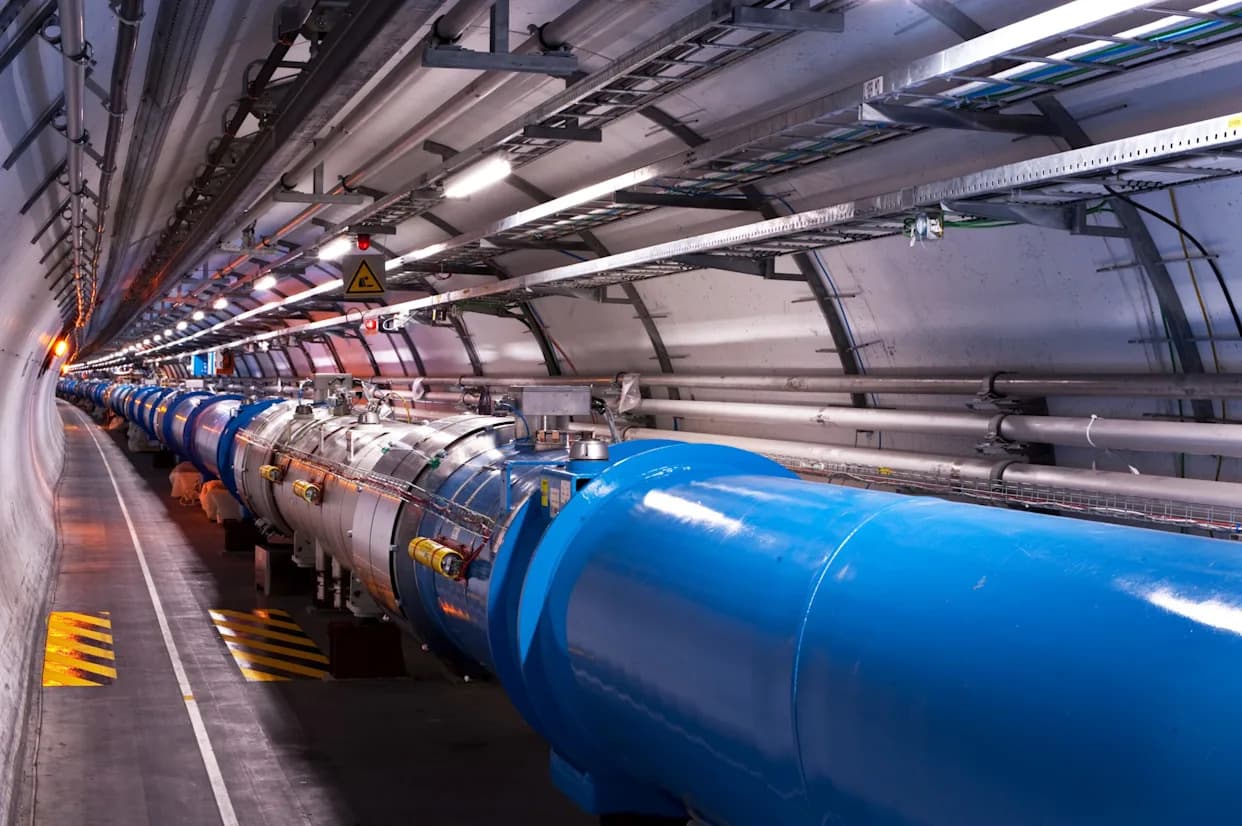
The Large Hadron Collider's tunnel sector 3-4 - CERN/Wikimedia Commons
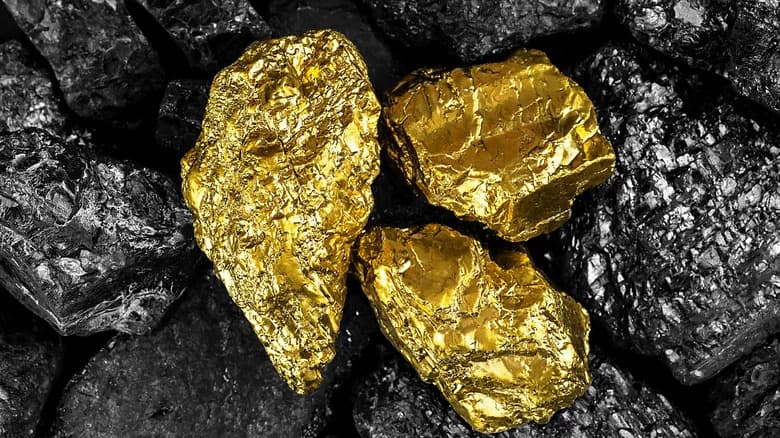
Alchemy promised the transmutation of base metals into gold for centuries. Modern physicists have now demonstrated a form of that transformation under extreme conditions: researchers with the ALICE experiment at the Large Hadron Collider (LHC) have produced gold nuclei by stripping protons from accelerated lead nuclei.
What the Experiment Did
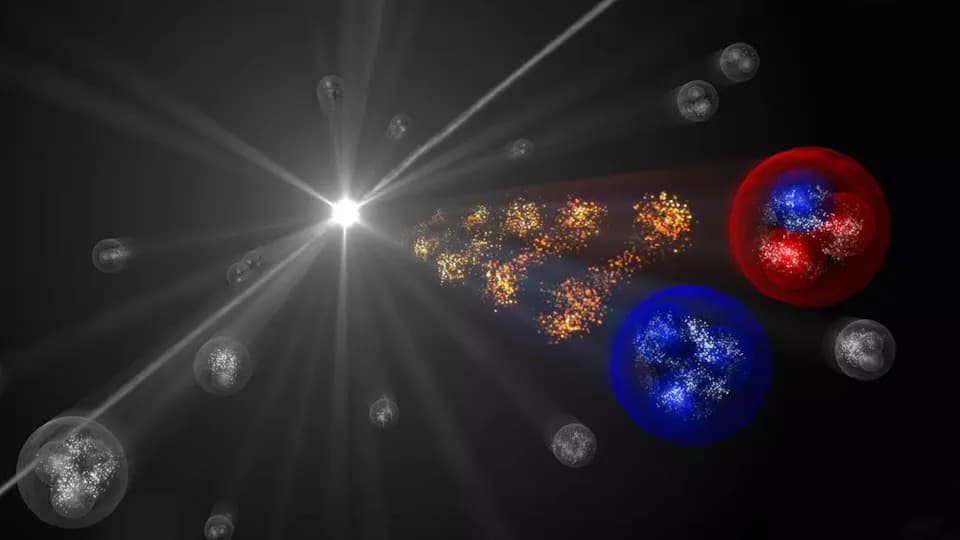
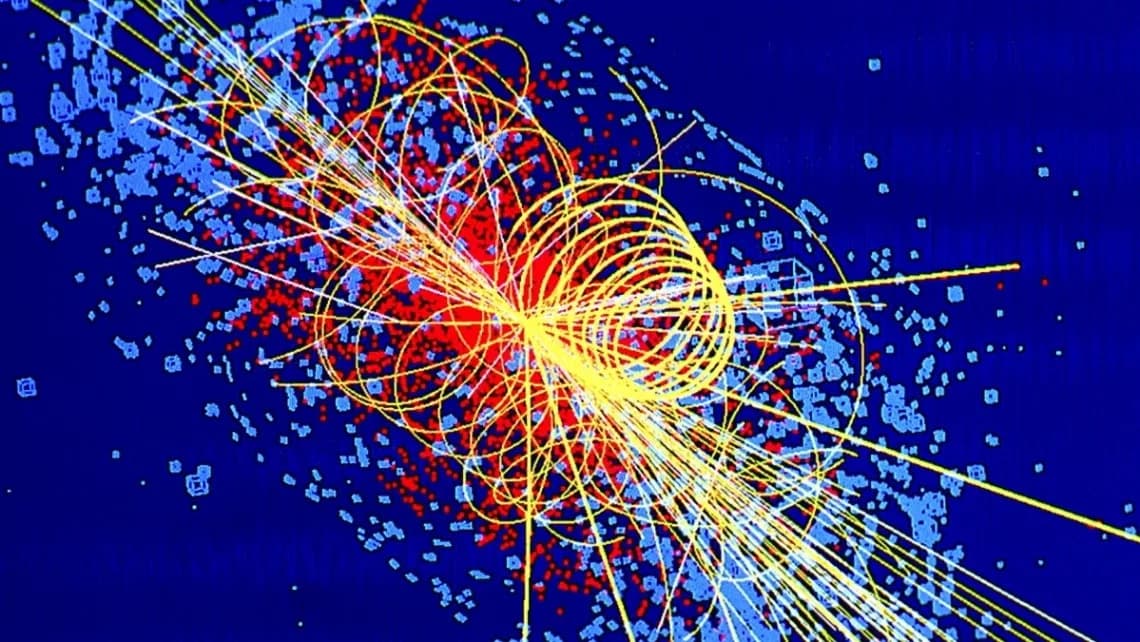
In ALICE, teams accelerated heavy lead ions to nearly the speed of light to recreate the hot, dense—or more precisely, the intensely energetic—conditions analogous to those present in the moments after the Big Bang. Instead of head-on collisions that destroy the nuclei, many interactions were near misses (so-called ultraperipheral collisions) that generate intense, short-lived electromagnetic fields as the charged nuclei pass one another.
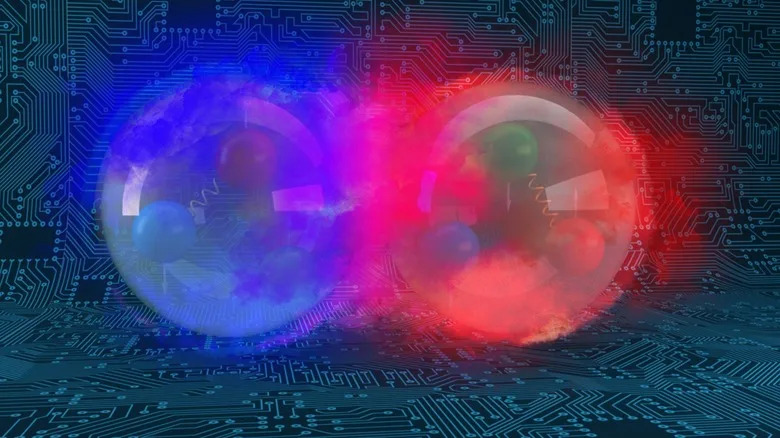
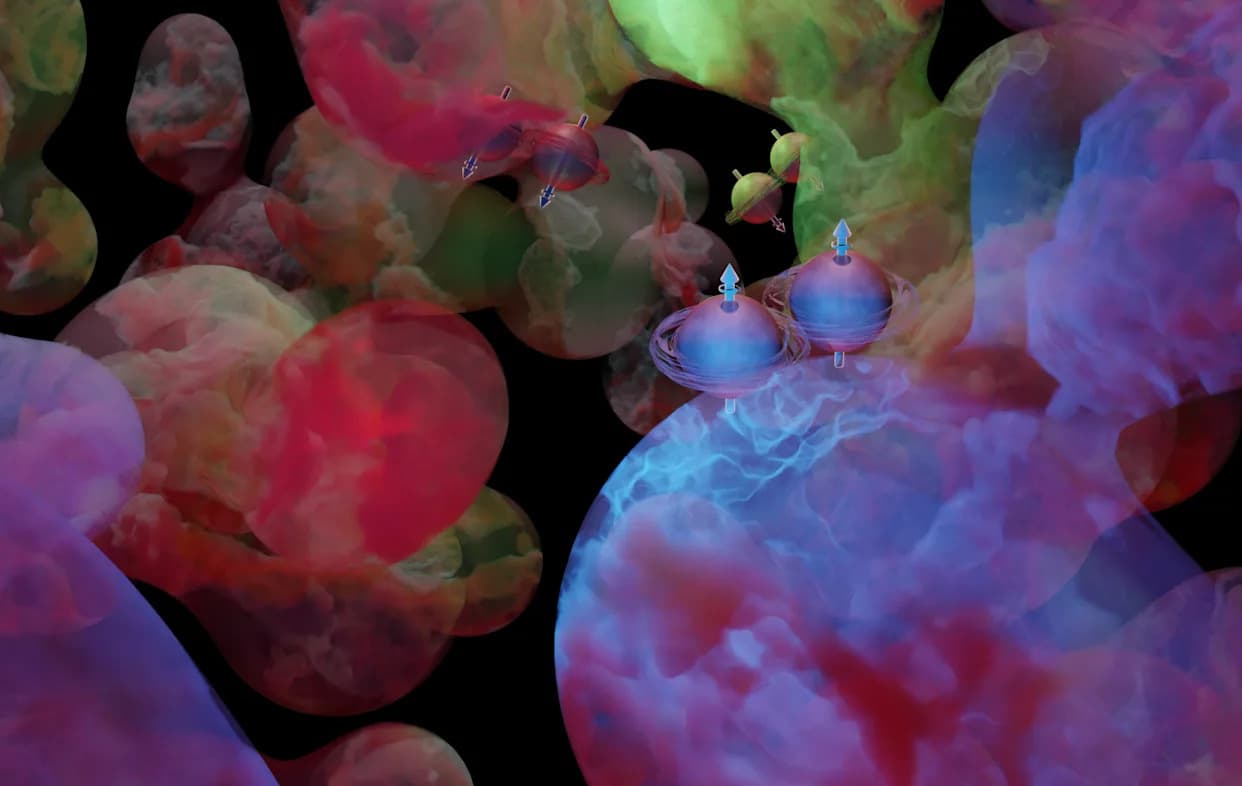
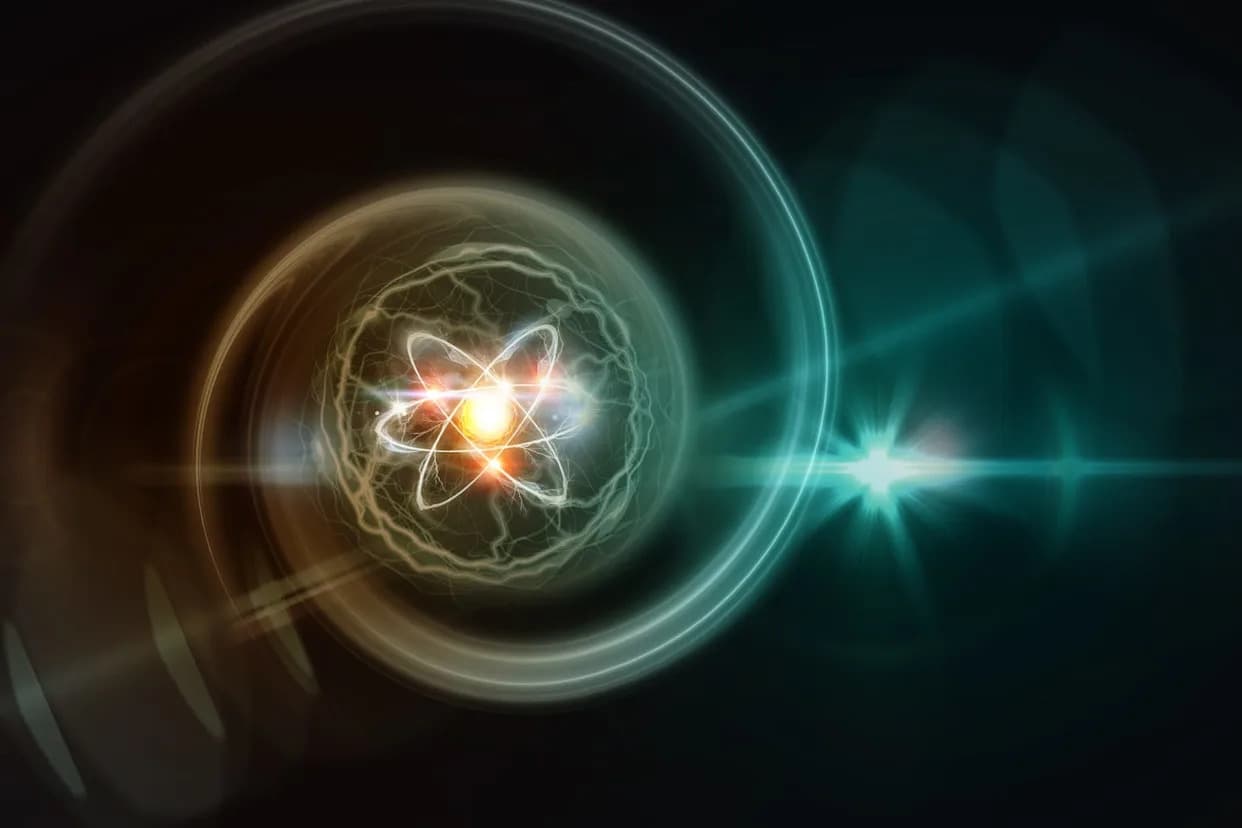
Atomic nucleus simulated on a quantum computer - OLCF/Wikimedia Commons
How Lead Became Gold
Those transient electromagnetic fields can excite a nucleus and occasionally eject individual protons. Because atomic number is defined by proton count (lead = 82, gold = 79), losing three protons converts a lead nucleus into a gold nucleus. ALICE also observed cases where a lead nucleus lost one or two protons, producing thallium and mercury nuclei, respectively.
Scale and Practicality
The amount of gold produced is vanishingly small: about 29 trillionths of a gram, roughly 86 billion atoms, produced under the conditions described. During some runs researchers estimate rates on the order of 89,000 gold nuclei per second, but those nuclei are detected as fleeting charged fragments rather than collectible metal. They typically collide with the collider walls or detectors, making this a demonstration of physical possibility rather than a viable way to make gold for commerce.
Detection and Scientific Value
Detectors in ALICE register the identity and charge of nuclear fragments, allowing scientists to infer when a nucleus has lost protons. The result is an important proof of principle for nuclear reaction dynamics and the behavior of matter under extreme electromagnetic fields—valuable information for nuclear physics and our understanding of strong and electromagnetic forces, even if it has no economic impact on gold supply.
Bottom line: The experiment shows that transmutation of elements is physically possible under extreme, well-controlled laboratory conditions. It's modern 'alchemy' in the strictest scientific sense—a rare and informative occurrence, not a new source of precious metal.
Help us improve.