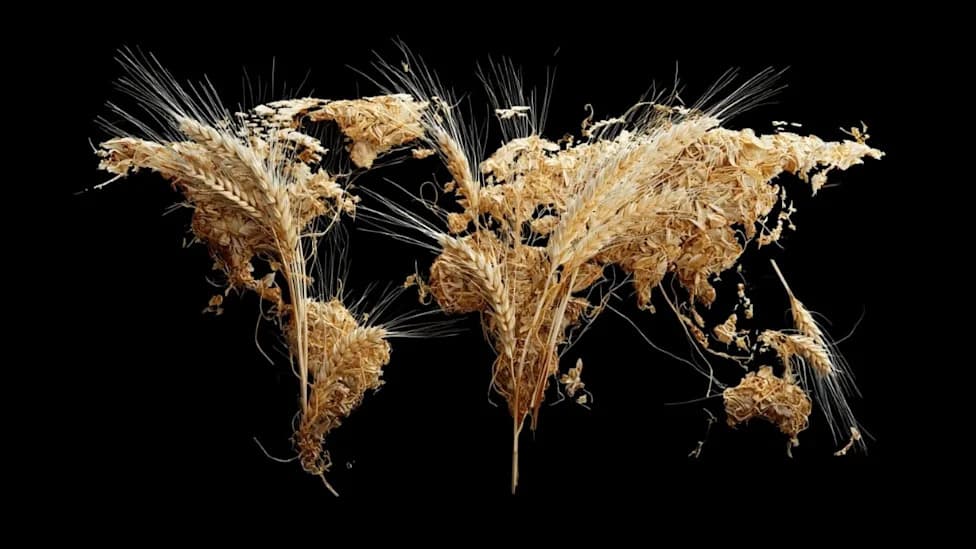
The FAO reports that land degradation now affects more than 1.7 billion people worldwide, with human activities such as deforestation, overgrazing and unsustainable farming accelerating the decline. Nearly 47 million children under five are at increased risk of stunting due to reduced food quantity and quality. The FAO says reversing just 10% of human-induced degradation could feed 154 million more people annually, and calls for sustainable farming and soil-restoration measures alongside technological innovations.
FAO Warns Land Degradation Threatens 1.7 Billion People — "We Must Act Decisively"

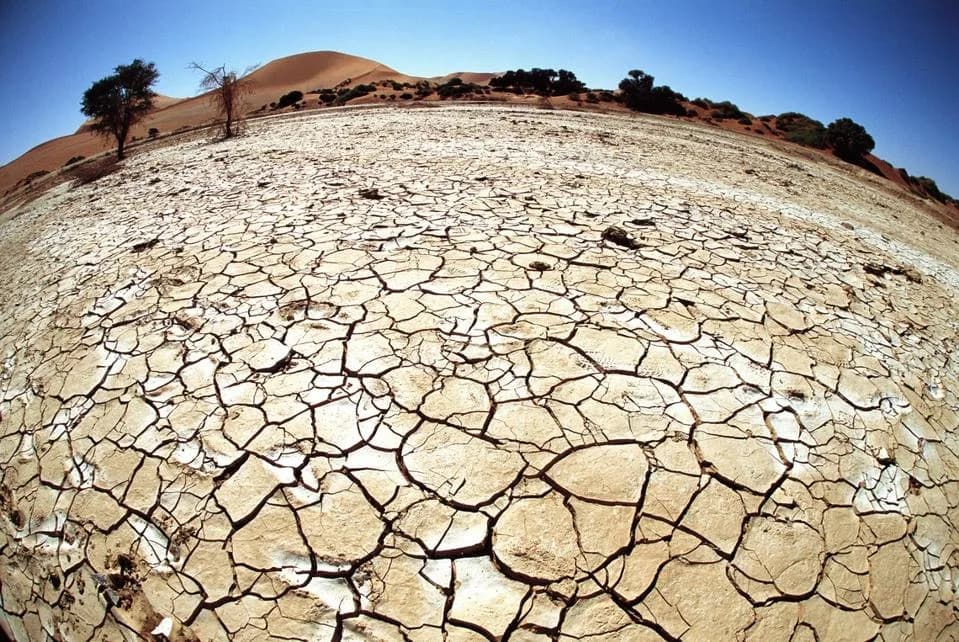
A new report from the Food and Agriculture Organization of the United Nations (FAO) warns that land degradation — a long-term decline in soil and land health that lowers agricultural productivity — now affects more than 1.7 billion people worldwide.
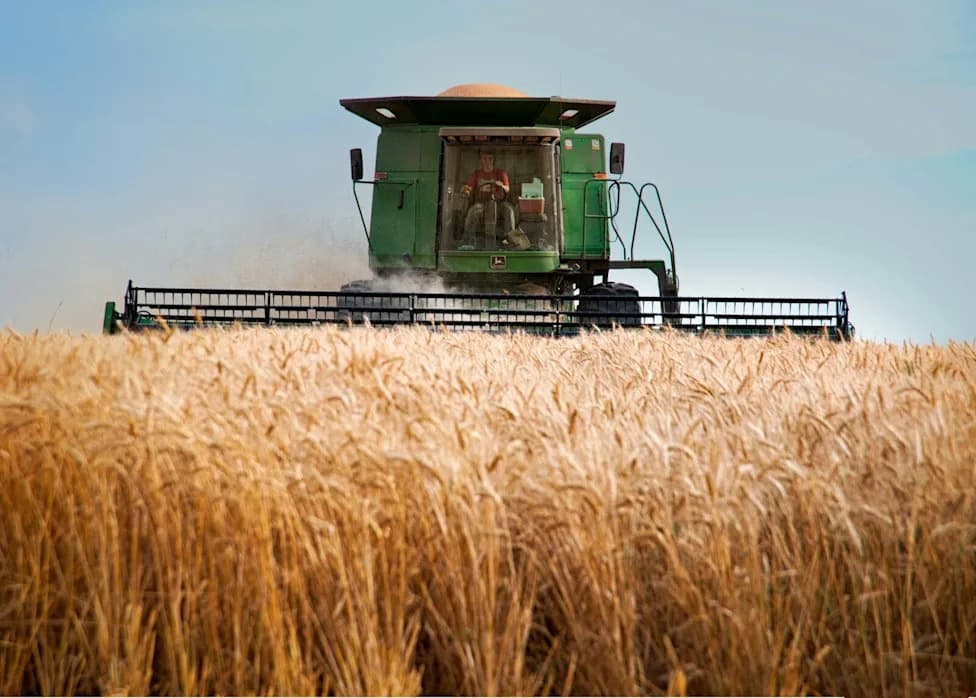
The FAO calls land degradation "a pervasive and silent crisis that is undermining agricultural productivity and threatening ecosystem health worldwide." The problem is particularly urgent because roughly half of the planet's habitable land is used for agriculture, giving these trends direct consequences for global food supplies and livelihoods.
How Land Degradation Happens
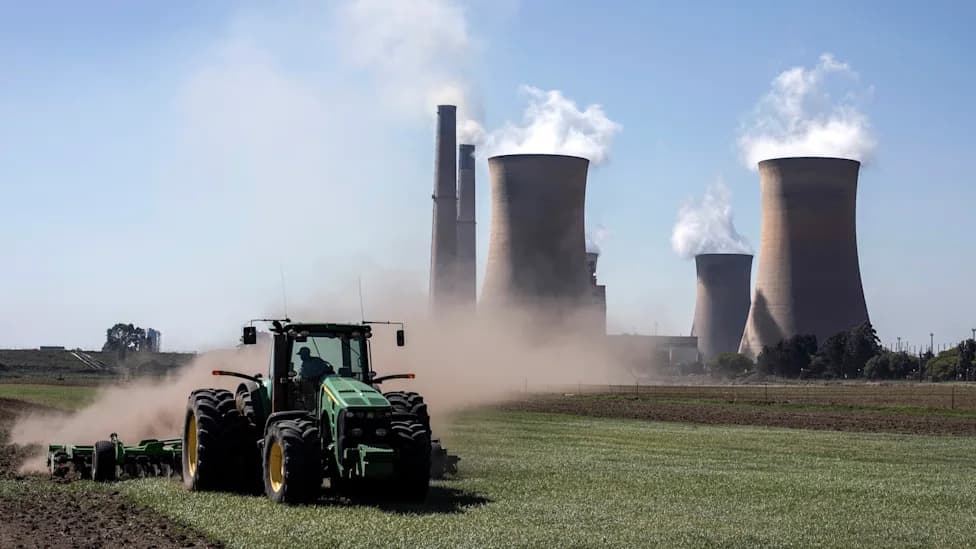
Some land deterioration is natural, but human activities are accelerating the process. Drivers named in the FAO report include deforestation, overgrazing, unsustainable farming practices and the stresses of climate change, including rising temperatures and shifting precipitation patterns. In many regions these factors combine to reduce crop yields and degrade soil quality.
Scope and Human Impact
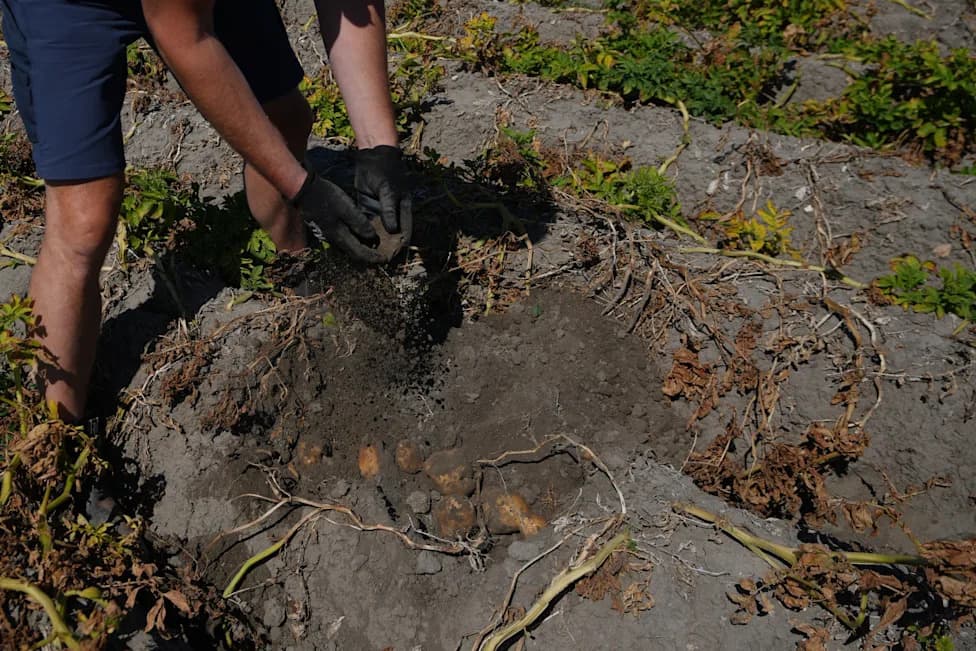
The FAO estimates that in areas where crop yields have declined by more than 10% because of human-induced land degradation, a total of about 1.7 billion people are affected. Nearly 47 million of them are children under five, who face higher rates of stunting as food becomes less available and less nutritious.
Lower yields mean not only less food but also crops with reduced nutritional value, which deepens food insecurity and public health problems. Yield losses also translate into economic harm for farmers and rural communities: while producers may absorb some costs in the short term, losses eventually push up prices for consumers.
What Can Be Done
The FAO report emphasizes that restoring land and investing in soil health are among the clearest ways to bolster food security. It finds that reversing just 10% of human-induced land degradation could increase agricultural productivity enough to feed an additional 154 million people each year.
Recommended measures include wider adoption of sustainable farming methods — such as crop rotation, use of cover crops, reduced tillage, and improved grazing management — alongside policies and investments that support farmers during transitions to better practices.
"To seize these opportunities, we must act decisively," said Qu Dongyu, FAO Director-General.
Science and Innovation
Researchers are also developing technologies and biological approaches to help agriculture adapt. Scientists at La Trobe University in Melbourne are studying ways to manipulate plant cells to promote more uniform seed germination, which can make planting more predictable. A team at the University of Arkansas has demonstrated a solar-powered plasma water generator that can boost germination rates for older or difficult seeds by up to 135% in trials.
While such innovations can help farmers cope with changing conditions, the FAO stresses that technological fixes are complements — not substitutes — for restoring soil health and adopting sustainable land management at scale.
Addressing land degradation will require coordinated action from governments, farmers, researchers and consumers: better land stewardship and targeted investment can protect ecosystems, strengthen food systems, and reduce long-term costs to economies and public health.
Help us improve.