Bill Gates says affordability, not a lack of concern, is the main barrier to faster climate action. He warns markets alone won't scale low-carbon solutions in hard-to-decarbonize sectors like manufacturing and aviation and calls for policy tools such as carbon pricing. Experts note rising energy and food costs are "directly undermining human development goals," with agriculture a key vulnerability. The Gates Foundation has pledged $1.4 billion to help farmers adapt, and Gates highlights AI's potential to give poorer farmers better advice on weather, prices, and crop threats.
Bill Gates: Affordability, Not Apathy, Is Blocking Climate Progress — "Undermining Human Development"

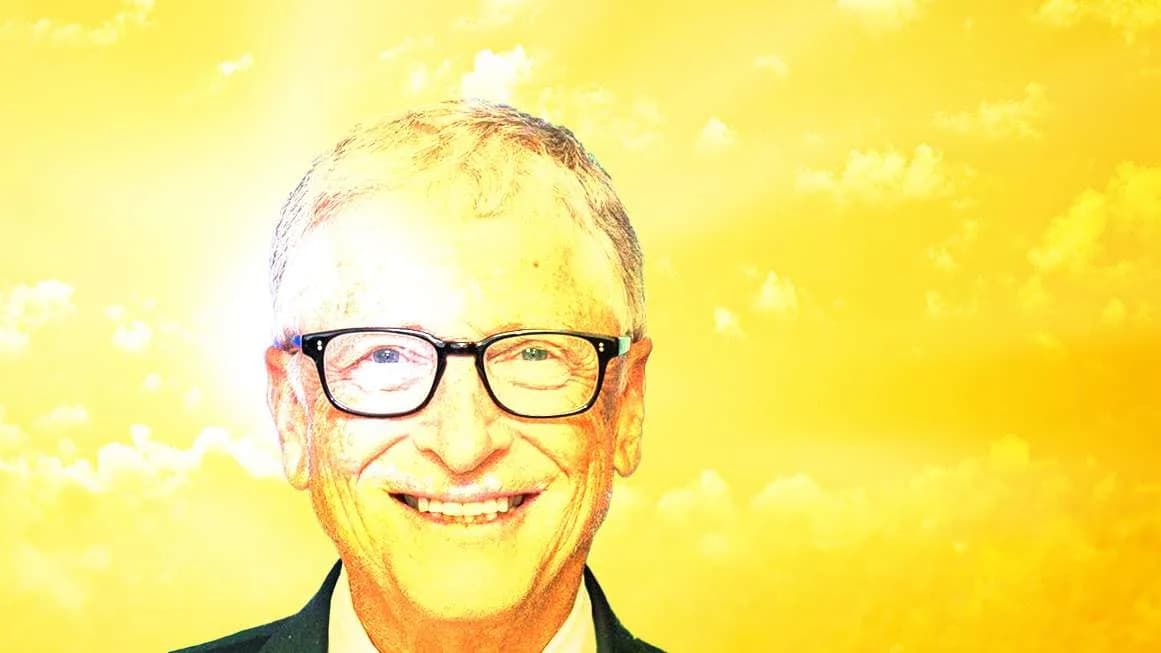
Photo Credit: Getty Images
Billionaire philanthropist Bill Gates argues that one of the most overlooked drivers of rising global temperatures is not a lack of concern or technology but the failure to make cleaner alternatives cheap enough to replace the cheapest, most polluting systems in use today.
Market Failures and the Need for Policy
In his annual year-ahead letter, Gates warns that market forces alone will not deliver the breakthroughs required to decarbonize major polluting sectors—especially hard-to-abate industries such as manufacturing and aviation. He emphasizes that without public-policy tools like carbon pricing, there is little commercial incentive to scale technologies that still cost more than fossil-fuel-based systems.
"We will soon be able to provide poor farmers with better advice about weather, prices, crop diseases, and soil than even the richest farmers get today." — Bill Gates
Costs Hurt The Most Vulnerable
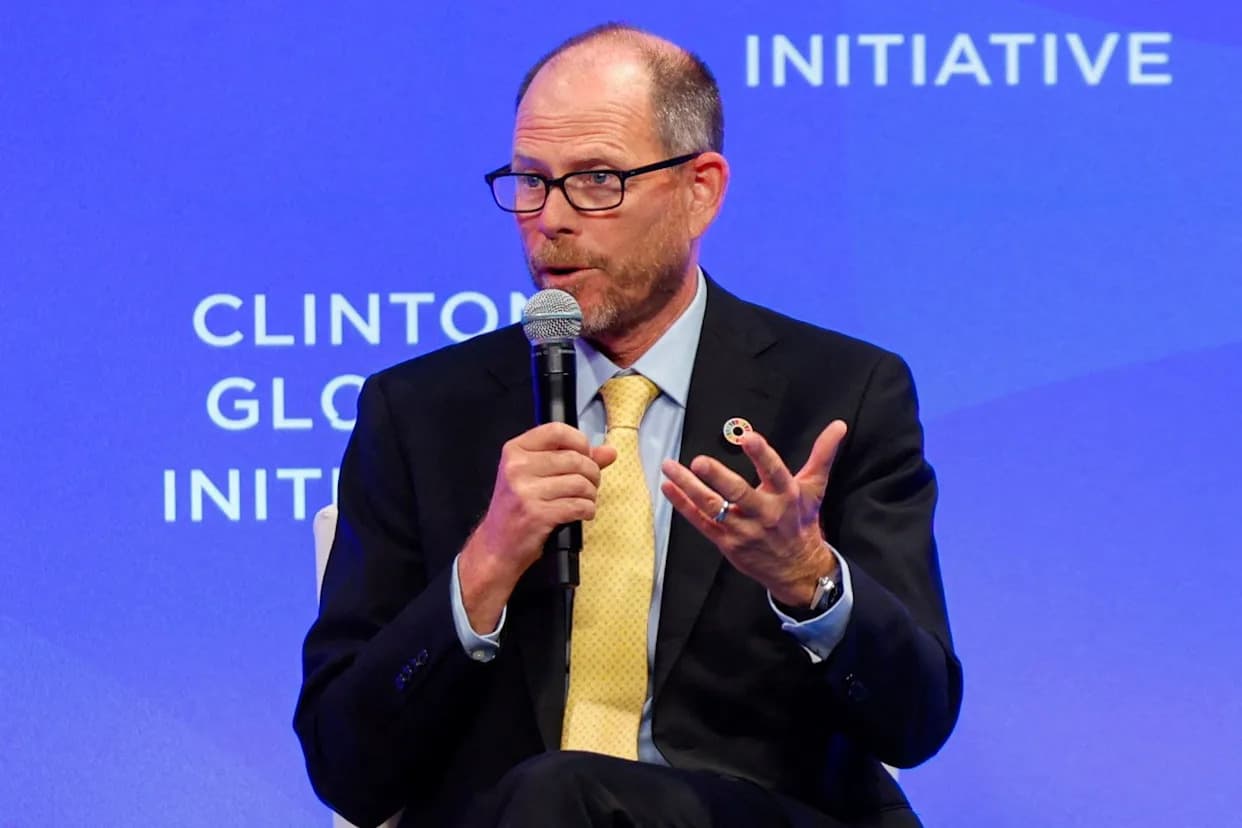
Gates cautions that overemphasizing short-term emissions cuts can slow long-term progress in some places if the transition raises energy, food, or transport costs. Experts—from Rachel Cleetus at the Union of Concerned Scientists to development specialists—note these price pressures are "directly undermining human development goals, poverty eradication, and health goals." Low-income households are disproportionately affected when basic costs rise.
Agriculture: A Central Focus
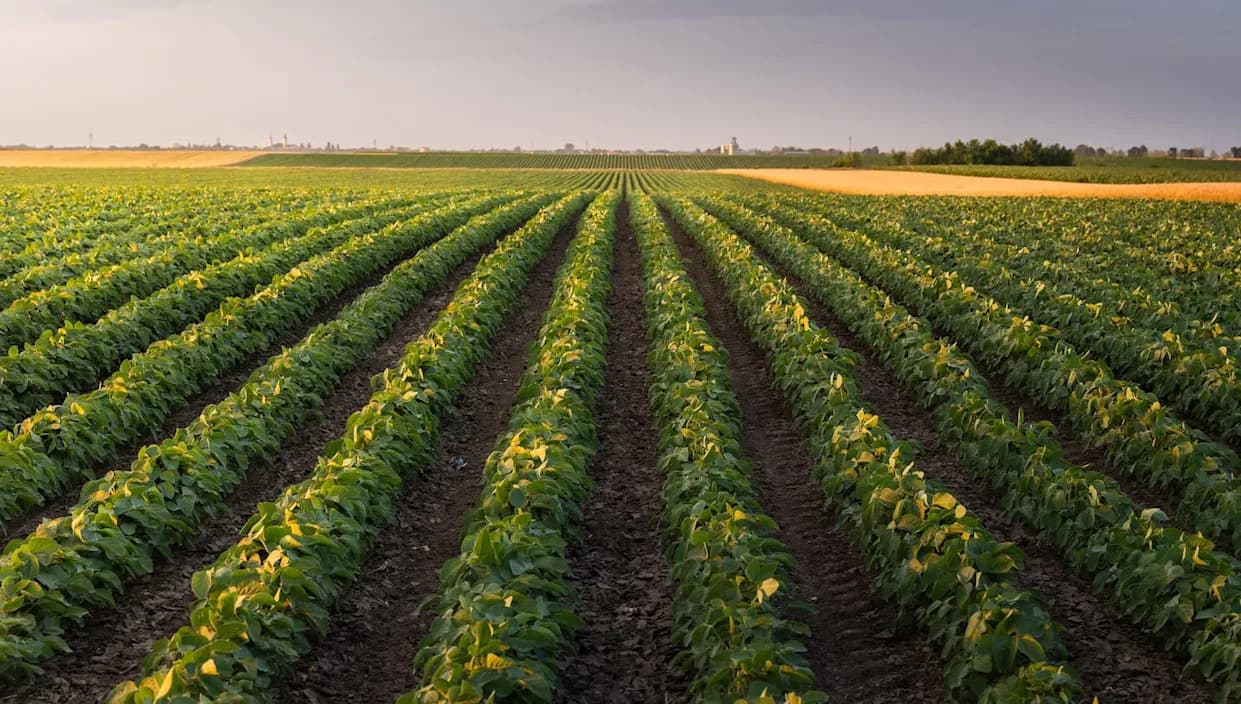
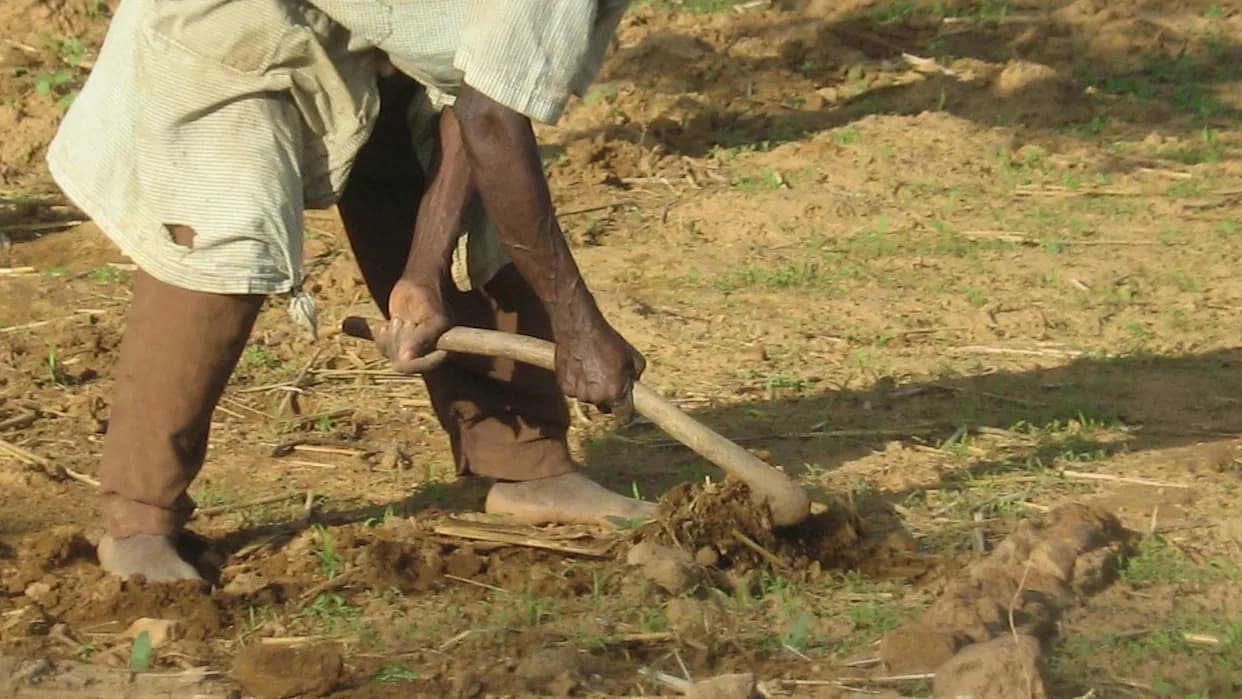
Those stresses are especially visible in agriculture: unstable growing seasons, crop losses, and rising input costs push food prices higher, increasing the risk of childhood malnutrition and long-term health consequences. The Gates Foundation has committed $1.4 billion to help farmers adapt to worsening climate extremes, focusing on regions where even small yield declines can be catastrophic.
Technology, Innovation, And Equity
Gates stresses that cleaner systems will only be adopted globally if they make everyday life better and do not shift burdens onto the people least able to pay. He remains optimistic about innovation and modern infrastructure—pointing to tools such as artificial intelligence that could close information gaps for poorer farmers and improve resilience.
Bottom line: To achieve faster climate progress, cleaner technologies must be made more affordable through a mix of innovation, targeted investment, and policy measures that align market incentives with long-term development and equity goals.
Help us improve.