A satellite-radar study of 40 major river deltas finds many are subsiding faster than sea levels are rising, placing more than 236 million people at greater flood and saltwater-intrusion risk. Human activities — especially groundwater extraction (affecting about 35% of studied deltas), sediment loss and urban development — are key drivers. Researchers urge immediate local actions like groundwater management and wetland restoration, plus long-term cuts to emissions and coordinated policy responses.
Study Finds 40 Major River Deltas Sinking — 236 Million People Face Greater Flood Risk
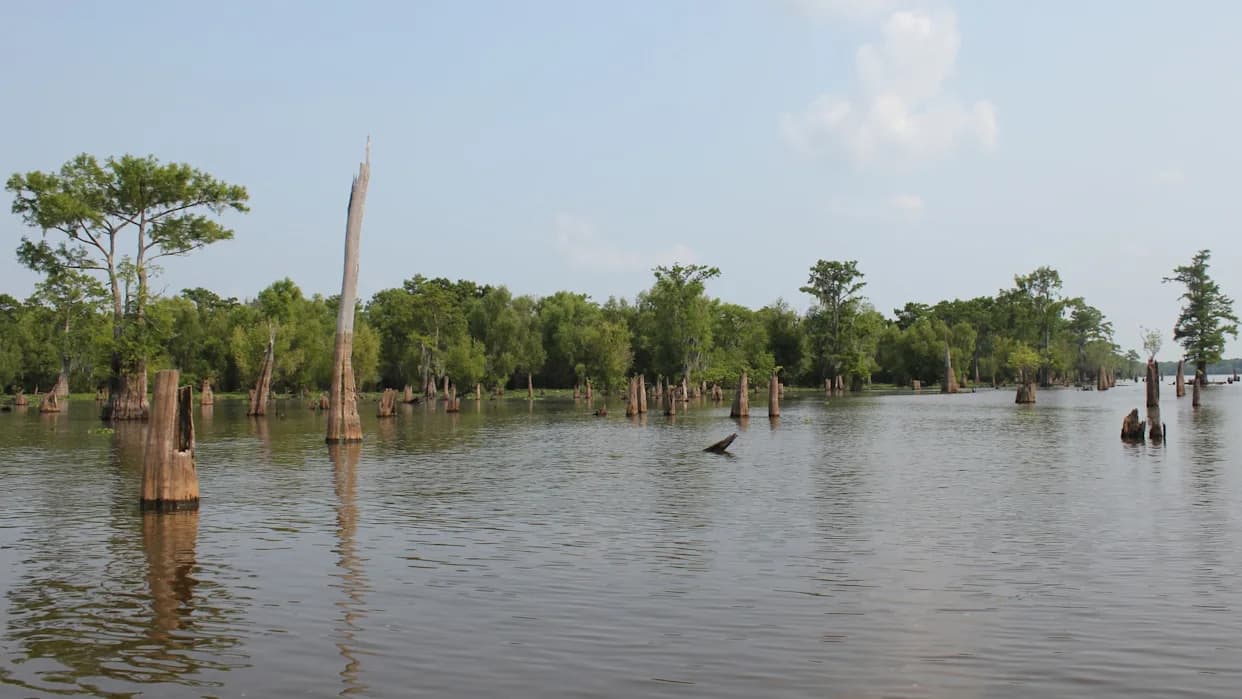
Photo Credit: iStock
A global satellite-radar analysis of 40 major river deltas shows widespread land subsidence that, in many places, outpaces sea-level rise. The loss of land puts communities, infrastructure and ecosystems at growing risk from flooding, storm surge and saltwater intrusion.
The study, published in Nature and led by researchers at the University of California, Irvine, examined deltas including the Mississippi, Nile and Yellow River. Using satellite measurements, the team estimates that more than 236 million people now face increased flood exposure due to delta subsidence alone.
Project partners — including the University of Southampton — report that human activity is the primary driver. Roughly 35% of the 40 deltas are sinking mainly because of groundwater extraction; reduced sediment supply and urban development that prevent natural land-building are other common causes.
Leonard Ohenhen, lead author: In every delta we monitored, at least some portion is sinking faster than the sea surface is rising, and the dominance of subsidence over sea-level rise was more pervasive than anticipated.
Regional examples underscore the scale of the problem: the Mississippi River Delta is subsiding at an average rate of about 3.3 millimeters per year, with some areas losing over 3 inches per decade. Although deltas cover less than 1% of Earth’s land area, the Geological Society of America notes they support large populations, major ports, fisheries, agriculture and important ecosystems.
As deltas sink, routine flooding becomes more frequent, storm surges grow more destructive and freshwater supplies are increasingly vulnerable to saltwater intrusion. In parts of coastal Louisiana, entire communities have already begun relocating because of the combined effects of subsidence and sea-level rise.
Subsidence compounds anthropogenic sea-level rise driven by greenhouse-gas emissions, melting polar ice and thermal expansion of oceans. Together, these processes accelerate coastal hazards and reduce the long-term habitability of low-lying regions.
Solutions and Responses
Researchers emphasize that targeted local actions can slow or reduce damage. Effective measures include improved groundwater management, restoring and protecting wetlands, reestablishing sediment delivery where possible, and constructing nature-based flood barriers and resilient infrastructure. Policy, planning and community engagement are also critical.
International cooperation can help, too: cross-border restoration efforts such as the U.S.–Mexico agreement to revive the Colorado River Delta show how coordinated action can restore delta environments and services.
Leonard Ohenhen: The time we have to respond is now, before the situation gets significantly worse.
Long-term solutions require reducing planet-warming emissions, strengthening coastal planning, and expanding public awareness about these rapidly changing landscapes. As James Karst of the Coalition to Restore Coastal Louisiana observed, people should understand that these regions are changing quickly and will need sustained attention and resources.
Help us improve.