University of Sheffield researchers report that mycorrhizal fungi may sequester about 36% of the world’s annual air pollution, with fungal carbon banks burying an estimated 13 gigatons per year. These fungi form global underground networks that trade pollution-derived sugars with plants in a long-standing symbiosis. Scientists warn that agriculture and other human activities threaten soil ecosystems and urge stronger soil-protection measures to preserve this natural carbon sink.
Underground Allies: Fungi May Store About 36% Of Global Air Pollution, Sheffield Report Finds
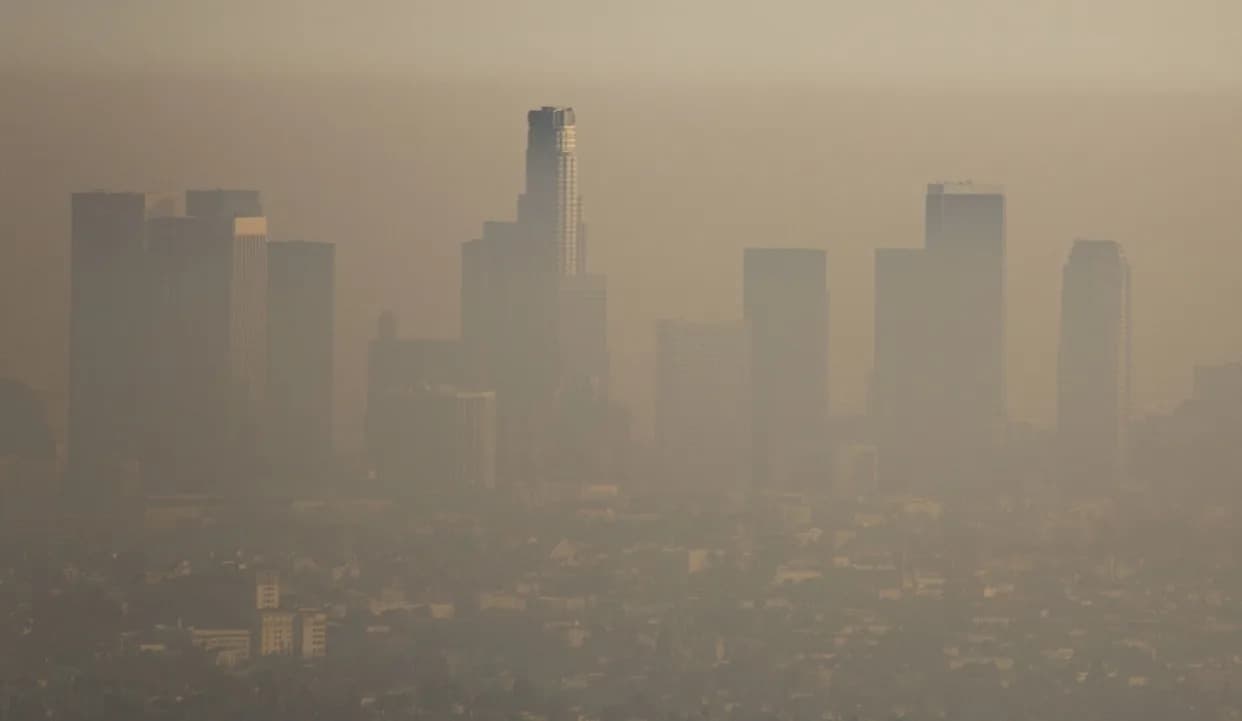
Photo Credit: iStock
Researchers at the University of Sheffield say a common but powerful group of fungi — mycorrhizal fungi — may be responsible for storing roughly 36% of the world’s annual air pollution underground. Their report highlights how ancient fungal networks work with plants to capture and sequester large amounts of atmospheric pollutants.
How the Fungi-Plant Partnership Works
Mycorrhizal fungi form vast, thread-like networks that connect with plant roots on every continent. Plants absorb airborne pollutants and convert some of these compounds into sugars. The fungi feed on those sugars and, in return, supply plants with nutrients and improved access to water and minerals. According to the Sheffield report, this exchange helps lock substantial amounts of pollution into soil systems, creating what researchers call "fungal carbon banks."
Scale and Impact
The researchers cite striking examples: a single fungal network in Michigan spans about 91 acres, and aggregated fungal carbon banks are estimated to sequester roughly 13 gigatons of air pollution each year — a number the report compares to major national emission totals. The team argues that mycorrhizal fungi have been an underappreciated factor in carbon and pollution models.
"Mycorrhizal fungi represent a blind spot in carbon modeling, conservation, and restoration — the numbers we've uncovered are jaw-dropping, and when we're thinking about solutions for climate we should also be thinking about what we can harness that exists already," said Professor Kate Field of the University of Sheffield.
Threats From Human Activity
Despite their importance, these subterranean systems are vulnerable. The report warns that agricultural practices, land conversion, and other forms of soil disturbance are degrading fungal networks and the broader soil ecosystems they support. The researchers reference a United Nations projection that up to 90% of soils could be degraded by 2050 if current trends continue.
What Scientists Recommend
To preserve this natural carbon-storage process, the team urges policymakers and land managers to adopt stronger soil-conservation measures, protect natural habitat connectivity, and incorporate fungal networks into carbon accounting and restoration plans. Supporting healthy soils, they argue, is a practical way to reinforce an existing, nature-based solution to climate and air-quality challenges.
Bottom line: Mycorrhizal fungi and healthy soils are a major, underrecognized component of the planet’s ability to capture and store airborne pollution — protecting them could help amplify natural carbon sinks.
Help us improve.