The study of about 2,500 complete mitochondrial genomes finds evidence for two separate groups of modern humans reaching Sahul (Australia and New Guinea) about 60,000 years ago, supporting a "long chronology" of settlement. Researchers traced maternal lineages to two Southeast Asian source regions — mainly northern Indonesia and the Philippines, plus a southern Indonesia/Malaysia/Indochina cluster — and linked those lineages back to eastern Africa around 75,000 years ago. The results align better with fossil and archaeological data, highlight early seafaring skill, and will be tested further with whole-genome sequencing.
Ancient Genetic Split Reveals Two Separate Voyages Into Sahul About 60,000 Years Ago

Researchers Found a Split in Human AncestryMalorny - Getty Images
New genetic analysis suggests that early modern humans reached the ancient landmass of Sahul — today’s Australia and New Guinea — in at least two distinct groups roughly 60,000 years ago. The findings, based on maternal mitochondrial DNA, support a “long chronology” for settlement and shed light on early maritime routes and interactions as humans spread through Southeast Asia and Oceania.
What the Study Did
An international team led by the University of Southampton and the University of Huddersfield compiled and dated a maternal genealogy using about 2,500 complete mitochondrial genomes (mtDNA). Because mtDNA is passed only from mothers to offspring, these sequences allow detailed reconstruction of maternal lineages and the timing of their splits.
Key Findings
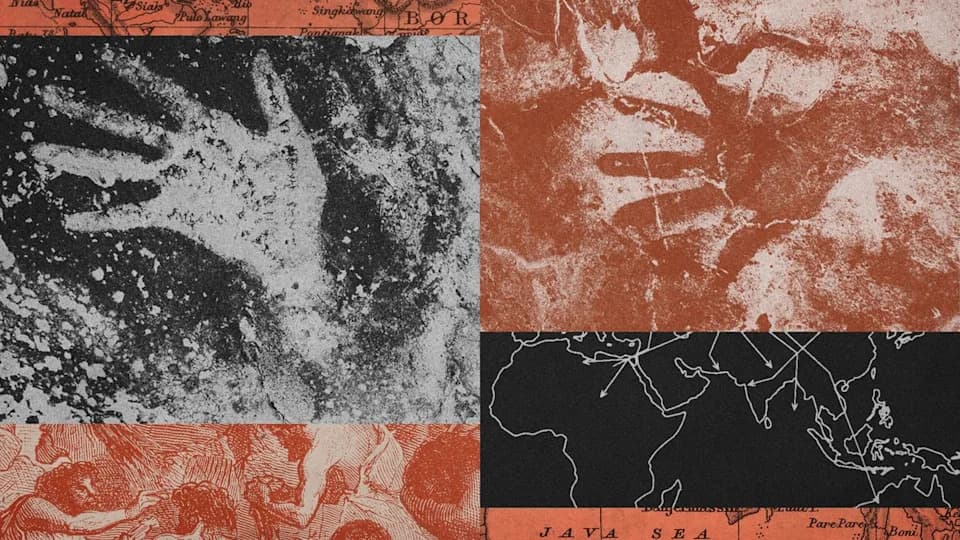
The analysis identified the oldest mtDNA lineages found uniquely in Aboriginal Australians and New Guineans (or in one of those populations) as dating to around 60,000 years ago. Using molecular-clock methods to convert genetic differences into dates, the researchers traced the immediate ancestral sources to Southeast Asia: a larger cluster linked to northern Indonesia and the Philippines, and a smaller cluster linked to southern Indonesia, Malaysia and Indochina. The geographic pattern implies two distinct dispersal routes into Sahul occurring at roughly the same time.
“This is a great story that helps refine our understanding of human origins, maritime mobility, and early seafaring narratives,” said Professor Helen Farr of the University of Southampton. “It reflects the really deep heritage that Indigenous communities have in this region and the skills and technology of these early voyagers.”
Palaeogeography and Broader Ancestry
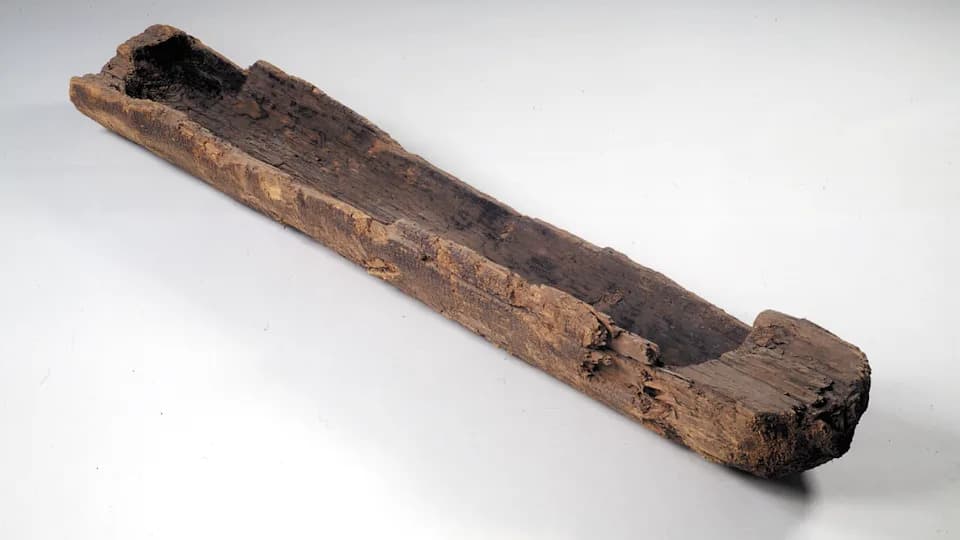
The authors emphasize that during the last Ice Age sea levels were much lower and New Guinea and Australia were joined as the Sahul landmass, reducing crossing distances but still requiring sophisticated navigation and seafaring skills. Although both Sahul-bound groups trace their immediate origin to Southeast Asia, the deeper ancestry of these lineages points back to eastern Africa about 75,000 years ago. The team proposes that the two groups split from a single African dispersal before moving toward Sahul and that migrating groups may have encountered other archaic humans en route, including Homo floresiensis.
Limitations And Next Steps
The authors note important caveats: mtDNA represents a single maternal lineage and molecular-clock estimates carry uncertainty. To test and refine these results, the team is now analyzing hundreds of whole human genomes — each roughly three billion bases compared with about 16,000 bases in mtDNA — which will provide many independent lines of evidence across the genome.
Significance: The study strengthens the long-chronology view of early settlement in Sahul, highlights the remarkable maritime capabilities of early modern humans, and underscores the exceptionally deep and continuous ancestry of Aboriginal Australians and New Guineans among populations outside Africa.
Help us improve.