Iraq announced it has withdrawn a terror listing that briefly named Lebanon's Hezbollah and Yemen's Houthi rebels, calling the inclusion a mistake made "before reviewing." The names appeared on a Nov. 17 asset-freeze list that included 24 organizations accused of "participating in committing a terrorist act." Prime Minister Mohammed Shia al-Sudani has ordered an investigation. Officials said Iran-aligned factions pressured Baghdad to reverse the listing, which had sparked public backlash from Iraqis who view the groups as resistance movements.
Iraq Withdraws Terror Listing of Hezbollah and Houthi Rebels, Calls Inclusion a "Mistake"

Iraq Retracts Terror Designation for Hezbollah and Houthis
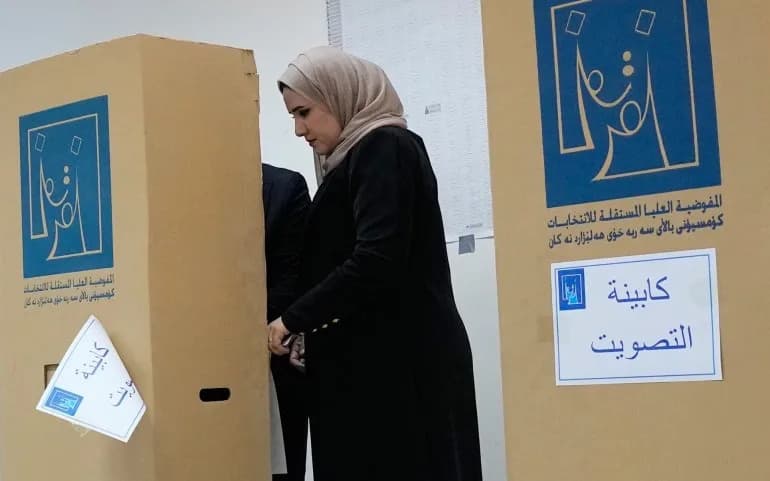
Iraq's government said on Thursday it has rescinded a terror listing that briefly named Lebanon's Hezbollah and Yemen's Houthi movement, acknowledging the move was made in error less than a week after it appeared in the official gazette.
The original decision, published on Nov. 17, had placed Hezbollah and the Houthis among 24 organizations in a national asset-freeze order, accusing them of "participating in committing a terrorist act." The government said the two groups' names would be removed in a corrected version of the gazette and described the inclusion as a mistake made "before reviewing."
Prime Minister Mohammed Shia al-Sudani has ordered an investigation into how the error occurred.
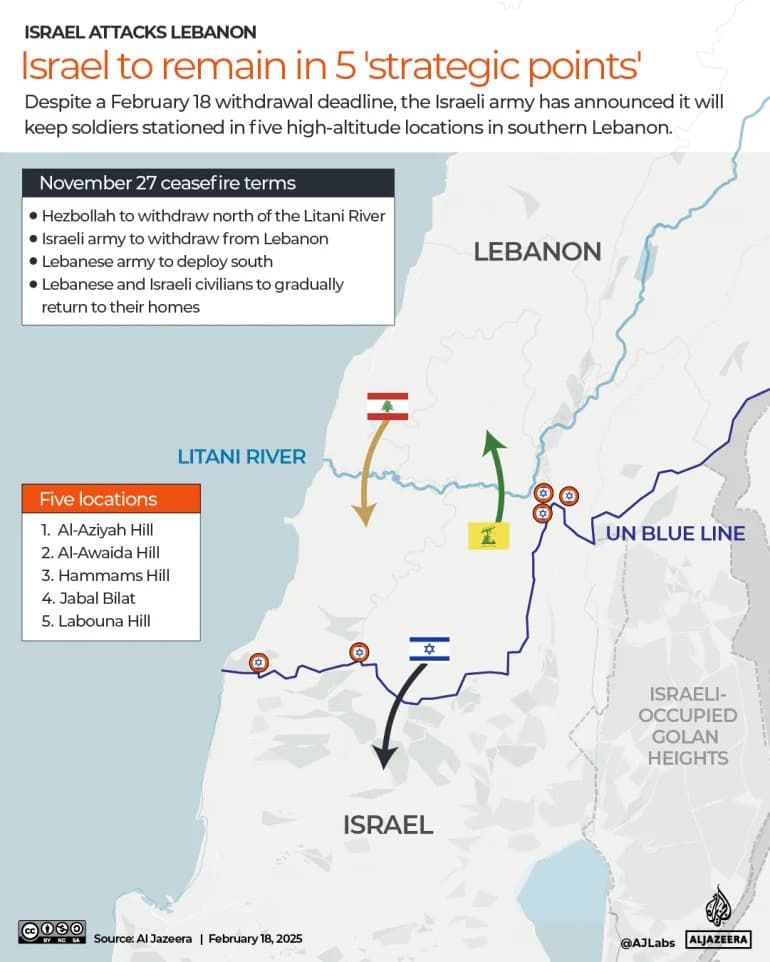
The reversal comes amid competing pressures on Baghdad. The United States has been pressing Iraq to take a tougher line against local Iran-backed militias, while Iraq also seeks to maintain fragile ties with Tehran. Officials and analysts have warned that a wider Israel-Iran confrontation could easily spill over into neighboring countries.
"The names of Hezbollah and the Houthis will be removed," the government said in a statement.
Two Iraqi officials, speaking anonymously because they were not authorized to discuss internal deliberations, told reporters that the reversal followed a pressure campaign by Iran-aligned political blocs and armed groups in Iraq. Those factions argued the listing risked targeting regional allies and could provoke a confrontation with Tehran.
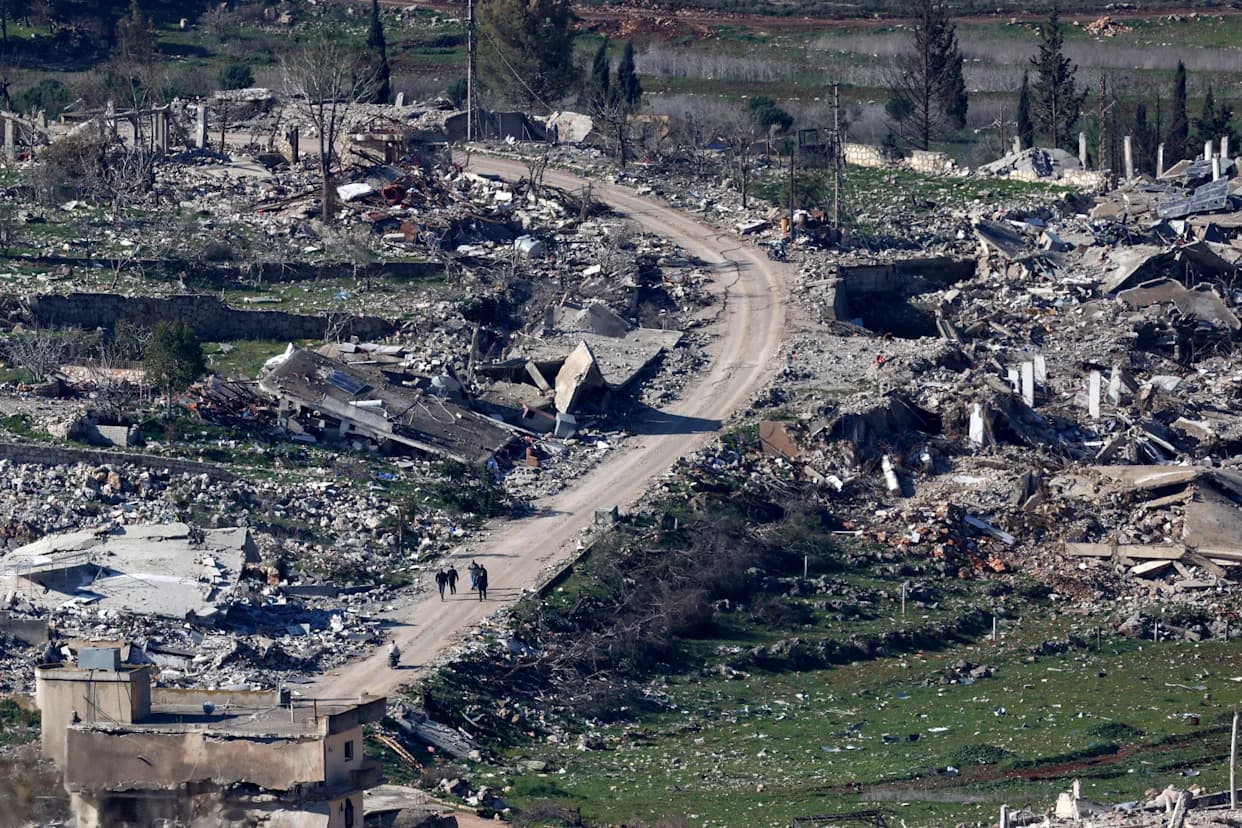
The decision also prompted public criticism from Iraqis who support the Palestinians and view Hezbollah and the Houthis as resistance movements against Israel. Both groups launched strikes against Israel after the Oct. 7, 2023, Hamas-led attack that helped trigger the Israel-Hamas war in Gaza.
"It is unfair and it is not a right decision, and we consider it against Islam," said Raad Mohammed, a Baghdad resident, before the reversal was announced. Political analyst Anwar al-Musawi said the episode highlighted Iraq's awkward position between U.S. pressure and longstanding regional alliances, noting that cooperation with the Houthis and Lebanese Hezbollah had been part of Iraqi policy for years.
There was no immediate comment from Hezbollah, the Houthis or U.S. officials about the reversal.
Reporting: Martany in Irbil; Associated Press journalist Ali Abdul-Hassan in Baghdad contributed to this report.
Help us improve.