Israel criticised Lebanon's recent move to assert state control in southern Lebanon as insufficient, saying Hezbollah continues efforts to rearm with Iranian support. The Lebanese army says it has assumed operational control south of the Litani River but warned that clearing unexploded ordnance and tunnels remains ongoing. President Joseph Aoun framed the deployment as restoring the state's monopoly on decisions of war and peace, while UN and Lebanese officials urged faster international assistance to consolidate gains and prevent further escalation.
Israel Says Lebanon's Push To Disarm Hezbollah Is 'Far From Sufficient' After Army Secures South
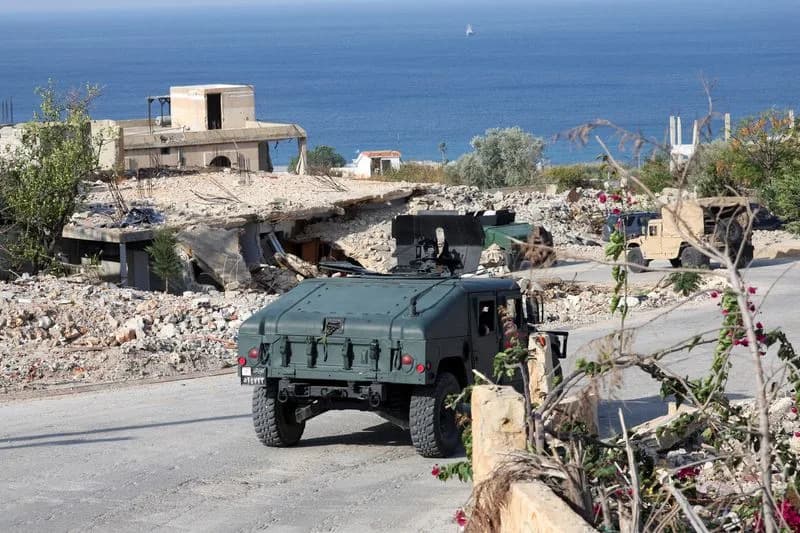
Lebanese army members drive military vehicles during a Lebanese army media tour, to review the army's operations in the southern Litani sector, in Naqoura, near the border with Israel, southern Lebanon, November 28, 2025. REUTERS/Aziz Taher
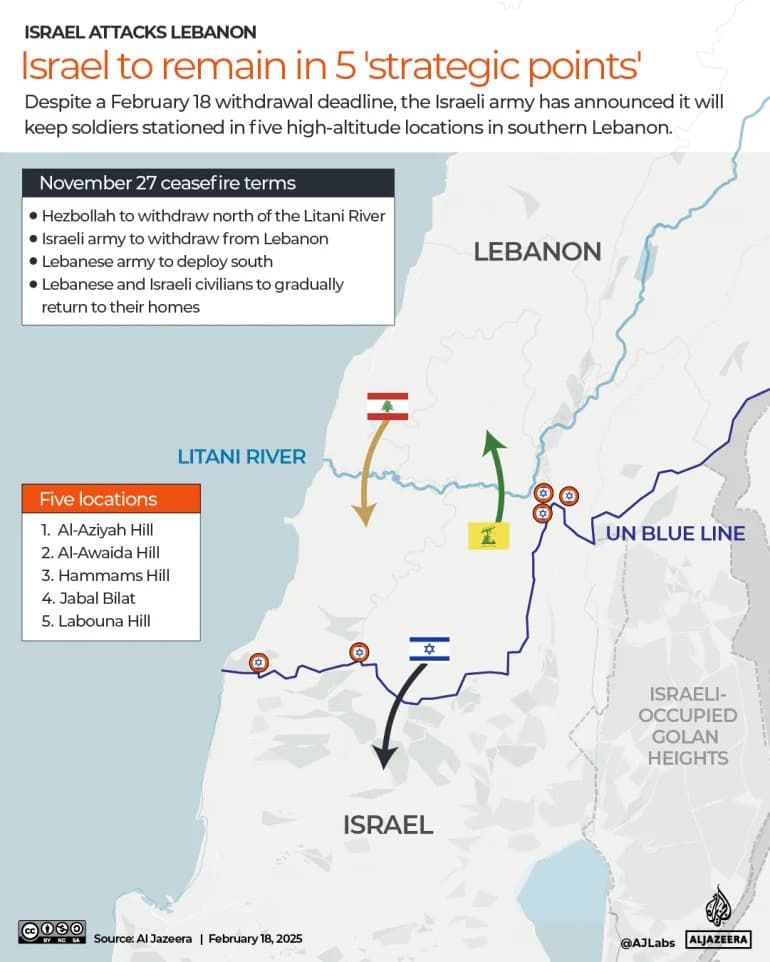
Israel has criticised Lebanon's efforts to disarm Hezbollah as 'far from sufficient' after the Lebanese army announced it had assumed operational control of areas south of the Litani River. The announcement increases pressure on Beirut, where leaders worry Israel could widen or intensify strikes if they judge progress to be inadequate.
What Lebanon Says
The Lebanese army said on Thursday that the first phase of its plan had been achieved in an 'effective and tangible way', noting it had secured areas under its authority south of the Litani while excluding positions still occupied by Israeli forces. The army added that more work remains to clear unexploded ordnance and identify and destroy tunnels.
Israel's Response
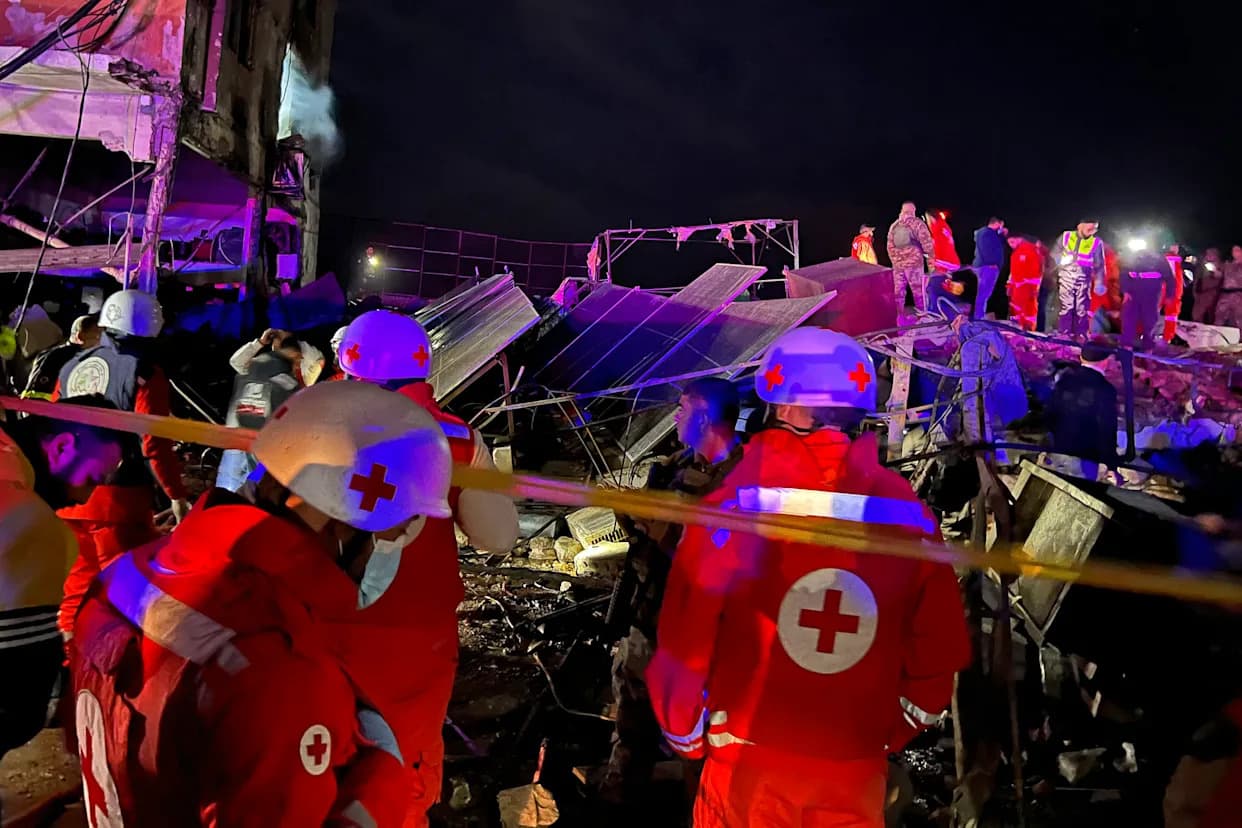
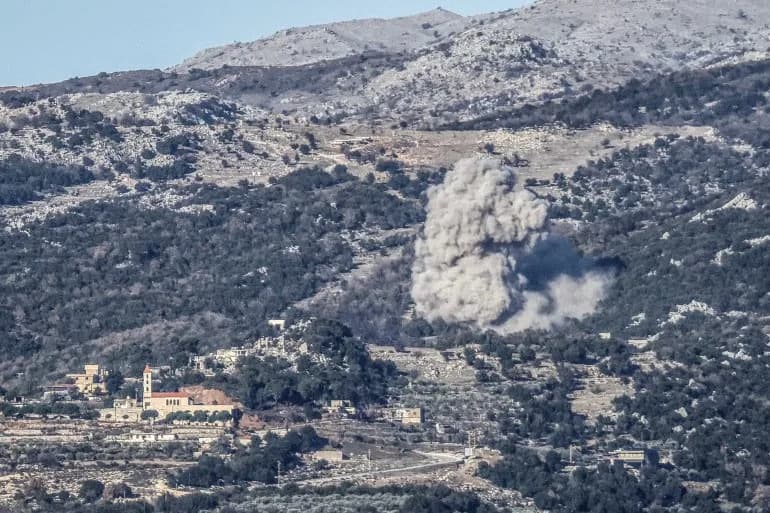
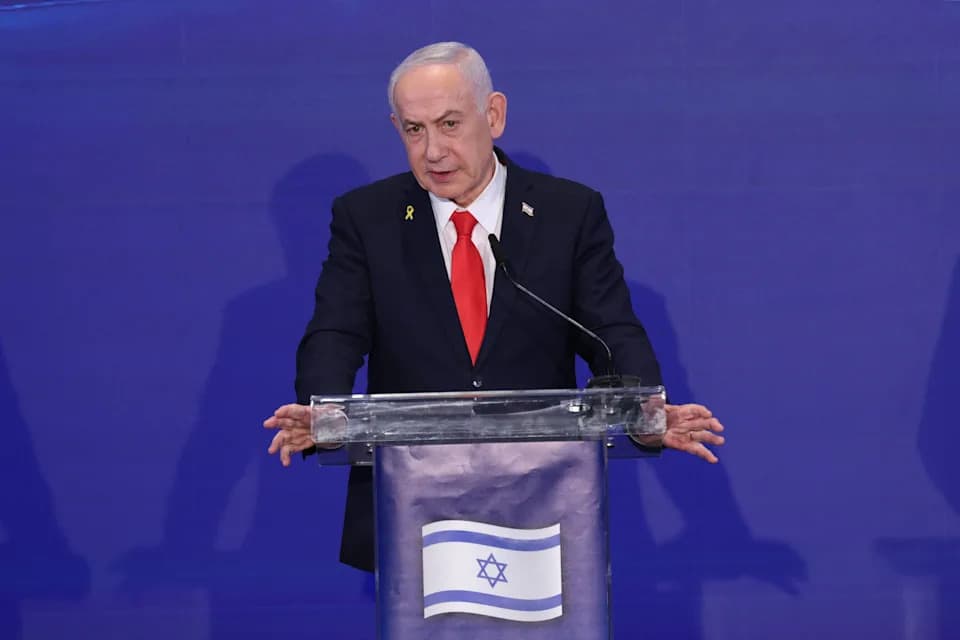
The office of Israeli Prime Minister Benjamin Netanyahu urged that Hezbollah be fully disarmed, citing the U.S.-brokered ceasefire with Lebanon from November 2024. While calling Lebanon's moves an encouraging start, Israel said they fell short, pointing to what it described as Hezbollah's ongoing attempts to rearm and rebuild militant infrastructure with Iranian support. Israel has carried out near-daily strikes in southern Lebanon and occasional strikes elsewhere, accusing Hezbollah of seeking to reconstitute military capabilities.
On the Ground
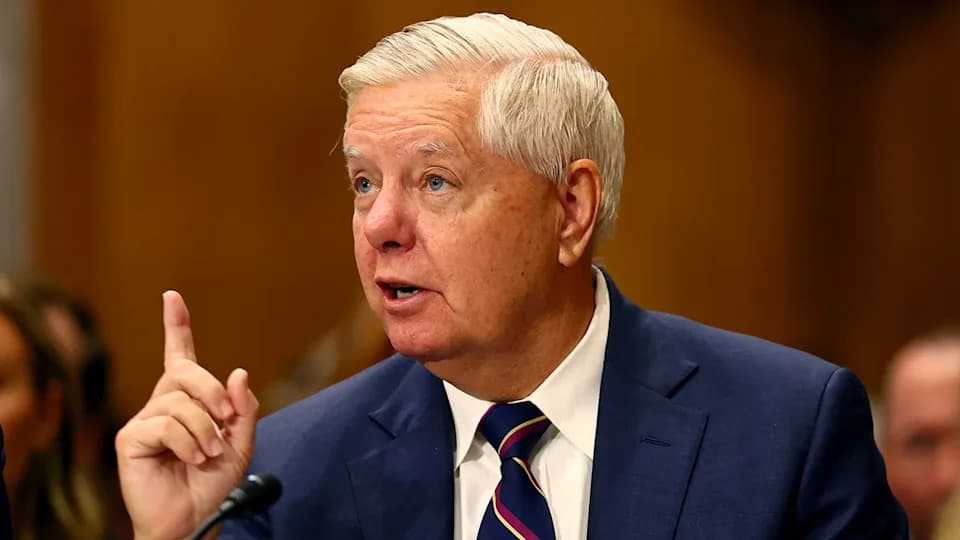
There was no immediate comment from Hezbollah. The group maintains it observed the ceasefire in the south and has argued the agreement does not apply to all parts of Lebanon. Lebanese President Joseph Aoun said the south deployment was intended to reaffirm the state's exclusive authority over 'decisions of war and peace' and to prevent Lebanese territory from being used as a launchpad for hostile acts. He also stressed that lasting stability depends on addressing issues such as Israeli-occupied areas and the establishment of buffer zones.
International Reaction and Support
Both President Aoun and the Lebanese army called for expedited international assistance to help consolidate the army's gains and progress toward a state monopoly on arms. U.N. Special Coordinator for Lebanon Jeanine Hennis-Plasschaert welcomed the army's assumption of operational control south of the Litani as 'undeniable progress' while warning that hard work remains.
Background
Hezbollah, founded in 1982 with support from Iran's Revolutionary Guards, has fought several conflicts with Israel and retained arms after Lebanon's civil war ended in 1990. It fired on Israeli positions in support of Hamas at the start of the Gaza war in 2023 and continued exchanges across the border until Israel's offensive in 2024 killed some of its leaders and destroyed much of its arsenal. The Lebanese military, which receives U.S. support, has generally sought to avoid direct confrontation between Hezbollah and Israel.
Parliament Speaker Nabih Berri, a Hezbollah ally, issued a statement backing the army and saying that progress would have been nearly complete were it not for Israeli occupation and daily violations.
What Comes Next
Lebanon says it will press forward with additional phases to limit the possession of arms to the state, while Israel says full disarmament of Hezbollah is essential for regional stability. International support, security monitoring and diplomatic engagement will be critical to whether the recent army gains lead to durable de-escalation.
Help us improve.