Israel has continued air and drone strikes in Lebanon despite a November 2024 US-brokered ceasefire, with UNIFIL recording more than 10,000 violations. Lebanon approved an August 2025 plan for the Lebanese Armed Forces to disarm Hezbollah, but the group refuses unilateral disarmament while Israeli attacks persist. Analysts warn ongoing strikes could derail "phase two" — the disarmament zone between the Litani and Awali rivers — and risk a wider confrontation if violence continues.
Israeli Strikes Threaten Lebanon’s Plan To Disarm Hezbollah — Risk Of Wider Confrontation
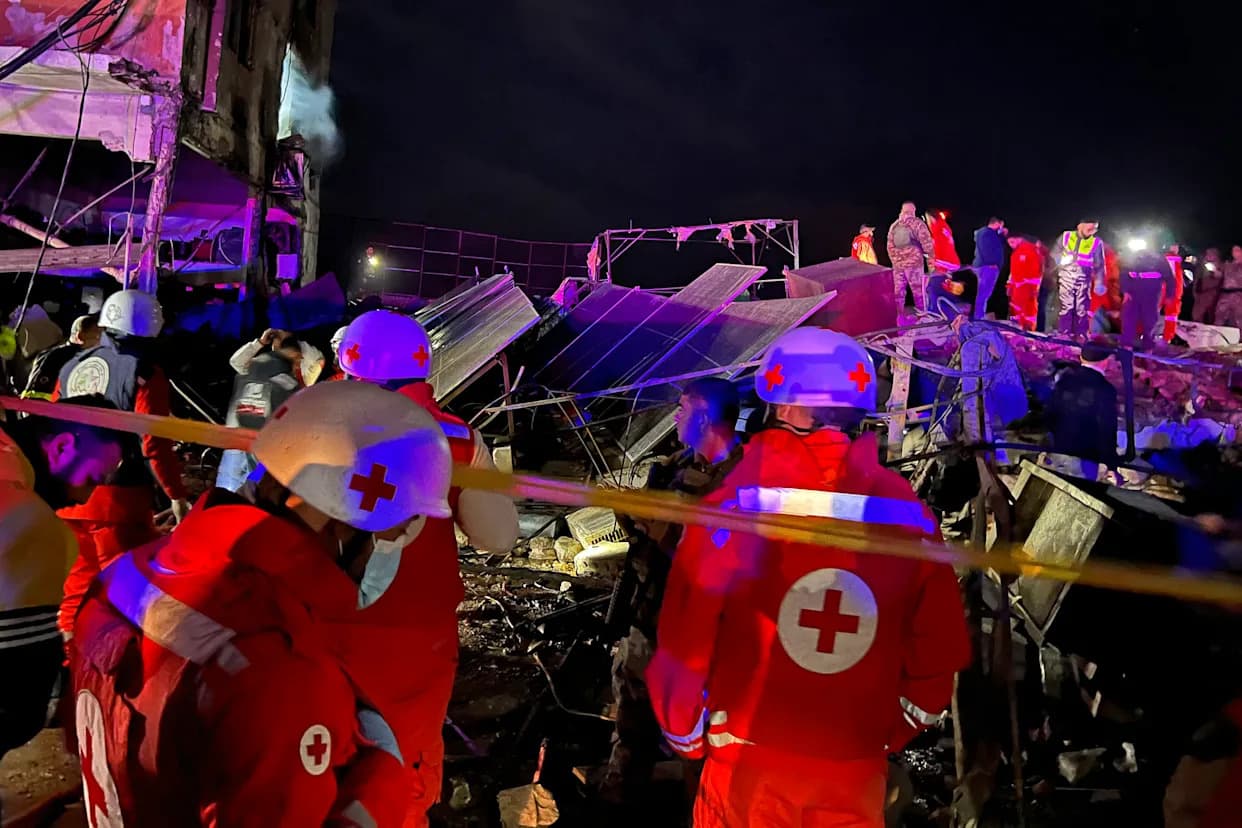
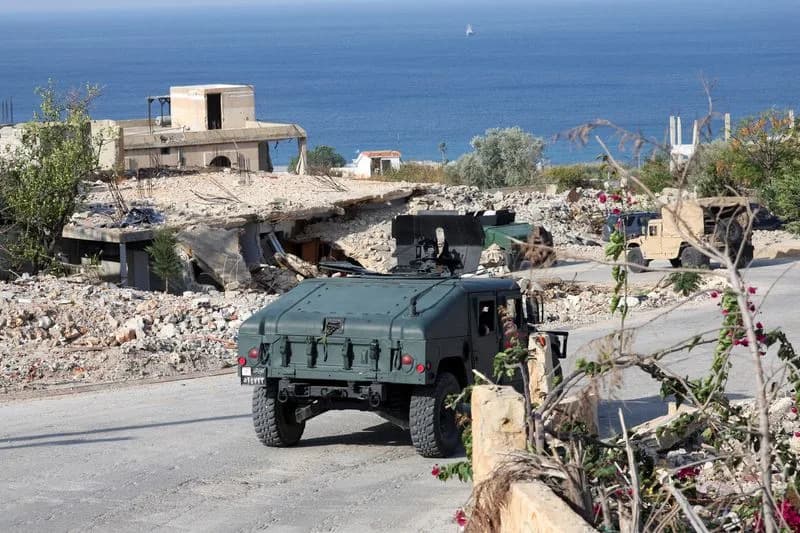
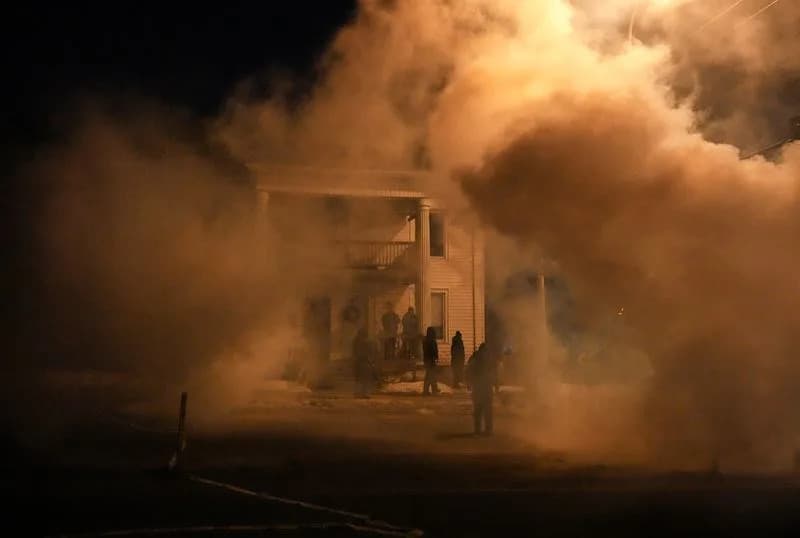
Rescuers, security personnel and members of civil defence inspect the site of a building that was destroyed by an Israeli strike in the industrial area of Ghazieh town, near the coastal city of Sidon, in southern Lebanon on January 6, 2026 [AFP]
Beirut — Israel’s recent strikes across Lebanon have intensified fears that a fragile plan to disarm Hezbollah could collapse, raising the prospect of renewed, wider confrontation.
Ceasefire Violations and Recent Attacks
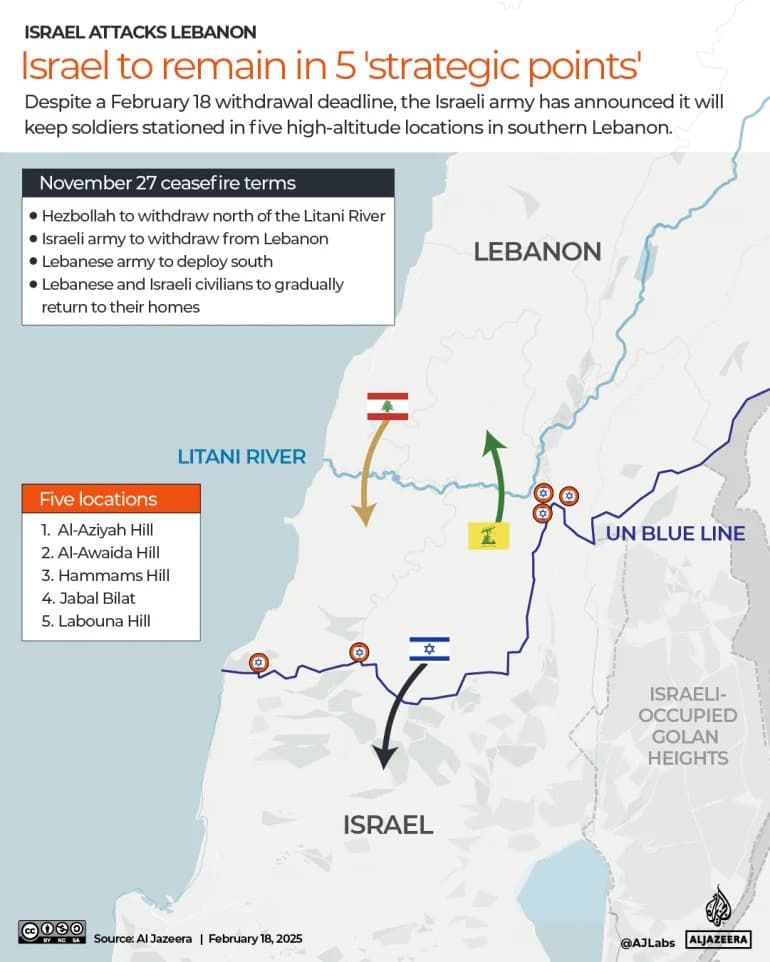
Despite a United States-brokered ceasefire in November 2024, Israel has continued air and drone strikes in Lebanon. The United Nations Interim Force in Lebanon (UNIFIL) has recorded more than 10,000 ceasefire breaches by Israeli forces, including roughly 7,500 violations of Lebanese airspace and about 2,500 ground incidents. Israeli forces also continue to occupy five positions inside Lebanon, despite earlier commitments to withdraw.
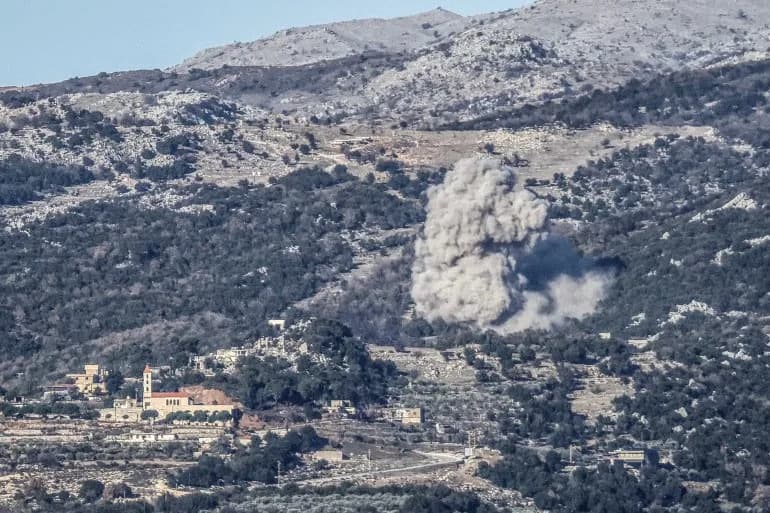
In the past week Israel issued forced evacuation orders for four villages in southern Lebanon and the Bekaa Valley before striking those areas, saying targets included locations linked to Hezbollah and the Palestinian group Hamas. Additional strikes in southern Lebanon have been described by Israel as aimed at Hezbollah operatives.
Human Cost And Reconstruction Needs
Since October 2023, more than 4,000 people have been killed in Lebanon as part of the broader confrontation with Hezbollah. The deadliest period was between September and November 2024, when evacuation orders displaced over 1.2 million people. The World Bank estimates Lebanon faces roughly $11 billion in reconstruction and recovery needs as a result of the fighting.
Hezbollah’s Condition And The Disarmament Plan
The conflict greatly weakened Hezbollah’s fighting capabilities. Much of its military leadership, according to reporting, was killed during the intensification of the fighting — including its longtime leader, Hassan Nasrallah. In the post‑war environment, pressure has risen—both domestically and from international actors—to reintegrate armed groups into state control.
In August 2025, Lebanon’s government approved a plan for the Lebanese Armed Forces (LAF) to disarm Hezbollah. The decision was widely popular outside Hezbollah’s support base and was driven in part by pressure from the United States and Israel. Lebanese officials say Hezbollah has mostly been disarmed south of the Litani River, though military sources report they were unable to remove weapons and infrastructure immediately adjacent to the five Israeli-occupied positions.
Phase Two: The Stakes
The government set the deadline for disarmament south of the Litani at the end of 2025. Cabinet ministers are due to discuss "phase two," which would extend disarmament from the Litani River northward to the Awali River — a roughly 40 km (25 mile) stretch that includes territory just north of Sidon. Officials say phase two would target Hezbollah and Palestinian militias operating in that zone.
Hezbollah has repeatedly rejected calls for disarmament while Israeli strikes continue. Naim Qassem, who succeeded Nasrallah as the group’s senior figure, said on January 3, 2026 that asking Hezbollah to disarm while Israel continues aggression and the United States exerts pressure on Lebanon would serve Israeli interests rather than Lebanon’s. He and other group allies call for strengthening the LAF first, halting Israeli attacks, releasing detainees and beginning reconstruction.
Analysts’ Views And Risks
Analysts warn that ongoing Israeli operations could derail phase two and trigger a broader confrontation. Imad Salamey, a political scientist at Lebanese American University, told Al Jazeera that international pressure on Lebanon to produce visible results often outpaces pressure on Israel to exercise restraint. He added that diplomacy alone is unlikely to halt strikes unless it is linked to verifiable disarmament steps and credible security guarantees for Lebanon.
Qassem Kassir, a Lebanese analyst close to Hezbollah, warned that implementing phase two before Israel halts strikes, releases prisoners and Lebanon begins reconstruction would spark tensions. Observers say that while Hezbollah was weakened by the 2024 campaign, it remains capable of mounting a robust response if it feels exposed — whether through direct confrontation, political obstruction, or calibrated escalation with Israel.
“As long as Israeli strikes continue, Hezbollah and its constituency can plausibly argue that disarmament beyond the south exposes them to greater vulnerability,” Salamey said, warning that strikes can function as strategic messaging to undermine Lebanon’s efforts to restore state authority.
What Comes Next
Lebanese Prime Minister Nawaf Salam has said his government is focused on stopping Israeli strikes, removing Israeli troops from the five occupied points in the south, and securing the return of Lebanese detainees. But the LAF is not equipped to confront Israel directly, and officials have appealed to regional partners and the international community for support.
If Israel continues to carry out strikes while the LAF implements phase two north of the Litani, analysts warn the consequences could be severe: Israel could interpret any delay or disruption as justification for widening its target set, deepening instability and raising the risk of a broader conflict at a time when Lebanon is least able to absorb it.
Phase two therefore risks evolving from a technical security measure into a broader political confrontation over sequencing, guarantees and national cohesion. The LAF could face localized resistance or internal friction, while Hezbollah might respond through political means or calibrated military escalation — increasing the danger of miscalculation and wider violence.
Bottom line: The success of Lebanon’s disarmament plan hinges on halting Israeli strikes, robust international guarantees, and a credible state-led reconstruction effort. Without these elements, phase two could unsettle an already fragile stability and risk renewed escalation.
Help us improve.