Leaked Al Jazeera audio alleging that former Assad loyalists plotted from Lebanon to destabilize Syria has prompted Lebanese raids and arrests but produced no definitive evidence of an operational command cell. Lebanese officials say searches of camps found no proof, while analysts urge surveillance and legal restraint rather than immediate extradition. Remaining challenges — including refugees, prisoners and border demarcation — mean concrete confidence‑building measures are needed to stabilize Lebanese‑Syrian ties.
Leaked Audio Fuels Tensions: Lebanon Raids, Alleged Plot by Former Assad Loyalists
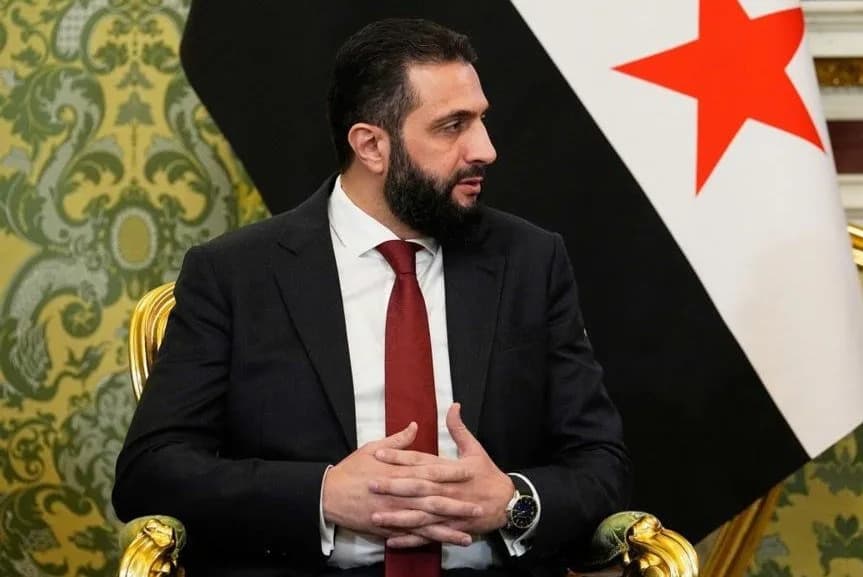
Reports that former Syrian regime officers are hiding in Lebanon and plotting against new Syrian President Ahmad Sharaa and his government have raised concerns in the two countries. File Photo by Alexander Zemlianchenko/EPA
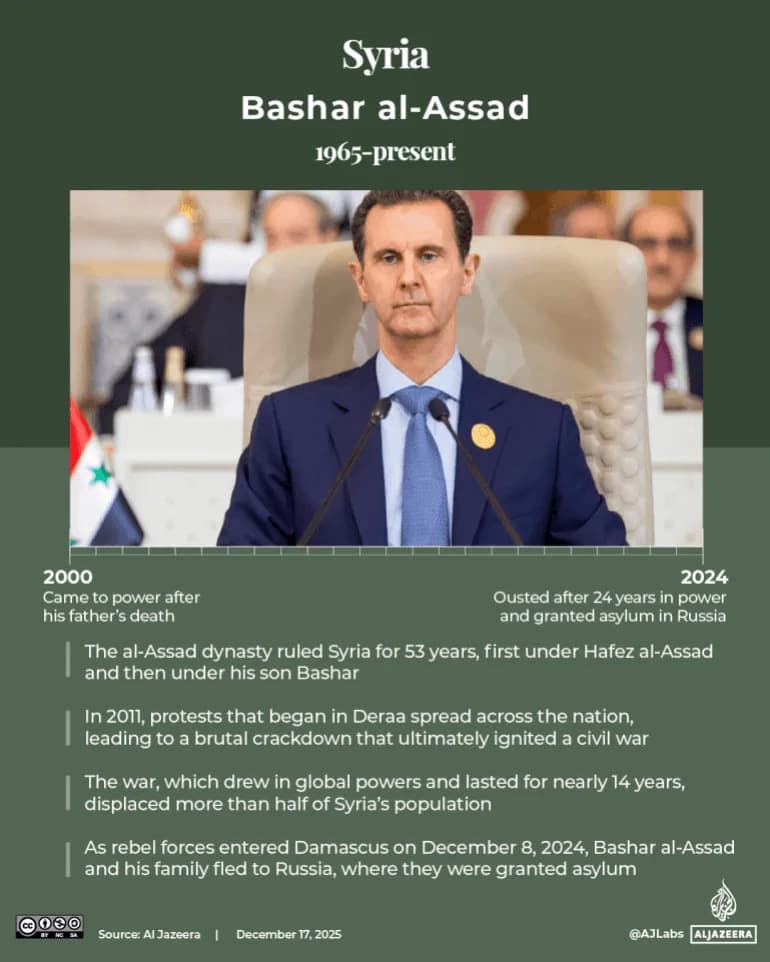
Leaked audio recordings published by Al Jazeera alleging that former Syrian regime officers plotted to regroup and destabilize Syria from Lebanese soil have heightened tensions between Beirut and Damascus, complicating a fragile rapprochement that began after the fall of Bashar al‑Assad in December 2024.
Allegations and the Alleged Command Cell
The recordings reportedly capture senior former regime figures discussing plans to reorganize forces, secure funding and weapons, and even explore possible coordination with Israel to undermine Syria's new leadership under President Ahmad Sharaa. According to the leaks, some discussions focused on mounting operations in Syria's coastal belt to regain influence in Alawite‑majority areas.
Of particular concern to regional officials was an allegation that Suhail al‑Hassan, the former Syrian special forces commander sanctioned by the United States, the European Union and the United Kingdom for his role in wartime abuses, had helped establish an operations cell in Lebanon. Al‑Hassan was reportedly evacuated to Moscow following the regime's collapse.
Lebanese Security Response
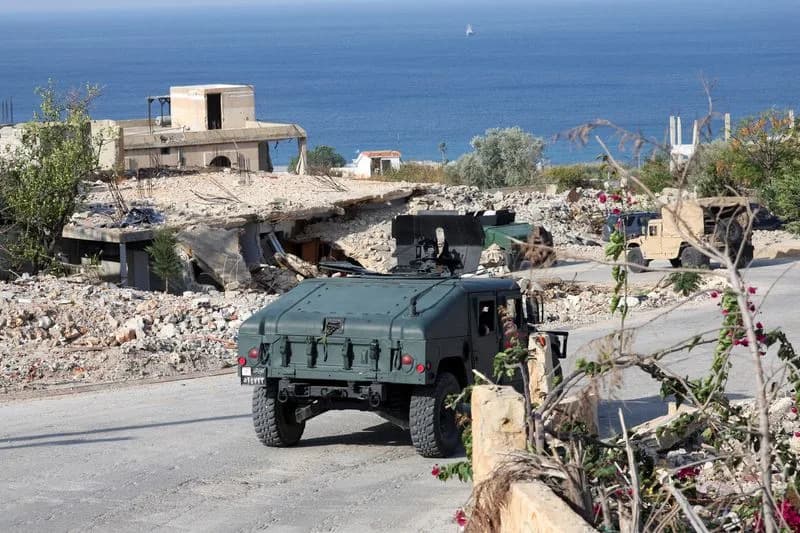
Lebanese security services — including the Army and Military Intelligence — conducted raids across northern Lebanon and searched camps that host Syrian refugees, Alawite villages and a camp in Hermel reportedly linked to Hezbollah. Several people were detained on a range of charges reported in the media, from illegal entry to weapons and drug offenses, though officials did not disclose exact numbers.
"The [Syrian] officers were not [found] in these camps... We found nothing [that supports] such a plot or planning," a Lebanese Army source told UPI.
President Michel Aoun (as referenced by Lebanese sources) publicly downplayed the reports, saying raids produced no evidence tying officers to the ousted regime and stressing ongoing coordination with Syrian authorities. Army and intelligence officials say they are quietly continuing investigations while keeping suspected former officers under surveillance.
Political and Legal Constraints
Analysts warn Beirut faces a difficult balancing act: it must reassure Damascus that Lebanon will not be a launchpad for attacks, while respecting legal standards and avoiding summary extraditions. David Wood of the International Crisis Group advised that Lebanon keep suspects under surveillance and pursue arrests only when there is admissible evidence, rather than immediately acceding to extradition requests from Syria.
Legal hurdles and the lack of clear evidence complicate any handover of suspects. Officials note that forcibly returning people without due process could expose Lebanon to allegations of miscarriages of justice and undermine its own legal norms.
Hezbollah, Refugees and Regional Stakes
Observers say part of Damascus's concern stems from Hezbollah's potential role in sheltering former Syrian officers. While Hezbollah fought alongside Assad's forces and is broadly sympathetic to regime figures, analysts note that its ability to openly harbor personnel would be constrained if those individuals engaged in formal political or military initiatives from Lebanese territory.
Broader bilateral issues remain unresolved and continue to strain trust: the fate of Syrian prisoners in Lebanon, the refugee situation (an estimated 1.5 million Syrians displaced during the war, with only around half a million reported to have returned), and border demarcation. These complex matters will require concrete steps beyond reassuring rhetoric to stabilize ties between the two neighbors.
What Comes Next
For now, Lebanese officials emphasize surveillance and legal process. Syrian authorities appear nervous and expect cooperation, while analysts say Lebanon's best course is continued monitoring, targeted arrests when warranted, and careful legal handling of any extradition demands. The role of Hezbollah and regional backers such as Iran remain among the most consequential variables for Lebanon's internal balance and its relationship with Syria.
Help us improve.