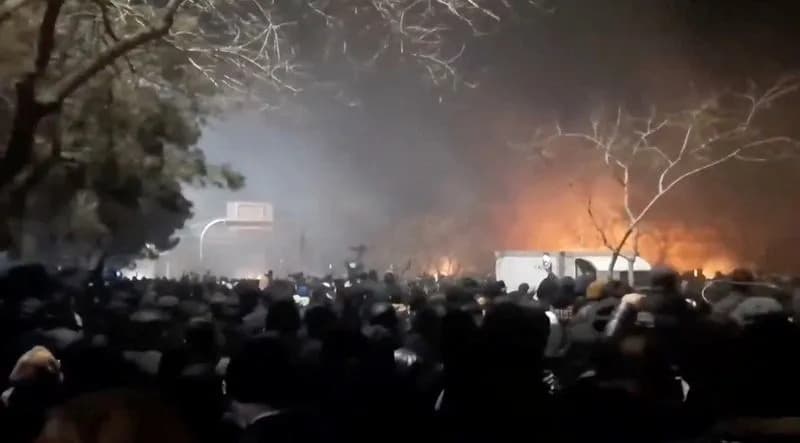
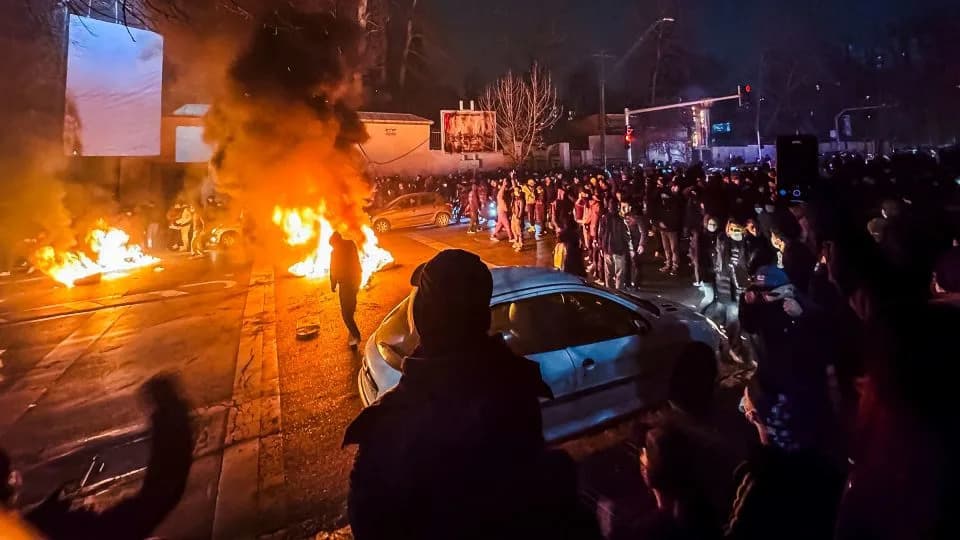
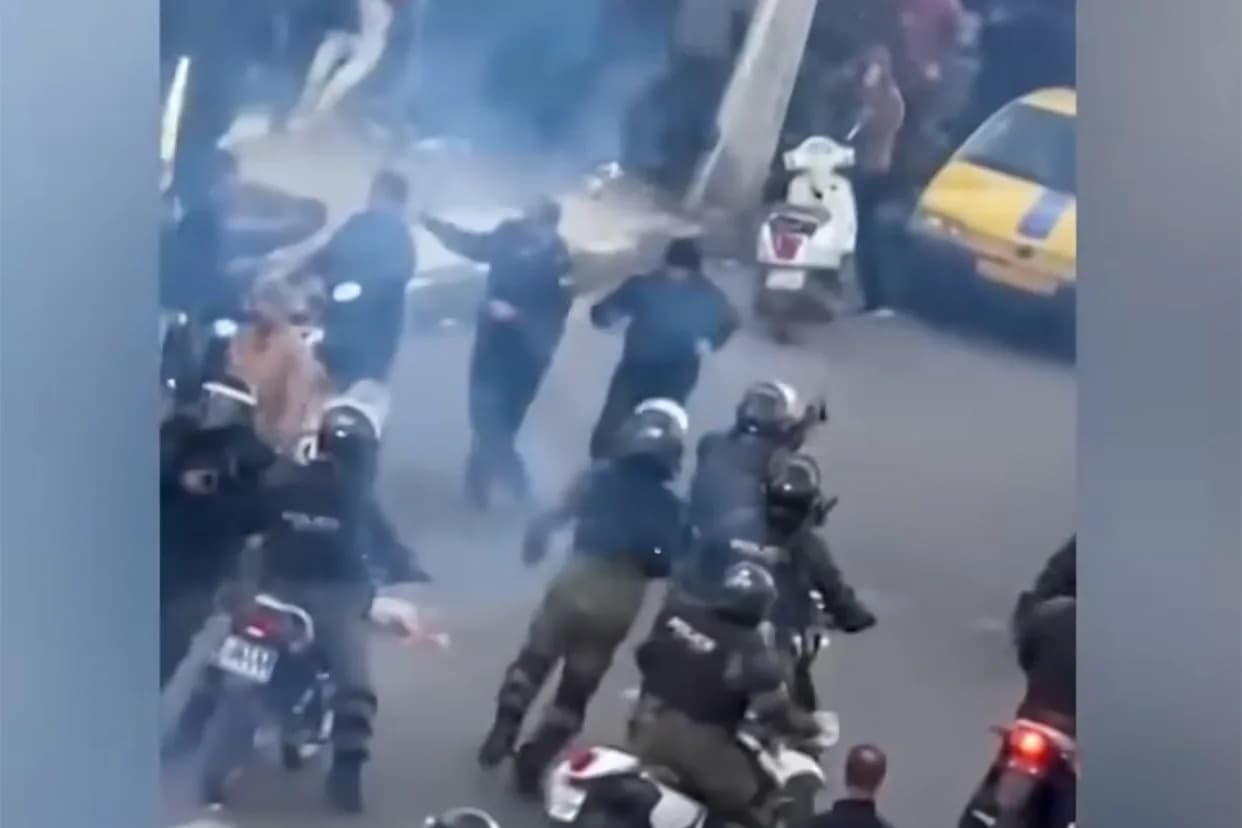
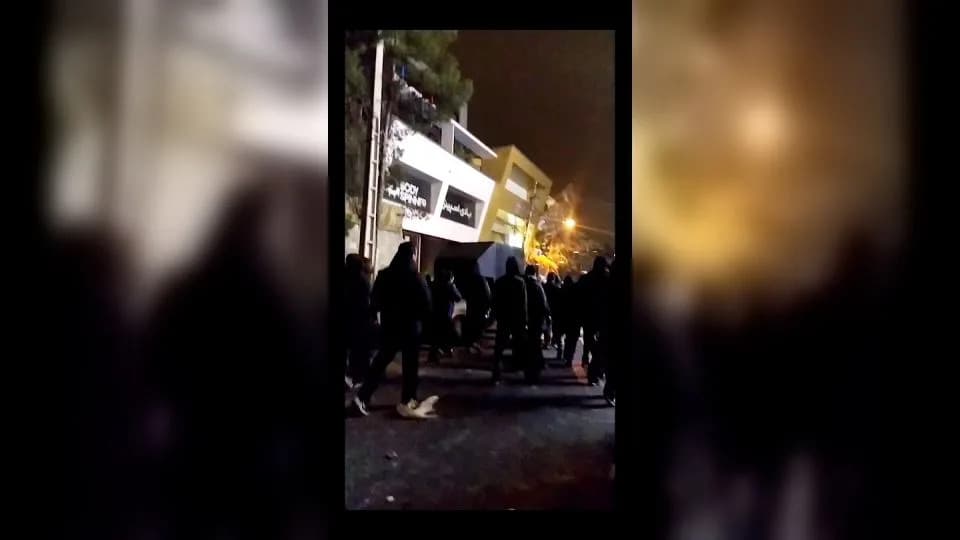
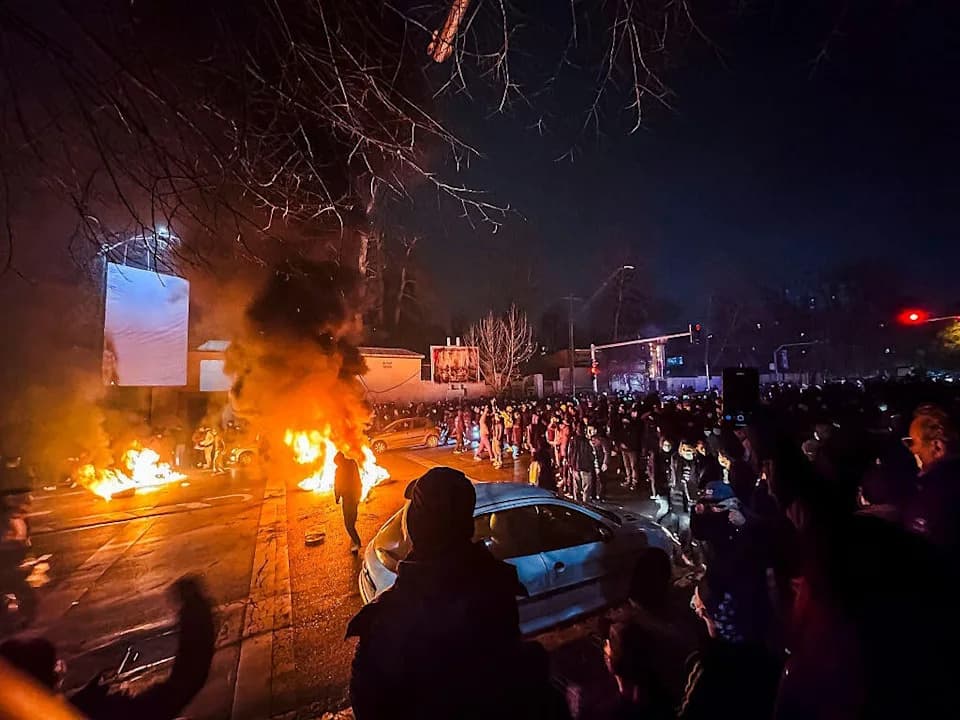
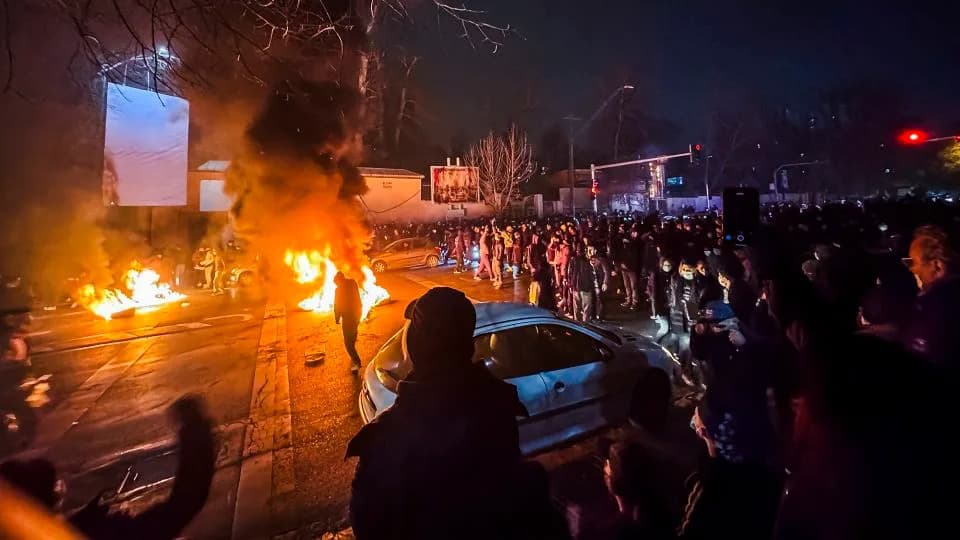
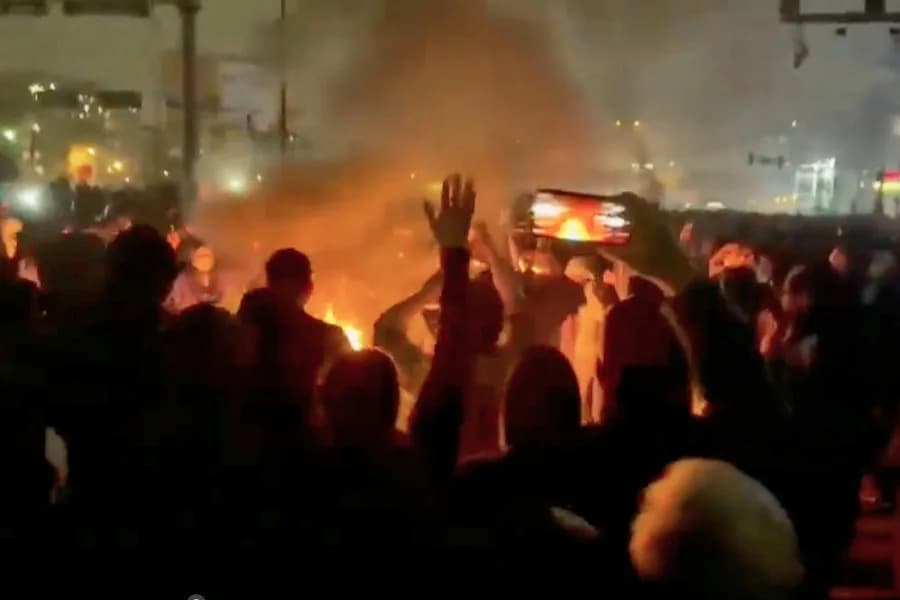
Sources, refugees and analysts tell NewsNation that Iraqi Hashd al‑Sha'bi units and roughly 850 other foreign fighters have reportedly been used to bolster Iran's crackdown on nationwide protests. Video evidence and eyewitnesses describe Arabic‑speaking anti‑riot units, drone surveillance, live ammunition and a near‑nationwide internet blackout. The Associated Press reports at least 2,637 fatalities, and NewsNation is withholding source identities for safety.
Sources: Iraqi Hashd al‑Sha’bi and Other Foreign Fighters Said To Be Helping Iran Crack Down On Protests
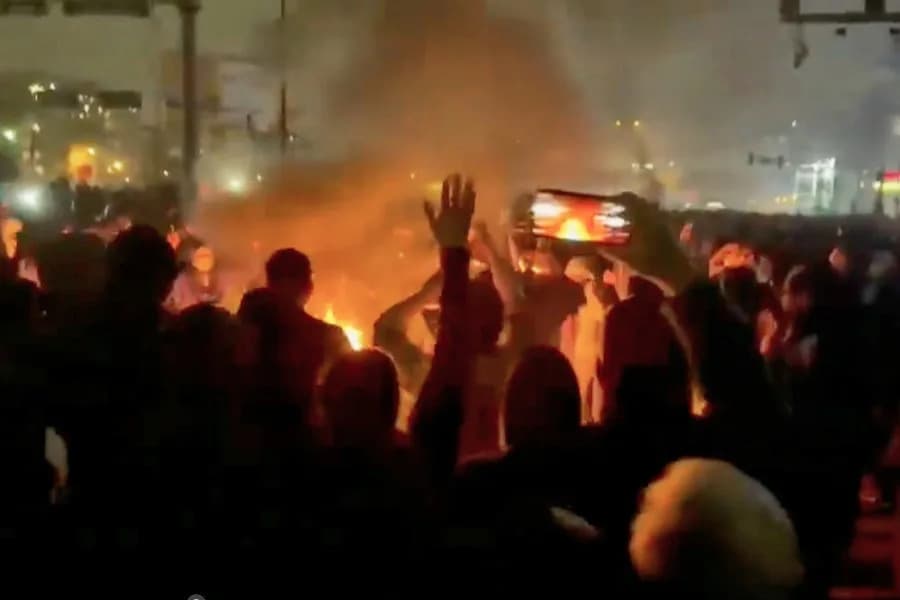
Sources told NewsNation that Iraq's Hashd al‑Sha'bi militia and other foreign fighters have reportedly been used to reinforce Iran's security forces in a brutal crackdown on nationwide protests, according to refugees, analysts and video evidence.
Allegations of Foreign Deployments
An Iranian refugee who requested anonymity for safety reasons told NewsNation that anti‑riot personnel in Mashhad were speaking Arabic rather than Persian and were believed to be Hashd al‑Sha'bi fighters. The refugee noted frequent direct flights from Najaf, Iraq, to Mashhad, Iran, as a possible sign of such movements.
Hashd al‑Sha'bi, also known as the Popular Mobilization Forces (PMF), is a coalition of mostly Shia militias based in Iraq that are widely reported to have ties with Tehran.
Analysts, Journalists And Witnesses
Retired Lt. Col. Mike Nelson, who served extensively with U.S. Central Command, described Iran's security structure as divided between the conventional army (Artesh) and the regime‑loyal Islamic Revolutionary Guard Corps (IRGC), which oversees units such as the Basij that are used to suppress domestic unrest.
"I’m not surprised to hear they have brought in their Shia extremist proxies to support the crackdown," Nelson said. "They are ideologically aligned with the regime... They are less disciplined, which is not a factor if you do not care about them being brutal."
Iranian‑American journalist Lisa Daftari told NewsNation that two independent sources reported roughly 850 fighters — including elements from Hezbollah, Kata'ib Ahl al‑Haq, PMF units and groups linked to the Quds Force — crossed into Iran's Kermanshah Province via the Mehran border on the night of Jan. 4. She cited video evidence and corroborating contacts on the ground that indicate anti‑riot units speaking Arabic.
Casualties, Communications Blackout And Eyewitness Reports
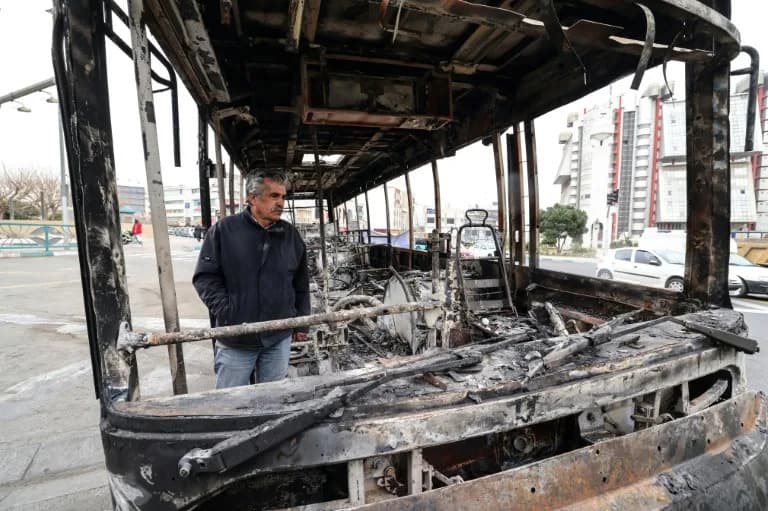
The Associated Press reports that at least 2,637 people have been killed amid the unrest. Refugees and eyewitnesses describe streets soaked in blood, heavy policing, widespread drone surveillance and the use of live ammunition against protesters.
Iranian authorities also imposed lengthy internet restrictions that limited the ability of people inside Iran to communicate and share information; some refugees said connectivity was briefly restored in the last two days.
U.S. Central Command (CENTCOM) declined to comment to NewsNation. President Donald Trump was quoted as saying, "We’ve been told that the killing in Iran is stopping — it’s stopped — it’s stopping... And there’s no plan for executions..."
Security Note: NewsNation is withholding names and identifying details of refugees and other sources cited in this report for their protection.
Help us improve.