At least three people were killed when an Israeli air strike hit a vehicle near Sidon, Lebanon, in what local authorities and observers say is another apparent breach of the November 2024 ceasefire with Hezbollah. The Israeli military said it targeted Hezbollah members; Lebanon confirmed three deaths. Data show nearly 1,600 strikes across Lebanon earlier this year, and the UN reports at least 127 civilian deaths since the ceasefire, prompting calls for an impartial investigation.
At Least Three Killed in Israeli Air Strike Near Sidon as Ceasefire Tensions Persist

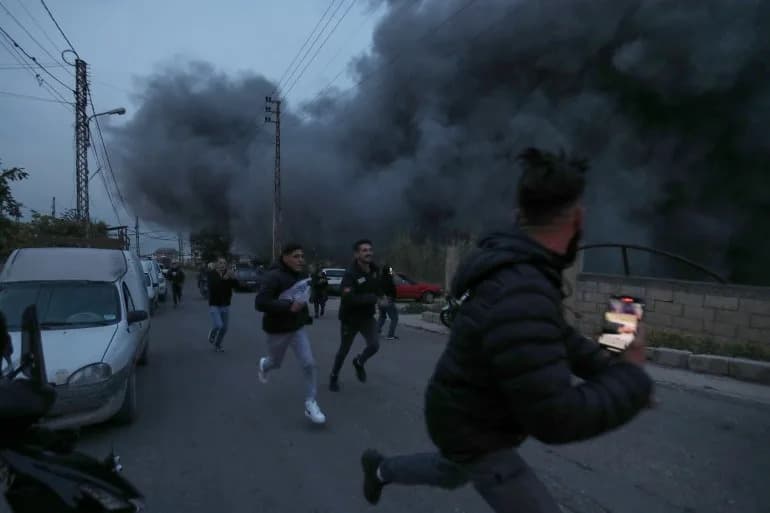
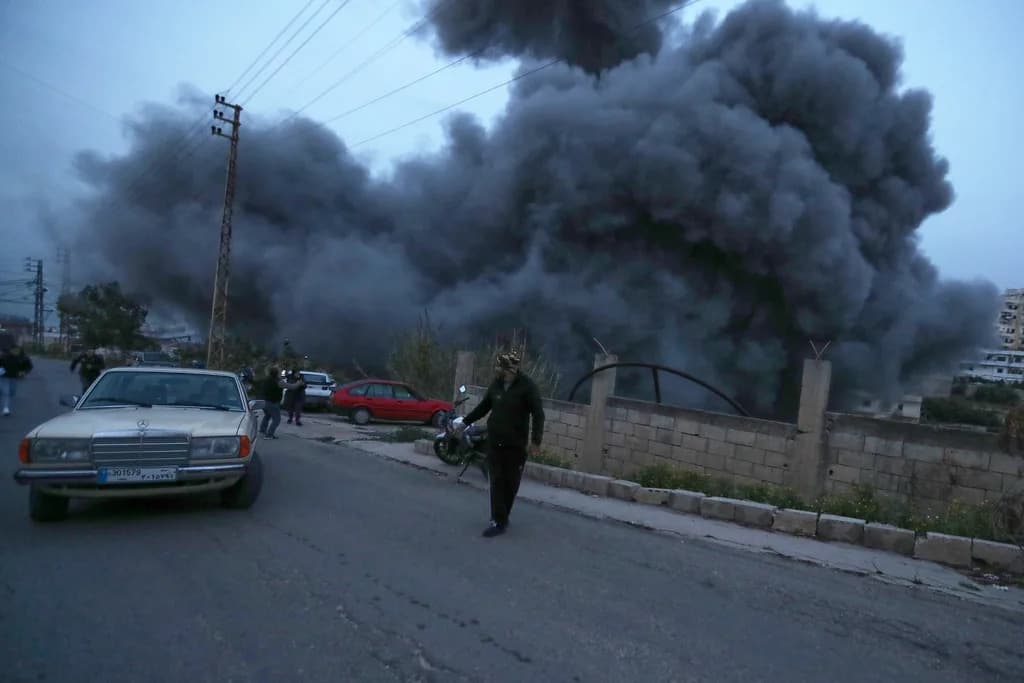
People inspecting the damage in the aftermath of an Israeli strike on the Ein el-Hilweh camp for Palestinian refugees, near Sidon in southern Lebanon, on November 19, 2025 [File: AFP]
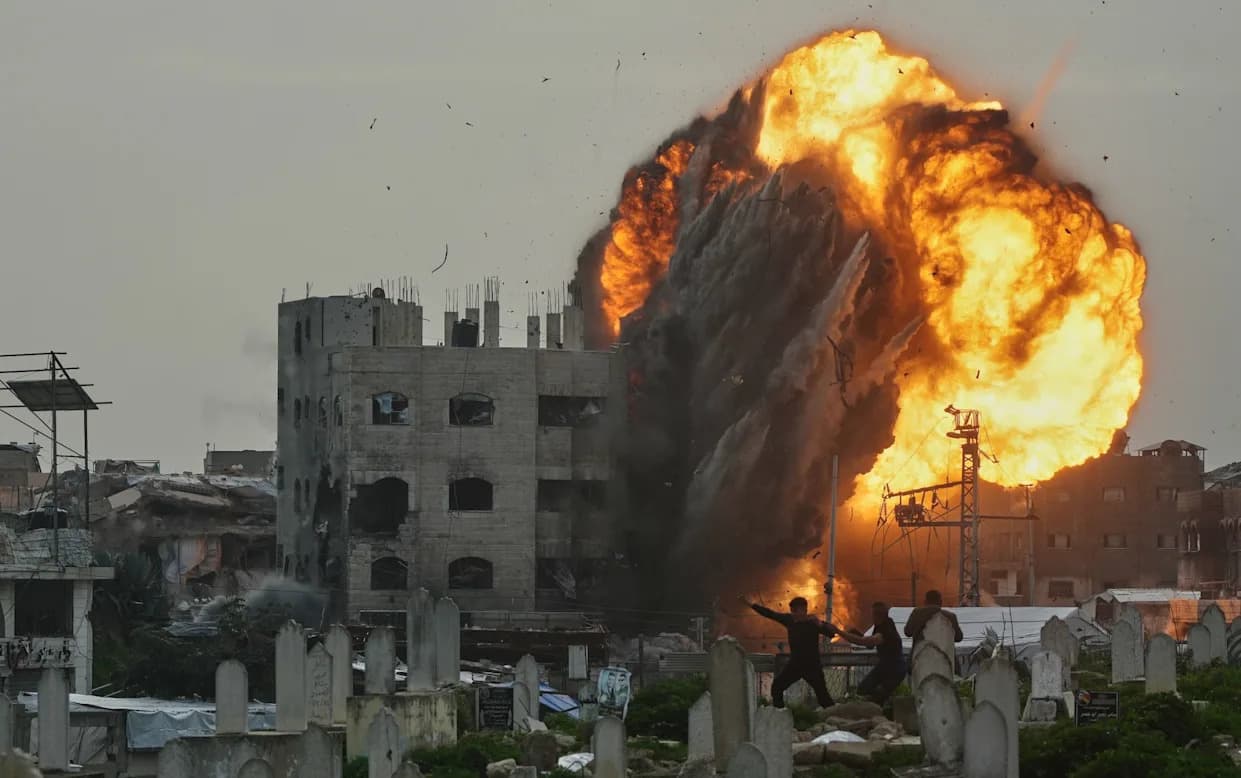
At least three people were killed when an Israeli air strike hit a vehicle on Quneitra Road in the southern Sidon district, Lebanon’s National News Agency (NNA) and Lebanon’s Ministry of Health reported on Monday. The strike is the latest in a series of operations that critics say breach the November 2024 ceasefire with Hezbollah.
The Israeli military said in a brief statement that it had targeted members of Hezbollah in the Sidon area but provided no further operational details. Lebanon’s health authorities confirmed the three fatalities, while local media and officials reported additional damage in the area.
The attack follows a separate strike on Sunday in southern Lebanon that killed one person and wounded two others; the Israeli army said that strike killed a Hezbollah member. Observers note these incidents form part of near-daily operations by Israeli forces across Lebanon since the ceasefire took effect in November 2024.
Data compiled by the Armed Conflict Location and Event Data Project (ACLED) indicate nearly 1,600 Israeli strikes across Lebanon between January and late November this year. In late November, the United Nations reported at least 127 civilian deaths in Israeli attacks on Lebanon since the ceasefire began and urged a “prompt and impartial” investigation by relevant authorities.
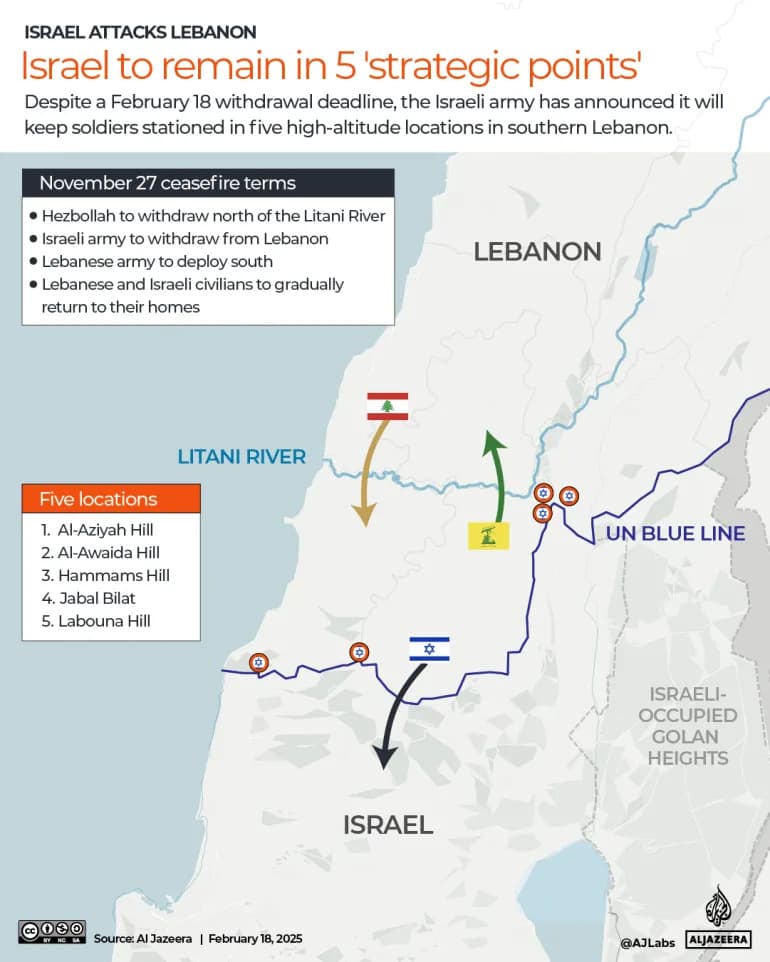
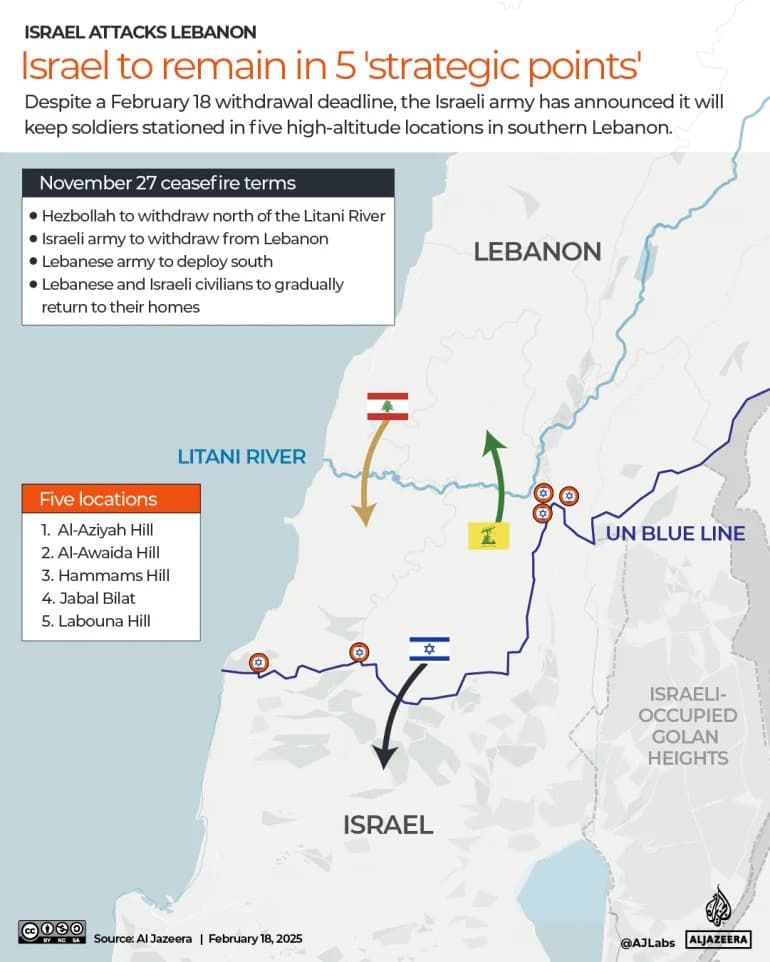
The November 2024 ceasefire included provisions for the partial disarmament of Hezbollah in areas south of the Litani River and for an Israeli withdrawal from southern Lebanon. Under the agreement, Israeli forces were expected to complete their withdrawal from territories south of the Litani by January, but troops have only partially pulled back and continue to occupy positions at five border outposts inside Lebanese territory.
Hezbollah’s leadership has said the group will withdraw its military presence from south of the Litani River in line with the ceasefire but will retain weapons elsewhere in Lebanon, arguing they are necessary to deter future Israeli attacks. Hezbollah deputy leader Naim Qassem has reiterated this position, and Hezbollah officials have said they will not fully implement withdrawal commitments while Israeli forces remain in southern Lebanon.
A committee charged with overseeing the ceasefire continues to hold talks in southern Lebanon. Civilian and military delegations from Israel and Lebanon met in Naqoura on Friday for closed-door discussions. Following that meeting, President Aoun met Simon Karam, who has been appointed Lebanon’s chief civilian negotiator for the process; Karam’s appointment has faced criticism from Hezbollah.
In an official statement, the presidency said President Aoun emphasized that enabling tens of thousands of displaced Lebanese civilians to return to their homes would be “an entry point for addressing all other details” of the agreement. The committee’s next meeting is scheduled for January 7. Separately, a diplomatic understanding reached in Paris between the United States, France and Saudi Arabia aims to organise an international conference in early 2026 to bolster the Lebanese army and internal security forces.
Key sources: Lebanon National News Agency (NNA), Lebanon Ministry of Health, Israeli military statement, ACLED, United Nations.
Help us improve.