German researchers have relaunched ICARUS, the satellite 'internet of animals' originally launched in 2020 and paused in 2022 after the suspension of cooperation with Russia. The first redesigned receiver was sent into orbit aboard a SpaceX Falcon 9; a second unit is due next year and six more are planned for 2027. The new palm-sized receiver uses roughly one tenth of the energy and can collect data from about four times as many sensors, enabling faster, more precise global tracking to support conservation and rapid response to threats.
ICARUS Relaunched: German Scientists Reboot the Global 'Internet of Animals' for Planetary-Scale Wildlife Tracking

German Researchers Relaunch ICARUS — A Global Satellite Network to Track Wildlife
German scientists have restarted ICARUS, a satellite-based network designed to monitor wildlife movements, behavior and health across the globe. The project — popularly called the “internet of animals” — first became operational in 2020 in cooperation with Russian partners, but was suspended in 2022 after Western teams cut ties with Russia following its invasion of Ukraine.
On Friday, the ICARUS team launched the first redesigned receiver into orbit aboard a SpaceX Falcon 9, carried on a German research satellite. A second receiver is scheduled for launch next year, with six additional units planned for 2027. Once deployed, the constellation of receivers will enable continuous, global coverage.
The new receiver is a major technical improvement over the original. Engineers shrank the design so it fits in the palm of a hand, reduced power consumption to roughly one tenth of the previous unit, and increased its capacity to collect signals from about four times as many animal sensors. These tiny transmitters, attached to birds, bats, sea turtles, zebras and other species, send short telemetry bursts that the orbiting receivers capture and forward to researchers.
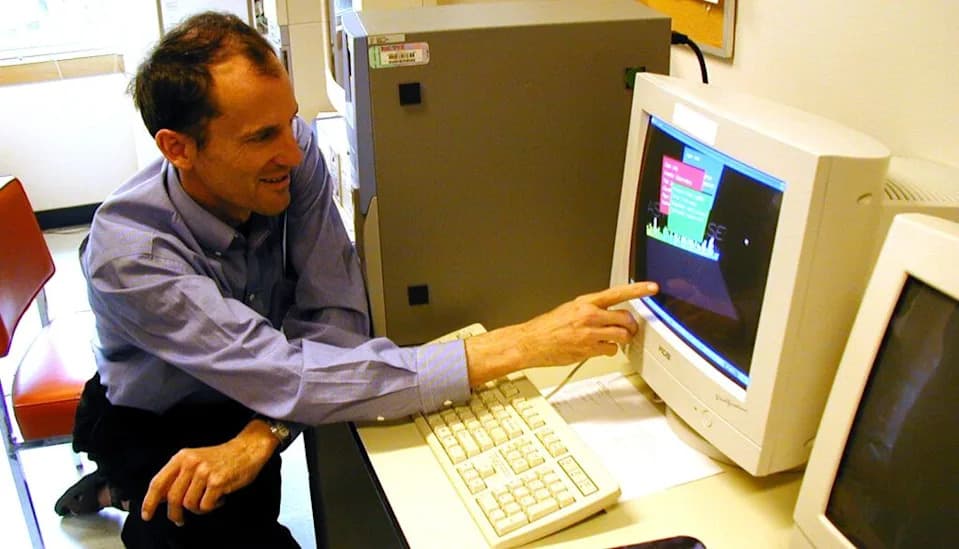
"We are building a truly planetary-scale observatory," said Martin Wikelski, director of the Max Planck Institute of Animal Behavior and lead on the project. "This capability radically increases the speed with which we can respond to global challenges such as habitat loss, disease outbreaks, and shifting migration patterns."
Scientists say the upgraded ICARUS network will improve tracking precision and temporal coverage, helping conservationists and researchers detect emerging threats more quickly and coordinate faster responses. Use cases include mapping migration routes, studying disease spread among wild populations, and monitoring how species respond to habitat loss and climate-driven changes.
Why It Matters
- Global, continuous tracking fills critical gaps in ecological data and supports conservation planning.
- Lower-power, higher-capacity receivers make widescale deployments of tiny animal sensors practical and cost-effective.
- Faster data turnaround enables near-real-time detection of events like mass movements, population declines, or disease outbreaks.
The relaunched ICARUS network aims to transform our understanding of wildlife by delivering high-resolution, planet-wide movement data that can inform science, policy and conservation action.
Help us improve.