SpaceX has made Starlink free for users in Iran as protests and a government crackdown create a major security test for the satellite internet system. Tehran appears to be using jammers and GPS‑spoofing to disrupt terminals, while nonprofits and rights groups report Starlink is critical for documenting abuses. U.S. military, intelligence agencies, investors and rival satellite providers are watching how SpaceX responds, since the outcome will affect humanitarian communications and the future resilience of space-based internet services.
Starlink’s Big Test: Iran’s Crackdown Puts Satellite Internet Under Attack
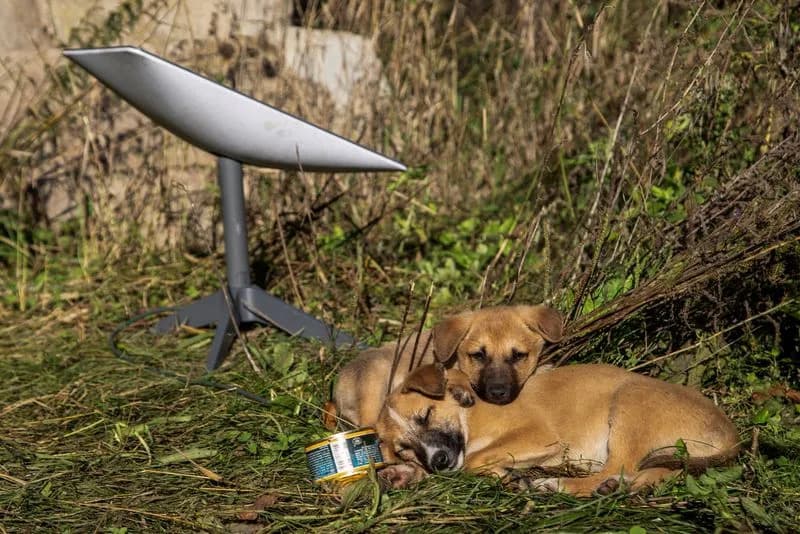
FILE PHOTO: Puppies rest next to a Starlink terminal near the town of Lyman, recently liberated by the Ukrainian armed forces, amid Russia's attack on Ukraine, Donetsk region, Ukraine October 7, 2022. REUTERS/Oleksandr Ratushniak/File Photo
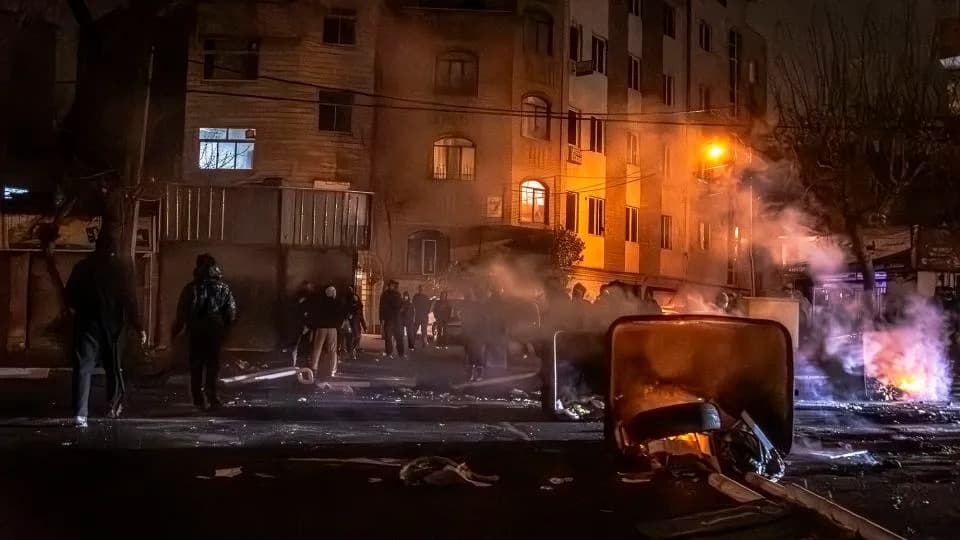
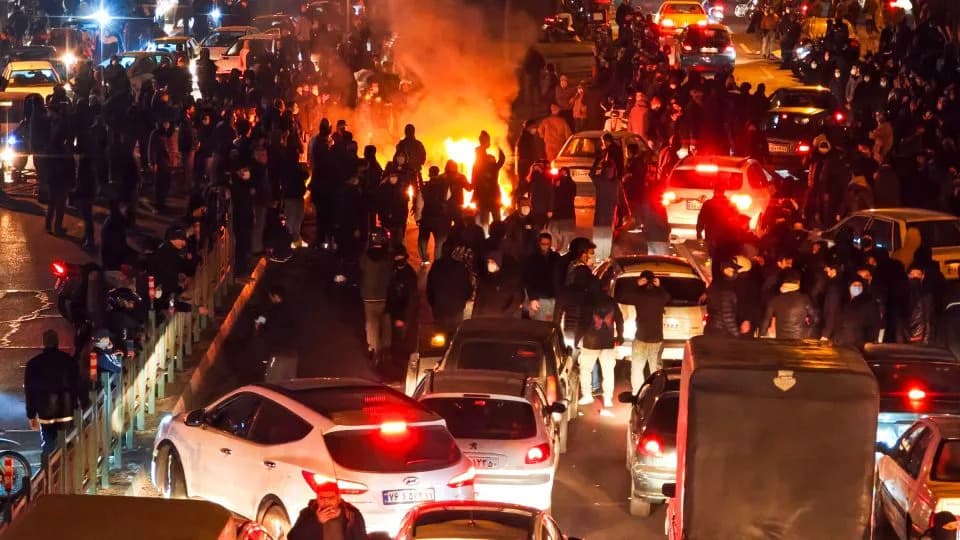
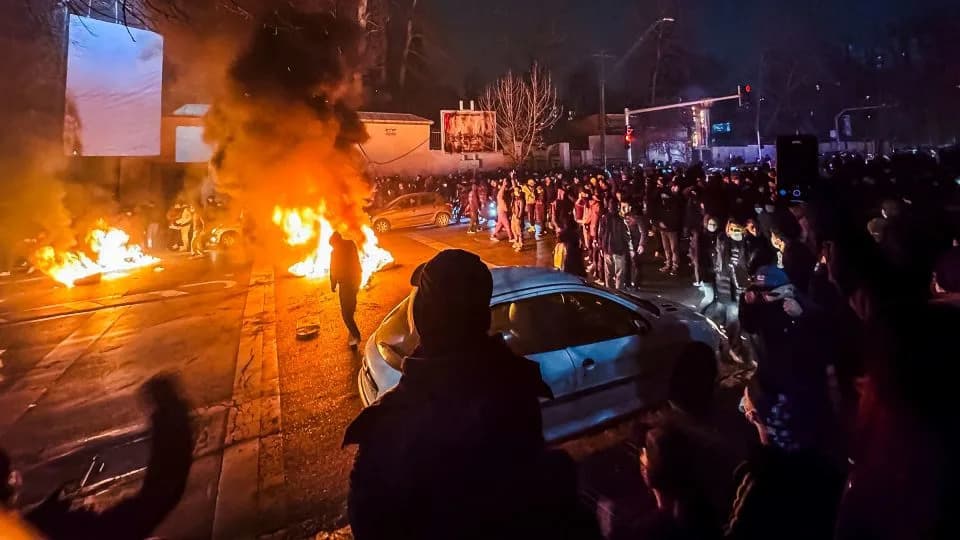
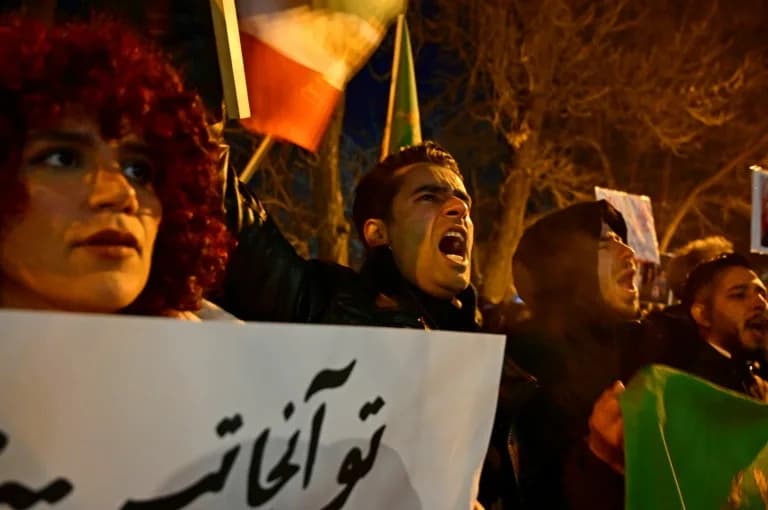
SpaceX’s Starlink is facing one of its toughest security challenges yet as Iran cracks down on protesters and imposes broad communications restrictions. The satellite internet service — which SpaceX made available free to users in Iran earlier this week — is now at the center of a geopolitical standoff between U.S.-based engineers and Iranian forces reportedly using jammers and GPS‑spoofing techniques to disrupt terminals.
Why Starlink Matters
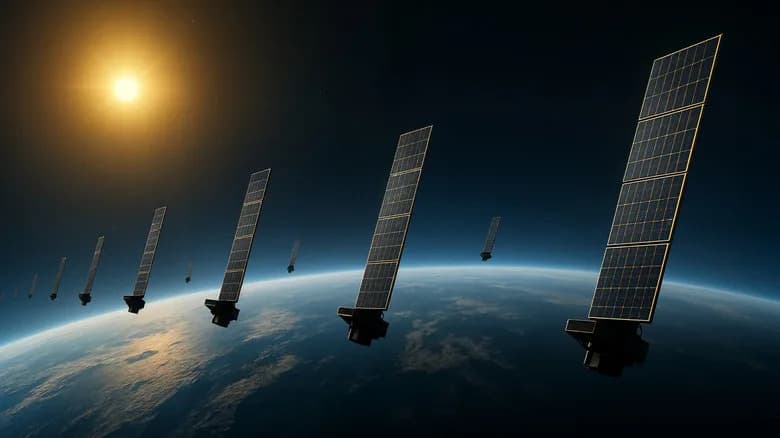
Starlink, the largest low-Earth-orbit consumer satellite internet system, has become a vital communications lifeline in wartime and blackout situations. Its roughly 10,000 satellites and thousands of user terminals make it harder for authorities to sever connections the way they can with wired networks or fixed cell towers. The system generated about $15 billion in SpaceX revenue in 2024 and includes a military-grade offering, Starshield, used by U.S. forces and intelligence agencies.
How Iran Is Trying To Disrupt It
Specialists and nonprofits monitoring the situation report that Iranian forces are deploying satellite jammers and broadcasting counterfeit GPS signals — a tactic known as spoofing — to confuse and degrade Starlink terminals. According to monitors and activists, spoofing can severely slow connections and make high-bandwidth tasks such as video calls unreliable, while jamming can cut service entirely for affected users.

FILE PHOTO: SpaceX founder and Tesla CEO Elon Musk speaks on a screen during the Mobile World Congress (MWC) in Barcelona, Spain, June 29, 2021. REUTERS/Nacho Doce/File Photo
Although Starlink is officially banned in Iran, groups such as Holistic Resilience say tens of thousands of terminals may have been smuggled into the country; the exact number in active use remains uncertain. Human-rights organizations, including Amnesty International, say they have verified dozens of videos from inside Iran that appear to have been transmitted via Starlink, documenting protests and security force violence.
"We're in this weird early part of the history of space-delivered communications where SpaceX is the only true provider at this scale." — John Plumb, former Pentagon space policy chief
Political And Strategic Stakes
SpaceX’s decision to provide Starlink to Iranians places the company in a sensitive geopolitical position. Tehran has taken diplomatic and legislative steps to counter the service — including a parliamentary ban passed after the June Iran‑Israel confrontation — and has urged international regulators to restrict Starlink access. U.S. military and intelligence agencies, investors watching a possible SpaceX public listing, and rival satellite providers in China and elsewhere are closely observing how SpaceX defends the network.
What To Watch Next
Key indicators in the coming days and weeks will include whether jamming and spoofing escalate, how effectively SpaceX mitigates disruptions, and whether humanitarian communication channels can remain open for citizens and rights groups documenting events on the ground. The episode will test not only Starlink’s technical resilience but also the broader implications of space-based communications in contested political environments.
Reporting note: Details in this article are based on statements from human-rights groups, independent researchers and monitoring organizations; Iran has declined to comment publicly to news agencies about its countermeasures.
Help us improve.