A Cluster 17 poll of 9,553 people across nine EU countries found 51% believe there is a high or very high risk of war with Russia in the coming years. Concern is highest in Poland (77%), while 65% of Italians say the risk is low or nonexistent. A large majority (81%) dismiss the chance of conflict with China, and 69% doubt their country's ability to defend against Russian aggression. Terrorism was rated the most immediate threat by 63% of respondents.
Majority in Nine EU Countries See High Risk of War with Russia, Poll Finds

A new survey of 9,553 people across nine European Union countries finds that a slim majority believe there is a significant risk of war between their countries and Russia in the coming years. The poll, conducted at the end of November, comes more than three-and-a-half years after Russia's 2022 full-scale invasion of Ukraine and amid continued concerns the conflict could spread.
Overall, 51% of respondents said there was a 'high' or 'very high' risk that Russia could go to war with their country in the coming years. The nine countries included in the survey were France, Germany, Italy, Spain, Poland, Portugal, Croatia, Belgium and the Netherlands, with samples of more than 1,000 people in each country.
Perceptions of the threat vary substantially by country. In Poland — which borders both Russia and its ally Belarus — 77% of respondents judged the risk to be high or very high. By contrast, 54% in France and 51% in Germany saw a similar level of risk. Italians were notably more sanguine: 65% of respondents in Italy said the risk was low or nonexistent.
Respondents were also asked about the possibility of conflict with China. A large majority, 81% across the nine countries, said there was little or no chance of a war with Beijing in the coming years.
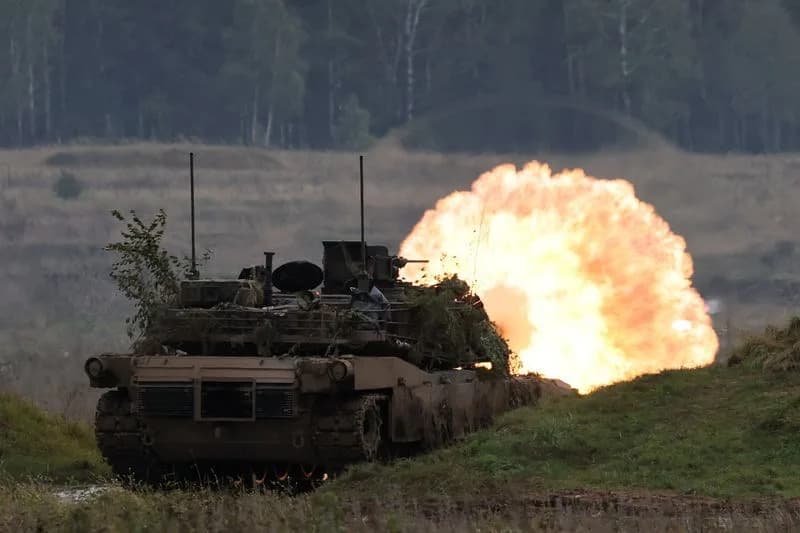
Concerns about national defence capacity are pronounced. Some 69% of those surveyed said their country would be 'not at all' or 'not likely' capable of defending itself against Russian aggression. French respondents were the least pessimistic on this question: 44% said their country was 'quite' or 'fairly' capable of defending itself; France is also the only country in the survey that possesses nuclear weapons. At the opposite end, 87% of Belgians, and 85% of both Italians and Portuguese respondents, judged their countries incapable of defending themselves.
When asked about immediate threats, respondents ranked terrorism highest: 63% viewed the risk of an open conflict with 'terrorist' groups as 'high' or 'very high'.
Context and quotes
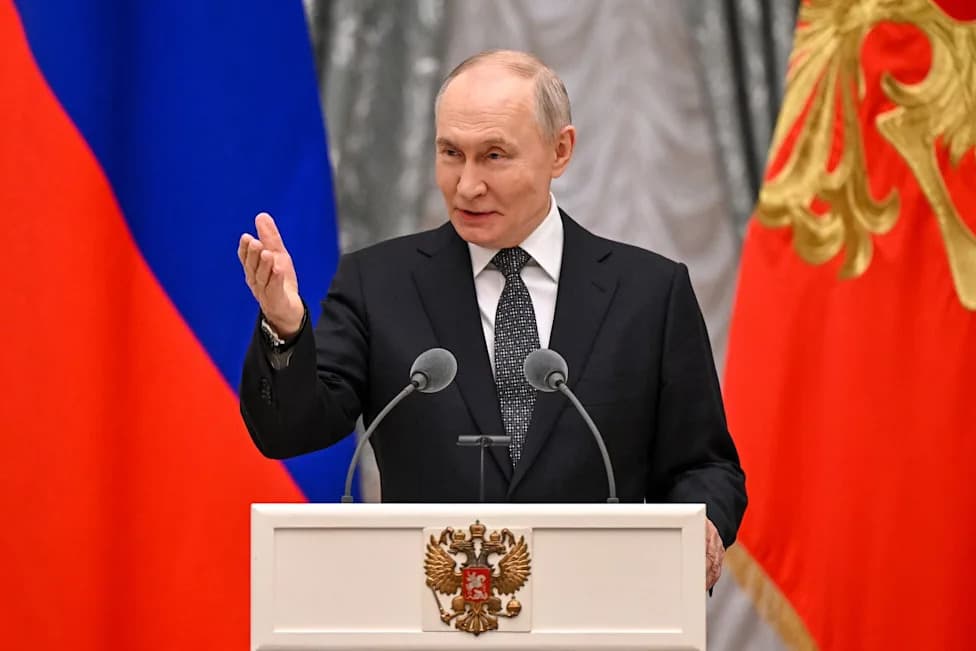
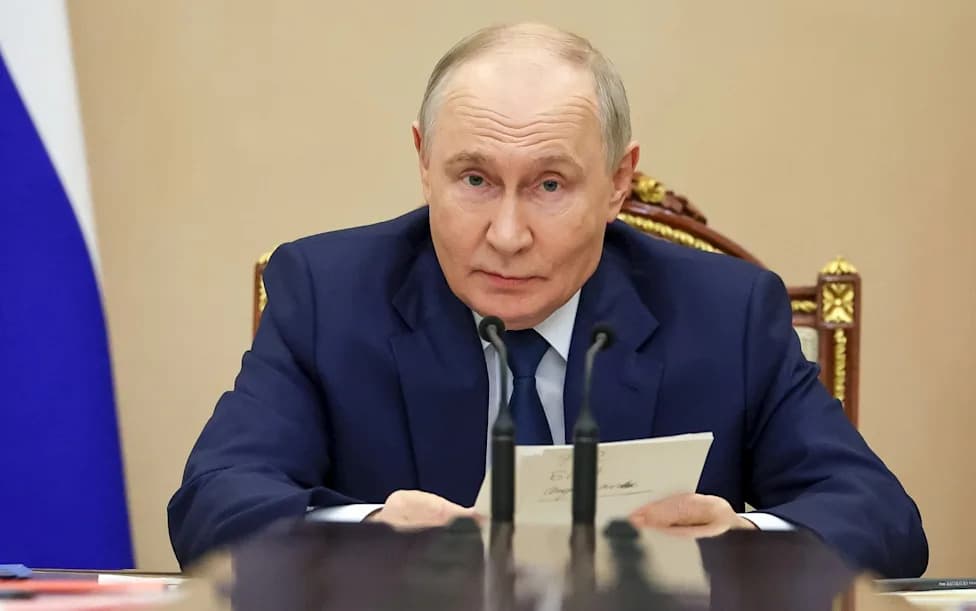
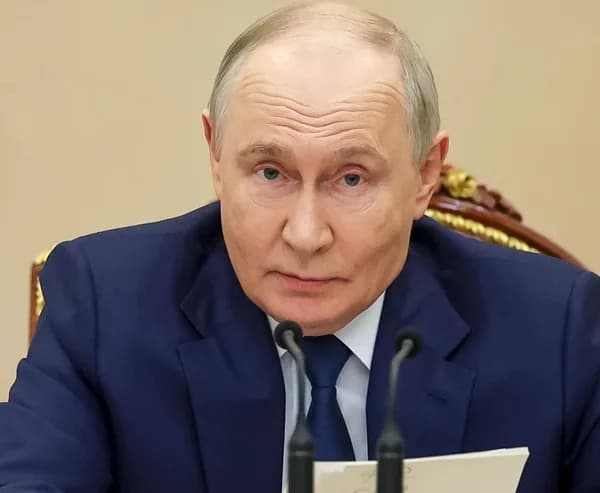
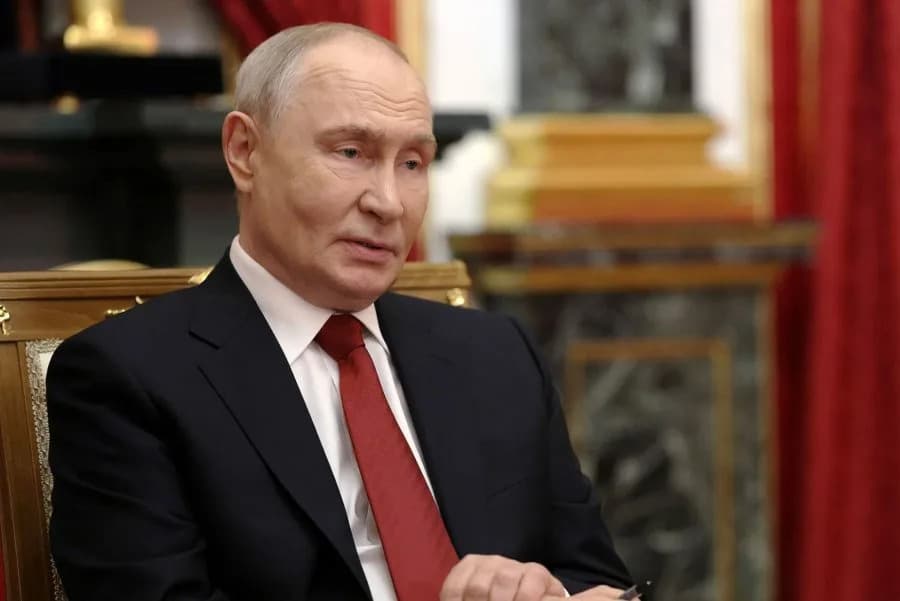
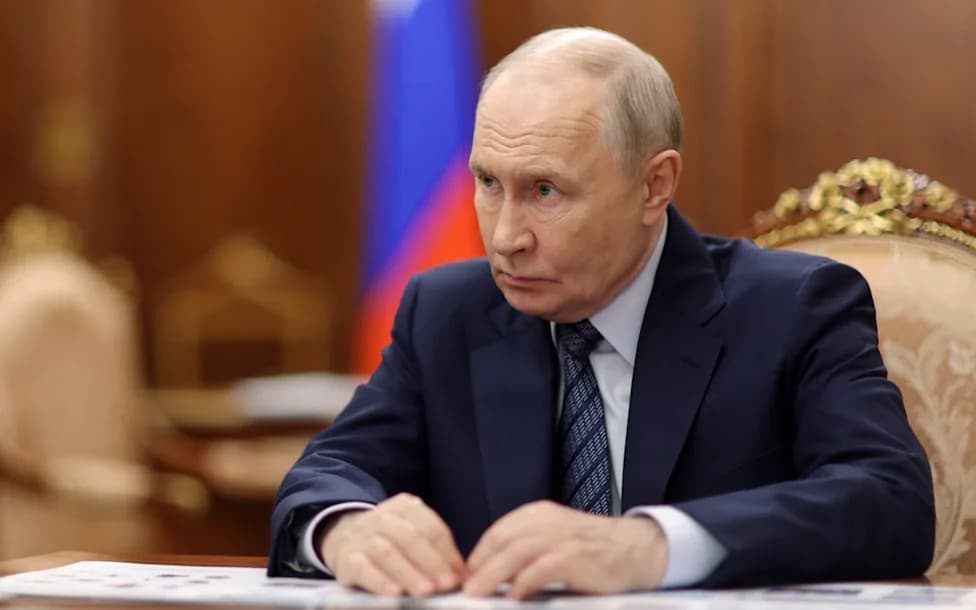
The poll follows public statements that have heightened security concerns: France's top general warned recently that Russia could be preparing for a new confrontation by around 2030, while Russian President Vladimir Putin was quoted as saying, 'if Europe wants war, we are ready right now.' These remarks help explain why respondents remain attentive — and often anxious — about their countries' security outlook.
The survey highlights sharp differences in threat perception and trust in national defence across Europe, signalling potential political and policy debates ahead on military readiness, national service and regional security cooperation.
Help us improve.