France's foreign minister Jean-Noel Barrot said Paris can refuse US proposals it finds unacceptable and warned that the European political order is "in danger." He told ambassadors the EU faces threats from external adversaries and internal "democratic fatigue," and rejected US claims of "civilisational erasure." Barrot also warned of increased nuclear proliferation risks as the New START treaty between the US and Russia expires on February 5. His remarks follow President Emmanuel Macron's recent criticism of Washington's shifting posture.
France Asserts Right To Say 'No' To The US — Foreign Minister Warns European Order 'In Danger'
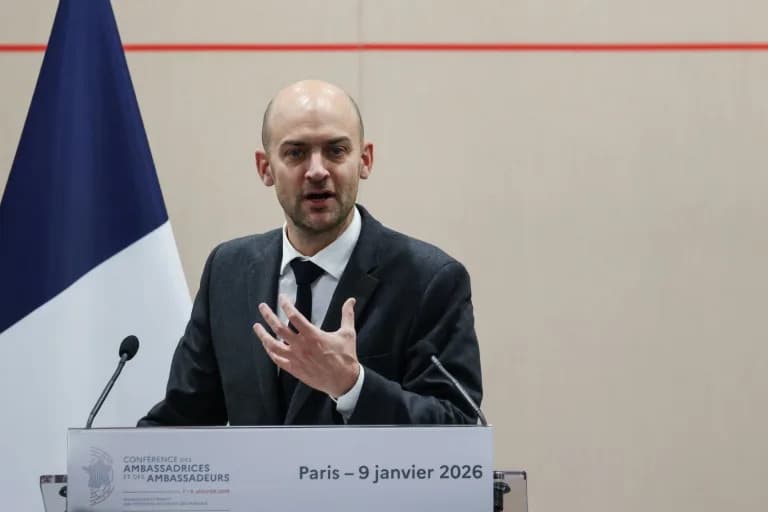
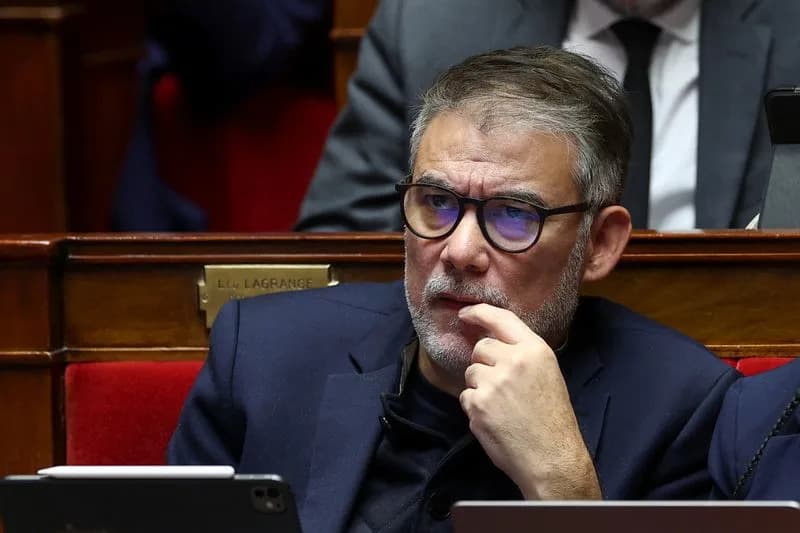
French Foreign Minister Jean-Noel Barrot warned that the European political order 'is today in danger' (Ludovic MARIN)(Ludovic MARIN/POOL/AFP)
France's foreign minister, Jean-Noel Barrot, said on Friday that Paris retains the right to refuse proposals from its long-standing ally the United States when those proposals are unacceptable, warning that the European political order is "in danger."
Delivering his annual address to France's ambassadors, Barrot stressed that the European Union faces threats both from external adversaries and from internal strains such as democratic fatigue. His remarks came amid heightened geopolitical tensions — including a Russian strike in western Ukraine near the Polish border and sharp rhetoric in a recent US national security strategy.
Barrot's Message To Allies
Barrot acknowledged that the new US administration has chosen to rethink ties with Europe, but insisted sovereignty allows Paris to refuse measures it deems unacceptable. He told ambassadors that Europe must stand firm against pressures that would weaken solidarity among member states.
"In a matter of months, the new American administration decided — and that is its right — to rethink the ties that bind us," Barrot said. "It is also our right to say 'no' to a historical ally, however historical it may be, when its proposal is not acceptable and when we must say 'no'."
Security Concerns: Russia, Nuclear Risk, And Political Rhetoric
In an example of rising tensions, Russian forces overnight struck western Ukraine near the EU and NATO border with Poland using a hypersonic Oreshnik missile after rejecting a post-war peacekeeping plan backed by Kyiv's European and US allies.
Barrot also pushed back on a December US national security strategy that warned Europe faced 'civilisational erasure' from migration and advocated cultivating resistance among right‑wing parties. He rejected that characterization and cautioned that such alarmist rhetoric risked distracting from real threats.
"No, Europe is not on the brink of civilisational erasure," Barrot said. "But yes, our political order is today in danger, despite its precious stability in an unpredictable world, despite its immense scientific, technological, cultural and financial wealth."
He warned of a growing risk of nuclear proliferation as the legal framework for arms control erodes. The New START treaty, the last bilateral nuclear arms control agreement between the United States and Russia, is due to expire on February 5 — a development Barrot said heightens global security risks.
Broader Diplomatic Context
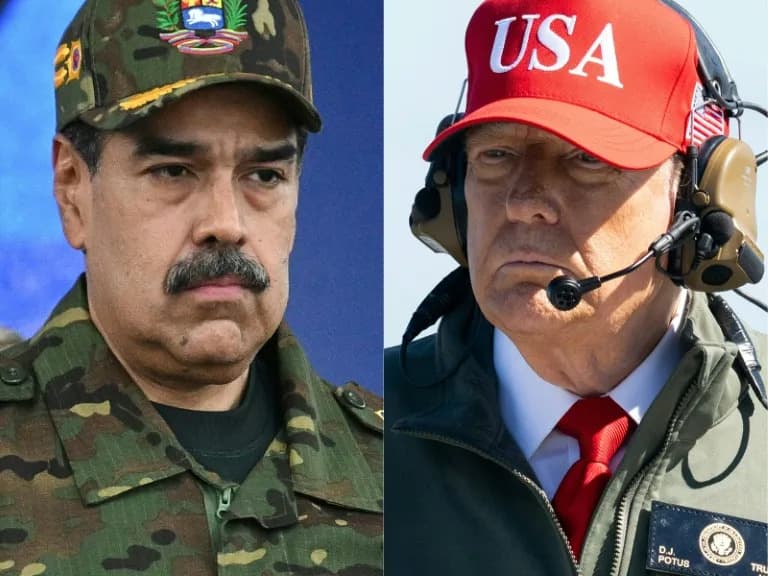
Barrot's speech followed similar concerns voiced by President Emmanuel Macron, who recently criticized the United States for what he described as a gradual turning away from allies and a loosening of international norms under the Trump administration. French officials are now navigating the challenge of protecting European interests while preserving transatlantic cooperation.
As Europe weighs its response, leaders face the twin tasks of managing immediate security threats and shoreing up democratic resilience at home to maintain the bloc's unity over the coming decade.
Help us improve.