Andrew Chakhoyan argues that many foreign-policy realists misapply their framework to Russia by blaming NATO rather than Moscow for aggression. He traces a pattern of unpunished Russian force from Chechnya to Georgia, Crimea and Donbas, and contends that rewarding aggression only invites further expansion. Chakhoyan highlights Russia’s economic and social strains, its growing dependence on China and other partners, and warns that failing to deter Moscow now will make future crises more dangerous and costly. He concludes that aiding Ukraine aligns with U.S. security interests and credible deterrence, not merely moral sentiment.
How Foreign-Policy Realists Lost Touch With Reality on Russia
Three scholars walk into a bar and watch a country being invaded on television. The constructivist says, “We must help.” The pragmatist says, “We should weigh costs and benefits.” The realist says, “This is NATO’s fault.” It reads like a joke — except it captures a recurring pattern in how many foreign-policy realists explain Russian aggression.
Realism and a Double Standard
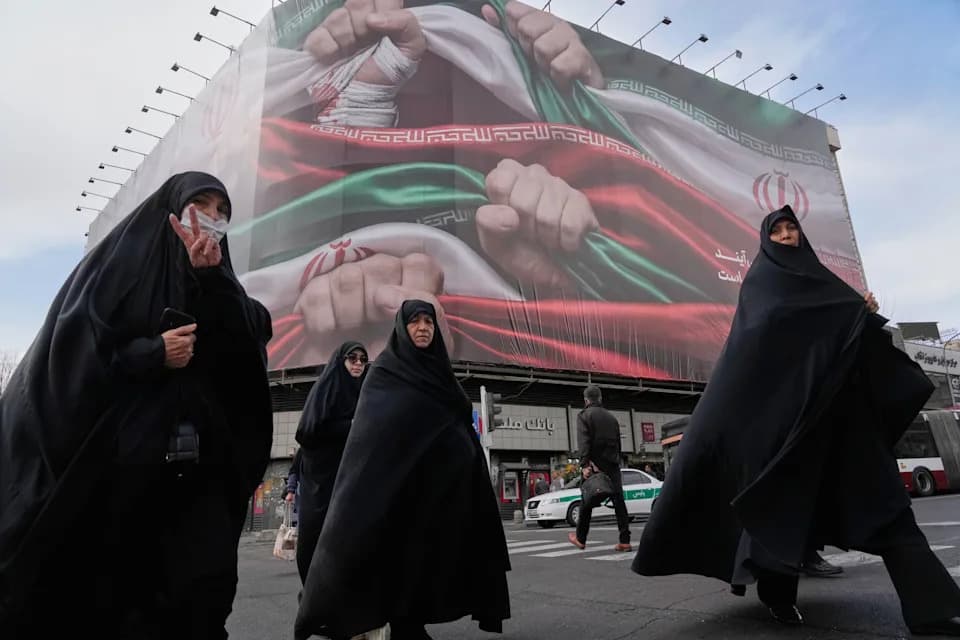
Classical realism emphasizes national interest, the balance of power and hard constraints. Properly applied, it requires confronting the world as it actually is, not as we wish it to be. Yet a strand of realist thought represented by figures such as John Mearsheimer, Samuel Charap and Stephen Walt often applies a glaring double standard: Moscow’s wars are framed as understandable defensive responses to NATO “expansion” or Western “encirclement,” lending credibility to threats that largely exist in the Kremlin’s imagination.
Sequence and Responsibility
Sequence matters. NATO did not set out to expand for the purpose of threatening Russia; many states once under Moscow’s shadow sought membership the moment they could. If Washington intended to menace Russia, why did Ukraine spend years pleading for membership while U.S. officials equivocated?
In practical terms, NATO remains a deterrent — a “deadbolt” protecting its members — not an immediate existential threat to the Kremlin. Yet some realists persist in portraying the alliance as the proximate cause of Russian aggression.
A Pattern of Unpunished Violence
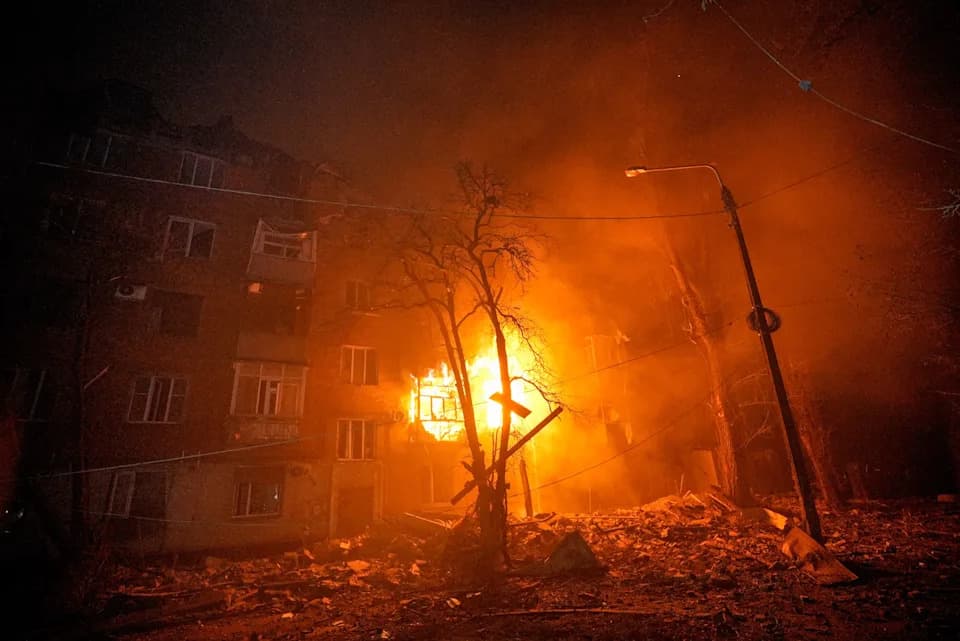
Recent history shows repeated episodes of Russian force that drew limited consequences. In 1991 Chechnya declared independence and Moscow responded with devastating campaigns. In 2008 Russian tanks crossed into Georgia. In 2014, Russia annexed Crimea and backed separatists in Donbas. On each occasion, international response fell short of decisive deterrence. The result was not stability but a growing permissiveness that helped set the stage for the 2022 invasion of Ukraine.
Escalation rarely results from calling out aggression — it more often follows the failure to deter it early.
The Stakes of Appeasement
Heeding the counsel to concede territory to secure “stability” would quickly test NATO’s Article 5. The United States and Europe would face a stark choice: deploy forces to confront Russia directly, or watch the postwar security order that preserved decades of relative peace unravel. Either path risks a severe strategic unraveling — a broader war, bloated defense budgets that crowd out other priorities, and economies reorganized for prolonged confrontation.
Those who prioritize static borders regardless of how they are enforced urge Ukraine to accept “difficult concessions.” But when aggression is rewarded, conflict spreads — not contains itself.
Russia’s Limits and Dependencies
The material foundations of Russian power are often overstated. Russia’s economy is reportedly smaller than Texas’s. Citations of Russian scientific papers have fallen sharply in recent years, with some reports indicating a dramatic decline from 2021 to 2024. Social indicators and demographic strains also point to internal challenges.
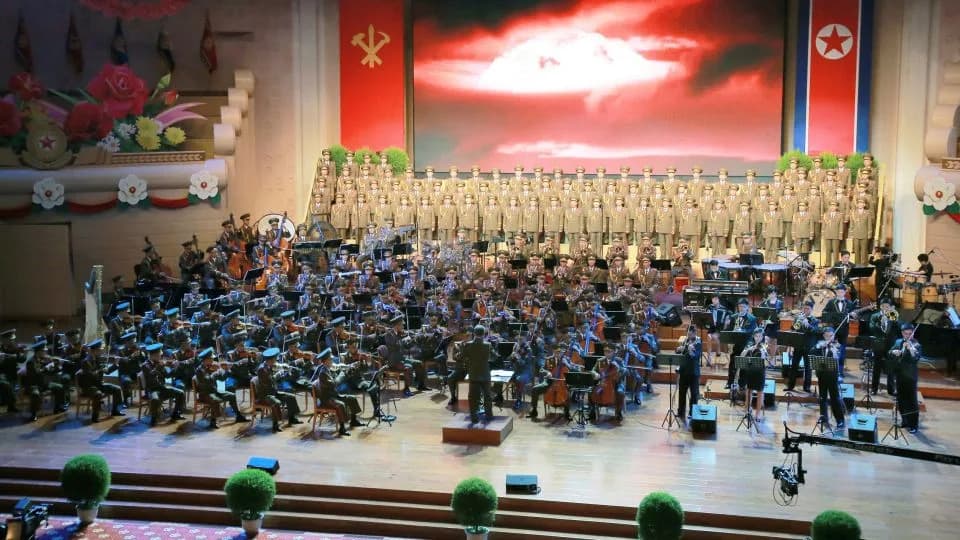
Moscow sustains its war effort through external suppliers: Iran supplies drones, China provides advanced technology and commercial cooperation, and North Korea has exported artillery munitions, according to open-source reporting. If Russia truly commanded the world’s second-strongest conventional military, it would not be stuck in a grinding conflict; in fact, it controls less Ukrainian territory today than it did in 2022.
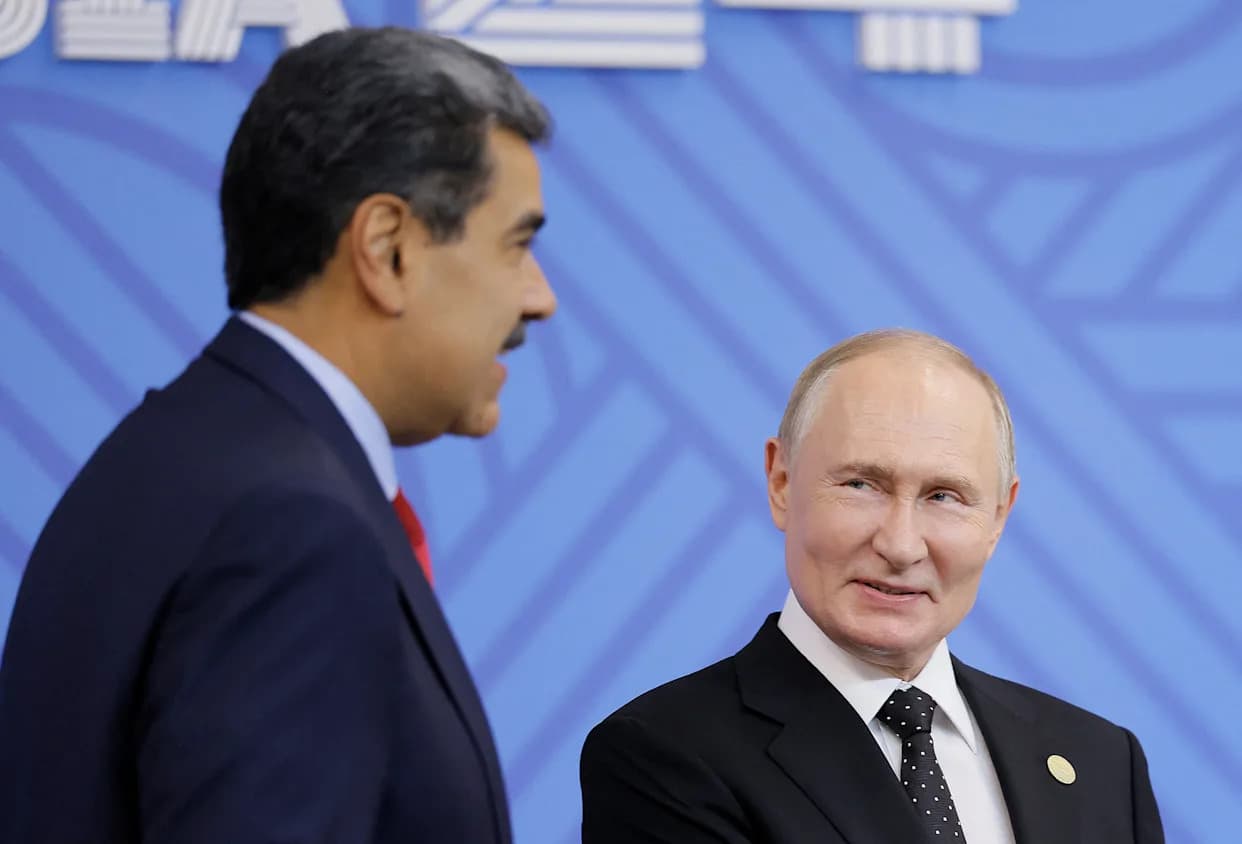
Russia’s chief source of international clout remains its nuclear arsenal. Yet Beijing has signalled limits to how far it will go to defend Moscow — including public comments that do not endorse first use of nuclear weapons on Russia’s behalf — underscoring that the Sino‑Russian partnership is asymmetric and transactional.
Dependency, Not Partnership
What began as a pragmatic relationship between Moscow and Beijing has hardened into a closer post‑invasion alignment. That alignment, however, is heavily tilted: Russia depends on Chinese trade, technology and diplomatic cover more than China depends on Russia. Reports also indicate exchanges of personnel and materiel from North Korea in support of Moscow’s campaign.
Deterrence, Not Appeasement
History suggests the gravest escalation risks come not from confronting aggression when it occurs but from failing to deter it early. Russia did not suddenly become expansionist in 2022; it moved because deterrence had been conspicuously weak after Georgia (2008) and Crimea (2014). Too often, escalation is blamed on Ukraine or its supporters for “provoking” Russia. In truth, Moscow chooses each escalatory step, and when those choices meet caution rather than resistance, the pattern has been to push further.
Supporting Ukraine is not an abstract moral indulgence divorced from U.S. interests. The United States has a direct stake in whether borders can be changed by force, whether allied security guarantees retain credibility, and whether nuclear blackmail becomes an effective tool for revisionist aims. A Russian victory in Ukraine would weaken American commitments, embolden other challengers and make future crises costlier and more dangerous to resolve.
What Realism Should Demand
Vladimir Putin rose to power promising “stability” to Russians — a stability that has excluded democratic institutions, free elections, independent media and basic rights. When Western realists argue that conceding to that model preserves order, they may be buying Moscow time to rearm and prepare for a larger conflict.
Ukraine is not asking the United States to fight Russia directly. It is asking the West to stop undermining transatlantic security by underestimating the cost of inaction and failing to sustain credible deterrence.
About the author: Andrew Chakhoyan is Academic Director at the University of Amsterdam. He formerly served at the U.S. Millennium Challenge Corporation and studied at Harvard Kennedy School and Donetsk State Technical University.
Copyright 2026 Nexstar Media, Inc. All rights reserved. This material may not be published, broadcast, rewritten, or redistributed.
Help us improve.