Researchers report that wheat lines selected for top yield under ideal conditions often maintain strong performance in drought and heat. Published in Trends in Plant Science, the study proposes a two-step breeding strategy: first select high-yield candidates, then test a smaller set with good agronomic traits across local environments. The authors argue this approach balances productivity, resilience and farmer profitability and could help protect cereal supplies as climate change intensifies.
High-Yield Wheat Often Withstands Drought and Heat, Study Finds
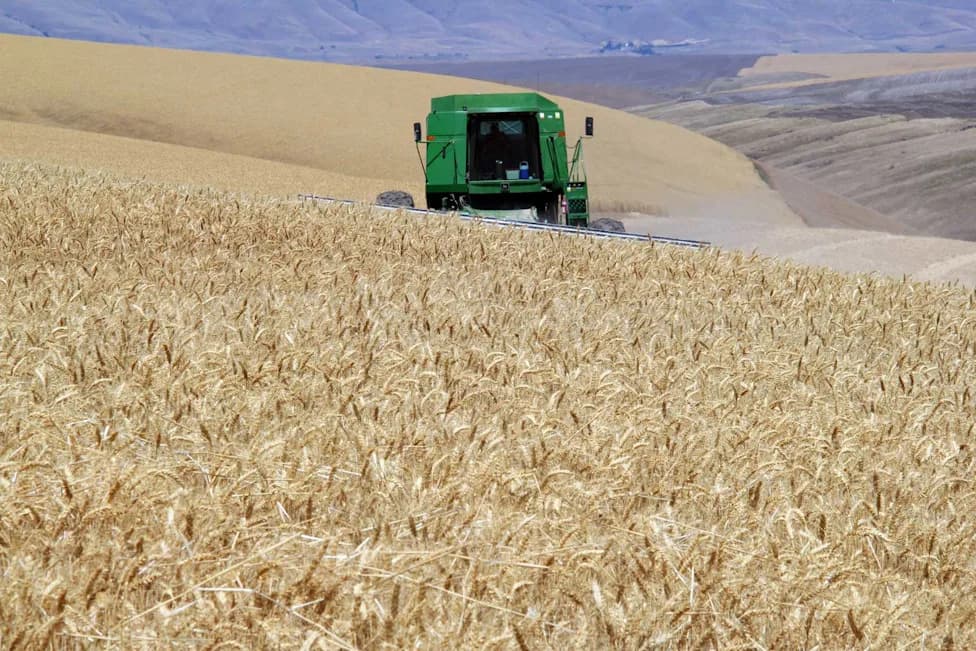
New research suggests that wheat varieties selected for maximum yield under ideal conditions frequently retain strong performance when exposed to drought and heat. The finding offers a pragmatic path for breeders and farmers aiming to protect food supplies as climate change increases the frequency of extreme heat and dry spells.
The study, published in Trends in Plant Science and led by researchers including José Luis Araus of the University of Barcelona, evaluates breeding strategies that balance yield potential, resilience to abiotic stresses, and farmer profitability. The authors argue that prioritizing peak yield in early selection can produce candidates that perform well across a broad range of environments, not only under optimal conditions.
Two-step strategy for resilient, productive wheat
The team recommends a two-step approach: first, screen and select wheat lines with the highest yield potential in the best possible testing environments; second, take a narrower set of those high-yield candidates that also show favorable agronomic traits and test them across the specific local environments where they will be grown. This targeted testing helps identify varieties that combine high productivity with local adaptation.
"What is good under optimal conditions is also good under less optimal conditions: a high-yielding candidate selected in the best environment will normally outperform varieties that have not been selected for their yield potential, and this will occur under a wide range of conditions, such as moderate drought," said José Luis Araus, professor of biology at the University of Barcelona and a co-author of the study.
The authors acknowledge potential trade-offs: breeding exclusively for extreme-condition performance could limit overall productivity and economic returns for many farmers. In regions where extreme-adapted varieties are unlikely to be profitable, the high-yield-first strategy may offer a better balance of resilience and viability.
Implications for global food security
Rising temperatures and more variable weather have already reduced yields of staple cereals such as wheat, barley and maize in many producing regions. By focusing initial selection on yield potential, then refining choices for local conditions, breeding programs may be able to accelerate the development of varieties that help stabilize supplies while remaining economically attractive to growers.
The authors call for continued field testing across diverse environments and for breeding programs to incorporate both productivity and resilience metrics. Such coordinated efforts will be essential to safeguard food production as climate extremes become more common.
Help us improve.