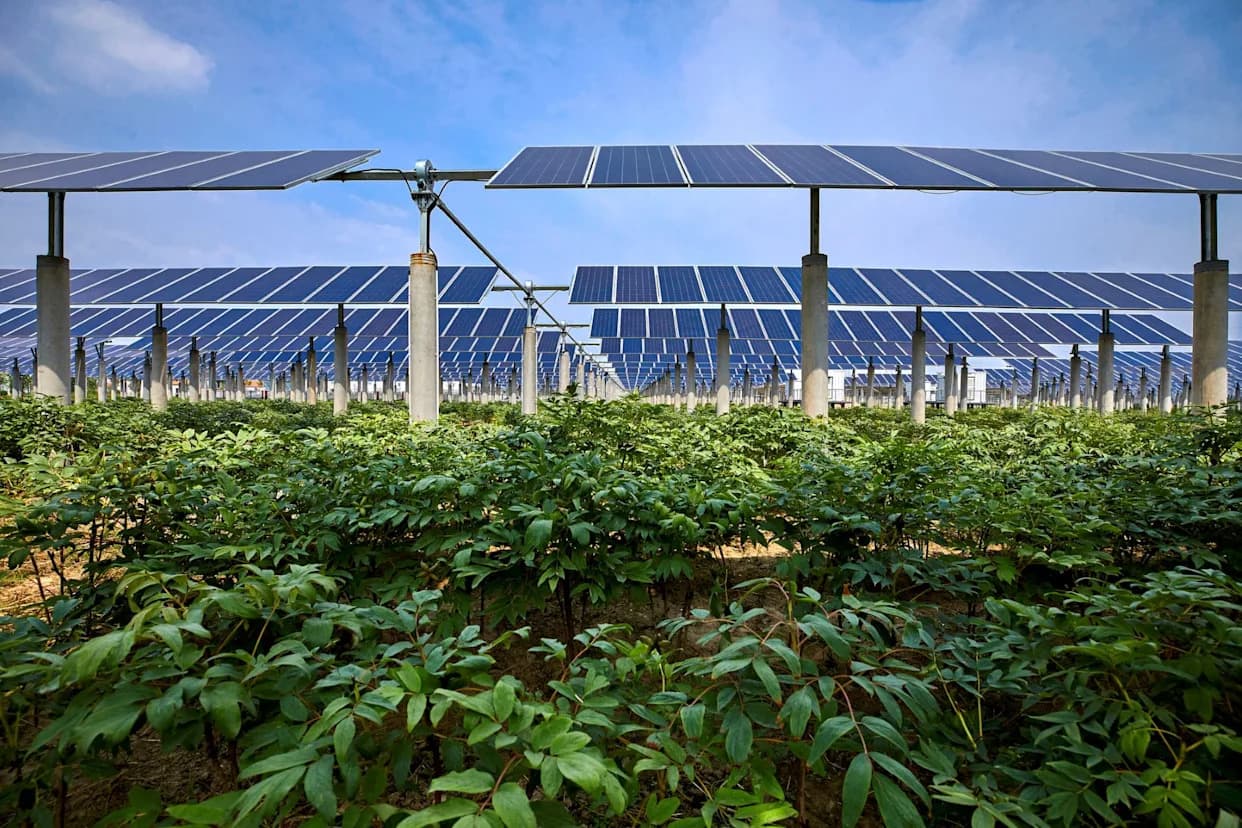
Triticum is Germany’s largest agrivoltaic project: a 69-acre installation in Bavaria built by Greenbuddies that pairs sun-tracking solar panels with wheat cultivation. The site will offer nearly 17 MW of peak capacity, and trackers could increase generation by up to 30% over fixed arrays. Agrivoltaics turn single-use land into dual-purpose farms, potentially boosting farmer income and improving land-use efficiency. Developers expect completion by the end of the year.
Triticum: Germany’s Largest Agrivoltaic Farm to Pair Sun-Tracking Solar Panels With Wheat
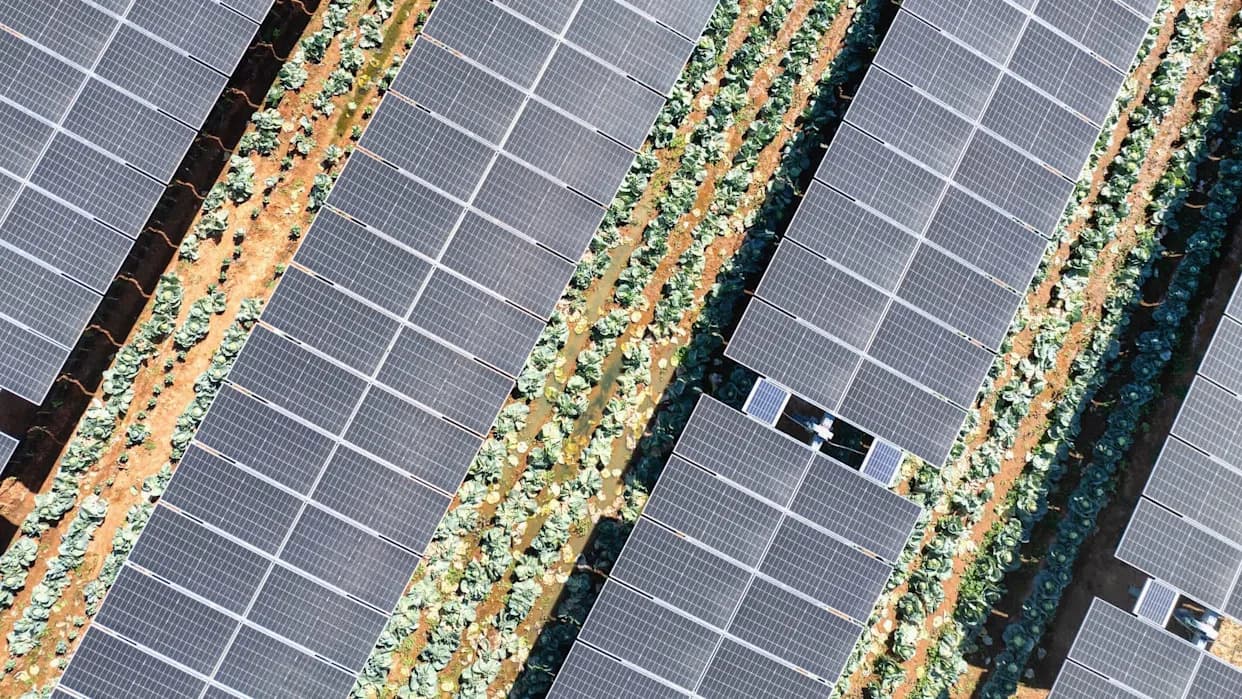
Photo Credit: iStock
Germany’s largest agrivoltaic project, named Triticum, is poised to start operations later this year and could reshape how solar energy and agriculture share the same land.
Project Overview
Built by the Greenbuddies group near Oberndorf am Lech in Bavaria, the installation will cover about 69 acres and deliver nearly 17 megawatts of peak capacity. The solar modules are mounted on tracking systems that follow the sun during the day, which developers say can boost electricity output by up to 30% compared with fixed arrays.
How It Works
The most novel element of Triticum is its dual use: the elevated, sun-tracking arrays will allow wheat to be cultivated beneath them. By combining energy generation with crop production on the same footprint, the project aims to demonstrate that large-scale solar and conventional agriculture can coexist without sacrificing either land use.
Why This Matters
Agrivoltaic systems like Triticum can make land use more efficient, potentially increasing farmer income by providing an additional revenue stream from land that would otherwise be dedicated to a single purpose. Pairing solar with crops may also create beneficial microclimates for plants, reduce soil evaporation, and support biodiversity—though local outcomes depend on crop type, panel spacing, and management practices.
Real-World Examples and Policy Changes
Similar approaches have shown promise internationally: a coffee farmer in Puerto Rico and a peach grower in western Colorado have installed panels on their farms, and the Czech Republic recently updated regulations to permit solar panels above crops such as cabbage and tomatoes. These examples demonstrate growing interest in agrivoltaics as a practical land-use strategy.
Timeline and Outlook
Developers expect Triticum to be completed by the end of this year. If successful, the project could encourage more farmers and developers to pursue agrivoltaic models that combine clean energy production with productive agriculture.
Note: While agrivoltaics offer promising benefits, outcomes vary by site. Crop yields, energy output, and ecological effects depend on design choices, crop species, local climate and long-term management.
Help us improve.