University of Arkansas scientists discovered a rice gene regulator called HYR that activates genes sustaining photosynthesis, energy production and grain filling. Activation of HYR produced strong yields and preserved grain quality in early trials, even under drought stress. Given rice is a staple for more than half the world, HYR could be an important breeding target for climate-resilient crops.
New Rice Regulator 'HYR' Boosts Yield and Protects Grain Quality Under Heat and Drought
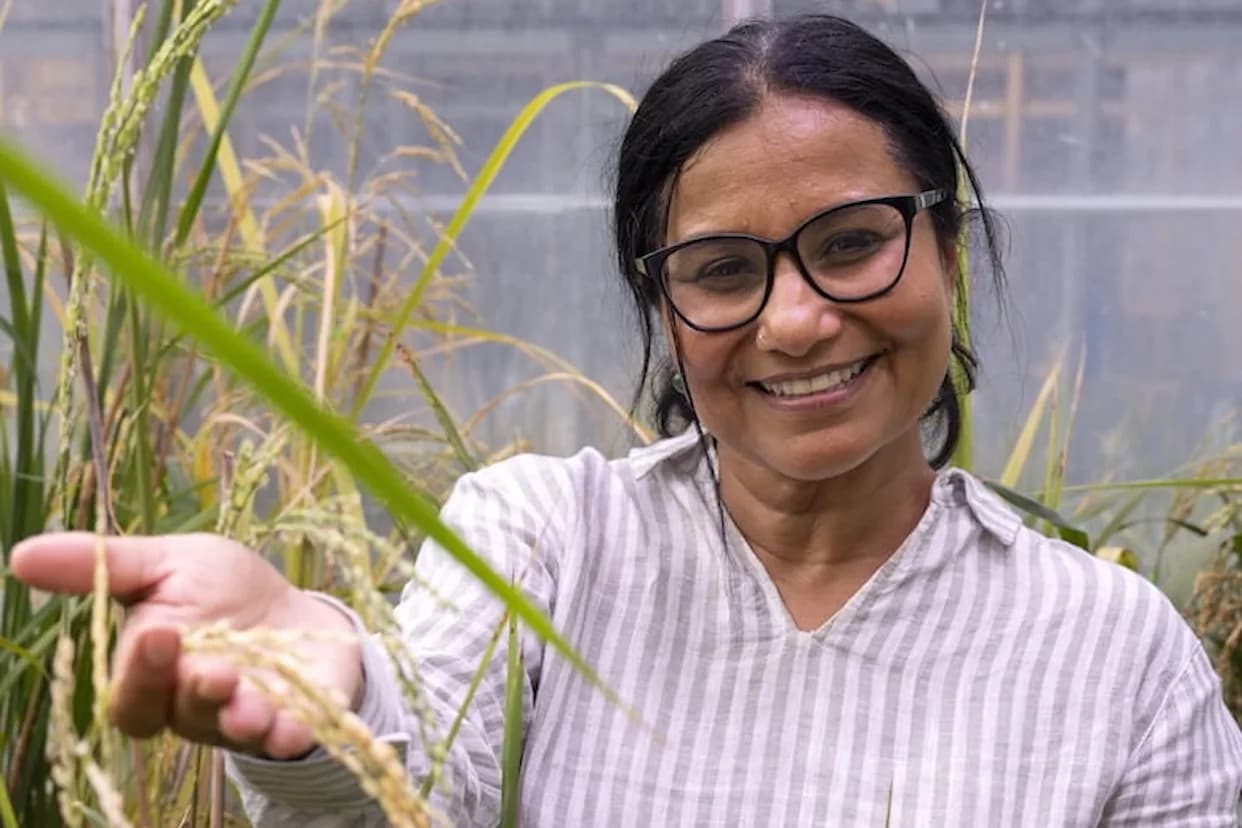
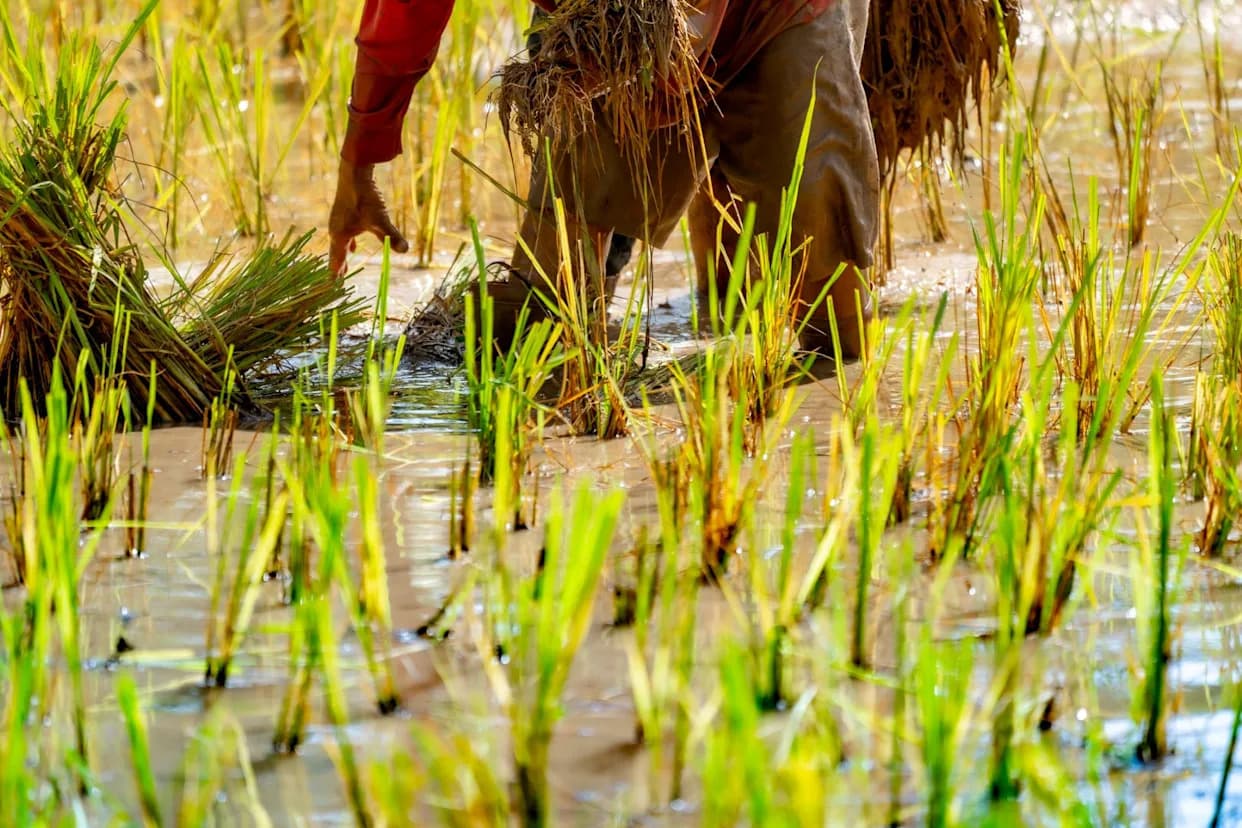
Photo Credit: Paden Johnson, U of A System Division of Agriculture
Researchers at the University of Arkansas have identified a gene regulator in rice called HYR (Higher Rice Yield) that helps maintain photosynthesis, cellular energy production and proper grain filling — traits that preserve yield and grain quality under stress.
Rising nighttime temperatures and extreme weather are already affecting agriculture worldwide; a NASA study has linked the warming trend to increased heat-related fatalities, and crops are similarly vulnerable. Even modest increases in nighttime temperature across consecutive nights can make rice grain chalky, reducing taste, milling efficiency and market value.
The Arkansas team reports that HYR functions as a master switch, activating a suite of genes that support key physiological processes. In greenhouse and early field trials, plants with activated HYR maintained photosynthetic activity and grain filling, producing strong yields even under drought conditions.
'HYR serves as a promising target for breeders to improve rice grain quality, yield stability and stress resilience,' said Professor Andy Pereira of the Arkansas Agricultural Experiment Station.
According to the USDA, rice is a primary food staple for more than half of the world's population, so genetic tools that protect both yield and grain quality are globally important. The University of Arkansas' discovery complements other recent advances in rice science: researchers in China have reported genes that enable mechanized separation of hybrid rice seeds—reducing labor and cost—and varieties with resistance to rice blast disease, a pathogen that can devastate production.
While HYR shows promise as a practical breeding target, researchers note that broader field trials, multi-location testing and regulatory assessment will be needed before HYR-based varieties can be widely deployed. If those steps succeed, HYR could become a valuable tool in developing climate-resilient rice varieties that help secure food supplies under warming conditions.
Help us improve.