Researchers at the University of Illinois Urbana–Champaign found that some crops can be grown beneath solar panels, enabling simultaneous food and electricity production. The study compared grain sorghum and soybean under shaded and full‑sun conditions and found both produced fewer grains under panels, while sorghum compensated by producing heavier kernels. Authors recommend breeding and management changes—such as shorter sorghum cultivars and wider panel spacing (~8 m)—to improve agrivoltaic performance. Pilot projects are already testing these approaches and the study concludes co‑locating crops and PV can boost land efficiency and farm revenue.
Study: Certain Crops Can Thrive Beneath Solar Panels — How To Optimize Agrivoltaics
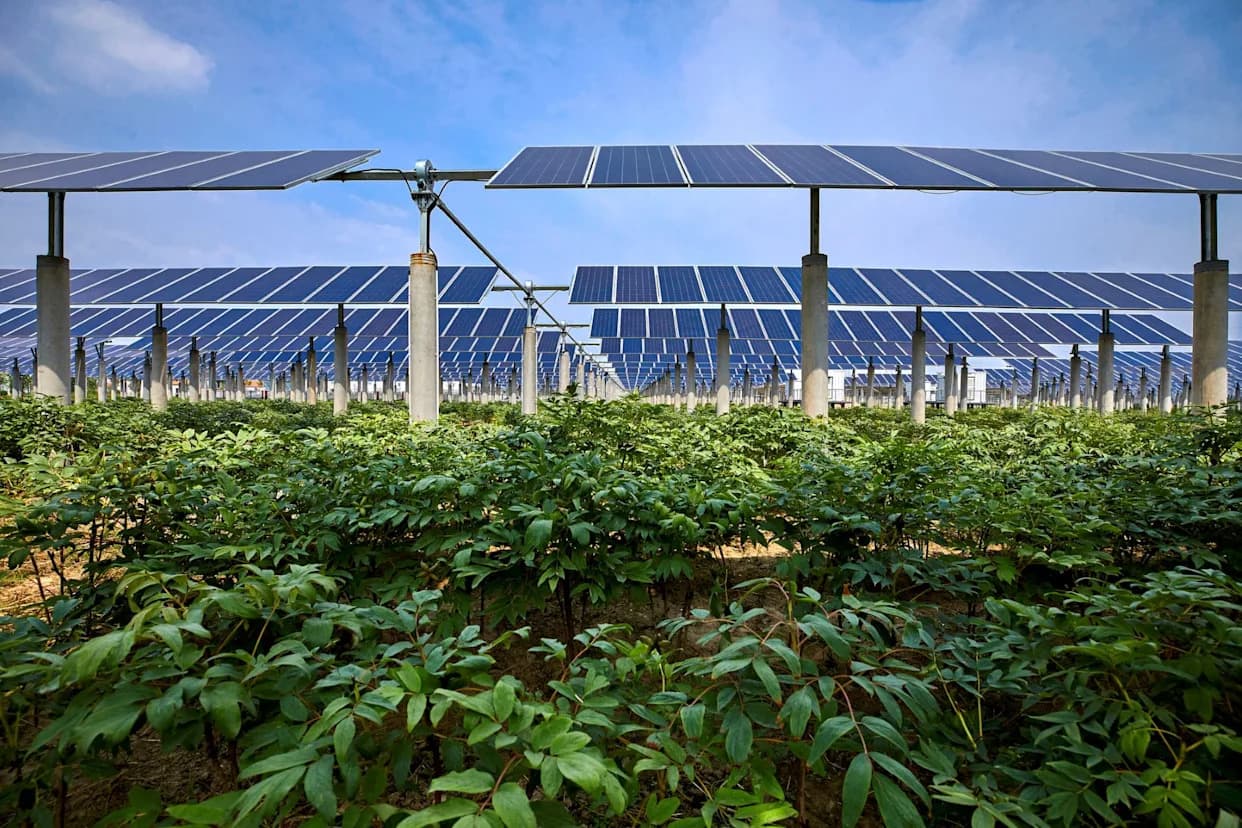
Photo Credit: iStock
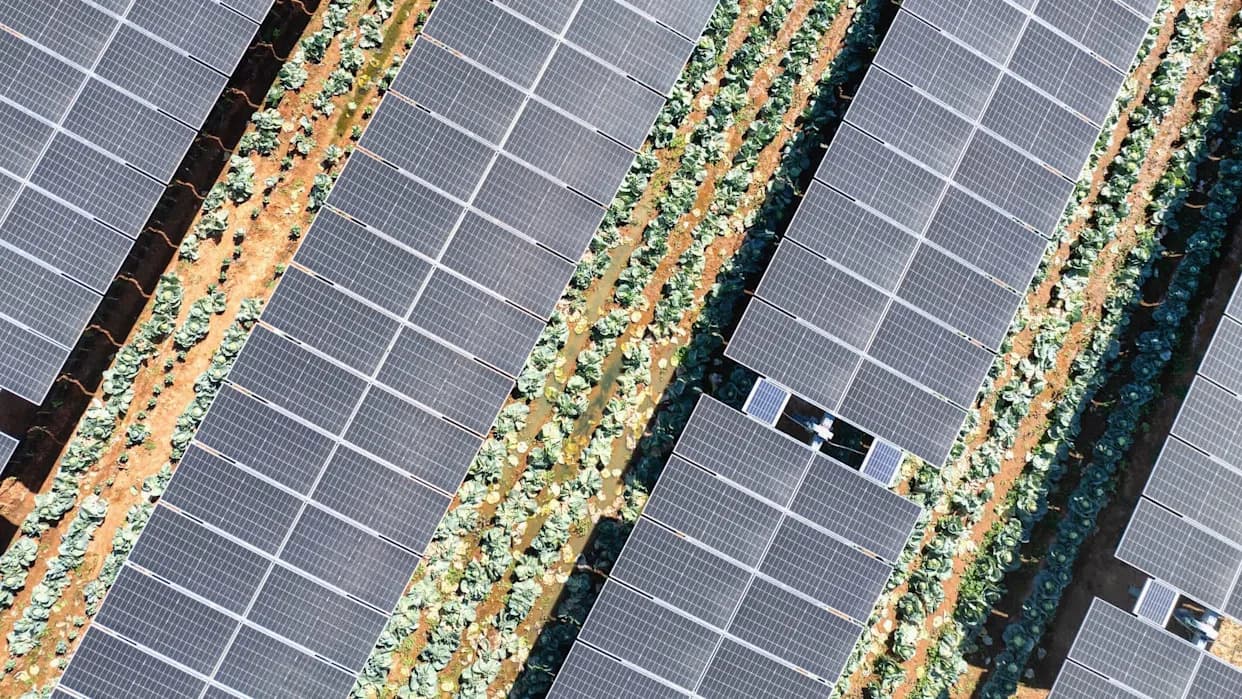
Scientists report that some crops can perform well in the shade of solar panels, opening the possibility of producing food and clean electricity on the same land. A team from the University of Illinois Urbana–Champaign studied how grain sorghum and soybean respond when grown beneath photovoltaic (PV) arrays compared with full‑sun controls.
Study Design and Key Findings
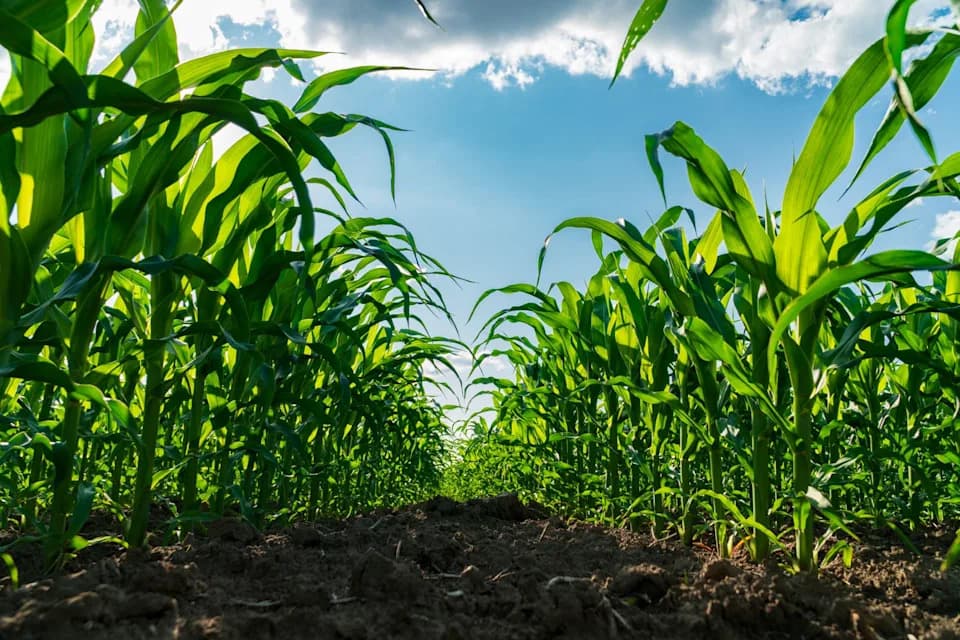
Researchers measured grain production under shaded conditions created by solar panels and compared it with plants grown in full sunlight. Both shaded crops produced fewer grains than the full‑sun controls, but sorghum partially offset the reduced grain number by producing heavier individual grains. Results were published in the journal Smart Agricultural Technology and reported by PV Magazine.
Why Sorghum and Soybean React Differently
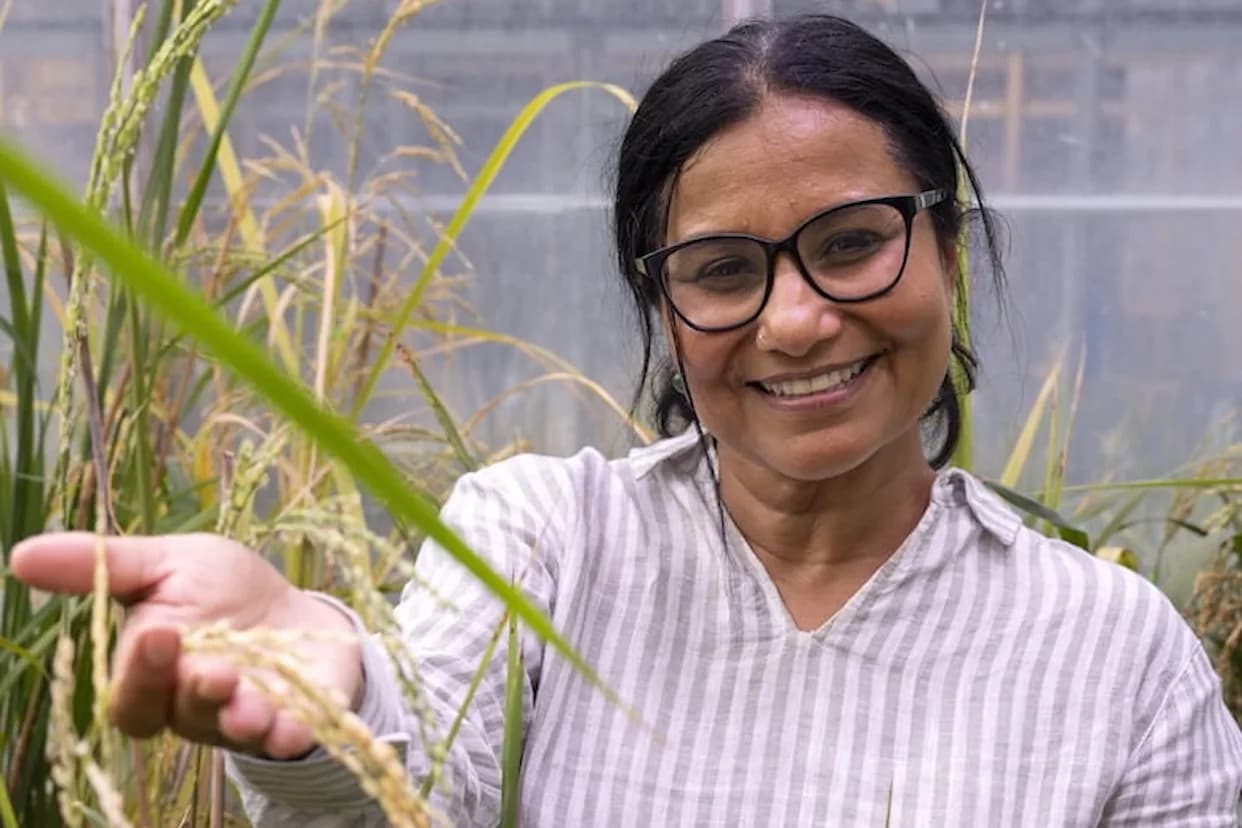
According to the study's corresponding author, DoKyoung Lee, the crops responded differently because they use different photosynthetic pathways and resource‑allocation strategies. These physiological differences shaped how each crop adjusted growth and yield under reduced light.
"These findings guide optimizing cultivar selection and management practices in agri‑PV systems," said DoKyoung Lee in an interview with PV Magazine.
Practical Recommendations
Based on detailed analysis of photosynthesis and resource allocation, the researchers suggested targeted breeding and management strategies to improve performance under panels. One concrete recommendation is to selectively breed shorter sorghum varieties to boost fruiting efficiency beneath shaded arrays. The study also highlights that panel spacing matters: other research indicates spacing solar panels about 8 meters apart can allow sufficient light for many crops to thrive under the arrays.
Real‑World Trials and Economic Benefits
Pilot projects—such as demonstrations in New Jersey—are already testing how crops and PV systems coexist outside controlled experiments. The Urbana–Champaign team noted that combining crop production and PV electricity generation can be a more efficient use of land than deploying either system alone and may increase farm revenue while maintaining crop production on the same parcel.
Takeaway: Agrivoltaic systems show promise, but success depends on crop choice, plant breeding, panel layout, and management practices tailored to shaded growing conditions.
Help us improve.