Quick guide: New Mexico skywatchers can look forward to a full slate of celestial events in 2026, including monthly named full moons, several major meteor showers, a total lunar eclipse on March 3 and a total solar eclipse on Aug. 12. The state offers numerous excellent dark-sky locations — from White Sands to the Cosmic Campground — ideal for viewing. Plan outings around moon phase and local weather for the best experience.
2026 Skywatching Guide for New Mexico: Full Moons, Meteor Showers and Eclipses

As 2025 comes to a close, New Mexicans who love the night sky can already mark many celestial events for 2026. From monthly named full moons to several major meteor showers and two notable eclipses, there will be plenty to see — especially from the state's dark-sky locations.
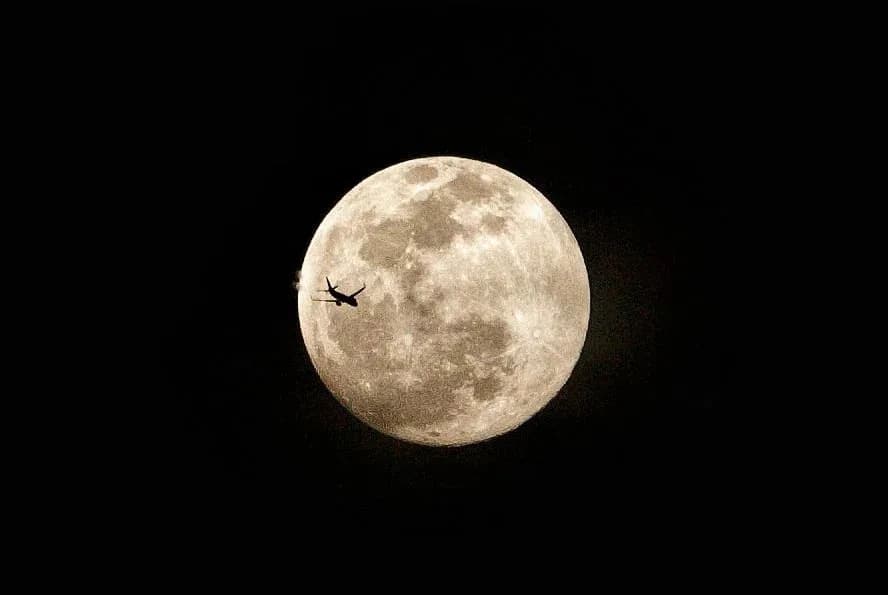
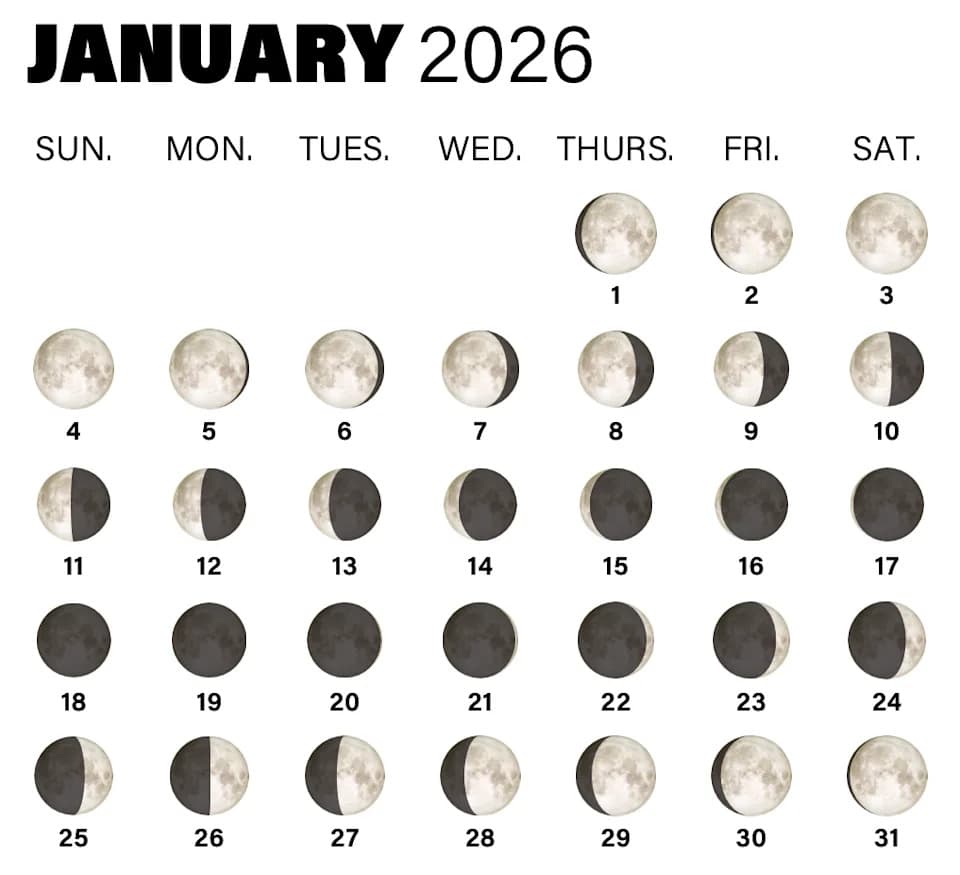
What is a full moon? A full moon occurs when the side of the Moon facing Earth is fully illuminated by the Sun. Some full moons receive traditional names — like Harvest Moon or Wolf Moon — and occasionally special labels are applied, such as blue moon or supermoon.
Full Moon dates (2026)
- Wolf Moon — Jan. 3
- Snow Moon — Feb. 1
- Worm Moon — March 3
- Pink Moon — April 1
- Flower Moon — May 1
- Blue Moon — May 31
- Strawberry Moon — June 29
- Buck Moon — July 29
- Sturgeon Moon — Aug. 27
- Harvest Moon — Sept. 26
- Hunter's Moon — Oct. 25
- Beaver Moon — Nov. 24
- Cold Moon — Dec. 23
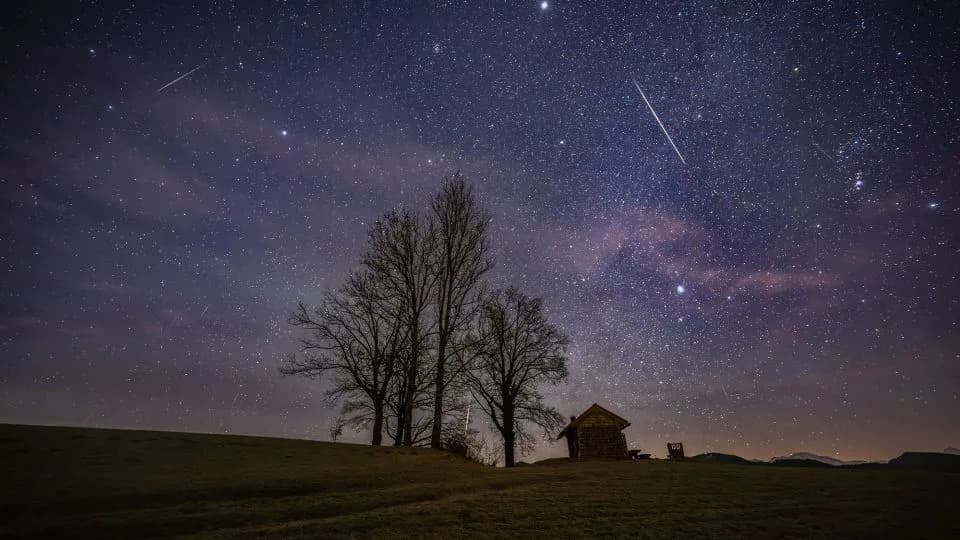
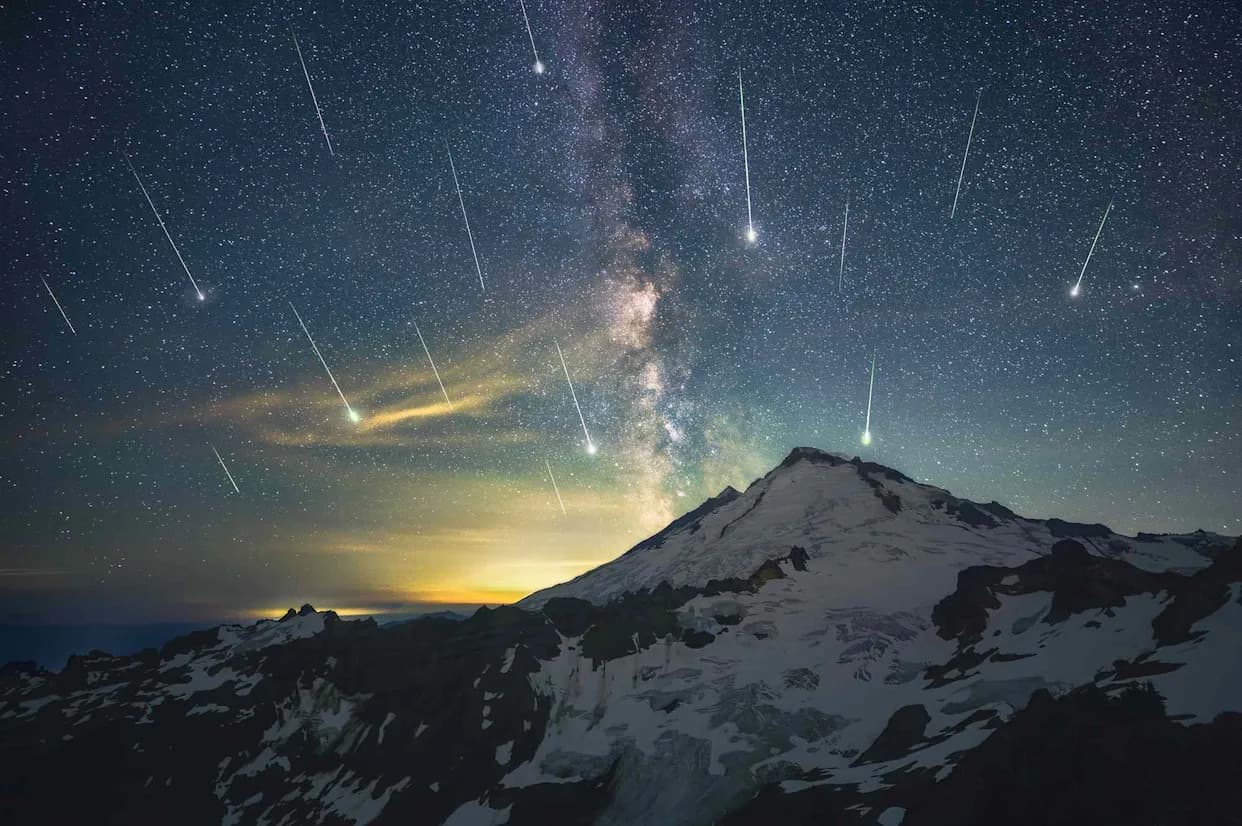
What is a meteor? A meteor (often called a shooting star) is the bright streak of light produced when a small rock or particle — a meteoroid — heats the air around it as it enters Earth's atmosphere. The glow is caused by the hot air, not the rock itself.
Major meteor shower windows (2026)
Below are the primary shower date ranges; peak activity typically occurs within each window and can vary year to year.
- Quadrantids — Dec. 28 to Jan. 12, 2026
- Lyrids — April 14 to April 30
- eta Aquariids — April 19 to May 28
- Southern delta Aquariids — July 12 to Aug. 23
- alpha Capricornids — July 3 to Aug. 15
- Perseids — July 17 to Aug. 24
- Orionids — Oct. 2 to Nov. 7
- Southern Taurids — Sept. 20 to Nov. 20
- Leonids — Nov. 6 to Nov. 30
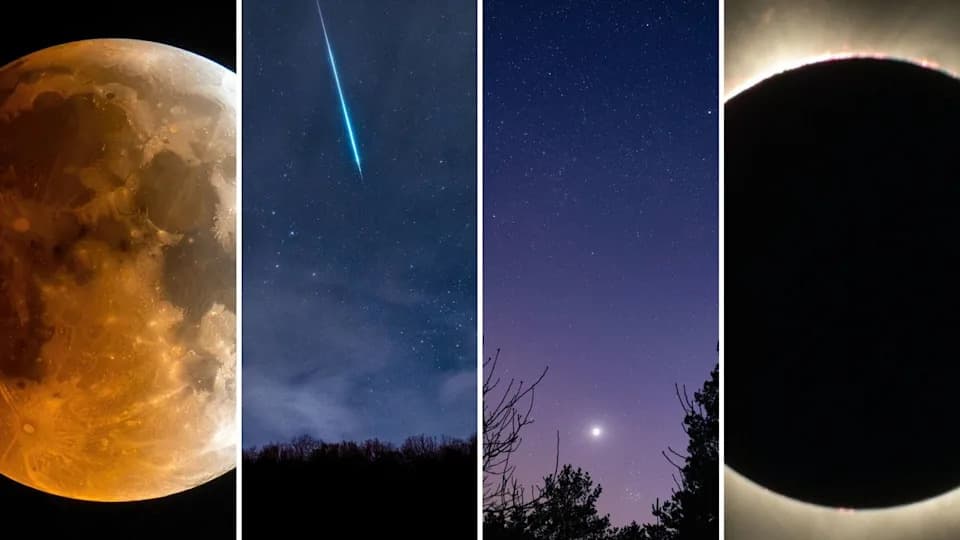
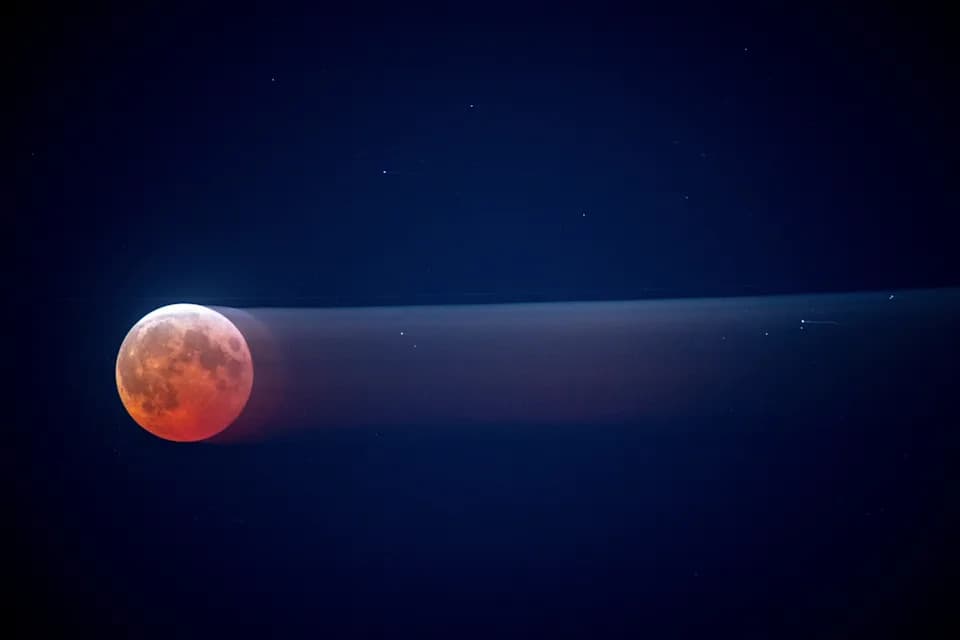
About eclipses: A lunar eclipse happens when Earth blocks sunlight from reaching the Moon, causing the full moon to dim as it moves through Earth's shadow. A solar eclipse occurs when the Moon passes between Earth and the Sun, casting a shadow on Earth and darkening the sky along the eclipse path.
Notable eclipses (2026)
- Total Lunar Eclipse — March 3, 2026. Visible from parts of Asia, Australia, the Pacific Islands and the Americas.
- Total Solar Eclipse — Aug. 12, 2026. The path of totality will not cross much of the continental United States; partial phases will be visible over broad regions. Check local visibility maps for specifics.
- Partial Lunar Eclipse — Aug. 27–28, 2026. Visible in the Americas, Europe, Africa and western Asia.
Best places in New Mexico to watch the sky
New Mexico has many outstanding dark-sky and low-light-pollution sites. Here are recommended locations where conditions are often excellent for stargazing:
- White Sands National Park — expansive horizons and low light make this a favorite for night photography and skywatching.
- Cosmic Campground — designated dark-sky site known for exceptionally clear views.
- Carlsbad Caverns National Park — remote setting with dark skies above the desert.
- Valles Caldera National Preserve — high elevation and wide vistas help reduce atmospheric haze.
- Chaco Culture National Historical Park — remote and historically significant; combine cultural touring with night sky viewing.
- Capulin Volcano National Monument, City of Rocks State Park, Clayton Lake State Park, El Morro National Monument, Fort Union National Monument, Oliver Lee State Park, Salinas Pueblo Missions National Monument, Valle de Oro National Wildlife Refuge, Magdalena.
Tips for a successful skywatching outing
- Check weather and moon phase: a bright full moon can wash out faint meteors and deep-sky objects.
- Bring warm layers, a reclining chair or blanket, red-light flashlight, and binoculars or a telescope if you have them.
- Allow your eyes to adapt to the dark (20–30 minutes) and avoid using bright white lights.
- Consult local park rules and hours — some locations require permits or have restricted nighttime access.
With these dates and locations, skywatchers across New Mexico can plan trips and viewing parties to catch many of 2026's most notable celestial displays. For exact peak times and visibility at your location, review astronomy resources or local observatories before you go.
Help us improve.