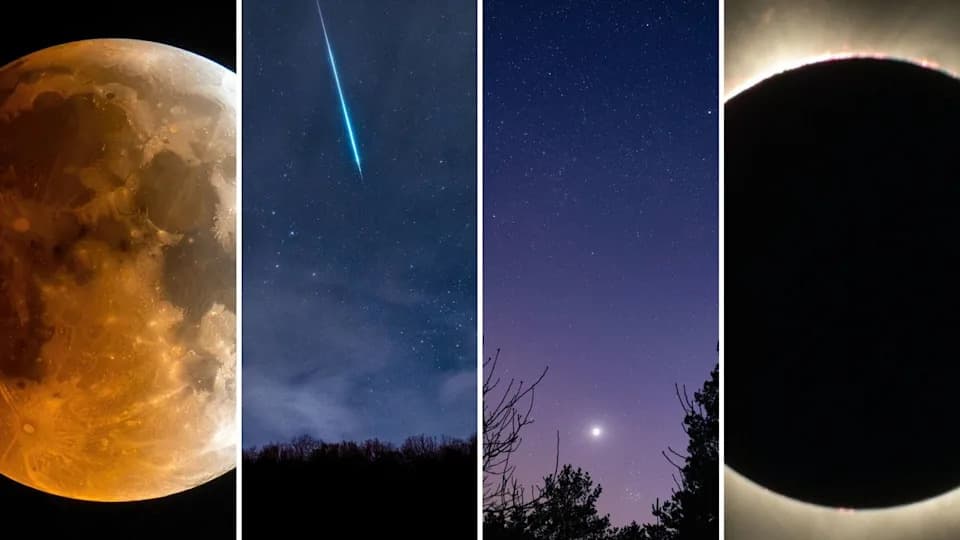
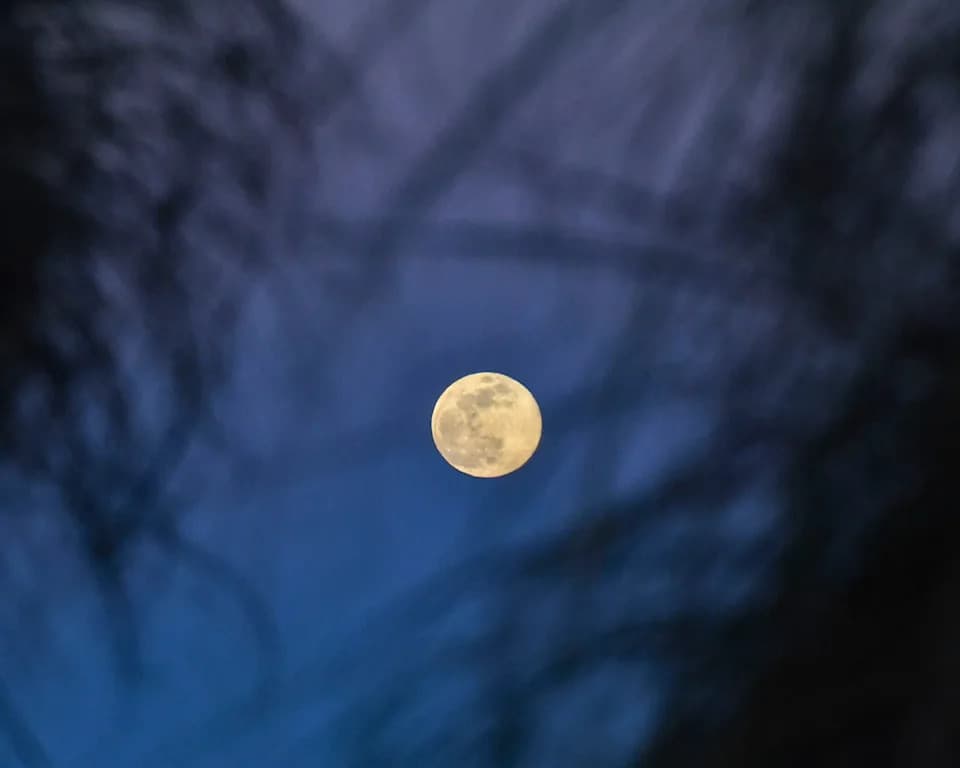
2026 offers a packed celestial calendar: 13 full moons (including a blue moon on May 31), three supermoons, four eclipses (an annular solar, a total solar, one total lunar and one partial lunar) and numerous meteor showers. Major displays include the Perseids and Geminids, while other showers may deliver bright fireballs. Check local timing and visibility maps, and always use certified solar viewers for solar eclipses.
2026 Skywatching Guide: Full Moons, Supermoons, Eclipses and Meteor Showers

Space has a way of pulling us away from our screens and reminding us that we live in a larger, cosmic neighborhood. Whether you’re a dedicated stargazer or someone who glances up when your feed fills with moon photos, 2026 offers plenty of spectacles worth watching — from a rare blue moon to total eclipses and some of the year’s best meteor showers.
Full moons
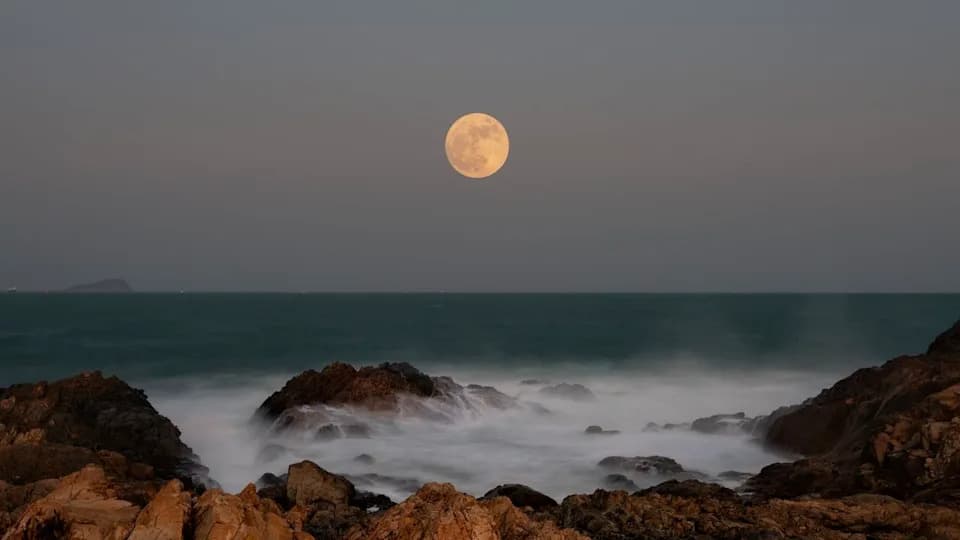
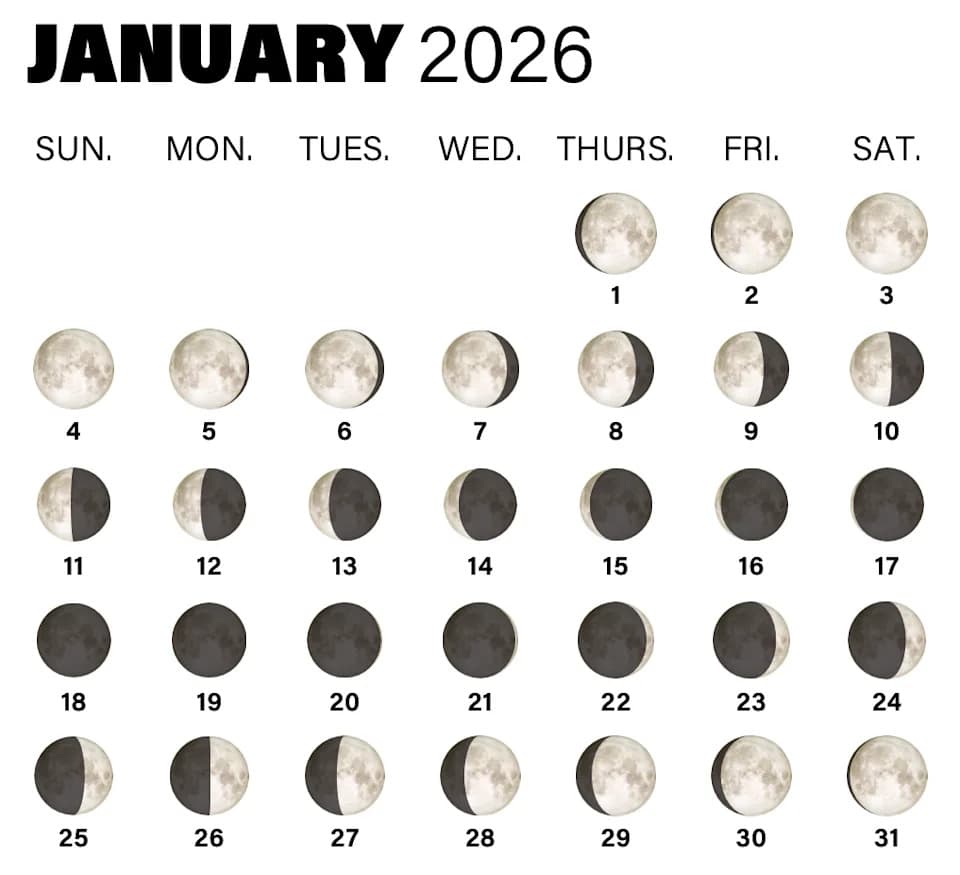
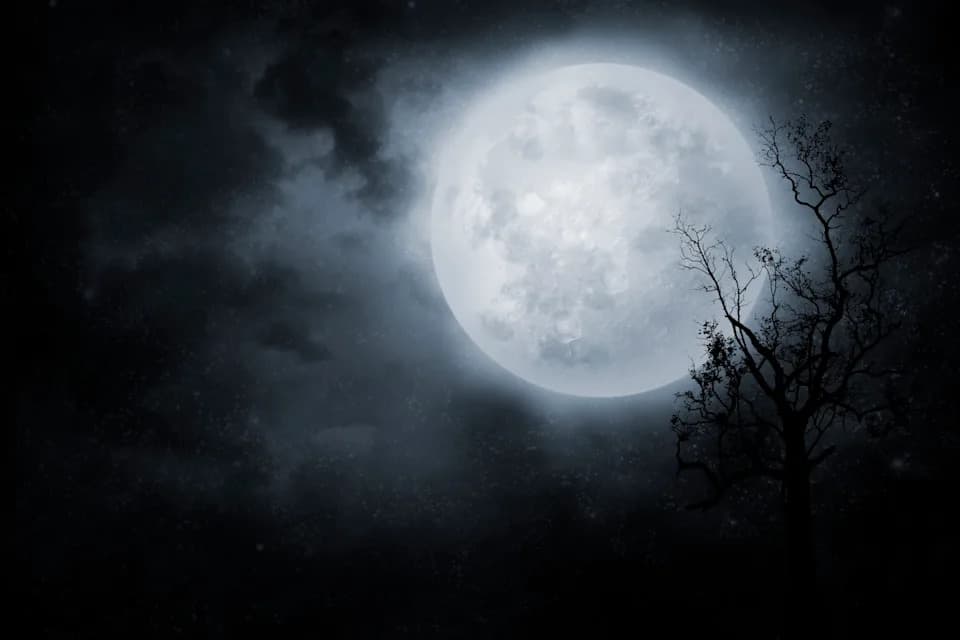
A full moon occurs when the Moon sits opposite the Sun from Earth’s perspective, fully illuminating its surface and completing its roughly 29.5-day cycle. In 2026 there are 13 full moons because May hosts two — a so-called monthly blue moon on May 31. Traditional names reflect seasonal changes and cultural observances; here are the dates and names for 2026:
Jan. 3 — Wolf Moon
Feb. 1 — Snow Moon
March 3 — Worm Moon
April 1 — Pink Moon
May 1 — Flower Moon
May 31 — Blue Moon
June 29 — Strawberry Moon
July 29 — Buck Moon
Aug. 28 — Sturgeon Moon
Sept. 26 — Harvest Moon
Oct. 26 — Hunter’s Moon
Nov. 24 — Beaver Moon
Dec. 23 — Cold Moon
Supermoons
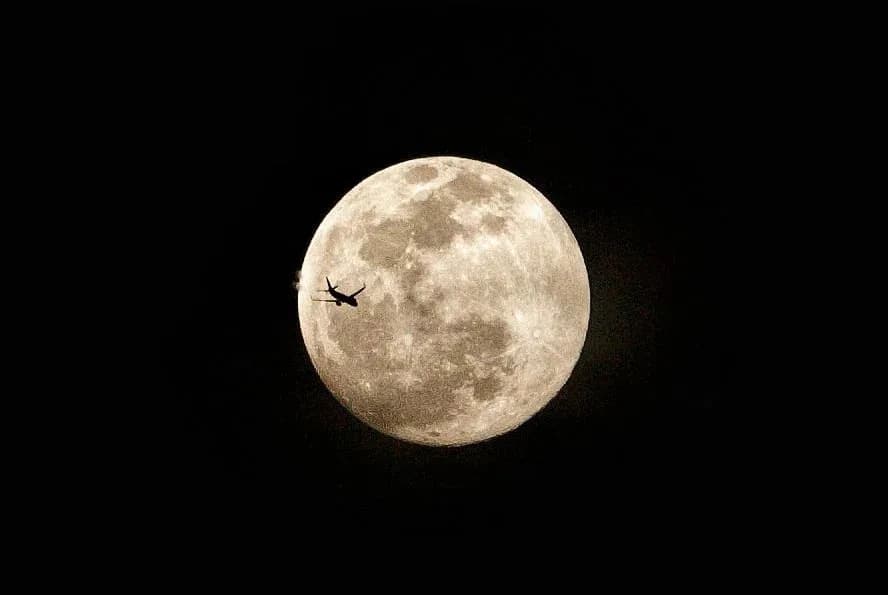
A supermoon happens when a full moon coincides with the Moon’s closest approach to Earth (perigee), making it appear slightly larger and brighter. After three consecutive supermoons in late 2025, 2026 includes three supermoons:
Jan. 3, Nov. 24 and Dec. 23
Eclipses
There are four notable eclipses in 2026: two solar events and two lunar events. Correctly listed, 2026 will have one annular solar eclipse, one total solar eclipse, one total lunar eclipse and one partial lunar eclipse. Always use certified solar filters or eclipse glasses to view solar eclipses — never look directly at the Sun without proper protection.
Feb. 17 — Annular solar eclipse: most of the Sun will be obscured, leaving a bright ring (an "annulus"). Visible from southern Africa and southern South America.
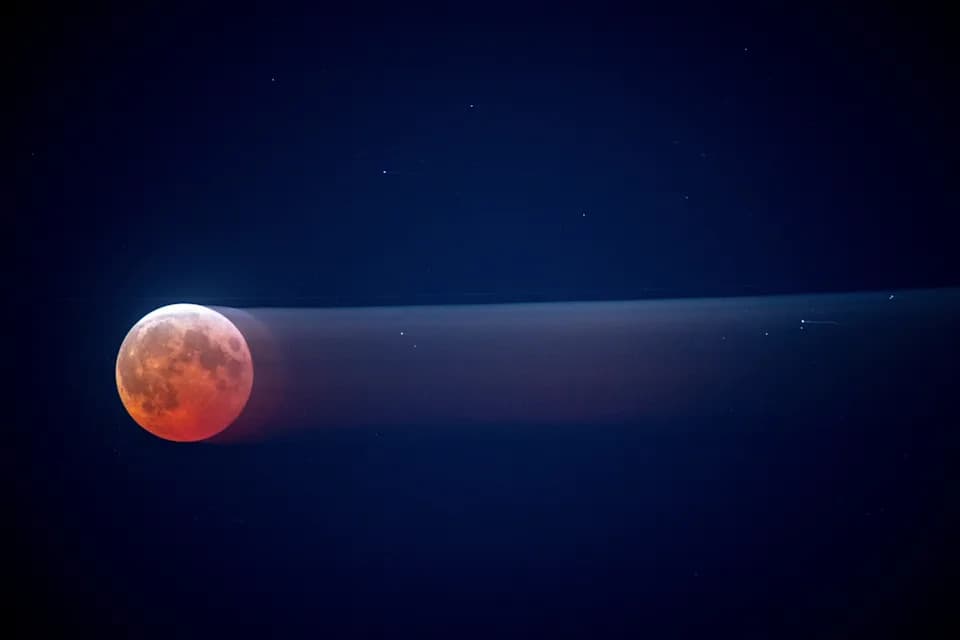
March 2–3 — Total lunar eclipse: the Moon passes fully into Earth’s shadow. Visible across eastern Europe, Asia, Australia, North America and South America.
Aug. 12 — Total solar eclipse: the Moon will completely block the Sun along the path of totality. Visibility includes parts of Europe, northern Asia, North and West Africa and much of North America.
Aug. 27–28 — Partial lunar eclipse: only part of the Moon moves through Earth’s umbral shadow. Visible from Europe, western Asia, Africa, North America and South America.
Meteor showers
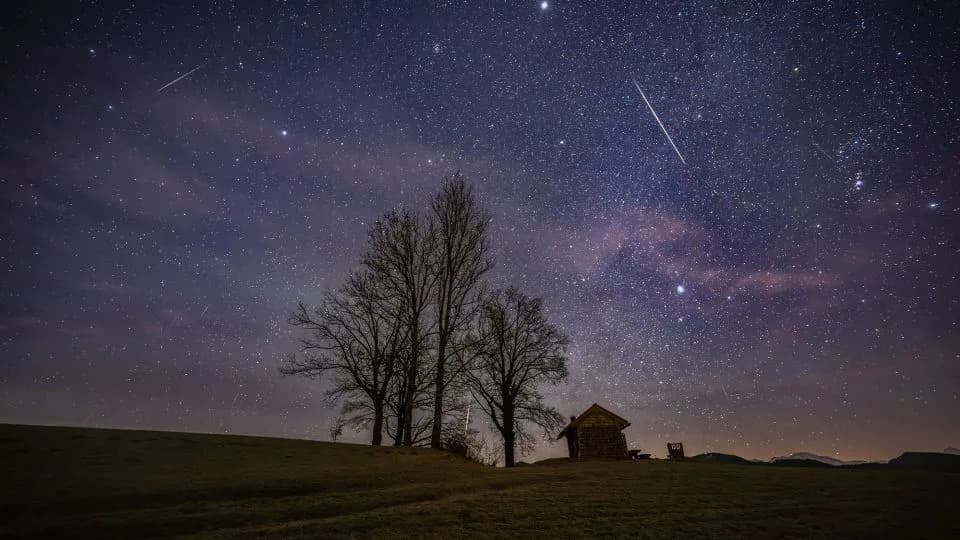
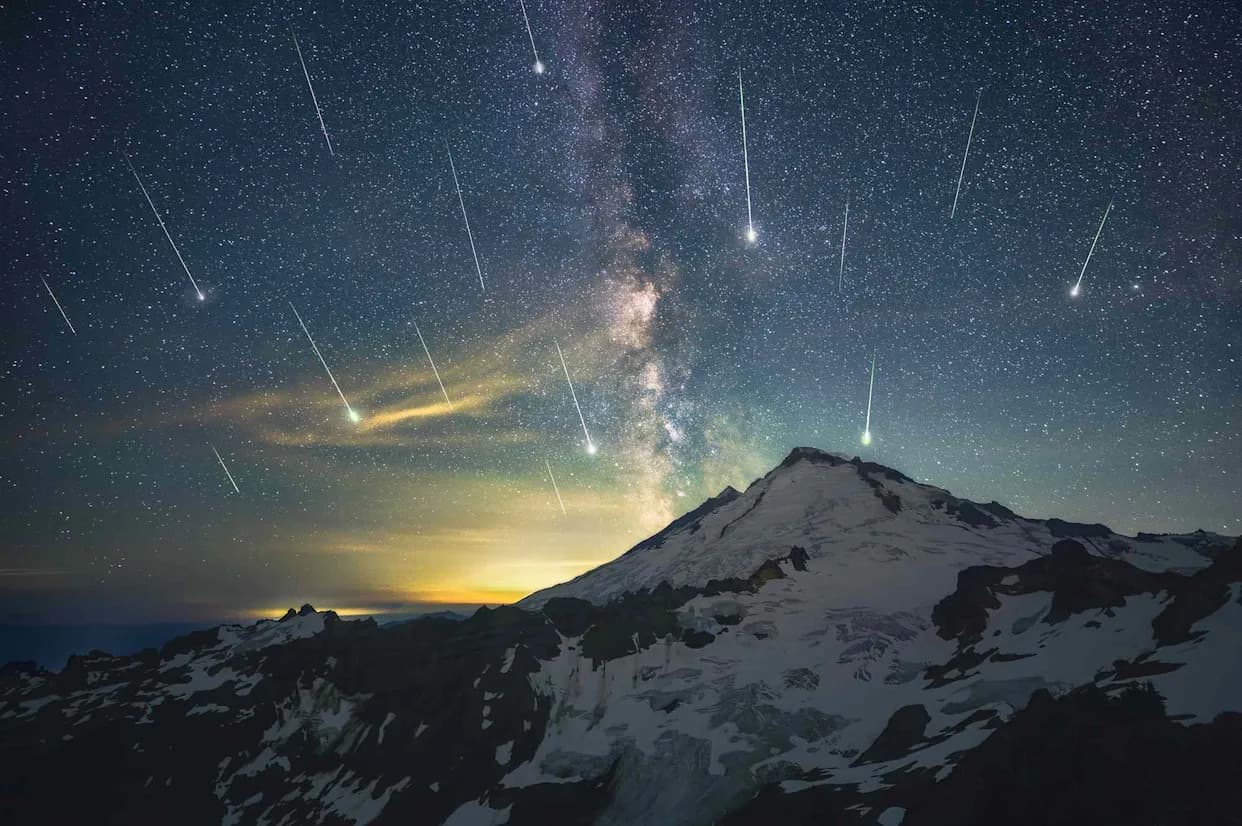
Meteor showers occur when Earth passes through debris trails left by comets or asteroids. Peak nights listed below are the best times to watch, though activity can extend before and after the listed dates. For best results, find a dark site away from city lights, allow 20–30 minutes for your eyes to adapt to the dark, and lie back to watch a broad swath of sky.
Jan. 2–3 — Quadrantids: short, intense peak; best for observers in the Northern Hemisphere.
April 21–22 — Lyrids: moderate display; best from the Northern Hemisphere.
May 5–6 — Eta Aquariids: favors the Southern Hemisphere; meteors are fast and bright.
July 30–31 — Southern Delta Aquariids: visible from the Southern Hemisphere; meteors are often faint and fast.
July 30–31 — Alpha Capricornids: fewer meteors but notable for bright, slow fireballs; visible from both hemispheres.
Aug. 12–13 — Perseids: one of the year’s best showers for Northern Hemisphere observers, famous for bright meteors.
Oct. 21–22 — Orionids: fast meteors linked to Halley’s Comet; best in the Northern Hemisphere.
Nov. 4–5 — Taurids: long duration with a relatively low hourly rate; can produce occasional bright fireballs.
Nov. 17 — Leonids: historically capable of dramatic storms though intense outbursts are rare; visible in both hemispheres.
Dec. 14 — Geminids: among the most reliable and active showers, producing many bright meteors; strongest in the Northern Hemisphere.
Dec. 22 — Ursids: linked to comet 8P/Tuttle; radiant near Ursa Minor; best for Northern Hemisphere viewers.
Viewing tips & local timing
Most events depend on your location and local time zone. Check local astronomy organizations or planetarium sites for exact timings and maps of eclipse visibility. For meteor showers, the darkest hours after midnight usually offer the best view. For solar eclipses, use certified solar viewers or an indirect viewing method; during a total solar eclipse, it is safe to view the Sun directly only during the brief period of totality.
Whether you plan a dedicated observing night or simply step outside when the sky looks interesting, 2026 is full of opportunities to look up and enjoy the cosmos.
Help us improve.