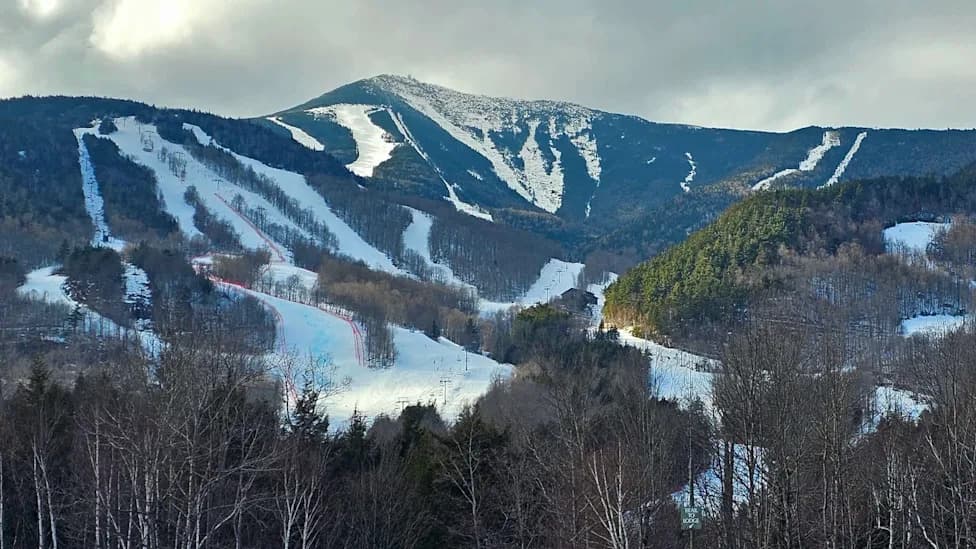
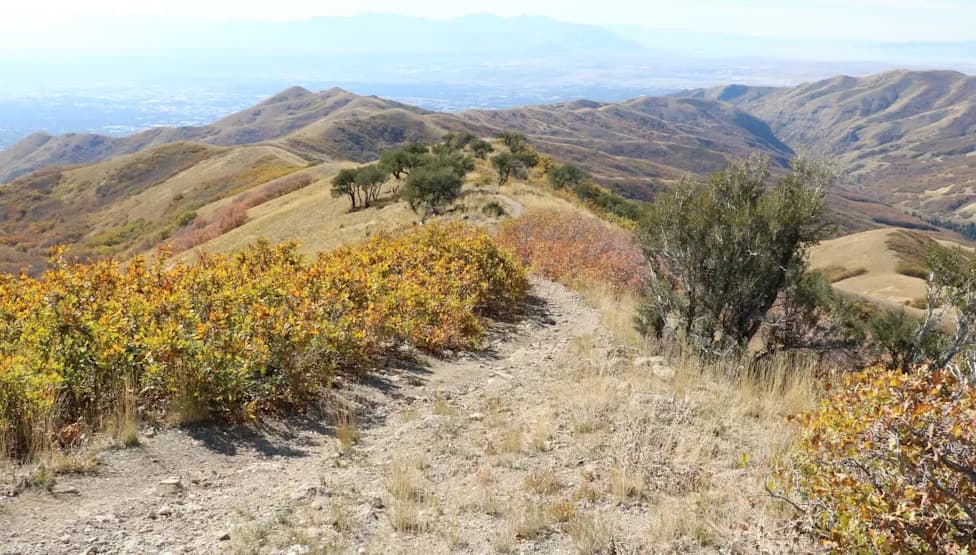
Winter has arrived unevenly across the United States. The eastern half of the country is digging out from heavy storms, while the western snow season has gotten off to an unusually slow start.
As of Dec. 1, 2025, snowpack across much of the West was well below normal. Denver recorded its first measurable snowfall on Nov. 29 — more than a month later than typical and among the city’s latest first-snow dates on record. But a late first snow does not necessarily predict a light season: seasonal totals depend on the timing, track and intensity of storms as well as larger climate drivers.
What forecasters are watching
One key factor this winter is the tropical Pacific. The National Oceanic and Atmospheric Administration (NOAA) is forecasting La Niña conditions that may transition toward neutral later in the season. La Niña — marked by cooler-than-average sea-surface temperatures along the equatorial Pacific — tends to shift atmospheric patterns across North America. Historically, La Niña leans toward cooler, wetter winters in the Pacific Northwest and somewhat warmer, drier conditions in the U.S. Southwest, but year-to-year variability is large.
NOAA’s seasonal outlook places much of Colorado and Utah in a transitional zone between the cooler, wetter pattern to the north and the warmer, drier pattern to the south. That means many major ski areas currently have roughly equal chances of below-, near- or above-normal snowfall and of warmer- or cooler-than-average temperatures for the season as a whole.
Long-term trends: less spring snow, more midwinter melting
Mountain snow surveys in the West date back to the 1920s, providing a long-term perspective. Those records show an overall decline in spring snowpack across large parts of the western U.S. and increasing evidence of midwinter melt events.
Snow totals depend on both precipitation and temperature, and regional temperatures are rising. Recent research has directly attributed reductions in spring snowpack — particularly across the Southwest — to human-caused warming. While how total precipitation responds to warming is complex and varies by location, the net effect in many western watersheds has been a decline in spring snowpack.
Why this matters for water supplies and ecosystems
Snowpack — typically measured in March or April — acts like a natural reservoir, storing water through winter and releasing it during spring and summer. The West’s water infrastructure was designed around this predictable storage. For instance, roughly one-third of California’s annual water supply historically came from mountain snowmelt.
Rising temperatures are shifting melt timing earlier in the year and increasing the frequency of rain-on-snow events at higher elevations. Both trends can produce rapid runoff that complicates reservoir operations. Water managers try to capture snowmelt for summer irrigation and hydropower but must also leave space to reduce flood risk; earlier melts can force earlier releases and reduce water available later in the dry season.
Major reservoirs in the Colorado River basin — notably Lake Powell and Lake Mead — show long-term declines punctuated by some good water years and some very poor ones. The prevailing pattern points to an imbalance between water supply and growing demand across the basin.
Low-snow winters also have cascading ecological and societal effects. Earlier snowmelt dries soils sooner and lengthens the summer drought period, leaving forests more vulnerable to large wildfires. Snow-dependent species, such as the wolverine, face shrinking denning habitat and mounting survival challenges as deep, persistent snow becomes less reliable.
What to expect this winter and beyond
At present, the seasonal forecast for winter 2025–26 is not extreme. There is considerable uncertainty: individual storms remain the main drivers of seasonal snowfall totals, and they can swing conditions markedly in short order.
Looking farther ahead, climate model projections show with high confidence that warmer futures will produce less snow in many western regions, and scenarios with higher greenhouse-gas emissions amplify those declines. Importantly, these projections are conditional on future emissions pathways — they describe outcomes under different choices, not fixed predictions.
Choices about emissions, water management and wildfire preparedness will influence how rapidly risks grow and how well communities can adapt. Forecasters, water managers and land managers will continue to monitor seasonal signals, storm tracks and melt dynamics closely as the winter progresses.
Source / Expert: Adrienne Marshall, Assistant Professor of Geology and Geological Engineering, Colorado School of Mines.