The Supreme Court will hear a dispute over whether First Choice Women’s Resource Centers can bring a federal First Amendment challenge to a New Jersey attorney general’s subpoena seeking donor names and contact details. First Choice calls the subpoena a "fishing expedition" that has chilled donors and threatens its ability to operate; state lawyers say the probe falls within the attorney general’s investigatory authority. The core legal question is whether the case belongs in state or federal court — a decision with potential national implications for donor privacy and constitutional claims.
Supreme Court to Decide Whether NJ Attorney General Can Subpoena Donor Records of Pro‑Life Clinics

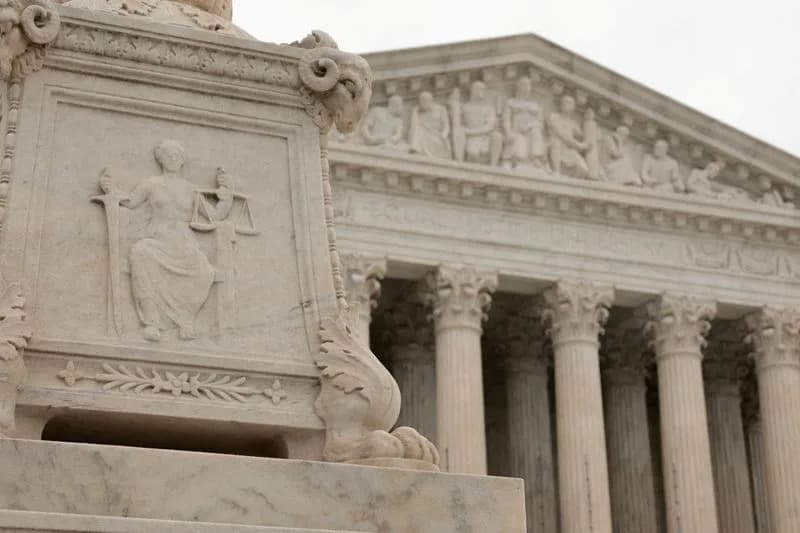
The U.S. Supreme Court will hear arguments on whether First Choice Women’s Resource Centers, a nonprofit that runs five pregnancy‑resource clinics in northern and central New Jersey, can press its First Amendment challenge in federal court over an investigative subpoena issued by New Jersey Attorney General Matthew Platkin.
Platkin’s subpoena seeks donor names, contact information and employment records as part of an inquiry into whether the nonprofit misled donors and clients. State lawyers say the attorney general — appointed by Gov. Phil Murphy — has broad authority to investigate potential state‑law violations and that the scope of records sought could be narrowed in state court.
First Choice: a ‘fishing expedition’
First Choice disputes the probe and says it has received no complaints cited by the attorney general. Executive Director Aimee Huber described the subpoena as an unjustified "fishing expedition" that has chilled donors and threatened the organization’s ability to operate. First Choice says it has provided free services to more than 36,000 women over roughly four decades and is transparent about not performing or referring for abortions.
“I think it's important to realize that there have been no complaints that have been cited by the attorney general against First Choice, not one. So, when we received the subpoena, it was clearly a fishing expedition,” Huber said.
Legal stakes: state court vs. federal court
The central legal question is procedural but consequential: should the dispute over the subpoena be resolved in state court, where state investigators typically have broader investigatory reach, or in federal court, where First Choice wants to press a First Amendment claim challenging disclosure of donor information?
Dalton Nichols, an attorney with the Alliance Defending Freedom representing First Choice, warned that allowing the subpoena to proceed without federal review could have broad implications for donor privacy and for other organizations facing invasive demands for donor lists.
“This is bigger than just a state court versus federal court issue,” Nichols said. “If First Choice has a First Amendment claim, then First Choice should be able to press that in federal court.”
Background and allegations
Platkin launched a review of pregnancy counseling centers in July 2022 as part of an effort to protect abortion access following the Supreme Court’s Dobbs decision. State lawyers contend the inquiry aims to determine whether donors were solicited under false pretenses on certain websites and whether the nonprofit made unsubstantiated medical claims about the abortion pill.
First Choice’s attorneys counter that the organization provides medically accurate information and that the subpoena will intimidate donors and undermine the centers’ work serving pregnant women, many of whom face economic or family pressures. The New Brunswick clinic — one of five centers — offers appointments, ultrasounds, consulting rooms and a small "baby boutique" of donated clothing and supplies.
What’s next
The Supreme Court’s decision on jurisdiction will determine whether First Choice can advance its constitutional claim in federal court. The outcome could shape how similar donor‑privacy disputes and challenges to state investigatory powers are handled nationwide.
Help us improve.