Recent polling shows abortion has declined as a voting priority for Democrats ahead of the 2026 midterms, with PRRI reporting a drop from 55% in 2024 to 36% in October 2025. While the issue remains important to specific voter groups and continues to shape state ballot fights, broader voter concerns—especially the economy and the health of democracy—now often take precedence. Advocates warn the shift has harmed fundraising and direct-support programs, even as access via abortion pills has increased.
Abortion Loses Priority Among Democratic Voters Ahead Of 2026 Midterms, Polls Show
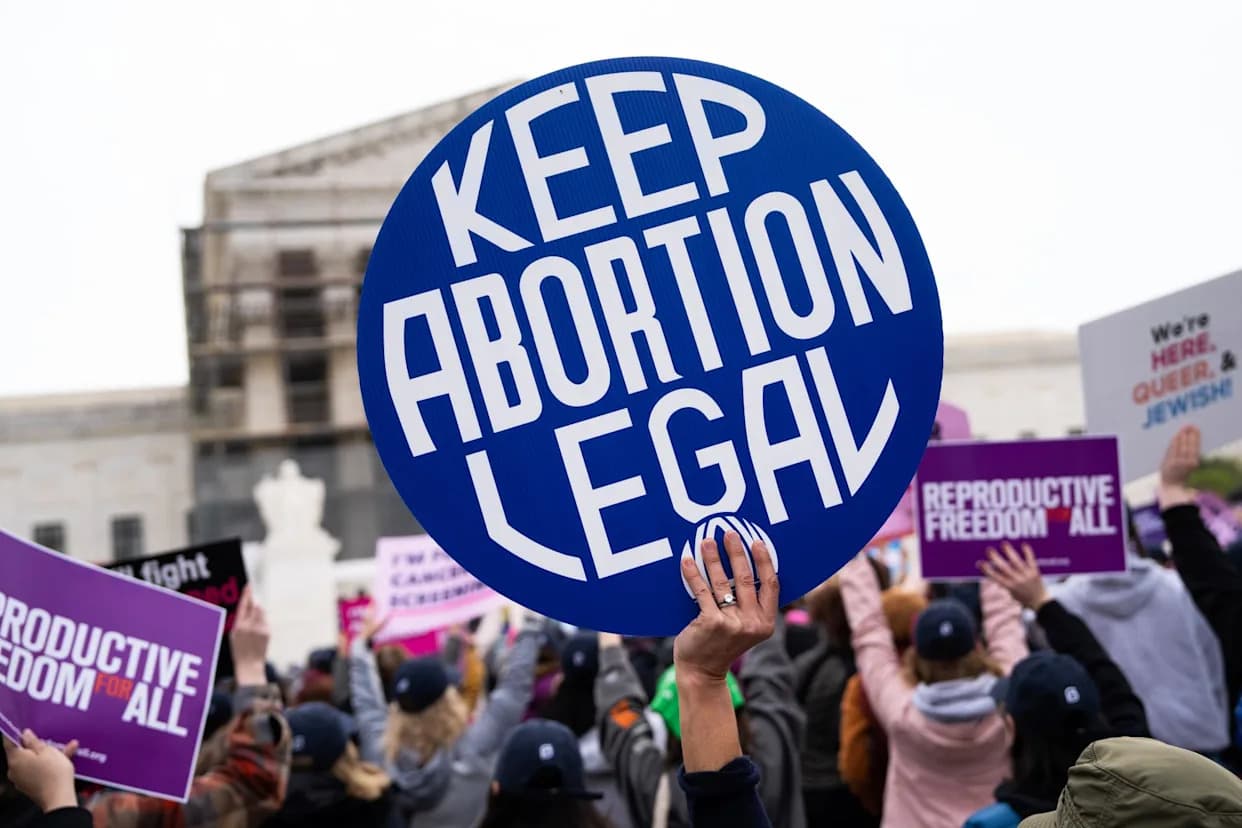
People protest in support of abortion rights outside the supreme court in Washington DC on 2 April 2025.Photograph: Tom Williams/CQ-Roll Call via Getty Images
Recent polling suggests abortion is no longer the driving political issue for many Democratic voters as the 2026 midterms approach. Once central to the party’s post-Roe strategy, reproductive rights are being eclipsed by concerns about the economy and the broader state of democracy.
What The Polls Say
Polling from the Public Religion Research Institute (PRRI) found a sharp drop in how Democrats rate abortion as important to their vote: 55% in 2024 fell to 36% by October 2025. PRRI also reported that the issue’s importance among Republicans remained largely unchanged over the same period. A September survey by The 19th and SurveyMonkey similarly found that the voters most motivated by abortion tended to be those who want it banned.
Politics, Messaging And The 2024 Cycle
Abortion was a centerpiece for Democrats during the 2024 campaign. Vice-President Kamala Harris emphasized reproductive rights in her bid for the presidency, and Democratic Senate campaigns and allied super PACs reportedly spent about $175 million on abortion-related television advertising—more than any other issue that cycle. Donald Trump, whose judicial appointments helped lead to the overturning of Roe v. Wade, repeatedly sought to downplay abortion’s political salience.
Despite the heavy Democratic investment, the 2024 results showed a more mixed electoral effect: Trump won the popular vote margin and Republicans gained control of both chambers of Congress. Since then, the White House has focused on other priorities—immigration, tariffs and federal workforce changes—shifting national attention away from abortion, analysts say.
Voter Priorities Are Shifting
"It’s just hard to catch your breath, because every day there’s a new, outrageous thing happening with the administration," said Melissa Deckman, CEO of PRRI. She and other analysts say affordability and the economy have become top voter concerns, while Democrats also worry broadly about the health of the democratic system. August polling from Emily’s List found voters prioritizing the economy over abortion, though 49% of female voters called threats to abortion rights a "dealbreaker."
State Ballot Measures And Legal Battles
Up to seven states could see abortion-related measures in 2026. Advocates are gathering signatures or running campaigns in Idaho, Montana, Nebraska, Oregon and Virginia; measures in Idaho, Oregon and Virginia would protect access, while Nebraska and Montana may seek to restrict it. Nevada and Missouri have already confirmed abortion-related measures for the ballot in 2026—Nevada’s 2024 amendment must be ratified a second time to change the state constitution.
Some recent ballot successes have had limited immediate impact. Missouri voters passed a 2024 amendment to protect abortion rights, reversing a near-total ban, but prolonged litigation has repeatedly blocked clinics from offering procedures. Voters there will face a recall-style question in 2026 about whether to repeal the measure.
Impact On Providers And Fundraising
Advocates warn that waning attention has eroded fundraising and direct-support programs. The DC Abortion Fund, which helps patients cover travel and clinic costs, reported a sharp drop in donations in 2025 as the post-Roe surge of anger and giving subsided and donors felt economic pressure. The fund currently distributes roughly $3,800 per week to assist dozens of people, but leaders fear that support "will go off the cliff" in 2026 if donations continue to wane.
Data also indicate that reported US abortions have increased in recent years, largely because of expanded online access to abortion pills. Still, advocates warn that reduced funding and attention will particularly harm people who must travel across state lines to obtain in-clinic care.
“It just feels like such a messaging failure, to not understand and not be able to communicate that these people are going to continue to decimate abortion access,” said Alisha Dingus, executive director of the DC Abortion Fund. “I would like to see more politicians who are more comfortable talking about abortion more regularly.”
As the 2026 ballots take shape and campaigns shift priorities, reproductive-rights groups and their allies face the twin challenges of sustaining funding and keeping the issue visible amid competing national concerns.
Help us improve.