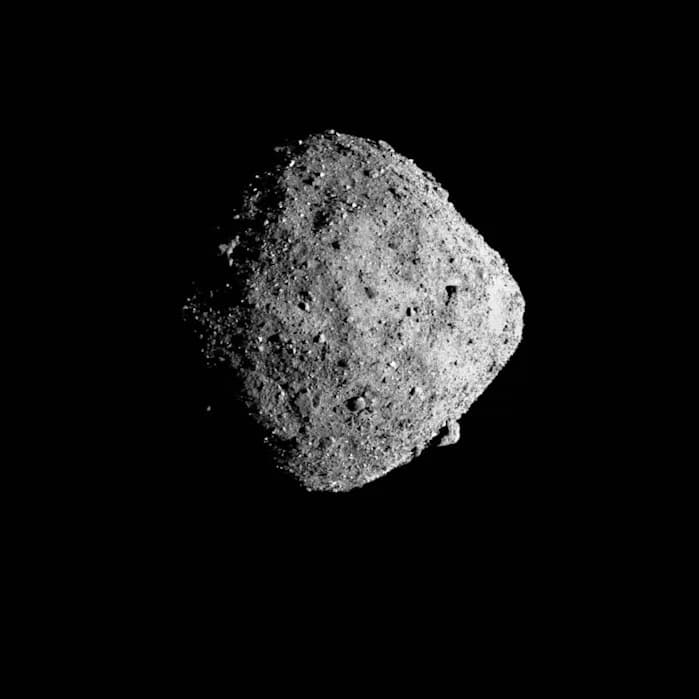
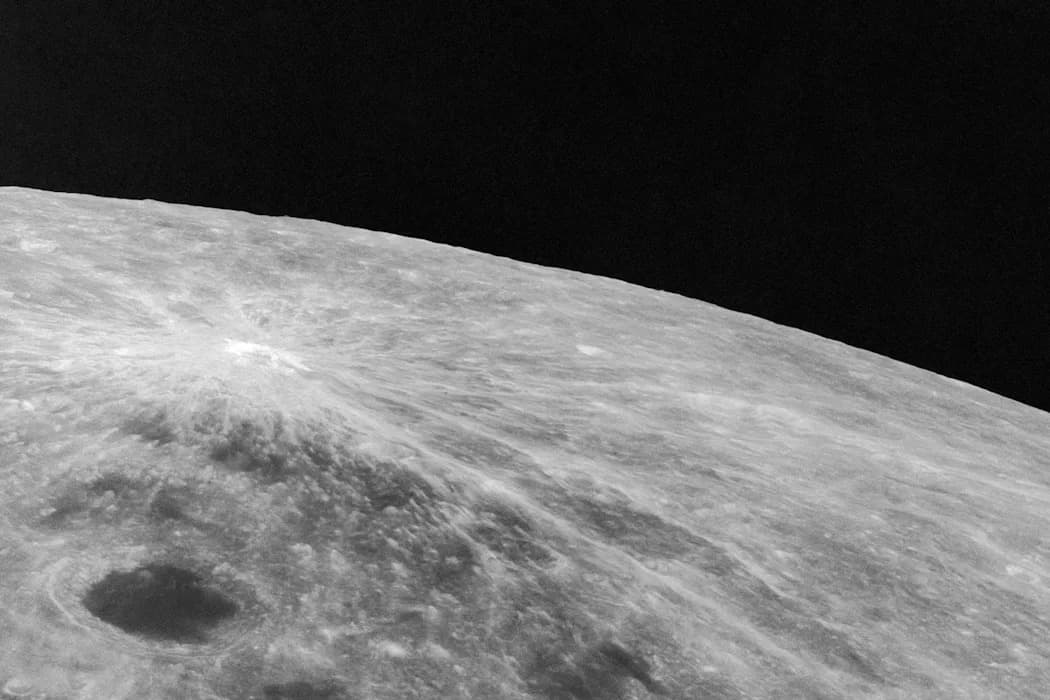
OSIRIS-APEX performed a precision gravity-assist past Earth on Sept. 23 to set up observations of asteroid Apophis. The spacecraft began as OSIRIS-REx, collected a Bennu sample in 2020 and returned it in 2023. Apophis is expected to pass about 20,000 miles above Earth on April 13, 2029 — closer than many satellites — and the recent flyby let teams calibrate instruments and confirm spacecraft systems ahead of that encounter.
OSIRIS-APEX Slingshots Past Earth, Racing Toward Apophis’ Close 2029 Flyby

NASA's OSIRIS-APEX completed a precision Earth gravity-assist on Sept. 23, using our planet's pull to retarget the spacecraft for a high-priority encounter with the near-Earth asteroid Apophis in 2029.
Originally launched as OSIRIS-REx, the mission collected a sample from asteroid Bennu in 2020 and returned that material to Earth in 2023. Under its extended mission — renamed OSIRIS-APEX (Origins, Spectral Interpretation, Resource Identification and Security - Apophis Explorer) — the spacecraft is now bound for Apophis, which will make a notably close pass of Earth in April 2029.
Apophis and the 2029 flyby: Discovered in 2004, Apophis briefly raised impact concerns before refined orbital calculations ruled out an impact. Current projections indicate Apophis will pass roughly 20,000 miles (about 32,000 km) above Earth's surface on April 13, 2029 — closer than many satellites and more than 200,000 miles nearer than the average distance to the Moon, according to NASA.
During the Sept. 23 maneuver, OSIRIS-APEX used Earth's gravity to fine-tune its trajectory and line up observation geometry for the 2029 close approach. The spacecraft's StowCam captured a dramatic video of Earth filling the frame as the vehicle streaked past, giving mission teams both a striking visual and a practical opportunity to check systems.
Mission benefits and next steps
The Earth flyby allowed engineers to calibrate scientific instruments, validate onboard systems and rehearse operations that will be crucial during the Apophis encounter. The close 2029 pass represents a rare scientific opportunity to study an asteroid at close range, improve orbital predictions, and test techniques that inform planetary defense.
Teams will continue preparing OSIRIS-APEX for detailed observations of Apophis during its historic approach in 2029, refining instrument settings and operational plans based on data gathered during the gravity-assist flyby.
Help us improve.