Overview: NATO’s military leadership is debating whether to adopt a "more aggressive" posture to counter what it calls Russia’s hybrid campaign, including possible preemptive cyber or sabotage measures. Admiral Giuseppe Cavo Dragone said such actions could fit within defensive doctrine but noted legal and ethical limits on NATO conduct. Moscow condemned the remarks, while former U.S. officials defended stronger deterrence in light of Russia’s 2022 invasion of Ukraine and recent sabotage and drone incidents. Notable incidents cited include undersea cable and power-link damage in Nov–Dec 2024 and roughly 20 drones entering Poland in September, which triggered Article 4 consultations.
NATO Weighs Preemptive Measures to Counter Russia’s Hybrid Threats

Tensions between NATO and Russia intensified after Admiral Giuseppe Cavo Dragone, chair of NATO’s Military Committee, said the alliance is debating whether to adopt a "more aggressive" posture to confront what officials describe as a sustained Russian hybrid campaign.
Dragone said NATO is examining options to be "proactive instead of reactive," including the possibility of preemptive cyber or sabotage operations. He argued such measures could still be consistent with NATO’s defensive doctrine, while acknowledging they would depart from the alliance’s traditional approach: "It is further away from our normal way of thinking or behavior."
"Being more aggressive compared with the aggressivity of our counterpart could be an option," Dragone said, but he added that NATO and its members face tighter constraints—ethical, legal and jurisdictional—that make such choices more complex.
Dragone pointed to the Baltic Sentry mission, launched earlier this year to deter reported sabotage at sea, as an example of deterrence. "From the beginning of Baltic Sentry, nothing has happened. So this means that this deterrence is working," he said.
Russia rejected the remarks. Russian Foreign Ministry spokesperson Maria Zakharova called the proposals "an extremely irresponsible step," accusing NATO of signaling a willingness to escalate tensions.
U.S. and allied former officials defended NATO’s deliberations. Carrie Filipetti, executive director of the Vandenberg Coalition and a former senior State Department official, said NATO is reacting to Russian aggression following Moscow’s 2022 invasion of Ukraine and emphasized that Article 5 does not automatically bind the United States to mirror every NATO response: each member decides "such action as [we] deem necessary."
Retired U.S. Air Force General Bruce Carlson, former director of the National Reconnaissance Office, described Russia’s own military actions in Europe as preemptive and argued that strong deterrence is needed to push Moscow toward negotiations that respect Ukraine’s sovereignty.
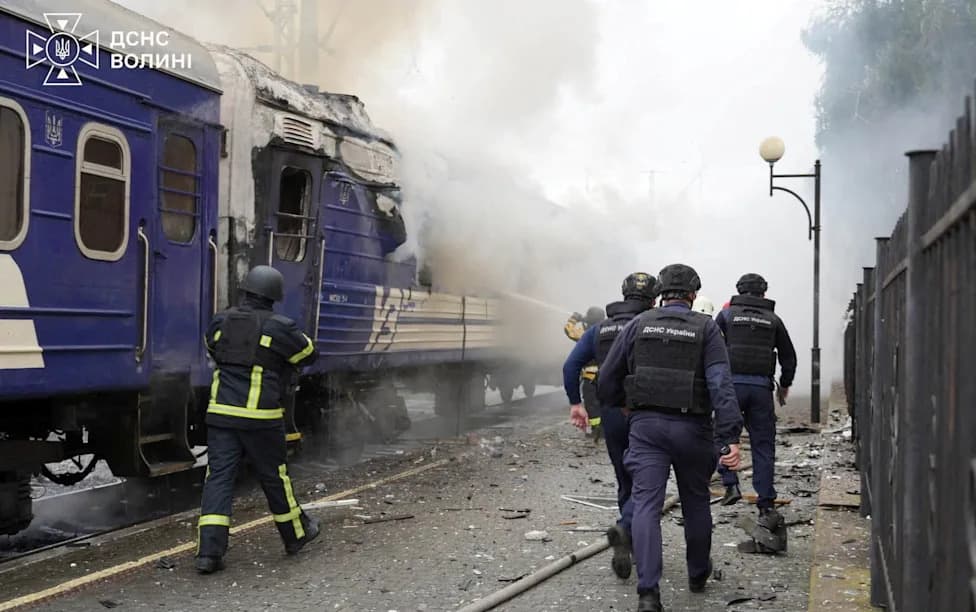
Allies cite a steady stream of activity they classify as hybrid warfare: daily cyberattacks attributed to Russian actors, information operations, migration pressure and repeated targeting of critical infrastructure. A series of sabotage incidents in late 2024 prompted a major NATO review after several undersea data cables and a key power link were damaged in November and December, including an incident on Dec. 25. Finnish prosecutors at one point alleged a Cook Islands–flagged tanker had dragged an anchor and severed infrastructure, though a Finnish court later dismissed the case on jurisdictional grounds.
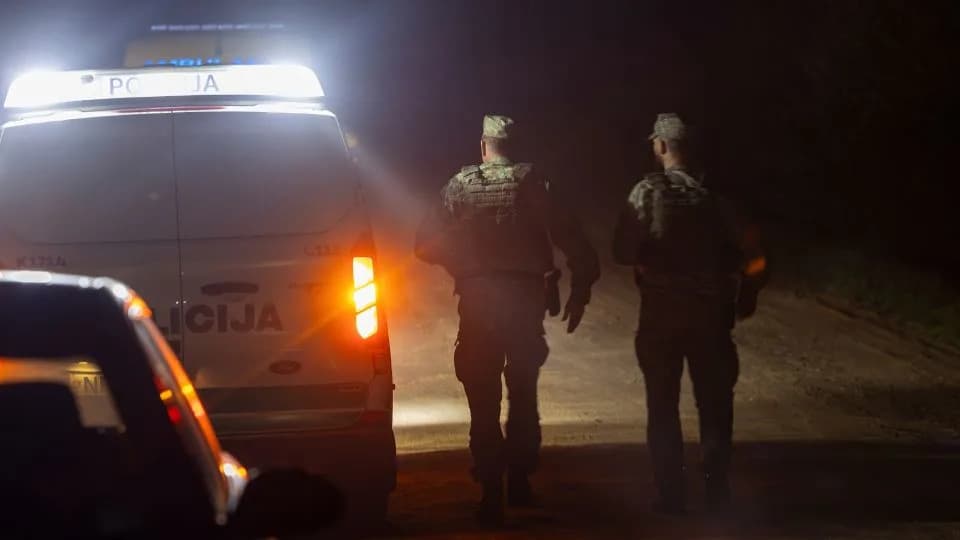
In a separate incident in September, roughly 20 drones crossed into Poland, prompting Warsaw to invoke Article 4 consultations. Polish Prime Minister Donald Tusk said the intrusion was "the closest we have been to open conflict since World War II," while Moscow denied targeting Polish territory.
The debate over preemptive measures highlights a broader dilemma for NATO: how to deter and disrupt hostile hybrid activity while operating within legal and ethical constraints that many adversaries do not observe. Alliance officials say any shift would be carefully considered, balancing effectiveness, legality and the risks of escalation.
Help us improve.