Ukraine has stepped up long-range drone strikes and sabotage operations this month, targeting Russian airbases in Crimea and southern Russia and striking naval facilities in the Black Sea. Kyiv’s security services say they hit Su-30s at Lipetsk, Su-27s and a MiG-31 at Belbek, and damaged a Kilo-class submarine at Novorossiysk, while also reporting an attack on the Tamanneftegaz terminal in Krasnodar. President Zelensky warned of potential Russian strikes around Christmas, stressed shortages of air-defence systems, and said Kyiv and U.S. partners have prepared working drafts of a peace plan though key disagreements remain with Moscow.
Ukraine Intensifies Drone And Sabotage Campaign Against Russian Airbases And Naval Assets — Multiple Aircraft And A Submarine Reportedly Hit

Clipped From Video
Ukrainian security services have escalated long-range drone strikes and covert sabotage operations this month against Russian airbases in occupied Crimea and southern Russia, and against naval assets in the Black Sea. Analysts and Ukrainian officials say the campaign aims to blunt Moscow’s missile and air campaigns targeting Ukrainian cities and energy infrastructure.
Recent Strikes And Claims
Over the past three weeks, Kyiv has claimed several high-value hits. Ukraine’s Defense Intelligence service said saboteurs struck two Su-30 fighters at the Lipetsk airfield in western Russia after a two-week operation that monitored patrol patterns and allowed operatives to leave the site “unhindered.” The extent of the damage has not been independently verified, and Russian authorities have not commented publicly.
The Security Service of Ukraine (SBU) released imagery it says shows long-range drones striking Su-27 fighters at Belbek airbase in Crimea. The SBU said one Su-27 was destroyed on the runway with a full combat load and that a MiG-31 loaded for combat was also destroyed in the same raid. Kyiv also said it disabled radar and an air-defence system at Belbek on December 18, which the SBU says made the base more vulnerable to follow-up attacks.
Other Reported Targets
Kyiv reported a sea-drone attack that allegedly inflicted critical damage on a Kilo-class submarine at its berth in Novorossiysk; satellite imagery showed the vessel afloat but immobilized, and its operational status remains unclear. Ukraine also said it struck the Tamanneftegaz oil terminal in Russia’s Krasnodar region, damaging a pipeline, two piers and two ships and triggering fires that burned more than 1,000 square meters. Krasnodar regional authorities confirmed damage to vessels and piers and said there were no casualties.
Earlier this month, an attack on the Saky airfield in Crimea destroyed an Su-24, and Kyiv reported a MiG-29 was struck at Kacha airfield in what appeared to be a sabotage operation rather than a drone strike — an indication of intelligence-led planning and execution.
Strategic Effects And Limitations
Analysts say attrition of Crimea-based Russian warplanes is degrading Moscow’s regional strike capability, particularly as some older types like the Su-24 are no longer in production. Russia still retains hundreds of strike aircraft, some in storage, but Ukraine’s efforts aim to reduce the number available to launch missiles or conduct bombing missions. The same logic applies to the reported damage to attack submarines in the Black Sea, which have been used to fire Kalibr cruise missiles.
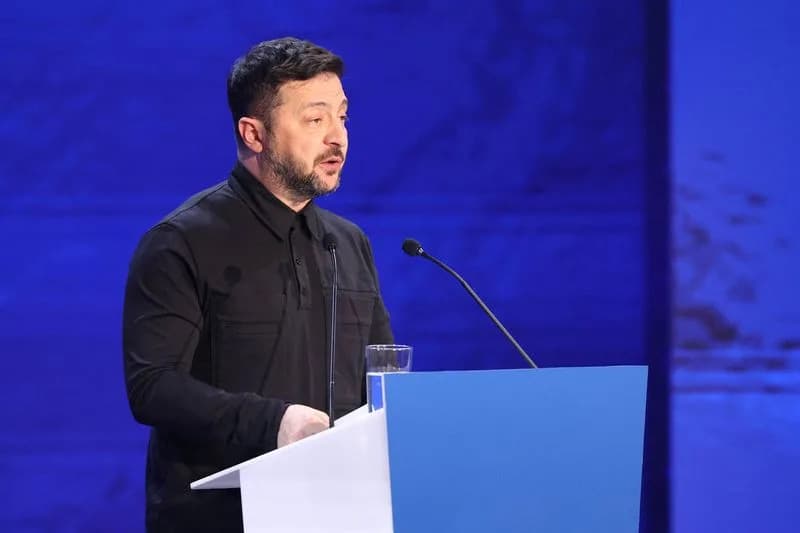
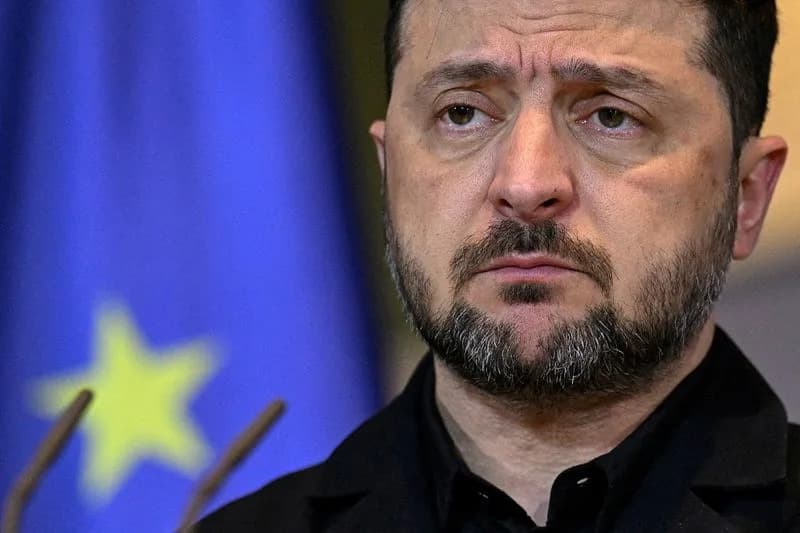
“Everything is very difficult, because there is, unfortunately, a shortage of air defence systems,” President Volodymyr Zelensky warned, urging heightened vigilance ahead of the Christmas period.
Security And Diplomatic Context
President Zelensky said the military is on alert for potential Russian strikes around December 23–25 and called on intelligence services to step up efforts. He also noted shortages in Ukrainian air-defence capability and urged citizens and local authorities to remain vigilant during the holiday period.
Meanwhile, Kyiv said working drafts of a peace plan were developed with U.S. input, though Zelensky said some points remain unacceptable to Ukraine and others will be unacceptable to Russia. In Moscow, Deputy Foreign Minister Sergei Ryabkov welcomed language in a recent U.S. national security document that he said reduced emphasis on NATO expansion, but he stressed Russia still has serious concerns about the U.S. approach to resolving the conflict.
Note on sourcing: Many operational claims come from Ukrainian intelligence and security services and have not been independently verified. The article reflects reported claims, official confirmations from local Russian authorities where available, and relevant analyst commentary.
Help us improve.