Russia accused NATO of accelerating militarization in the Arctic and called the alliance "increasingly unpredictable" amid disagreements over Greenland. Senior U.S. officials met with Danish and Greenlandic leaders after President Trump suggested acquiring the island for strategic reasons. Denmark and European partners have stepped up Arctic exercises and dispatched small contingents to Greenland, while Greenlandic officials and residents voiced deep concern. Diplomatic talks continue as the Arctic becomes a growing focus of geopolitical rivalry.
Russia Calls NATO 'Unpredictable' as Allies Clash Over Greenland and Arctic Militarization
/ Credit: Getty/iStockphoto
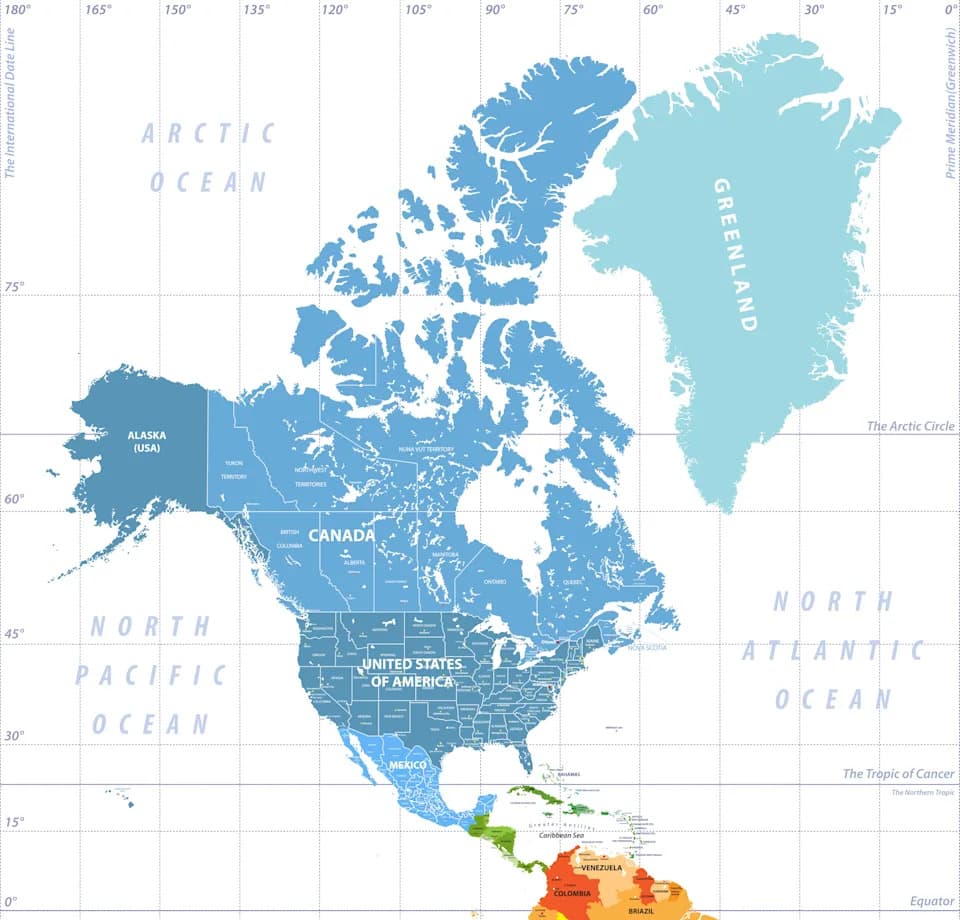
Russia has warned that rising geopolitical tensions in the Arctic are "of the gravest concern" as several European NATO members prepare joint military exercises and as Moscow highlights divisions between the Trump administration and its closest allies over the future of Greenland.
The Russian embassy in Belgium said late Wednesday that, "NATO has embarked on a course of accelerated militarization of the North, increasing its military presence there under the fictitious pretext of a growing threat from Moscow and Beijing." The statement accused alliance members of showing "no disposition to resolve issues in a constructive manner."
"The militaristic spirit within the alliance is only growing stronger, and given the disagreements that have emerged within the bloc over the Greenland issue, its ability to reach agreements is becoming increasingly unpredictable, including on Arctic matters," the embassy said. Moscow described this trajectory as "counterproductive and extremely dangerous."
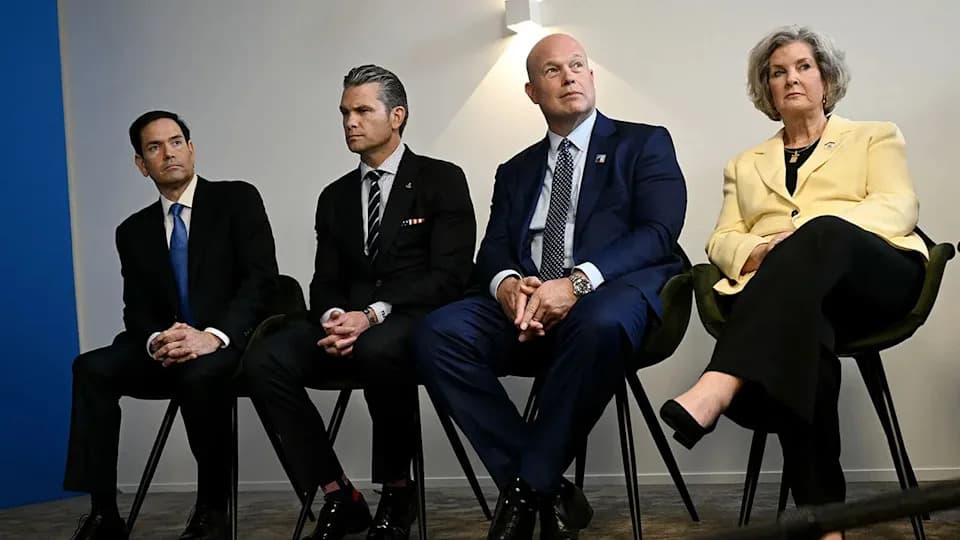
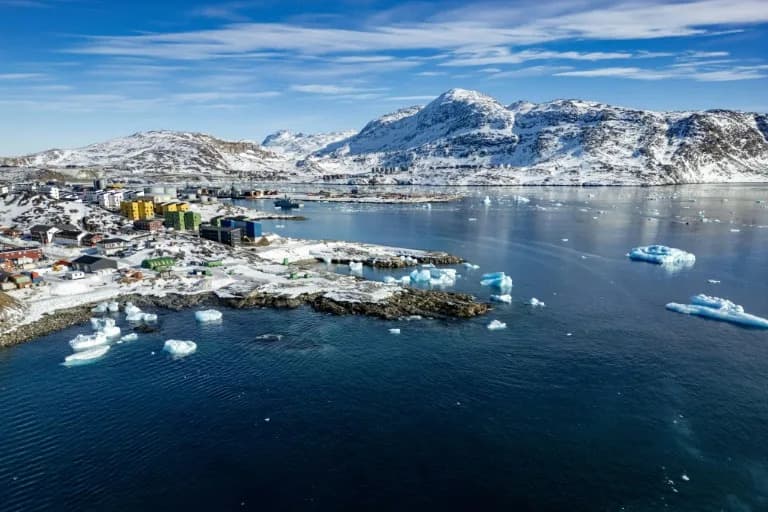
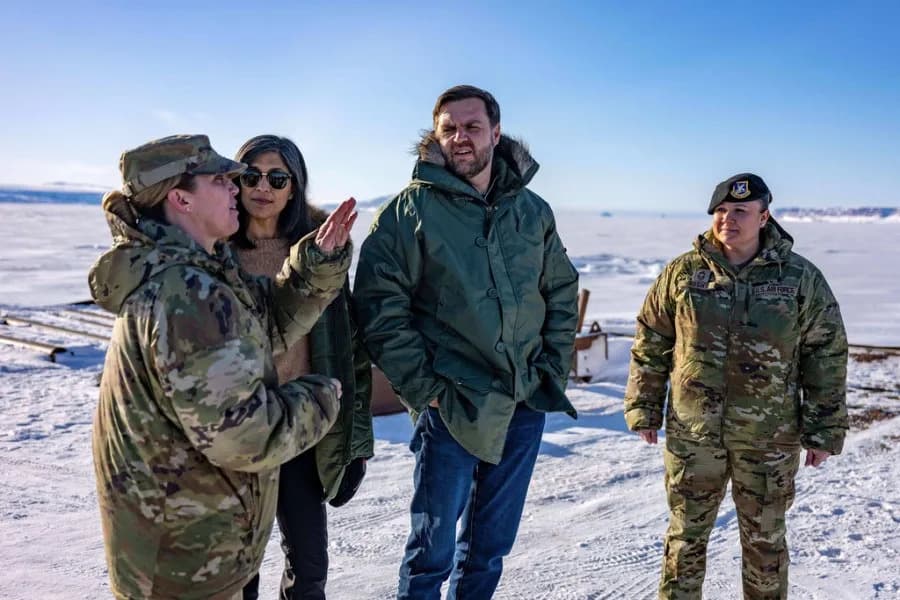
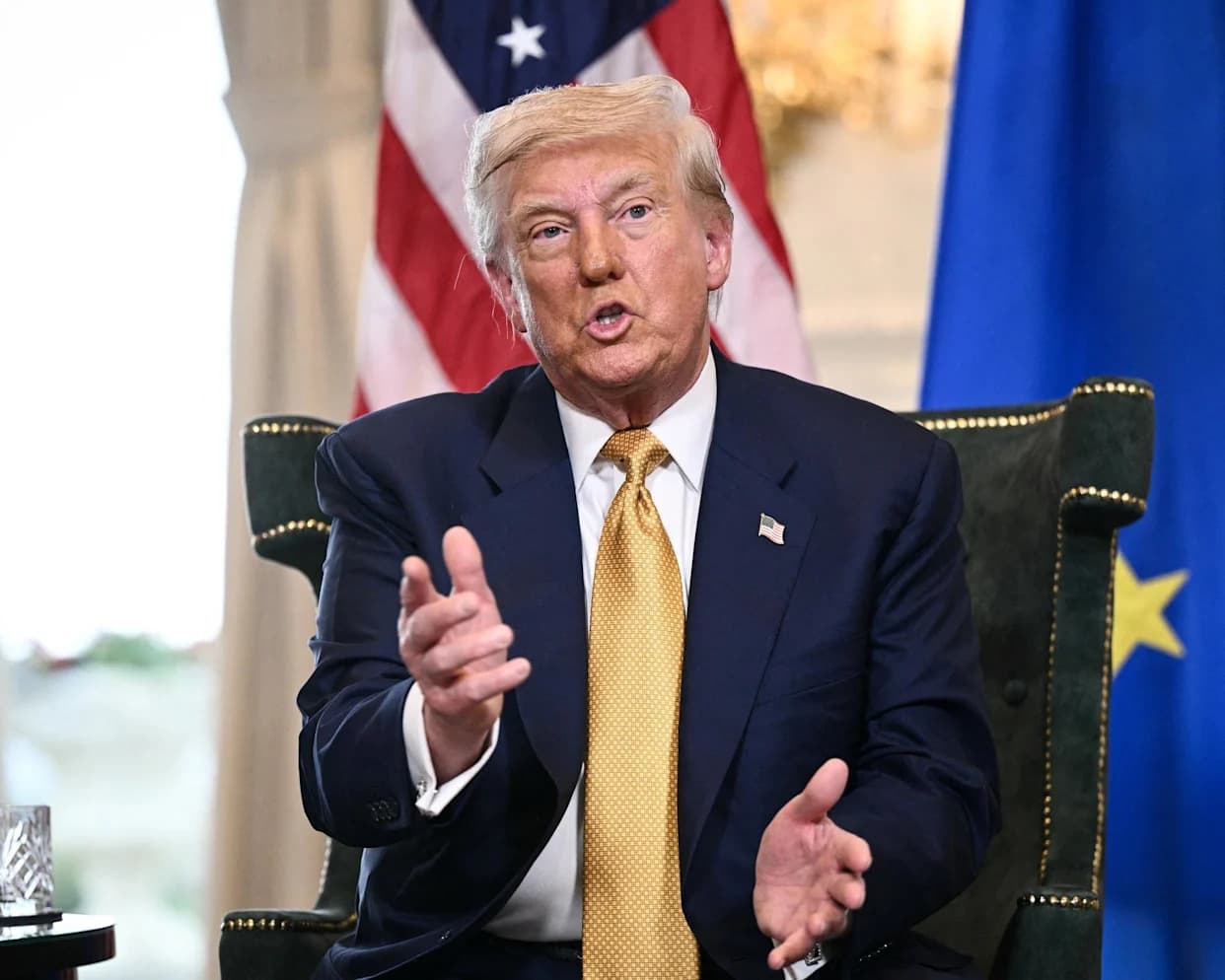
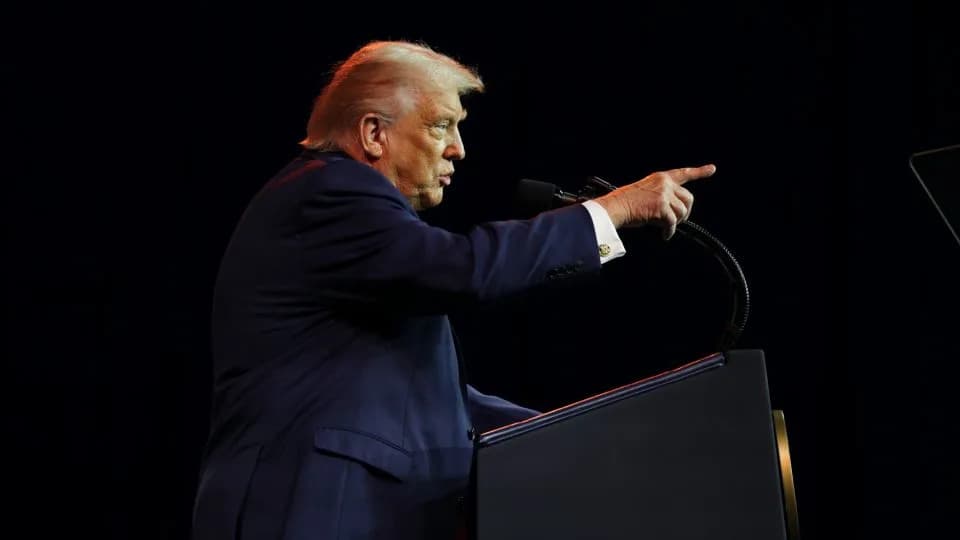
The comments came as senior Trump administration officials met in Washington with Danish and Greenlandic representatives to discuss President Donald Trump's repeated public suggestions that the United States should acquire Greenland — the vast, largely ice-covered island that is a semi-autonomous territory of Denmark.
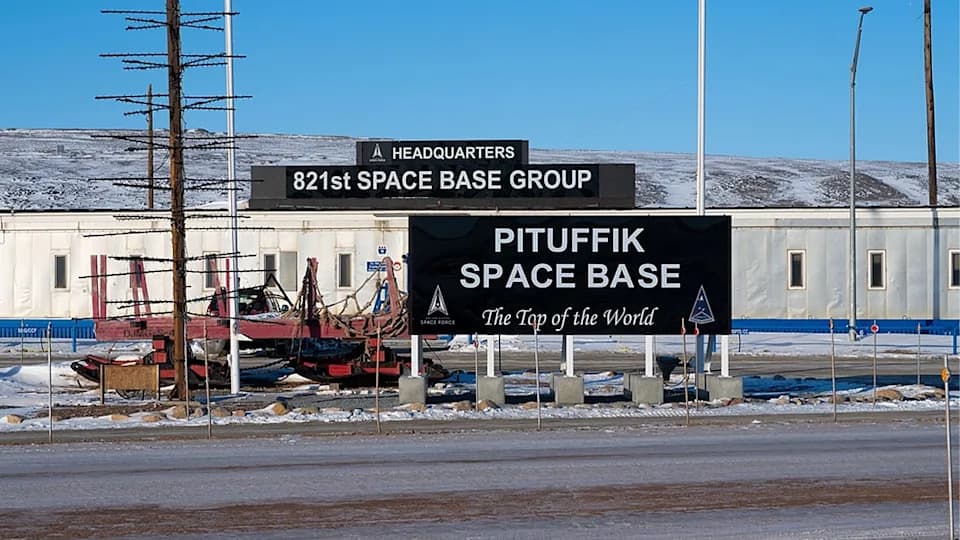
The White House argued that the U.S. needs access to Greenland's strategic location and resources for security reasons, warning that Russia and China could otherwise expand their influence in the Arctic as the region warms.
Denmark, Greenlandic officials and European partners firmly rejected the idea that the United States should take control of the island. They noted that Greenland is already covered by NATO protections and stressed that U.S. ownership is unnecessary. After the Washington meeting, Denmark's foreign minister said the two countries still had "fundamental" differences but pledged to continue discussions.
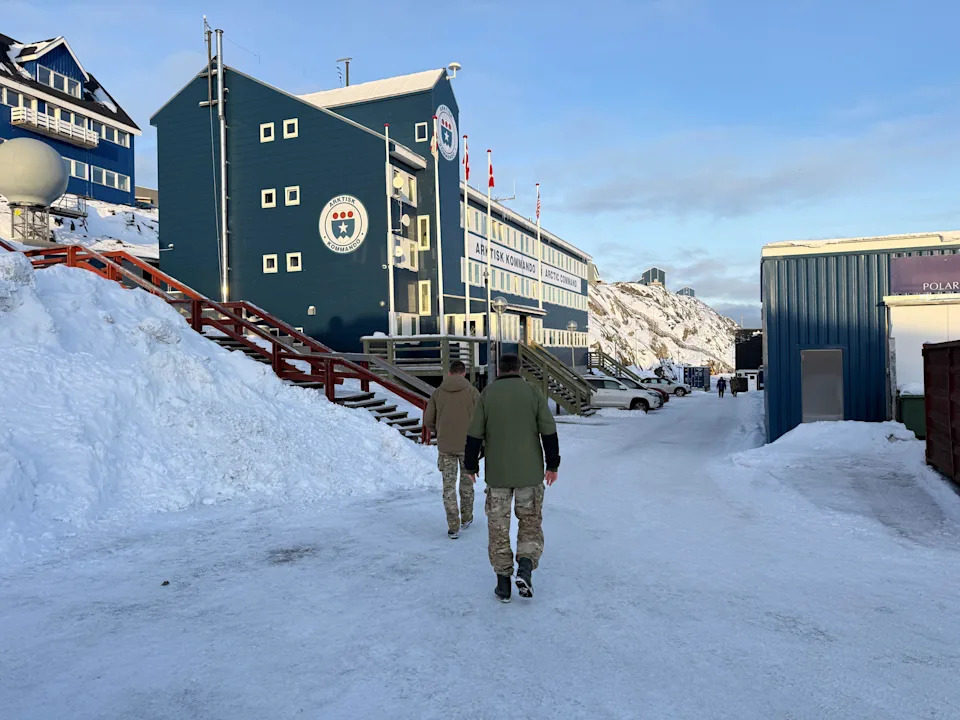
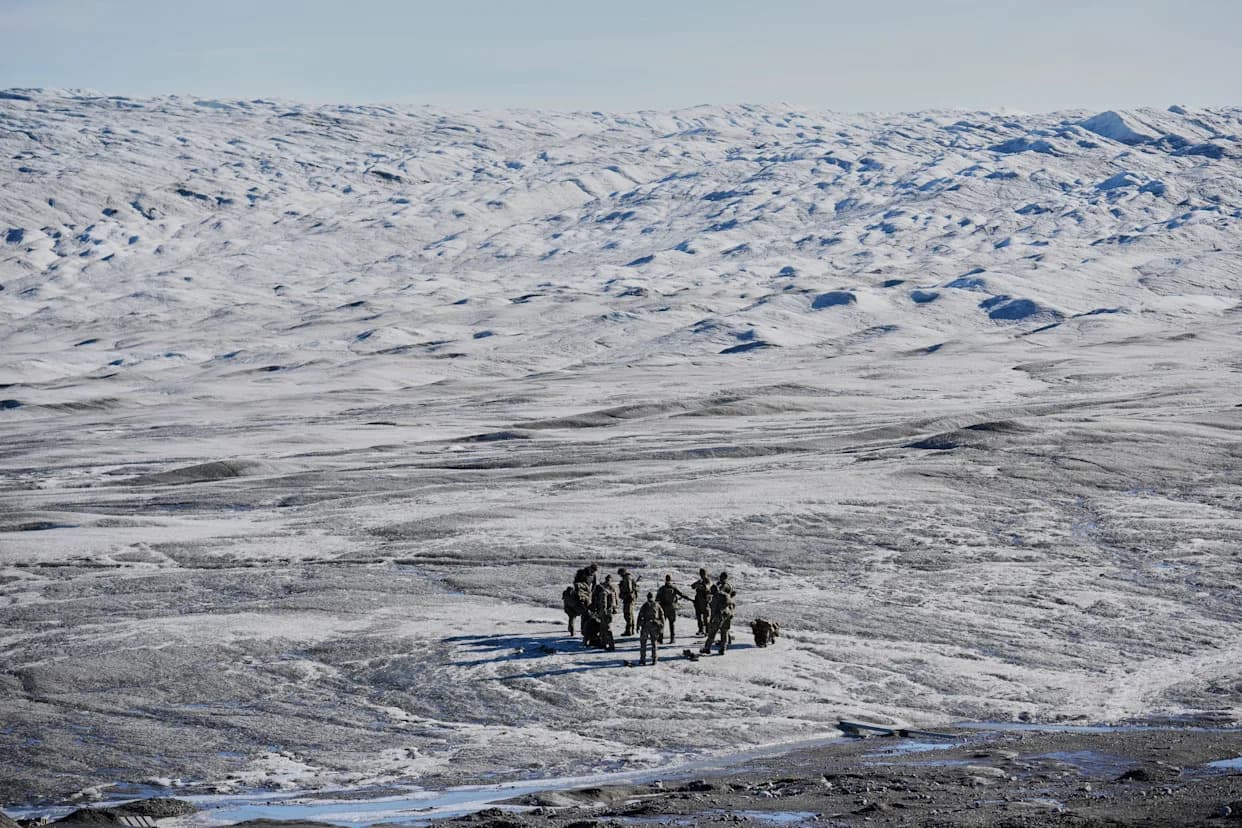
Military personnel are seen outside the Danish Armed Forces Arctic Command base in Nuuk, Greenland, Jan. 15, 2026. / Credit: Julia Waschenbach/picture alliance/Getty
European Response and Military Exercises
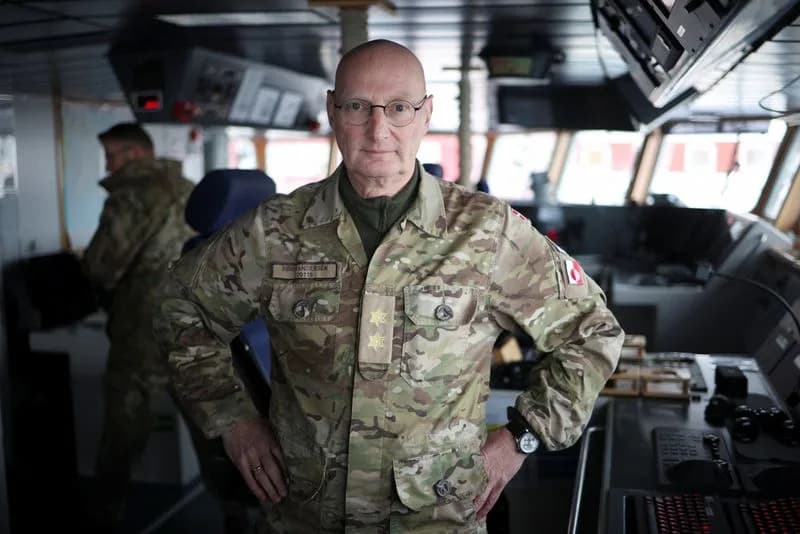
Denmark's Ministry of Defence said, "Geopolitical tensions have spread to the Arctic," and announced that Denmark and Greenland would continue increased Danish Armed Forces exercise activity in close cooperation with NATO allies. The ministry framed the drills as training to operate under unique Arctic conditions and as strengthening the alliance's footprint for both European and transatlantic security.
European partners signaled support for Greenland's defense ahead of the drills. Small contingents of troops and personnel began arriving: Germany announced 13 troops to Nuuk; the Netherlands will provide a naval officer and coordinate reconnaissance with NATO; Finland sent two liaison officers; and France said an initial military team had already arrived and would be reinforced. French President Emmanuel Macron said Europe has a special responsibility to be prepared and help protect sovereign territory.
Greenlandic Concerns and Domestic Reaction
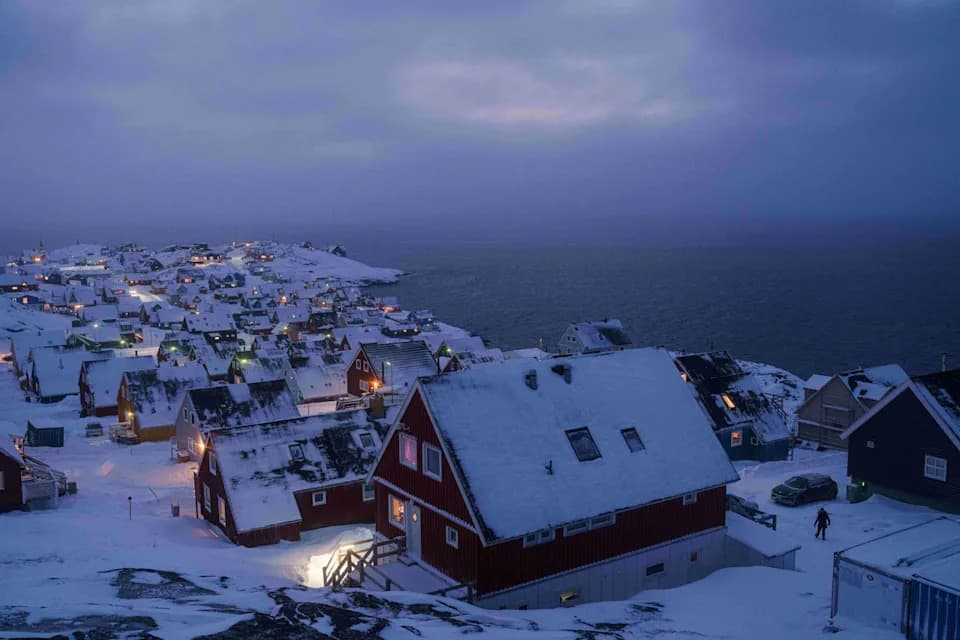
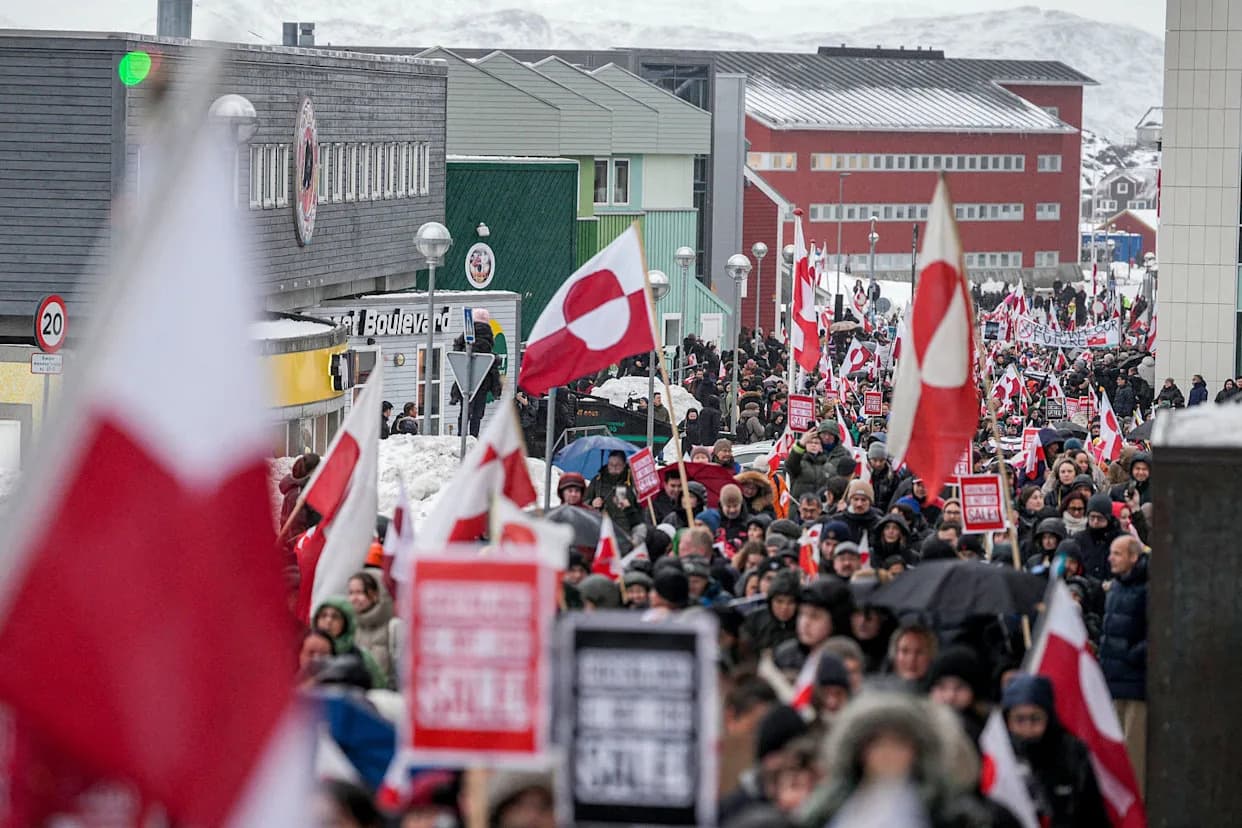
Greenlandic representatives, including Aaja Chemnitz, said the debate has deeply unsettled many residents. "Children are concerned. They're talking about their concerns at school. We have elders that are not sleeping because they are concerned," she told CBS News, stressing the need to reduce tensions and maintain close ties between Greenland and Denmark.
Lars-Christian Brask, vice-chair of the Danish Parliament's Foreign Policy Committee, described the Washington talks as constructive and urged the public to "Don't listen to Russian propaganda," while welcoming a high-level working group to continue dialogue.
Denmark says it has invested nearly $14 billion in Arctic security. As diplomatic talks continue, military preparations and public debate underscore how the Arctic and Greenland have become flashpoints in broader strategic competition among NATO members, the United States, Russia and China.
Help us improve.