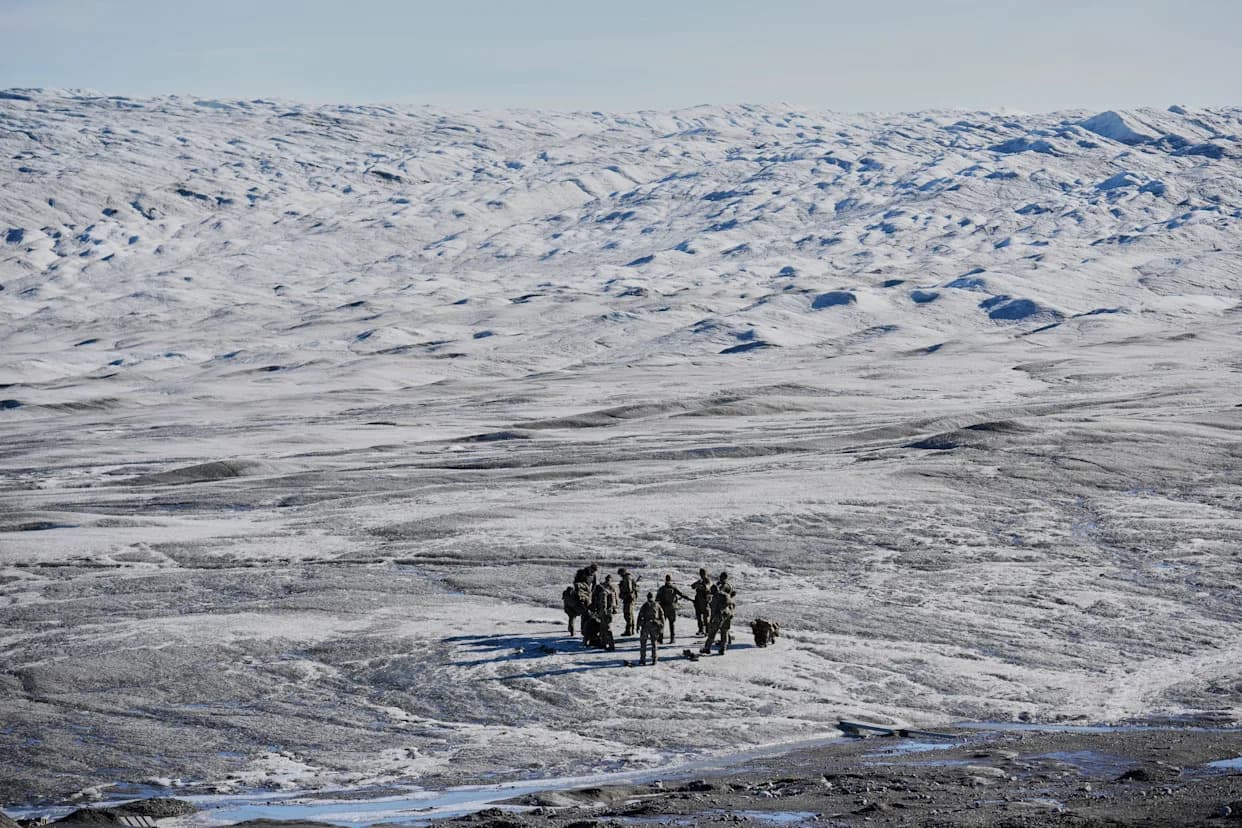
NATO allies are moving from exploratory talks to practical planning to strengthen Arctic security, Dutch Prime Minister Mark Rutte said on Jan. 12. Rutte warned that opening sea lanes could invite greater Russian and Chinese activity and said discussions that began last year are now focusing on concrete follow-up. European diplomats say NATO is examining options for a possible operation — potentially modeled on Baltic Sentry and Eastern Sentry — but no decision has been made. Danish and Greenlandic officials maintain Greenland is not for sale and recommend resolving security issues through allied cooperation.
NATO Weighs Collective Steps To Bolster Arctic Security, Rutte Says
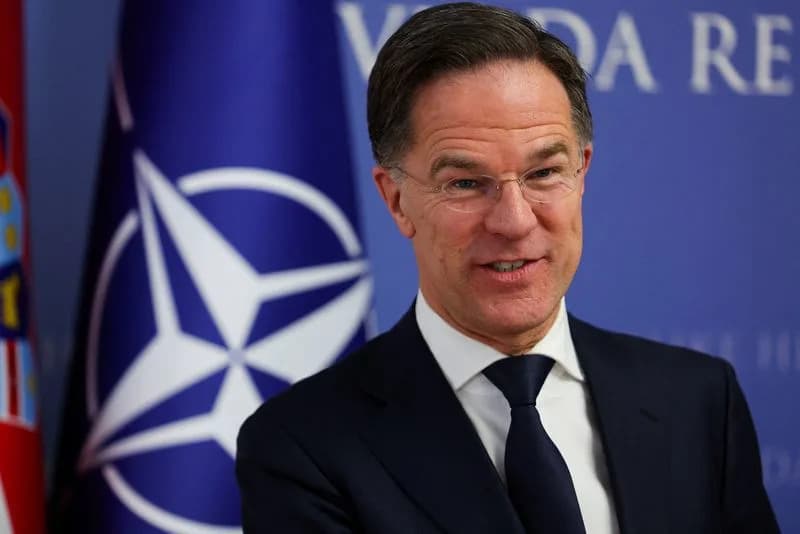
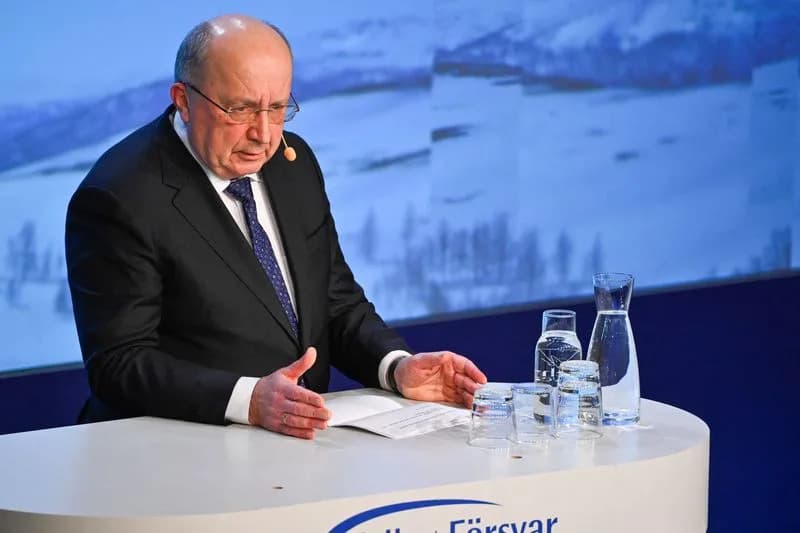
FILE PHOTO: NATO Secretary General Mark Rutte speaks during a joint press conference with Croatian Prime Minister Andrej Plenkovic (not pictured), in Zagreb, Croatia, January 12, 2026. REUTERS/Antonio Bronic/File Photo
BRUSSELS, Jan 12 (Reuters) - NATO member states are moving from discussions to planning practical measures to strengthen security in the Arctic, Dutch Prime Minister Mark Rutte said on Monday, reflecting allies’ efforts to respond to recent U.S. concerns about Greenland.
"All allies agree on the importance of the Arctic and Arctic security," Rutte said at a press conference in Croatia. "With sea lanes opening up, there is a risk that the Russians and the Chinese will be more active."
Rutte said talks on Arctic security began last year and that NATO members are now "discussing the next step to that, how to make sure that we give practical follow up on those discussions." He emphasized that the process is consultative and that no final decisions have been taken.
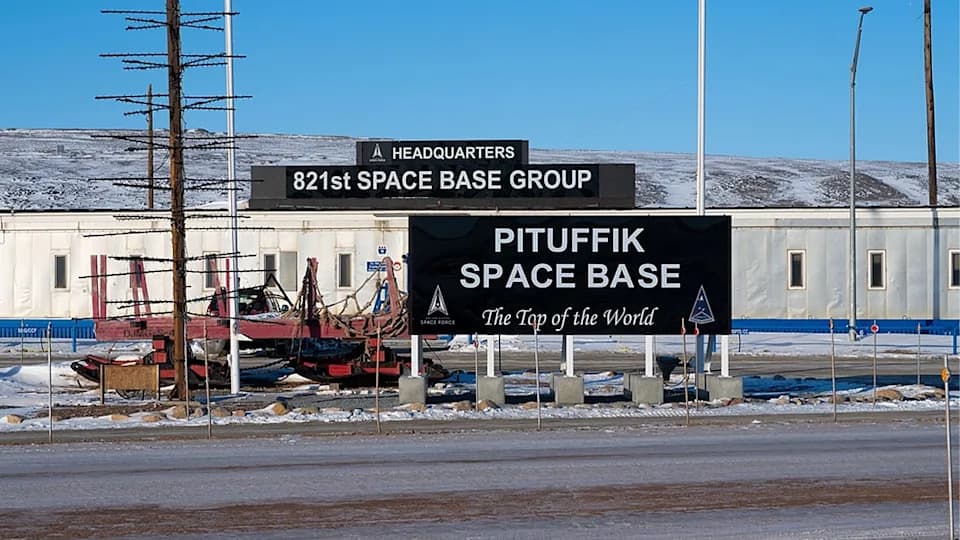
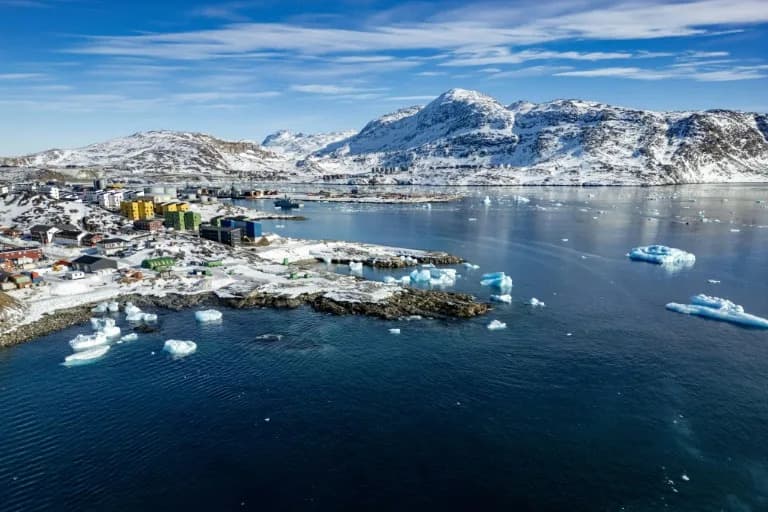
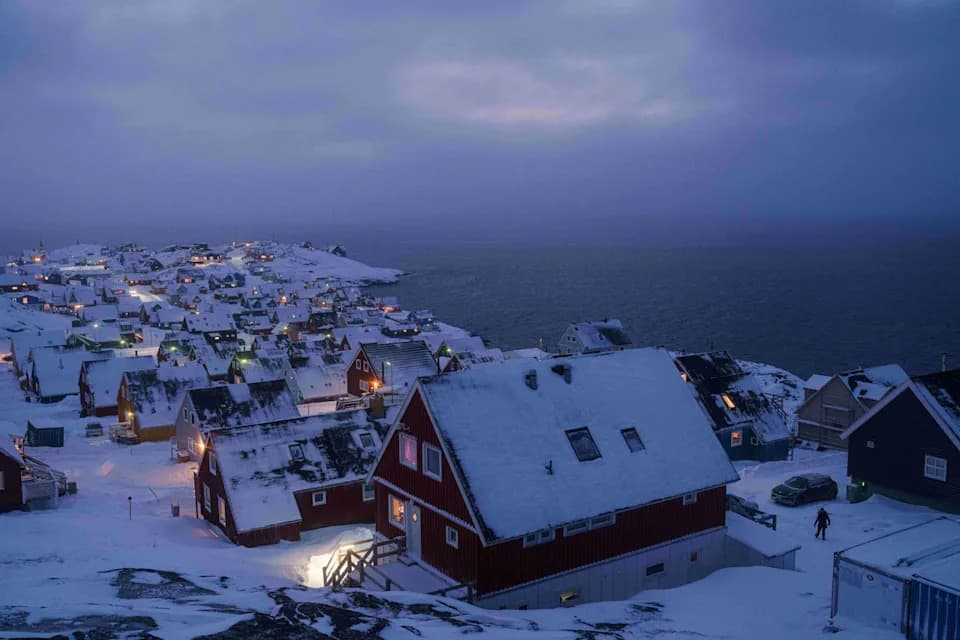
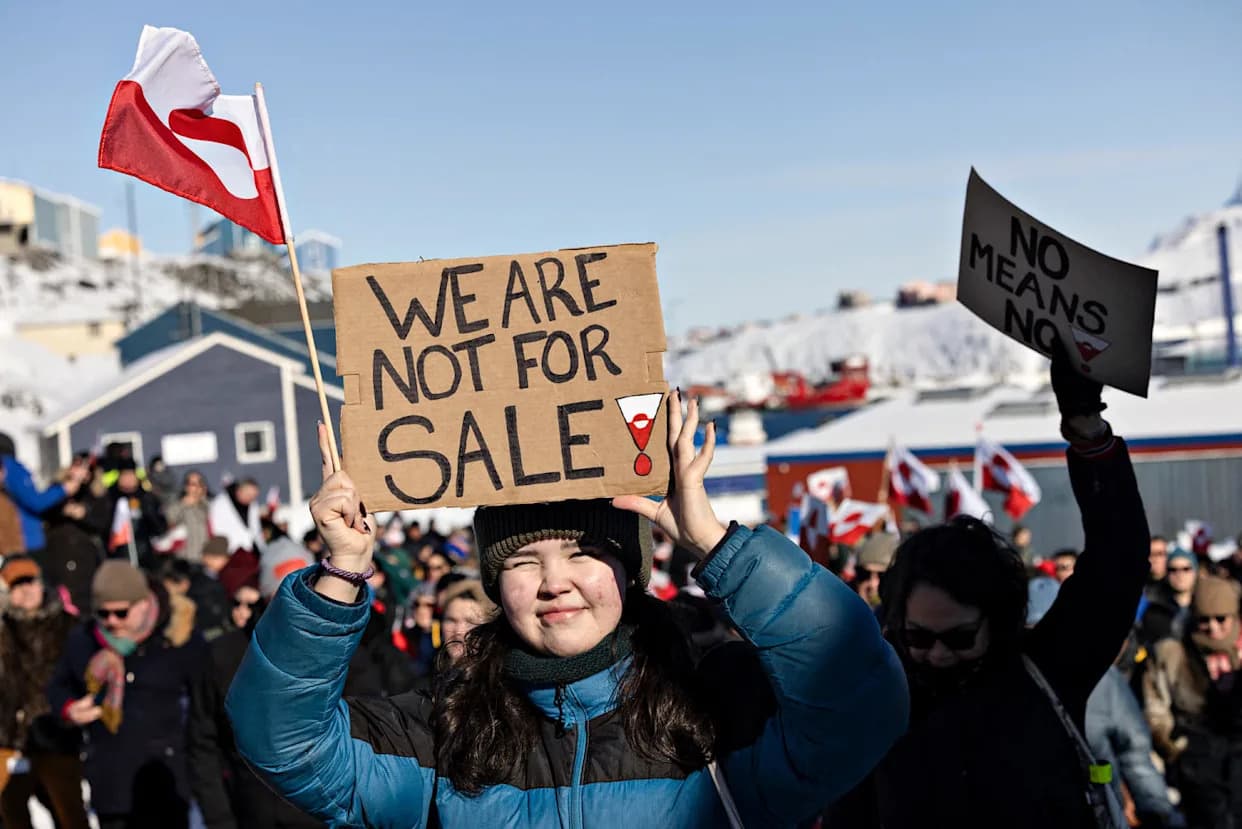
On Friday, U.S. President Donald Trump said the United States should consider taking ownership of Greenland to prevent future Russian or Chinese influence — remarks that were rejected by Danish and Greenlandic officials. Greenland is an autonomous territory within the Kingdom of Denmark and hosts a U.S. airbase under existing international agreements. Danish and Greenlandic leaders have repeatedly said the island is not for sale and that security concerns should be addressed through allied cooperation.
Possible NATO Response
European diplomats told Reuters that NATO officials are exploring options, including a possible operation to boost Arctic security. Some officials have suggested modeling any new deployment on NATO missions used to strengthen deterrence on the alliance’s eastern flank, such as Baltic Sentry and Eastern Sentry. However, diplomats stressed that these ideas are under discussion and no operational plan has been approved.
A German government spokesperson confirmed that NATO is conducting internal discussions about how to further strengthen security in the Arctic region. The conversations reflect growing strategic attention to the High North as melting ice opens sea lanes and increases geopolitical competition.
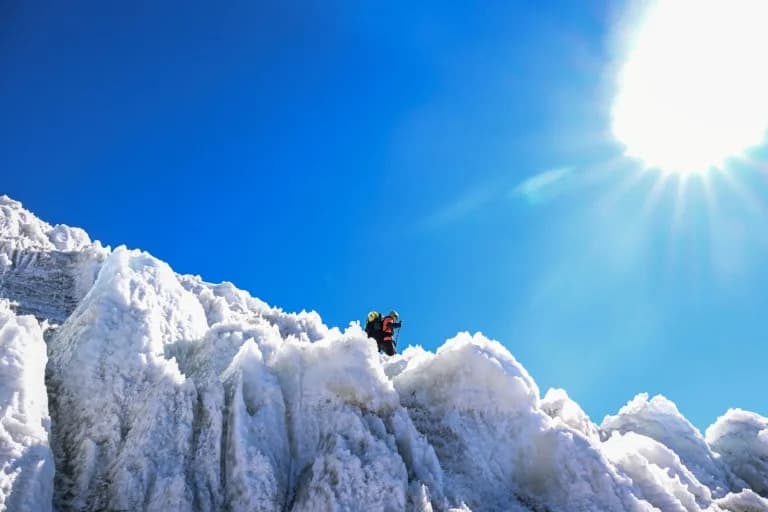
Context: The Arctic’s receding ice cover is creating new commercial routes and access to resources, which NATO members say raises the prospect of heightened activity by other powers and requires collective planning among allies.
(Reporting by Lili Bayer, Sudip Kar-Gupta and Inti Landauro; Editing by Lili Bayer and Louise Rasmussen)
Help us improve.