Several European airports have been temporarily closed after drone and small aerial device sightings, disrupting thousands of travellers. Officials and analysts warn many incidents fit a pattern of hybrid warfare — using hard-to-attribute tactics such as drones, balloons and possibly explosive parcels. NATO has been drawn into responses, including Article 4 consultations, and leaders are calling for stronger air-defence and counter-drone measures in eastern Europe.
Drones and Balloons Disrupt European Airports — Analysts Warn of Escalating Hybrid Warfare

Danish police at Copenhagen Airport on September 22.STEVEN KNAP/Ritzau Scanpix/AFP via Getty Images
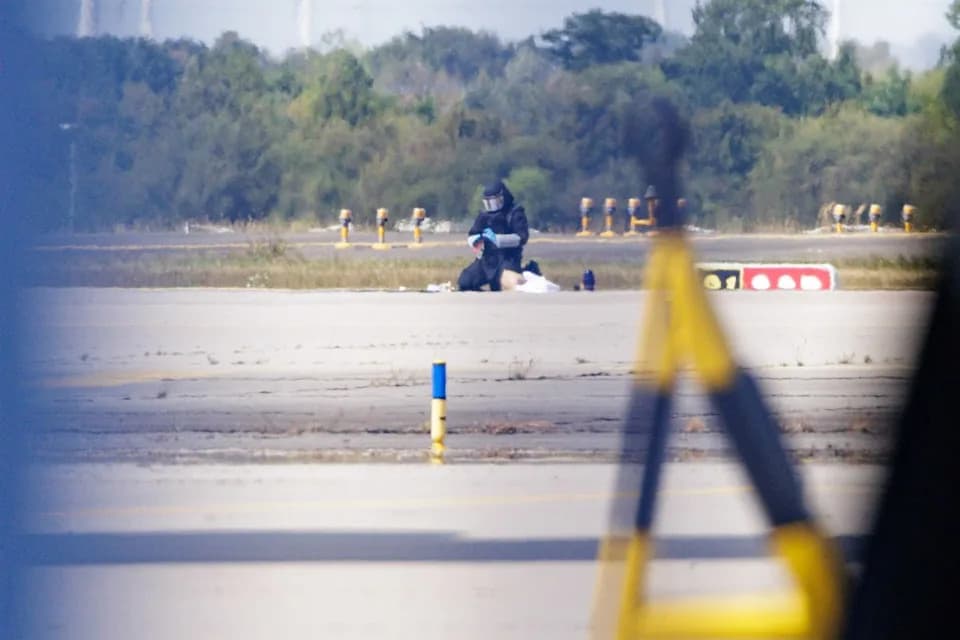
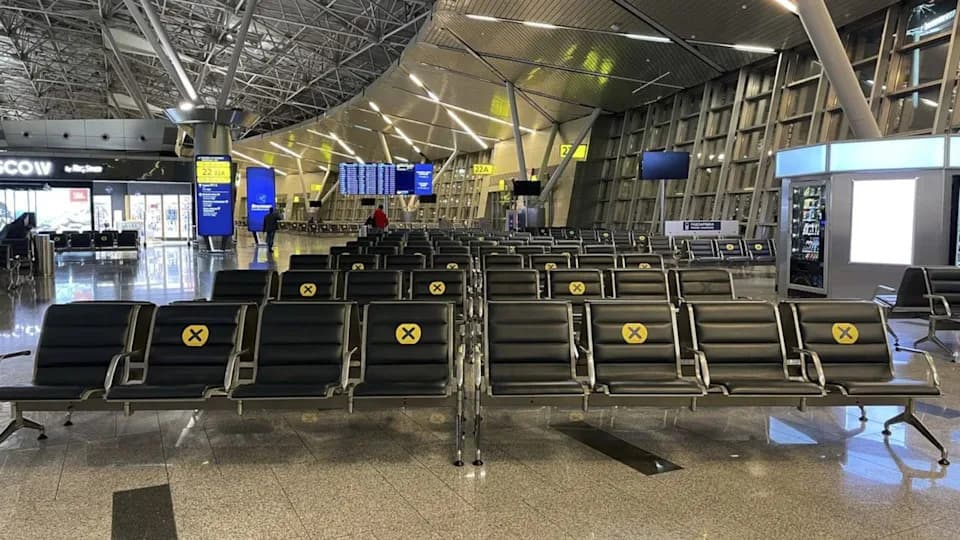
Several European airports have been temporarily closed after reports of drones and other small aerial devices nearby, causing widespread travel disruption and raising alarms about a broader campaign of hard-to-attribute attacks on civilian infrastructure.
Sequence of Incidents
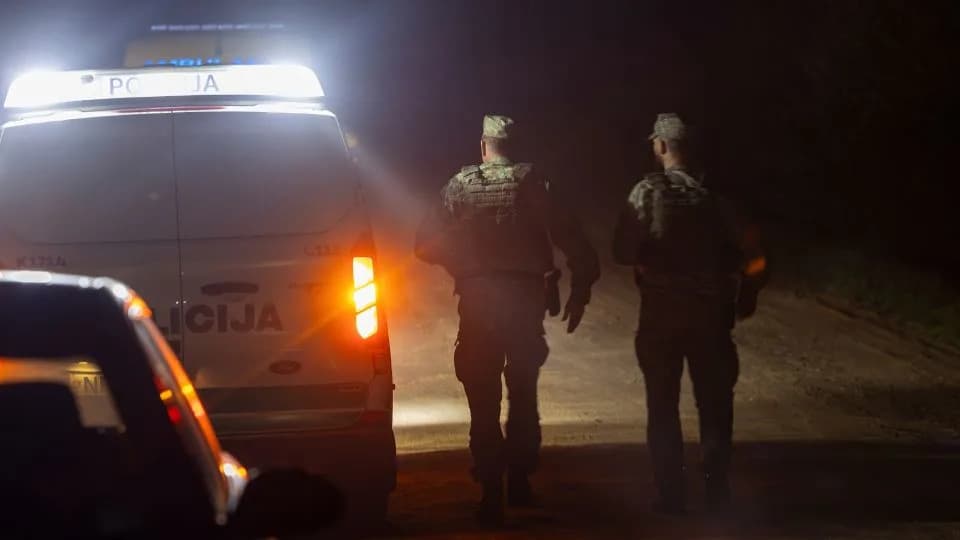
The disruption began in late September when several large drones were reported near Copenhagen Airport at about 8:30 p.m., prompting authorities to halt all takeoffs and landings for nearly four hours. More than 50 flights were diverted and over 100 were canceled. That same day, a suspected drone sighting at Oslo Airport disrupted roughly 30 flights.
In the weeks that followed, additional airports across Europe reported nearby drone activity. Munich experienced two shutdowns within 24 hours in early October, and in total more than 10,000 travellers have had plans disrupted by diversions and cancellations linked to similar reports.
Border Regions And Unconventional Tactics
The Baltic states have felt the effects most acutely. Vilnius Airport in Lithuania — a country with fewer than 3 million people and an eastern border less than 70 miles from Russia’s westernmost edge — was closed 15 times in a 10-week period, often because balloons carrying crates of cheap cigarettes from Belarus were crossing the border. These small, low-signature platforms are hard to detect and can still force major operational changes.
"They are also difficult to detect because they're not big aircraft or drones," said Sean Patrick, senior aviation security analyst at Osprey Flight Solutions.
Military And Diplomatic Responses
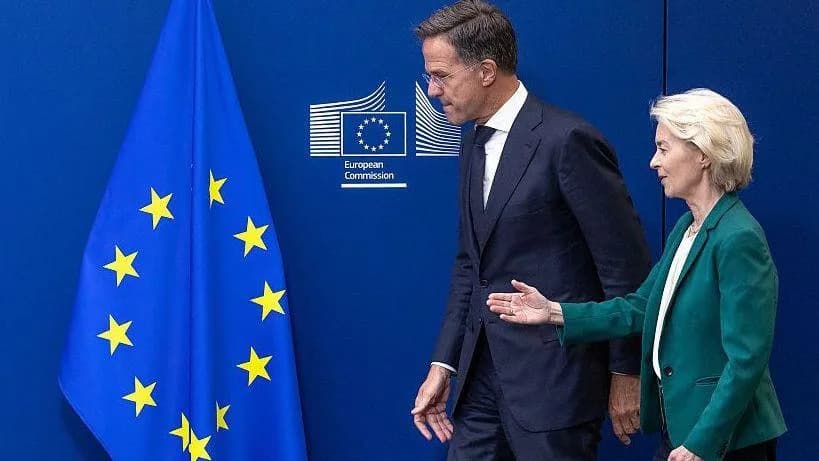
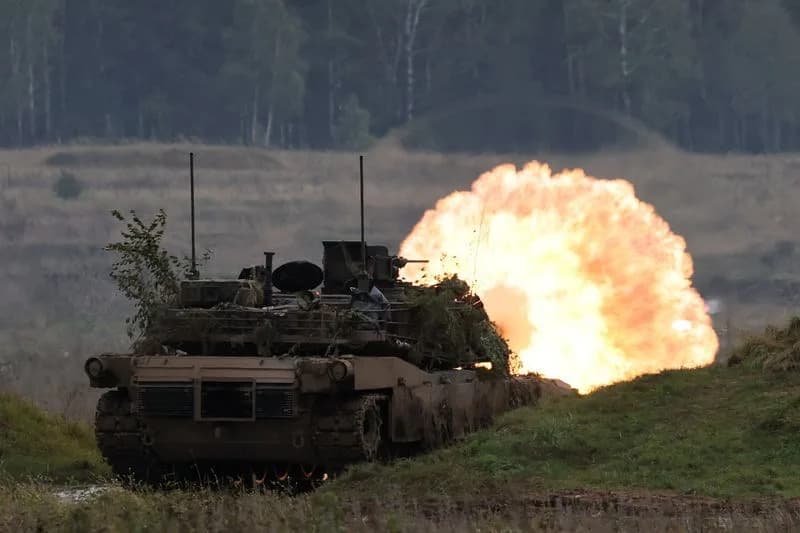
Thirteen days before the Scandinavia incidents, around 20 drones reportedly crossed into Poland. Polish authorities closed the airspace over four airports while NATO scrambled jets and said they shot down up to four of the drones. Poland invoked Article 4 of the NATO treaty — requesting consultations on a threat — its first use of Article 4 since the full-scale invasion of Ukraine in 2022.
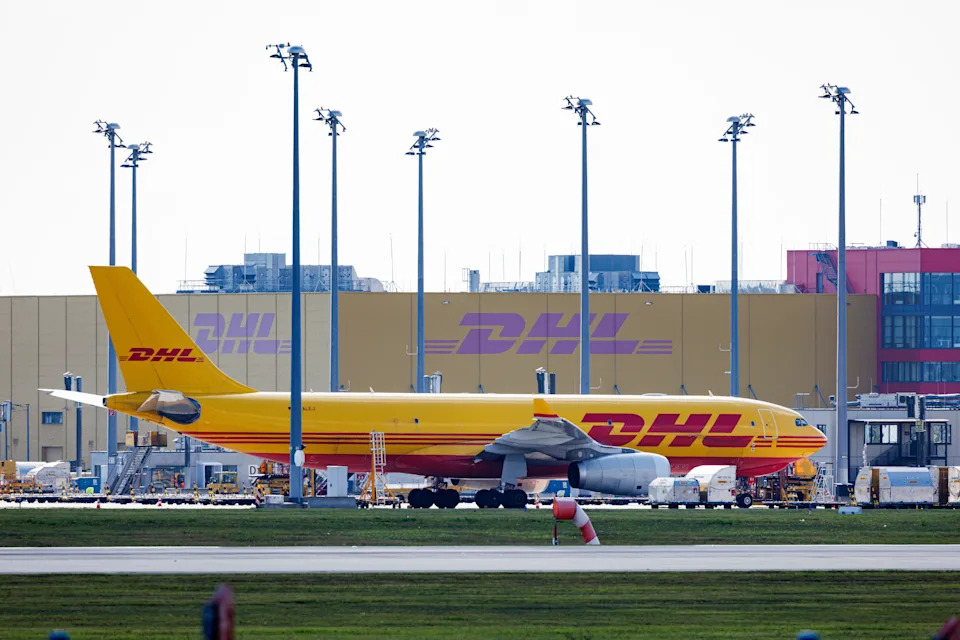
A DHL cargo plane in Germany.Jens Schlueter/Getty Images
During the Copenhagen incident, a vessel with apparent links to Russia was located off Denmark’s coast; the French military boarded the oil tanker and charged its captain with refusing to follow naval orders. Observers say that frequent changes of vessel names and flags make attribution and tracking more difficult.
Attribution, Ambiguity And Escalation Concerns
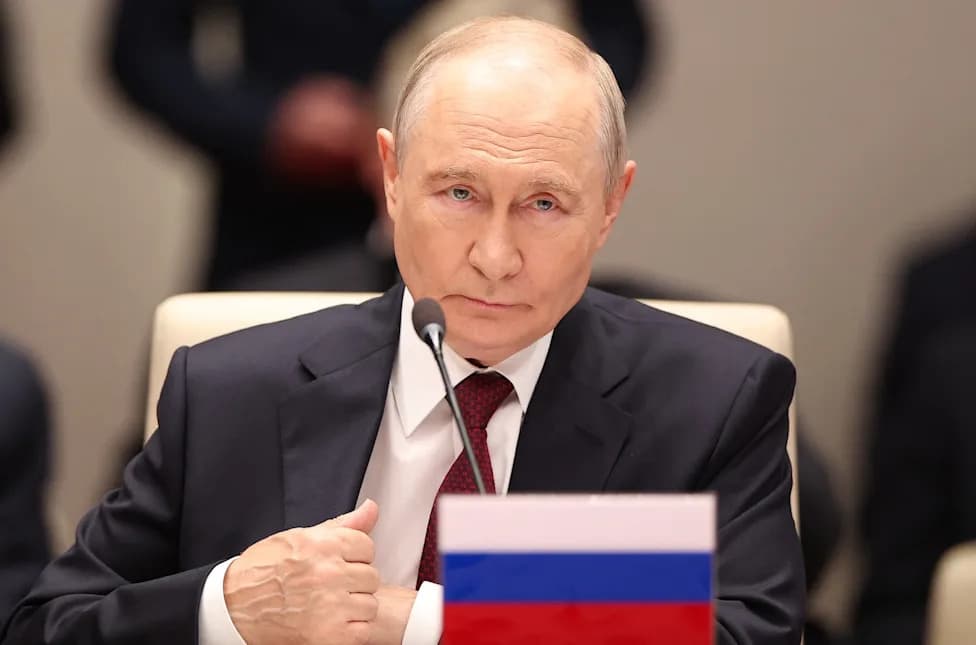
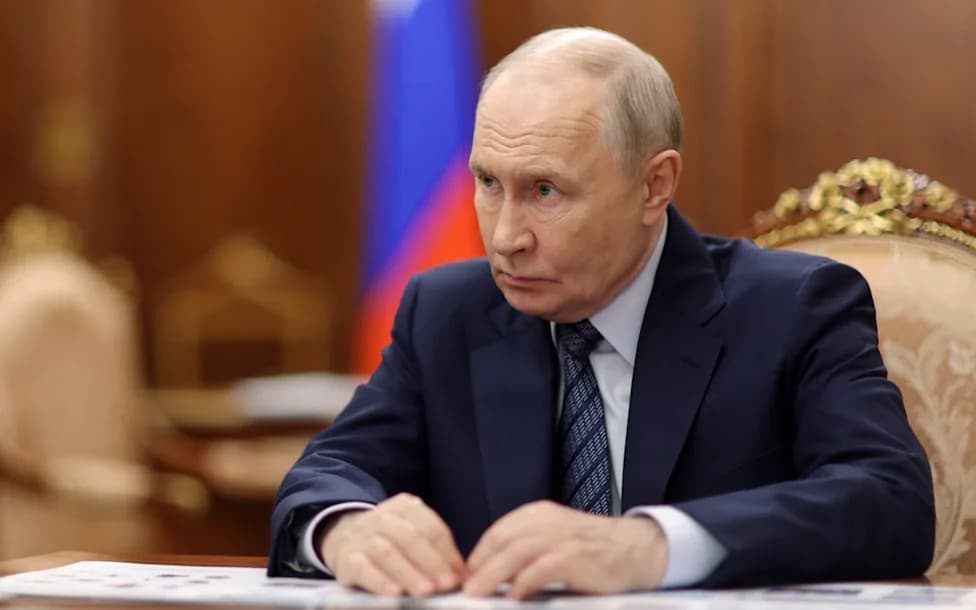
Attribution remains contested. Norwegian police later closed their probe into the Oslo sighting, saying there was insufficient evidence that drones had been present. Russian President Vladimir Putin has denied Moscow’s involvement. Analysts at Osprey Flight Solutions caution that some sightings may be misidentifications.
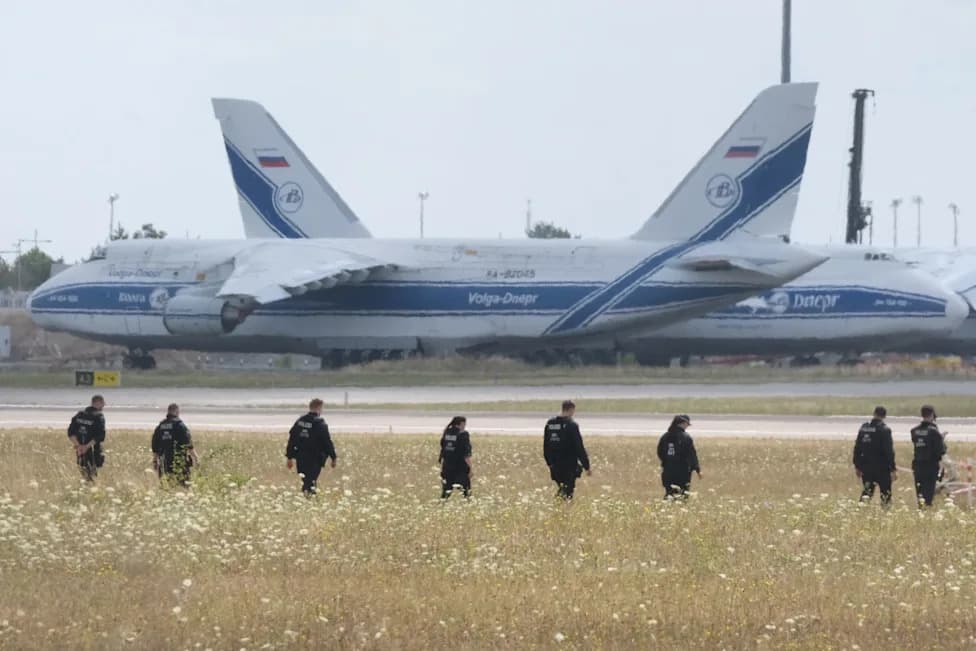
Security concerns intensified after a July 2024 explosion at a DHL freight centre in Leipzig. German authorities said a delayed package caught fire on the ground by coincidence rather than in flight; similar depot fires were reported in Poland and the U.K. In September, Lithuanian prosecutors charged 15 people with terrorism offences, alleging they placed explosive devices inside vibrating massage pillows and used electronic timers to trigger them. Investigators said these parcels were intended as dry runs to learn how to sabotage flights to North America.
"The new frontline is everywhere," said Blaise Metreweli, head of the U.K.'s Secret Intelligence Service, in an inaugural speech on December 15.
What Authorities Are Proposing
Some European leaders and security officials are calling for an eastward "drone wall" — a network of counter-drone and air-defence systems to detect and stop small aerial threats launched from across Russia and its neighbours. NATO and national governments continue to debate the technical, legal and political implications of such measures.
Outlook
Analysts warn that even if the war in Ukraine reaches a pause or ceasefire, disruptive operations of this type could continue because they offer plausible deniability and political payoff without triggering traditional armed conflict. Officials and aviation experts are urging improved detection, clearer attribution and stronger international coordination to deter escalation.
Note: Many incidents remain under investigation and some reported sightings may prove to be misidentifications. This article reflects reported events and public statements by officials and analysts.
Help us improve.