The U.S. will not officially observe World AIDS Day this year, ending a practice in place since 1988. An estimated 39.9 million people live with HIV worldwide, including about 1.2 million in the United States, where roughly 13% are unaware of their status. The administration says a new global health strategy and programs like PEPFAR will continue the fight, but experts warn that policy shifts and aid cuts could reverse progress and increase infections and deaths.
U.S. Skips Official World AIDS Day Commemoration; Experts Warn of Potential Setbacks

The United States will not officially mark World AIDS Day this year, breaking a practice observed since 1988 when the day was first designated to raise awareness about HIV/AIDS and remember those who have died from the disease.
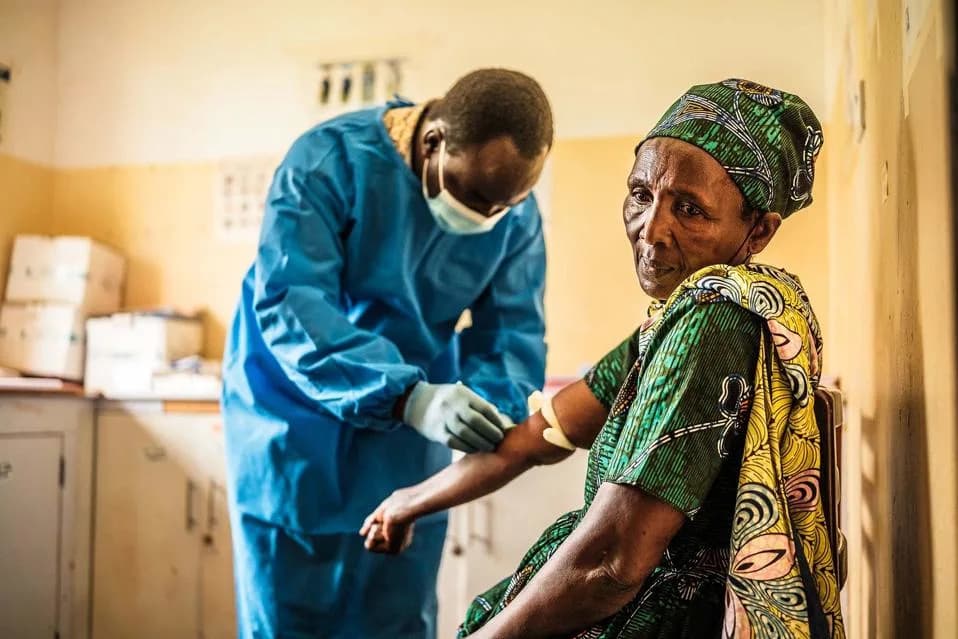
Worldwide, about 39.9 million people are living with HIV, the virus that can lead to AIDS. In the United States roughly 1.2 million people are living with HIV, and an estimated 13% of them are unaware of their infection — a key factor in continued transmission.
World AIDS Day was initiated by the World Health Organization and has long been observed by governments, NGOs and community groups around the globe. This year, the U.S. government declined to officially commemorate the day amid broader changes to its approach to global health.
In a statement, State Department deputy spokesperson Tommy Pigott emphasized that marking a day is not a substitute for policy and said the administration is focused on direct partnerships and a new global health strategy. He said the goal is to "save lives and increase responsibility and burden sharing" by working directly with foreign governments to modernize U.S. foreign assistance and better counter infectious diseases.
"An awareness day is not a strategy. Under the leadership of President Trump, the State Department is working directly with foreign governments to save lives and increase their responsibility and burden sharing," said State Department deputy spokesperson Tommy Pigott. "Earlier this year, we released a global health strategy aimed at streamlining America’s foreign assistance and modernizing our approach to countering infectious diseases."
A senior administration official said the United States will continue its efforts to combat HIV/AIDS through the new global health strategy and through the President’s Emergency Plan for AIDS Relief (PEPFAR), a program launched under President George W. Bush that is credited with saving millions of lives.
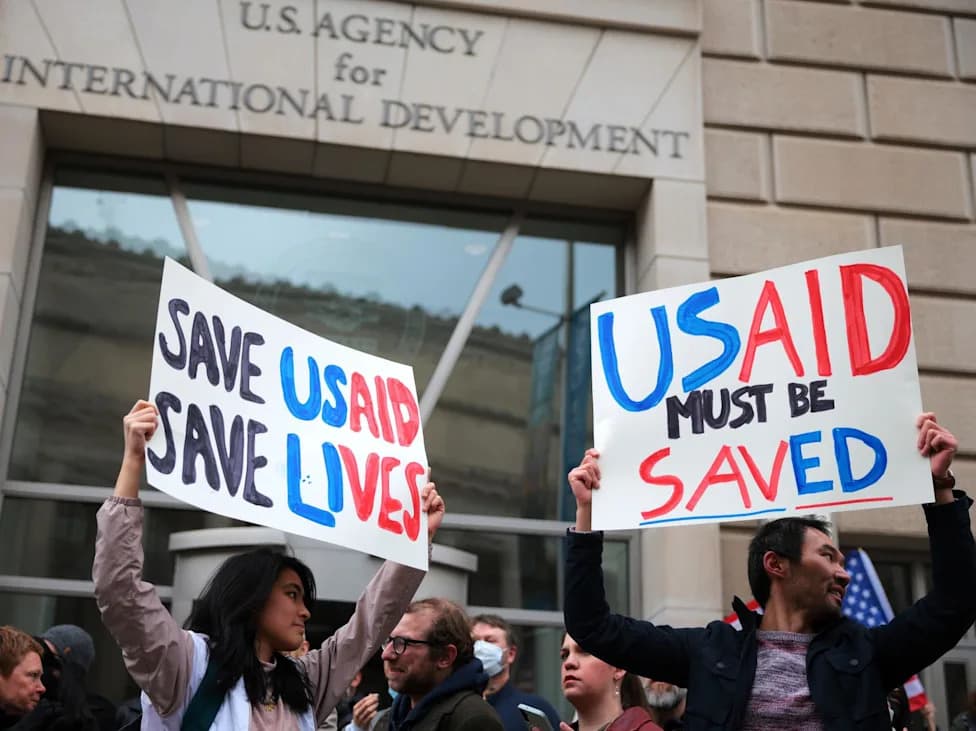
Health experts and advocates, however, warn that the administration’s "America First Global Health Strategy" and recent aid reductions could weaken public health systems abroad and at home. Critics have raised concerns about cuts to foreign aid and organizational changes that they say have undermined established public health partnerships.
Dr. Anna Person, chair of the Infectious Diseases Society of America’s HIV Medicine Association, said the developments "raise alarm bells." She warned: "Erasing HIV from the federal budget will not make the deadly virus go away but will reverse the progress made toward ending the HIV epidemic. Without continued research and support for HIV prevention, surveillance and services, new HIV transmissions and health care expenditures will climb, and people will die."
The decision not to formally observe World AIDS Day has intensified debate over the future direction of U.S. global health policy and its implications for HIV prevention, treatment and surveillance programs both domestically and internationally. Community groups, health organizations and affected communities continue to mark the day through local events, awareness campaigns and services aimed at testing, prevention and care.
Help us improve.