Mark Carney’s first months as prime minister have seen a clear shift in Canada’s climate and energy policy: the individual carbon tax was dropped, a Major Projects Office was created, and a memorandum with Alberta advances a proposed oil pipeline and increased fossil-fuel output. Carney frames the moves as pragmatic steps to diversify exports to Asia and protect the economy amid U.S. trade tensions, with new industrial carbon levies and carbon capture proposed as mitigation. Critics, including a resigning environment minister and environmental groups, warn the changes represent an erosion of Canada’s climate commitments.
Mark Carney Faces Backlash Over Climate U‑Turn After Pipeline Deal with Alberta

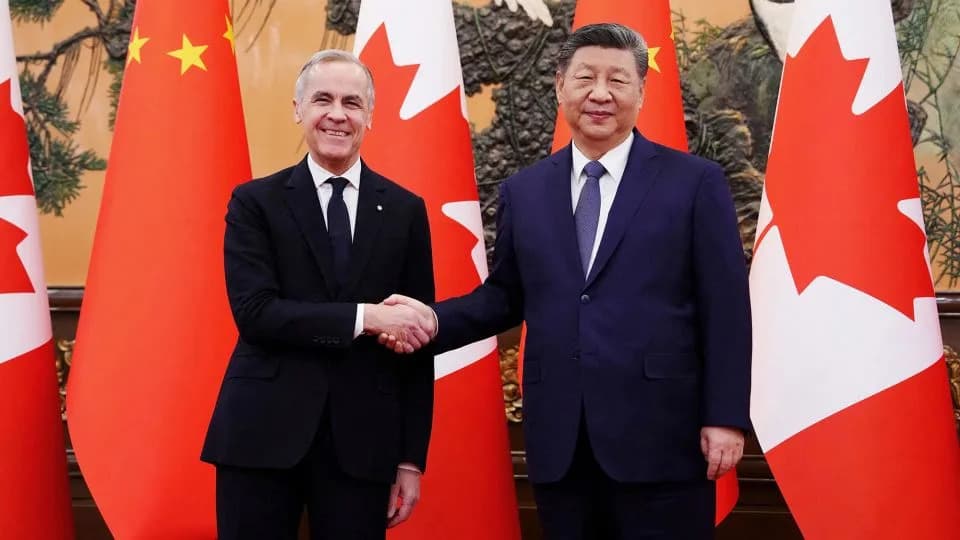
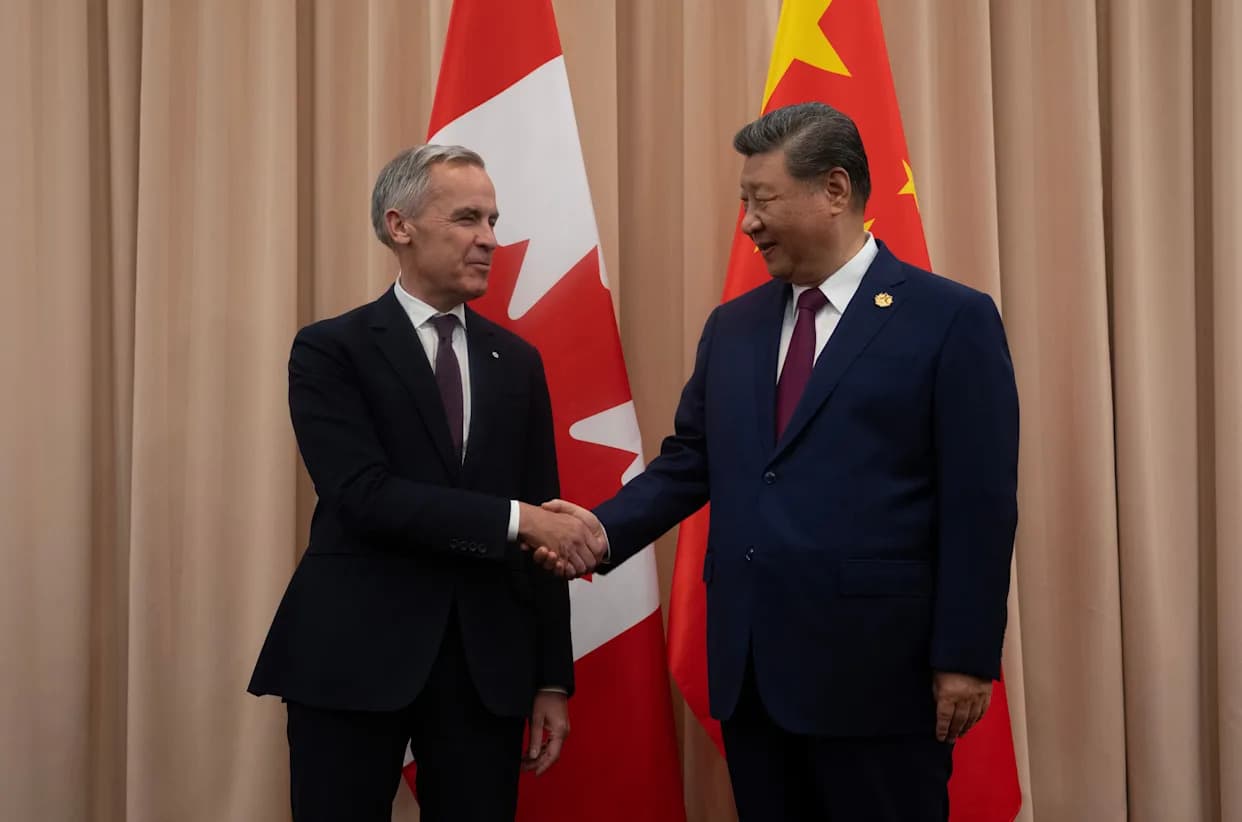
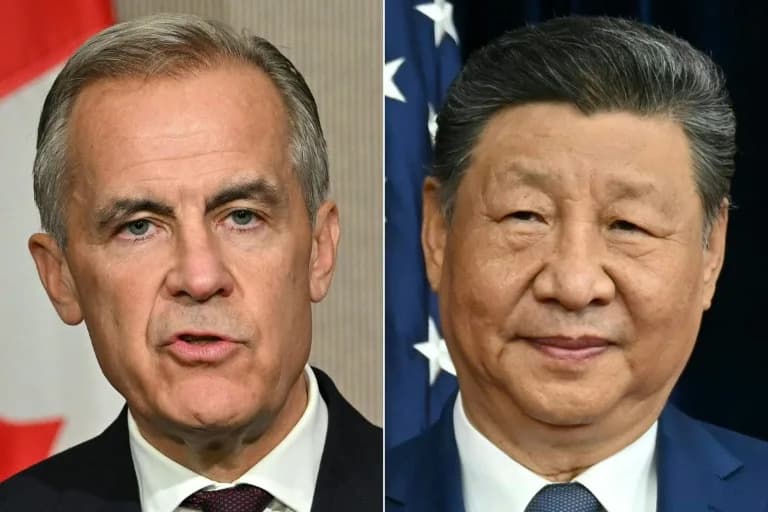
Canada’s new prime minister, Mark Carney, has come under fierce criticism after a series of early policy shifts that signal a departure from the environmental agenda of his predecessor. Since taking office in March, Carney has scrapped the unpopular individual carbon tax, created a Major Projects Office to fast-track resource developments, and signed a memorandum of understanding with Alberta to pursue a new oil pipeline and increase oil and gas production.
The pipeline agreement—still at an early stage—would move bitumen to Canada’s northwest Pacific coast and include plans for a large tanker port. Carney argues the project would reduce Canada’s economic dependence on the United States by diversifying exports to Asia, while imposing a steep industrial carbon levy on oil companies and relying on carbon capture to offset additional emissions.
"Canada and Alberta are striking a new partnership to build a stronger, more sustainable, and more independent Albertan and Canadian economy," Carney said. "We will make Canada an energy superpower, drive down our emissions and diversify our export markets."
Environmental advocates and some members of Carney’s own government say the moves amount to an erosion of climate policy. Steven Guilbeault, who served as environment minister under the previous administration, resigned after the pipeline memorandum was signed, saying he entered politics to "champion the fight against climate change" and that important green policies are being dismantled.
Supporters Cite Economic Necessity
Supporters of Carney’s pivot say the changes are a pragmatic response to mounting economic pressure, including trade tensions with the United States. Tim McMillan, former head of the Canadian Association of Petroleum Producers, argued that expanded oil and gas activity is essential after a decade of stalled projects and declining economic indicators in some regions.
Contested Climate Measures
Carney’s approach emphasizes market-driven solutions and uses revenue from industrial carbon levies to finance cleaner energy. However, critics question the effectiveness and timeline of carbon capture technologies and argue that building new long-lived fossil fuel infrastructure is inconsistent with global efforts to transition to renewables.
The pipeline plan may never be realized, and its future depends on further negotiations, regulatory reviews and potential legal challenges. For now, the deal has sharpened a national debate over whether Canada can balance short-term economic pressures with long-term climate commitments.
Help us improve.