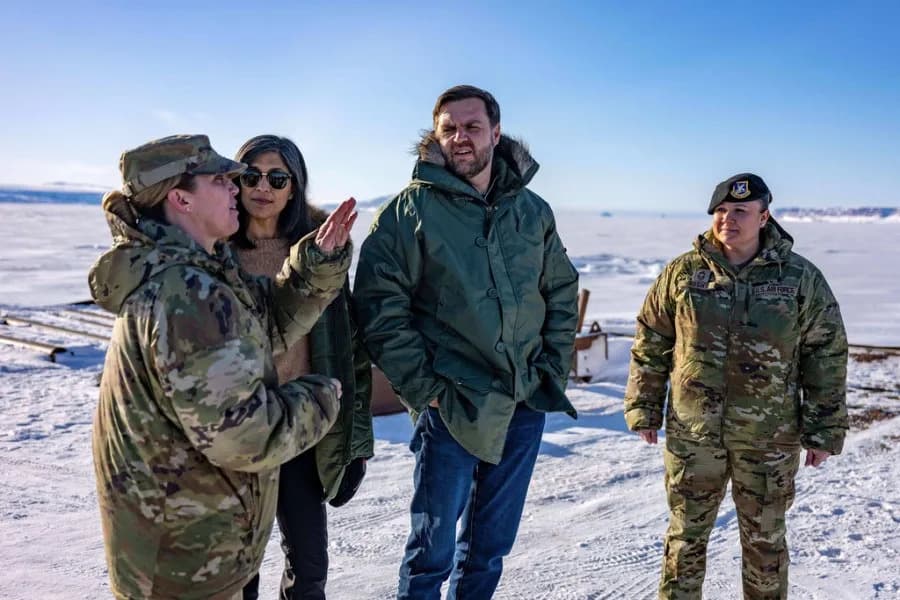
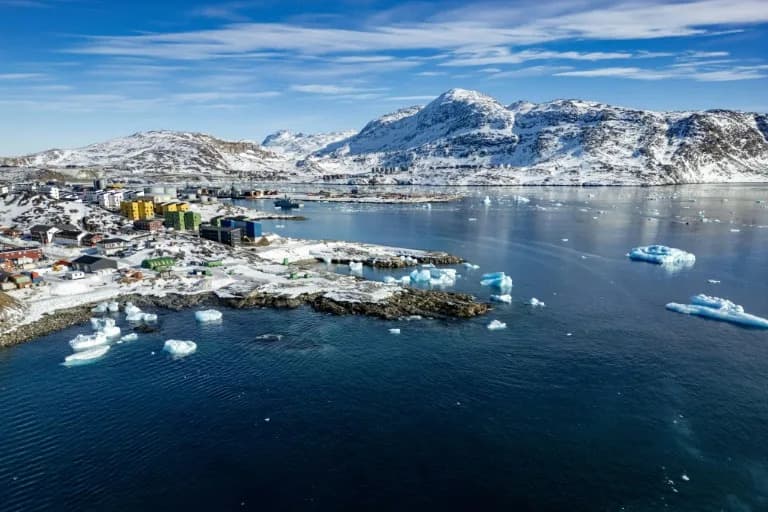
President Trump has privately pressed aides about Canada’s Arctic vulnerabilities, urging stronger northern defenses as advisers pursue options related to Greenland. U.S. officials say talks with Ottawa include modernizing early-warning systems, expanding joint training and patrols, and potentially increasing U.S. icebreaker activity — but not stationing U.S. ground troops along Canada’s Arctic frontier. Canada maintains Greenland’s future is for Greenland and Denmark to decide while it pursues broader international ties.
Trump Intensifies Private Push for Stronger U.S.-Canada Arctic Defense
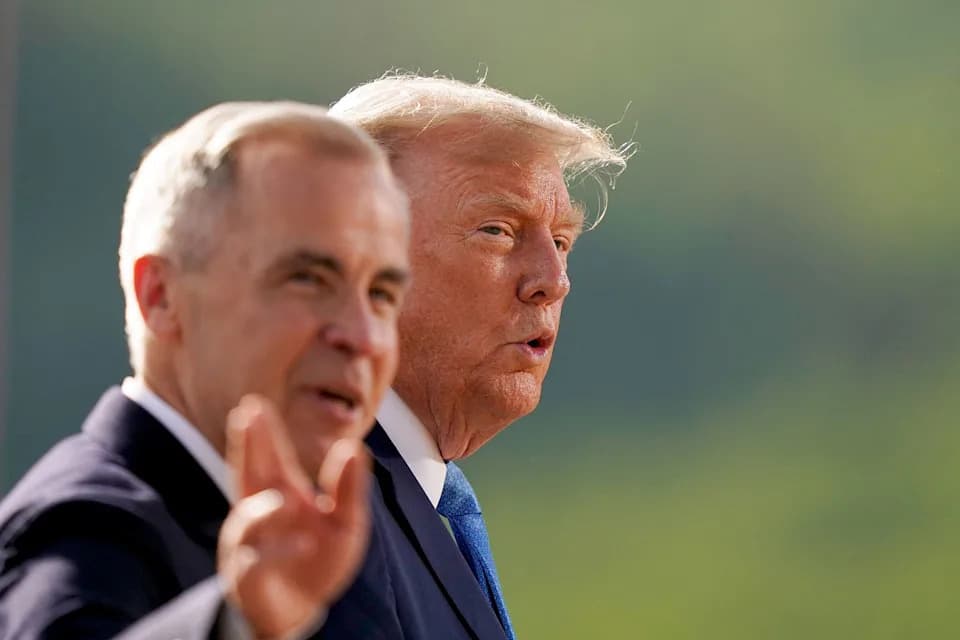
Canadian Prime Minister Mark Carney and President Donald Trump arrive for a family photo during the G7 Summit in Kananaskis, Alberta, Canada on June 16, 2025. (Geoff Robins / AFP - Getty Images file)(Geoff Robins)
WASHINGTON — President Donald Trump has privately intensified his focus on Canada’s Arctic vulnerabilities, telling aides in recent weeks that he is concerned about Ottawa’s ability to deter rival powers such as Russia and China from operating close to North American approaches, according to multiple current and former U.S. officials familiar with the conversations.
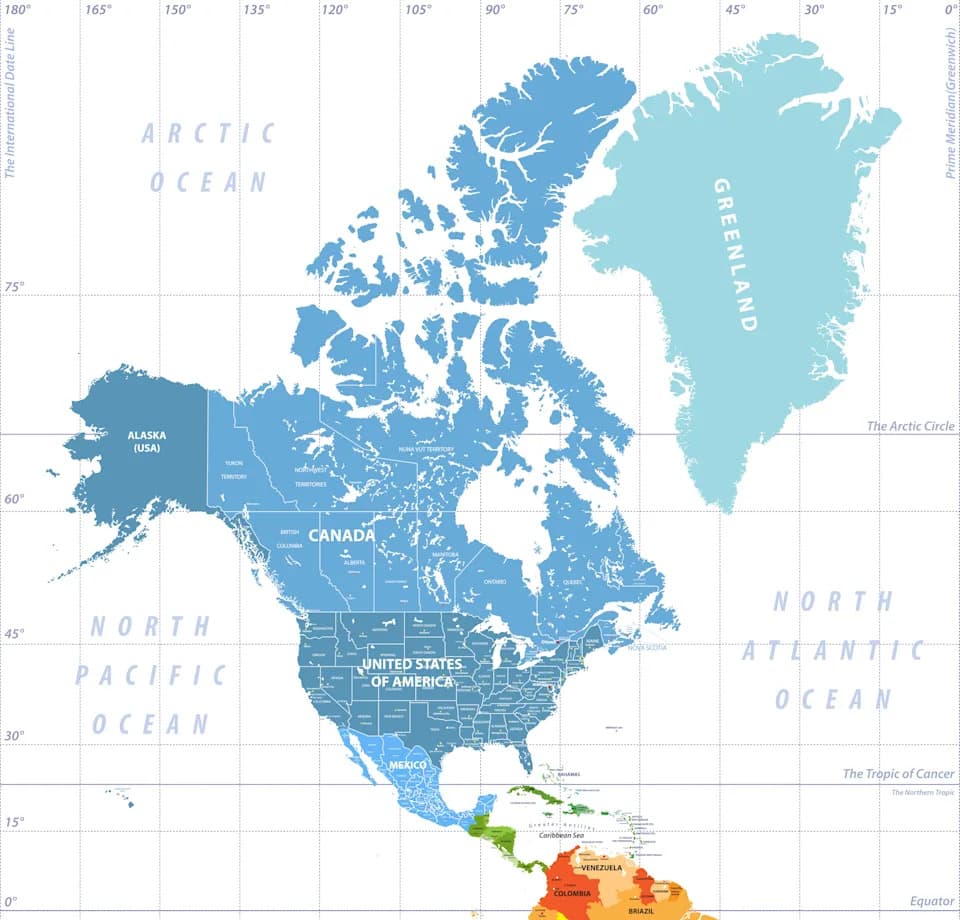
As advisers pursue options related to Greenland, officials said the president has argued that Canada — like Greenland — needs to strengthen its northern defenses. That private push has accelerated internal U.S. discussions about a broader Arctic strategy and about ways the United States and Canada might cooperate this year to better secure the Arctic approaches to North America.
Administration officials emphasized there is no plan to station U.S. ground troops along Canada’s northern border. Unlike comments the president has made about Greenland, current officials say he is not seeking to acquire Canada and has not publicly indicated any intention to use military force against a U.S. ally.
What Officials Say
U.S. officials described a range of options under discussion with Canadian counterparts, including:
- Modernizing Canadian early-warning systems to detect air and maritime approaches;
- Expanding joint U.S.-Canada training exercises and operational cooperation in the Arctic;
- Increasing combined air and maritime patrols, and possibly augmenting U.S. icebreaker presence to assist northern maritime security.
One senior administration official said the debate is driven by concerns that gaps in Canada’s northern capabilities could create openings for China or Russia to expand their presence in the Arctic. "At the end of the day, this is to stop Russia and China from having a further presence in the Arctic," the official said. "Canada stands to benefit from a stronger North American posture in the region."
Canada’s government has maintained that Greenland’s future is for Greenland and Denmark to decide. When asked about the renewed U.S. scrutiny of Canada, a White House spokesperson pointed to an executive order signed last April that, the administration said, underscores the United States’ commitment to freedom of navigation and American interests in Arctic waterways. The Canadian Embassy in Washington did not immediately respond to requests for comment.
Context And Reactions
President Trump has repeatedly criticized allied defense spending and argued that some neighbors do not do enough to secure the hemisphere. Officials and observers say this private focus on Canada represents an attempt to turn long-standing critiques into concrete defense and diplomatic initiatives in the Arctic.
Canada has been incrementally increasing defense spending but remains below NATO guideline targets, officials noted. Separately, Canadian leaders have sought to deepen economic and diplomatic ties globally, including recent outreach to China — a move that has drawn mixed responses amid frayed ties with Washington.
Officials cautioned that discussions are ongoing and that the administration’s posture remains focused on cooperation rather than confrontation. "There is no plan to put U.S. ground forces on Canada’s northern border," one current official reiterated.
This article was originally published on NBCNews.com.
Help us improve.